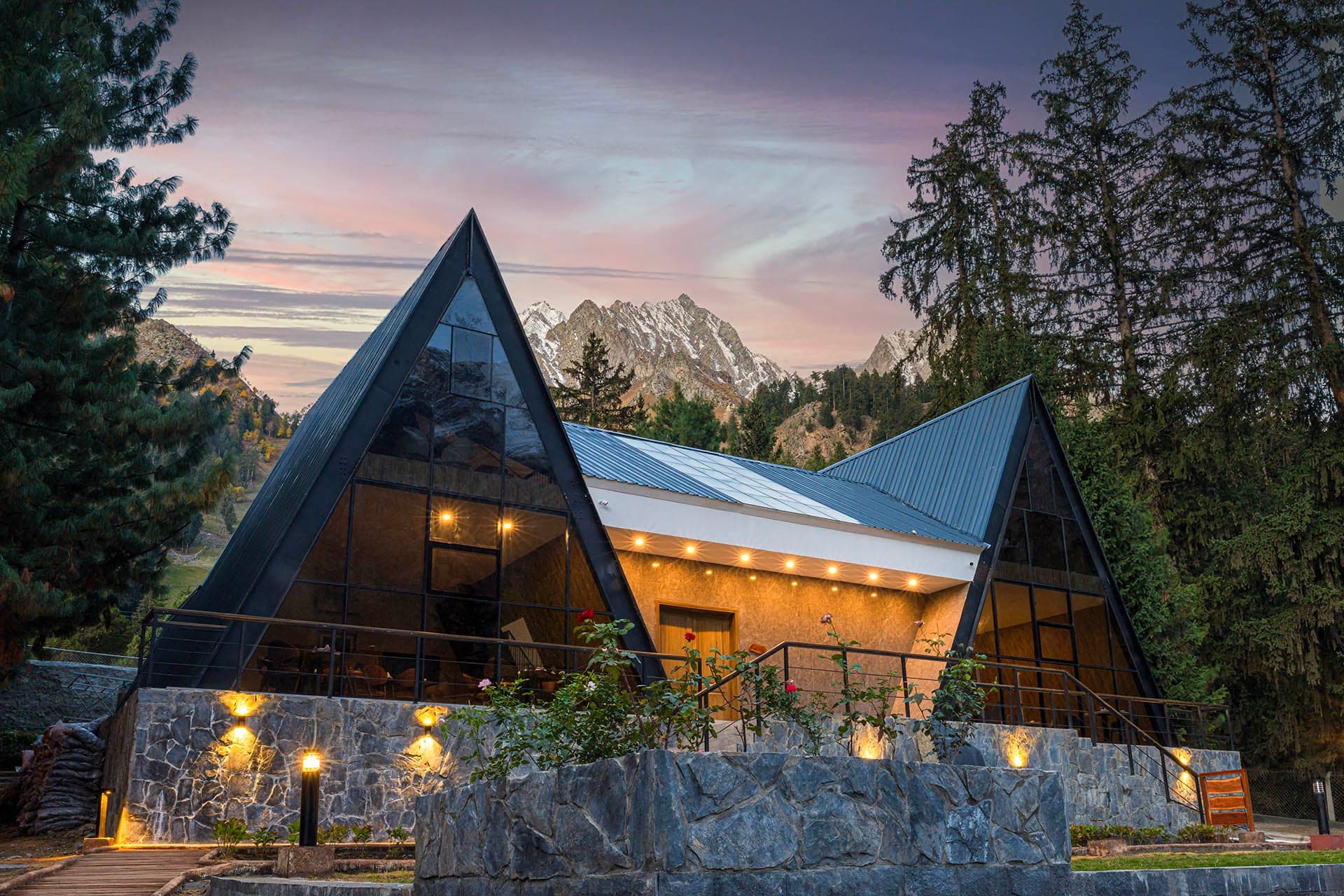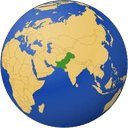

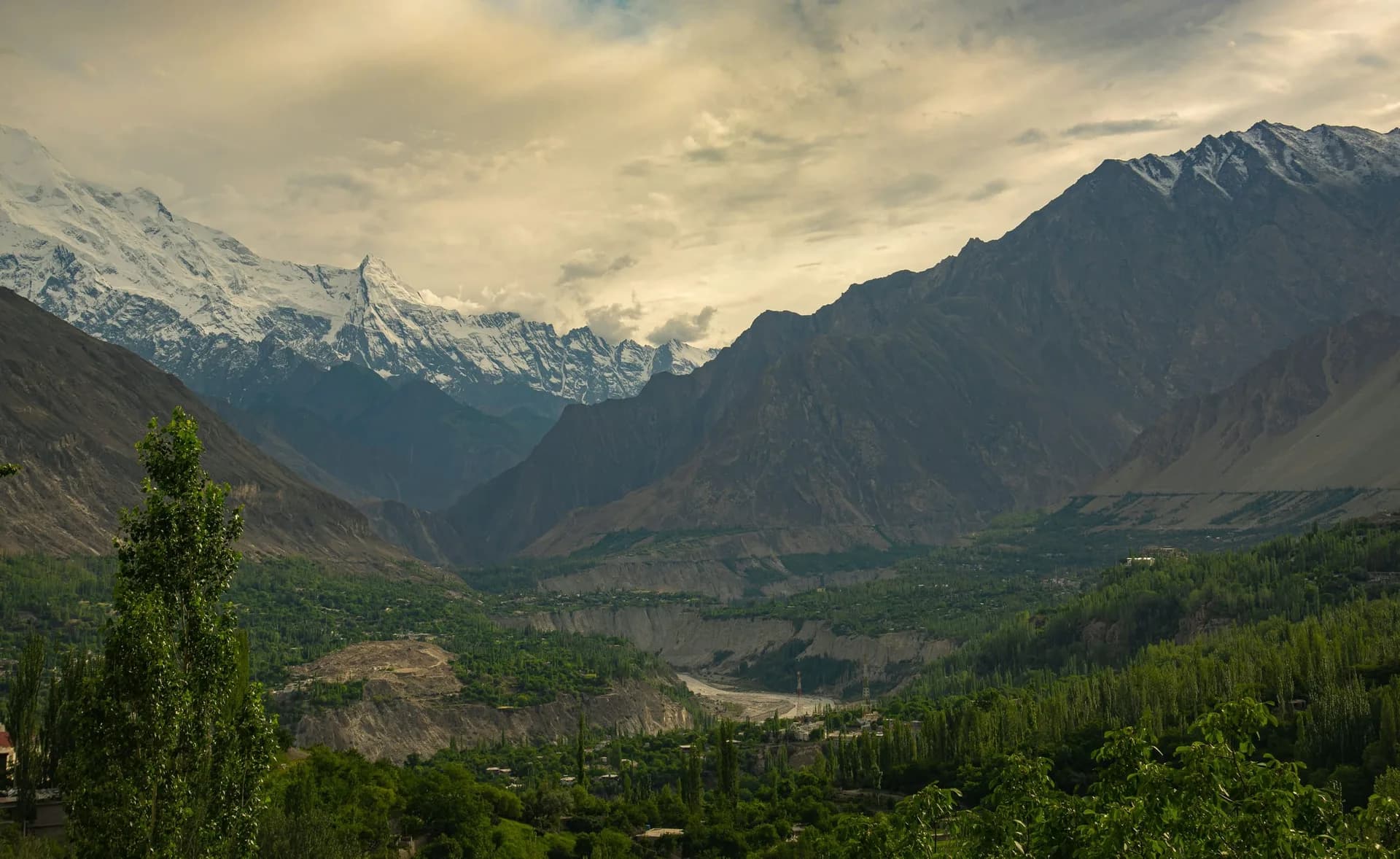
Pakistan packs three of the world's great mountain ranges, a 5,000-year-old civilisation, and a thousand kilometres of empty coast into one country. For a first trip, these eight places give you the range of it, and the planning notes to do each one right.
We've ordered them roughly north to south, but you don't need to see them all in one journey. Pick two or three that match your season and pace, and we'll thread them into a single route.
1. Hunza Valley
Best for first-time visitors
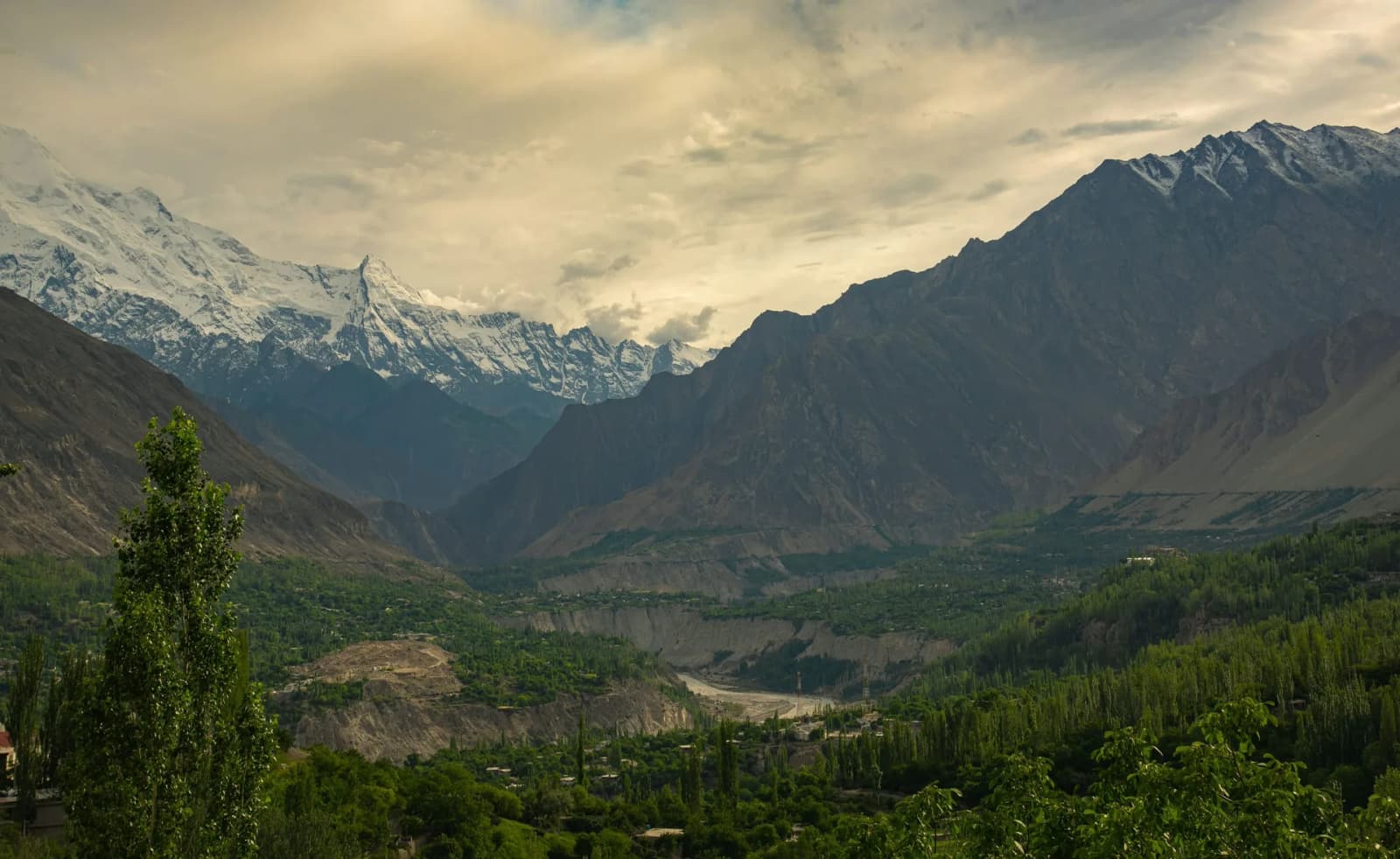
Orchard terraces, the Karakoram Highway, and a skyline of 7,000m peaks make Hunza the gentlest possible introduction to the high north. Baltit and Altit forts anchor a valley where you can walk to a glacier viewpoint in the morning and be back for apricot cake by lunch.
Planning tip: Late March to early April brings the blossom; September and October bring clear skies and golden poplars.
2. Attabad Lake
Best for an easy wow
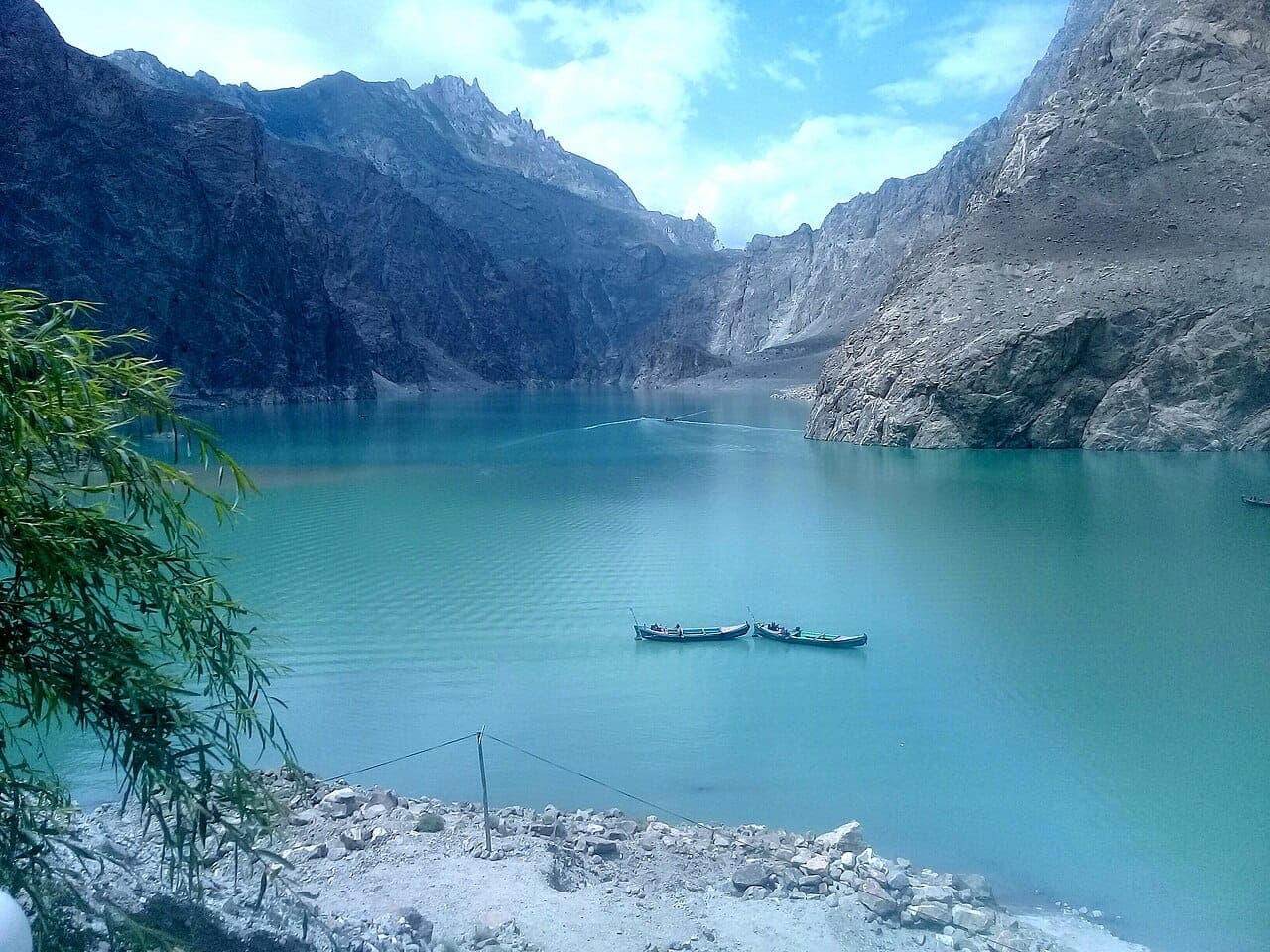
A startling turquoise lake formed by a 2010 landslide that dammed the Hunza River. It's a 40-minute drive from Karimabad and now ringed by boat jetties and cafés, the most effortless jaw-drop in the valley.
Planning tip: Go mid-morning when the light hits the water; combine it with the Passu Cones and the old Hussaini suspension bridge.
3. Fairy Meadows
Best for a short, humbling trek
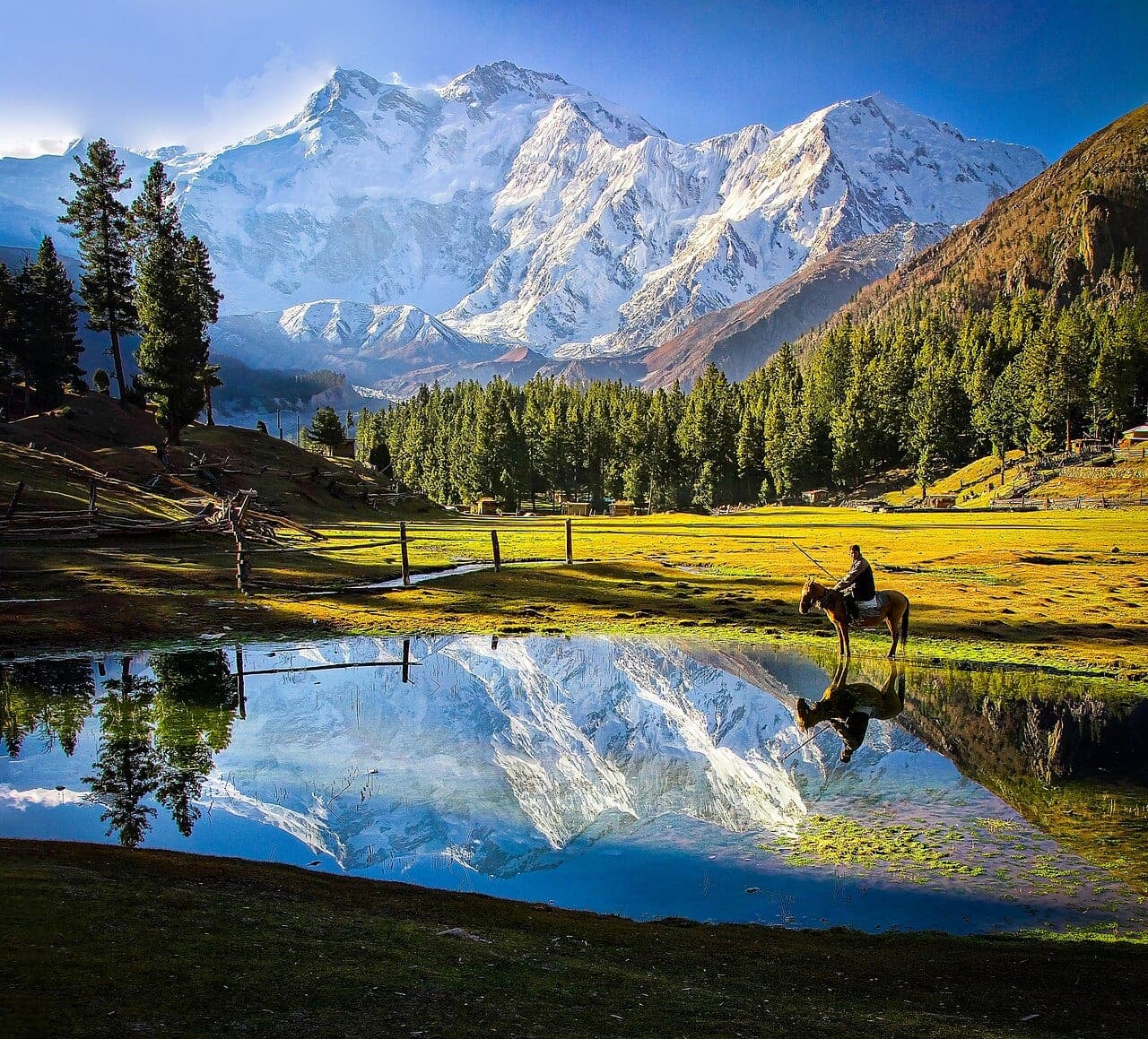
A pine meadow on a balcony directly beneath the ice wall of Nanga Parbat, the world's ninth-highest mountain. A jeep gets you to Tato village; from there it's a half-day walk to one of the most spectacular campsites on earth.
Planning tip: The jeep road is rough and seasonal, May to September only. Build in a night to acclimatise before the base-camp viewpoint walk.
4. Deosai Plains
Best for wildlife and big skies
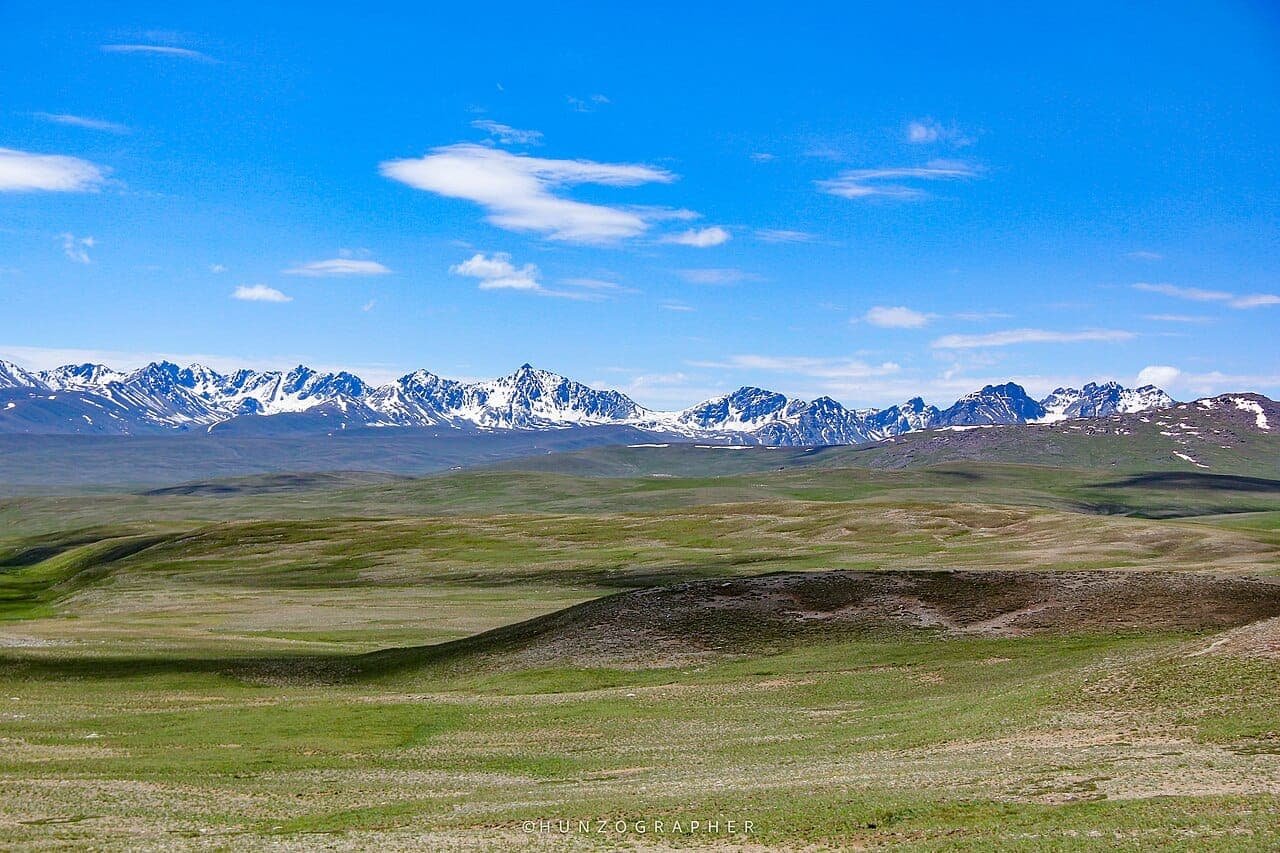
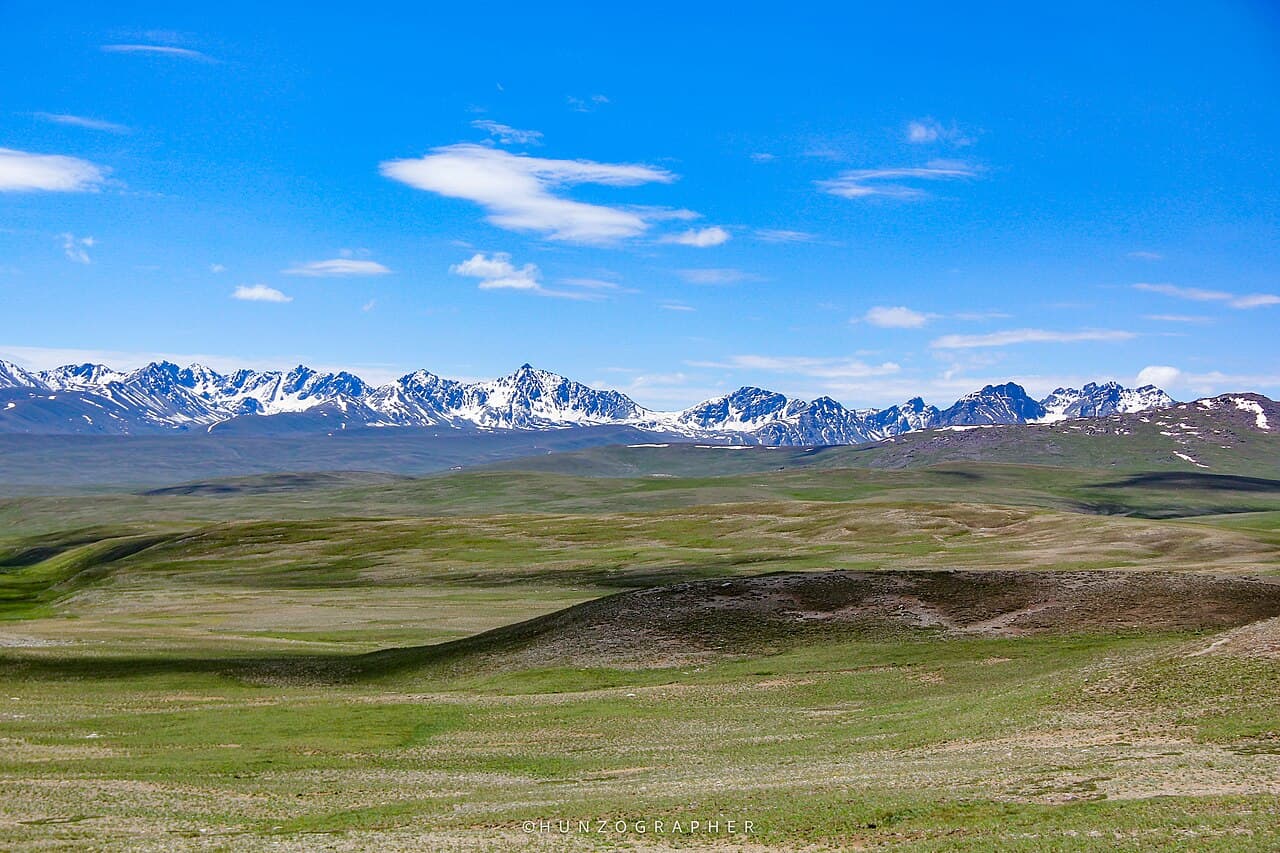
The 'Land of Giants' is one of the highest plateaus in the world, a 4,000m grassland that thaws for only a few months a year. It's the last stronghold of the Himalayan brown bear, and in July it erupts into wildflowers.
Planning tip: Only open roughly July to September. Cross it on the Skardu-Astore route rather than backtracking, and carry layers, it's cold even in summer.
5. Kalam & the Swat Valley
Best for alpine greenery
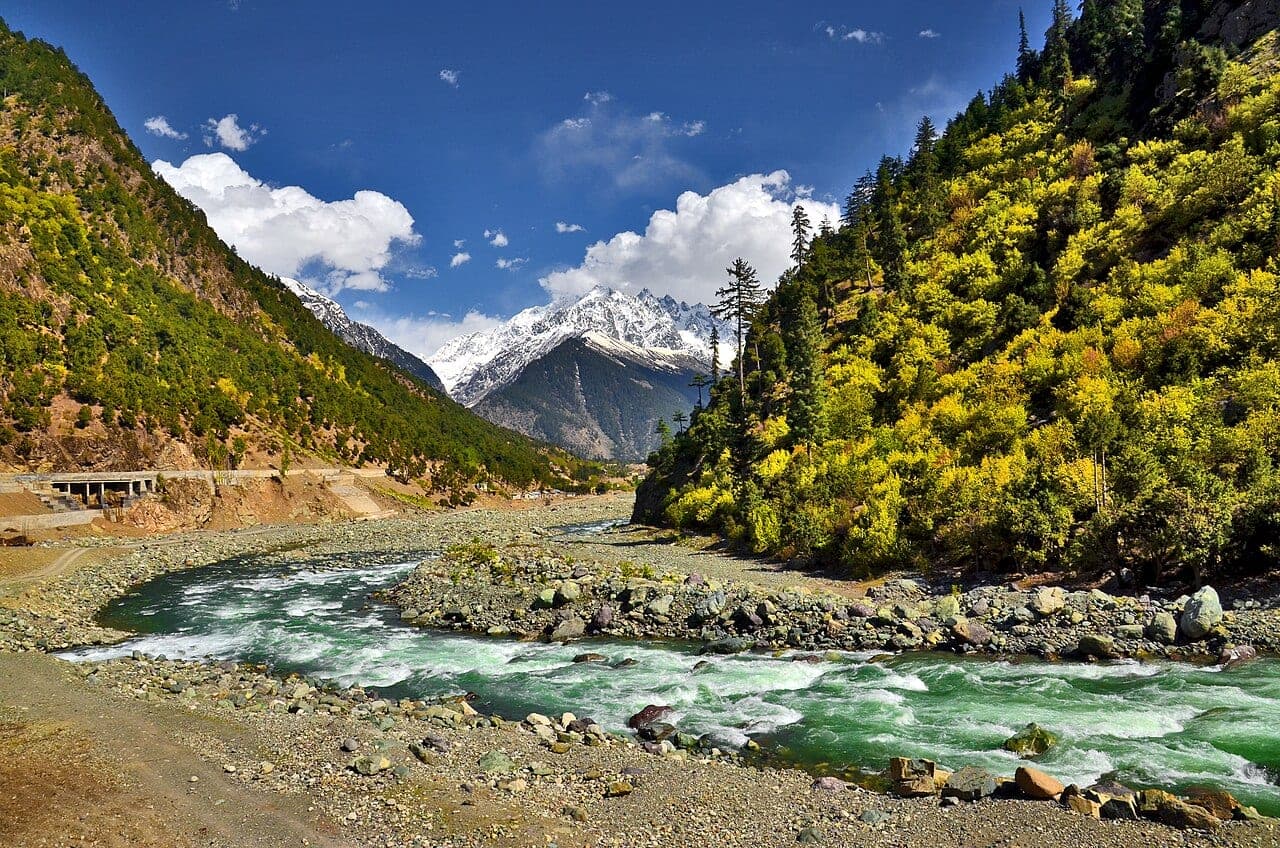
Swat's upper valleys are softer than the Karakoram, cedar forest, river meadows, and snow-fed streams. Kalam is the hub for Mahodand Lake, Ushu forest, and the road up to the high pastures.
Planning tip: Roads can wash out in monsoon (July-August); late spring and early autumn are the safest windows.
6. Kalash Valleys
Best for living culture
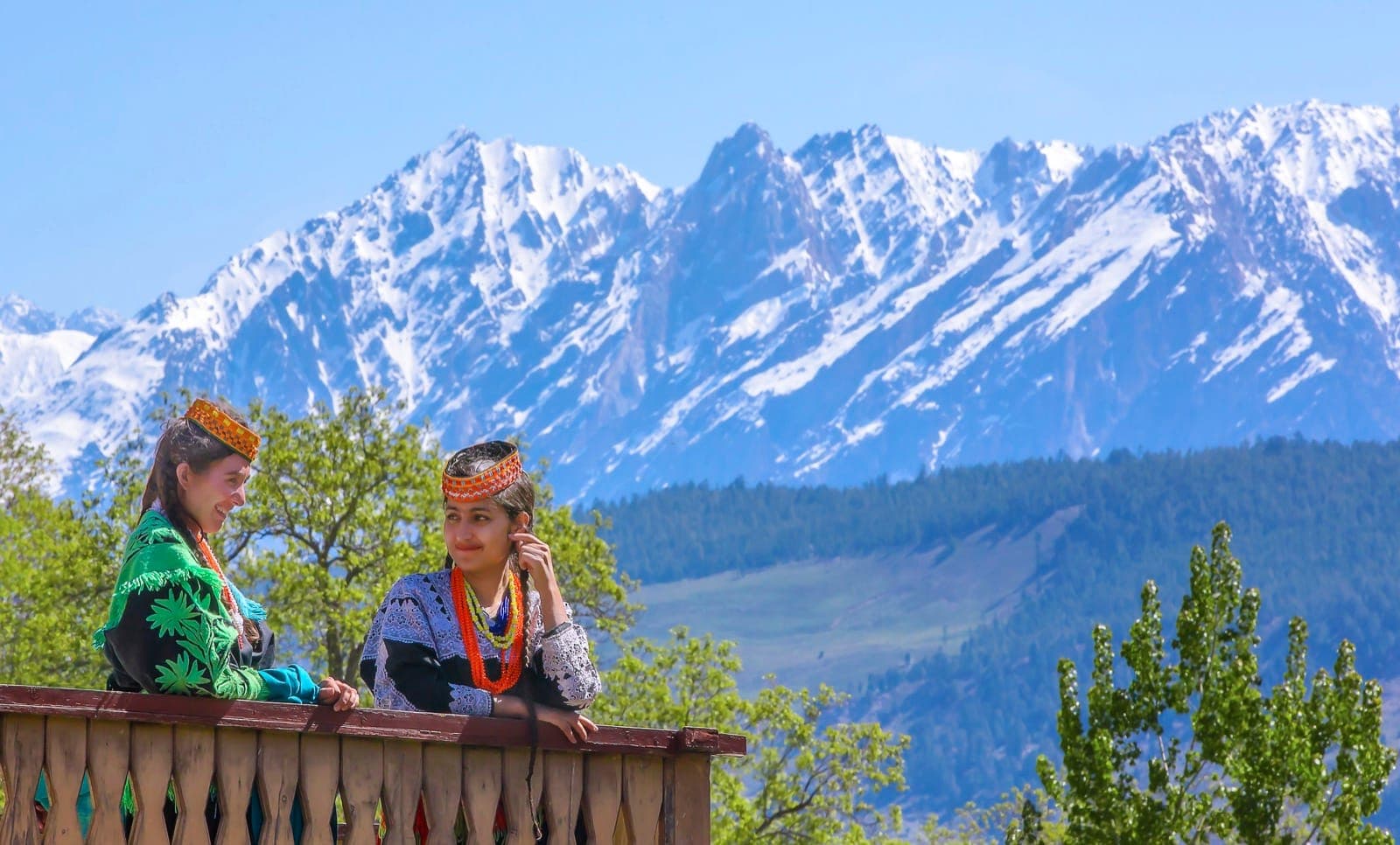
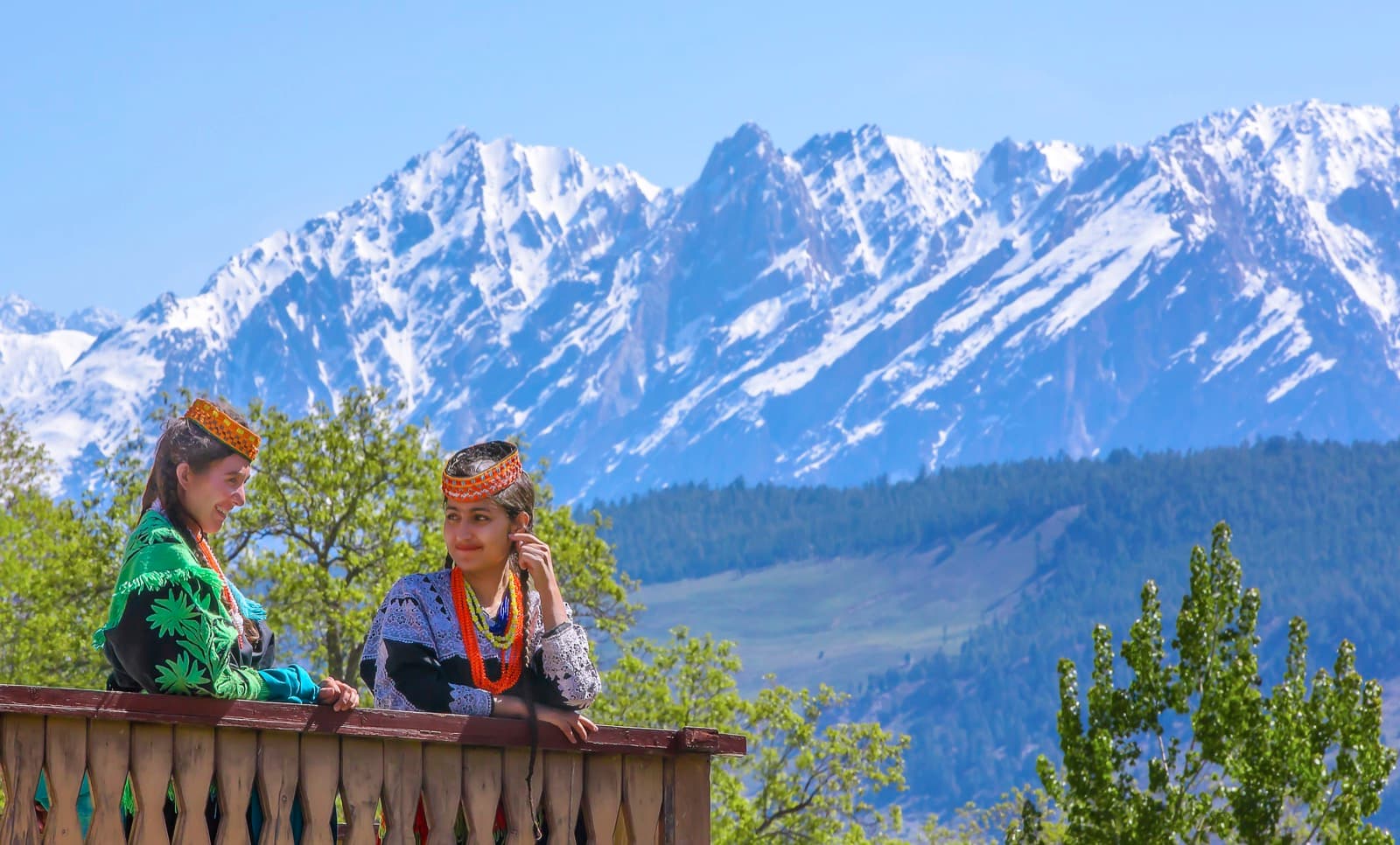
In three remote valleys near Chitral, the Kalash people keep a pre-Islamic religion, language, and calendar alive. Their spring Chilam Joshi festival is among the most striking cultural events in South Asia.
Planning tip: Visit with a community guide and ask before photographing people. Chilam Joshi falls in mid-May.
7. Lahore's Walled City
Best for Mughal heritage
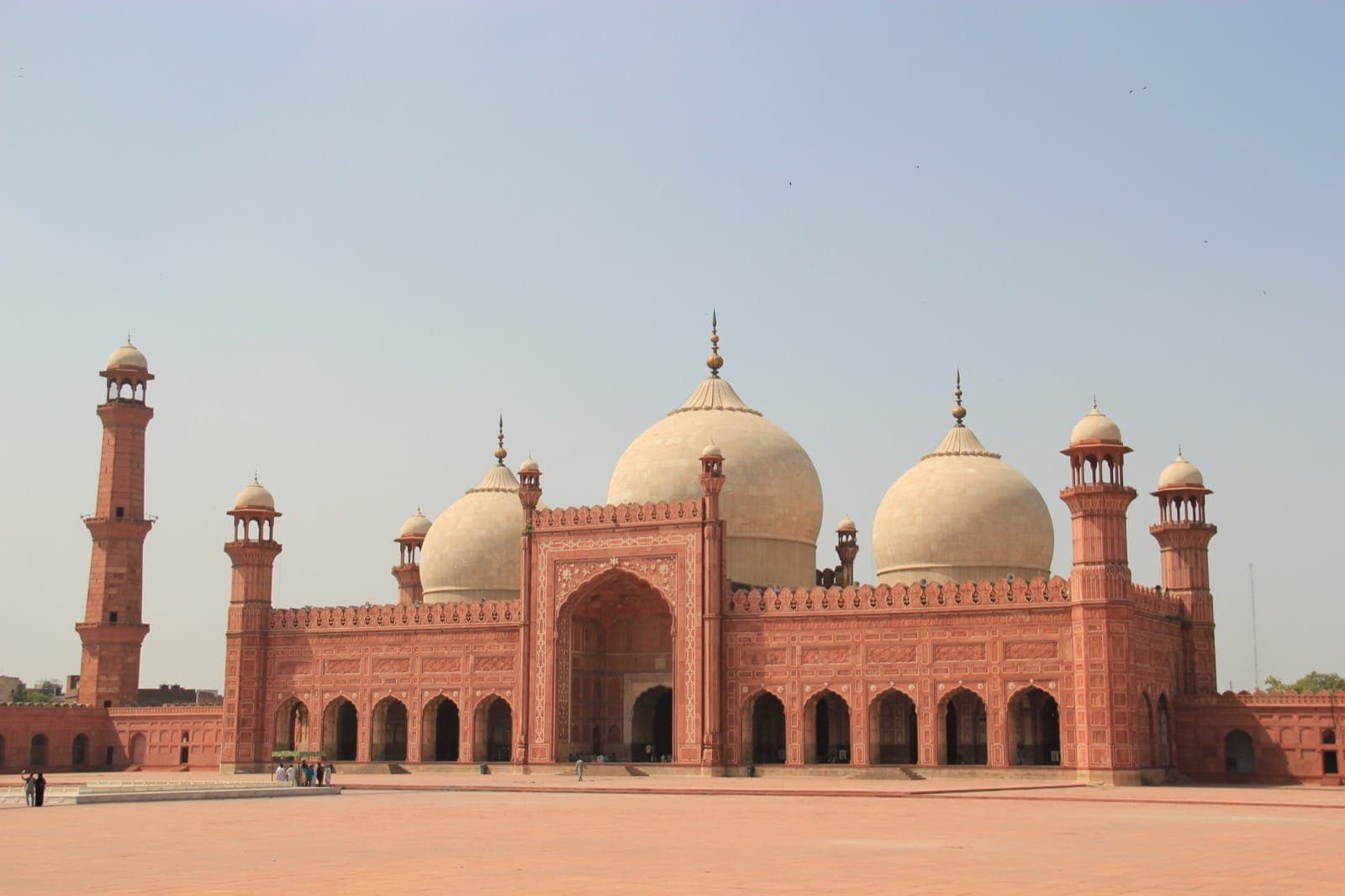
The cultural heart of Pakistan: the Badshahi Mosque, Lahore Fort, the Wazir Khan Mosque's tilework, and a food street that runs until midnight. The old city rewards a slow dawn walk before the bazaars wake.
Planning tip: November to March is the comfortable season. Enter through Delhi Gate early to beat both the heat and the crowds.
8. Kund Malir & Hingol
Best for an empty coast
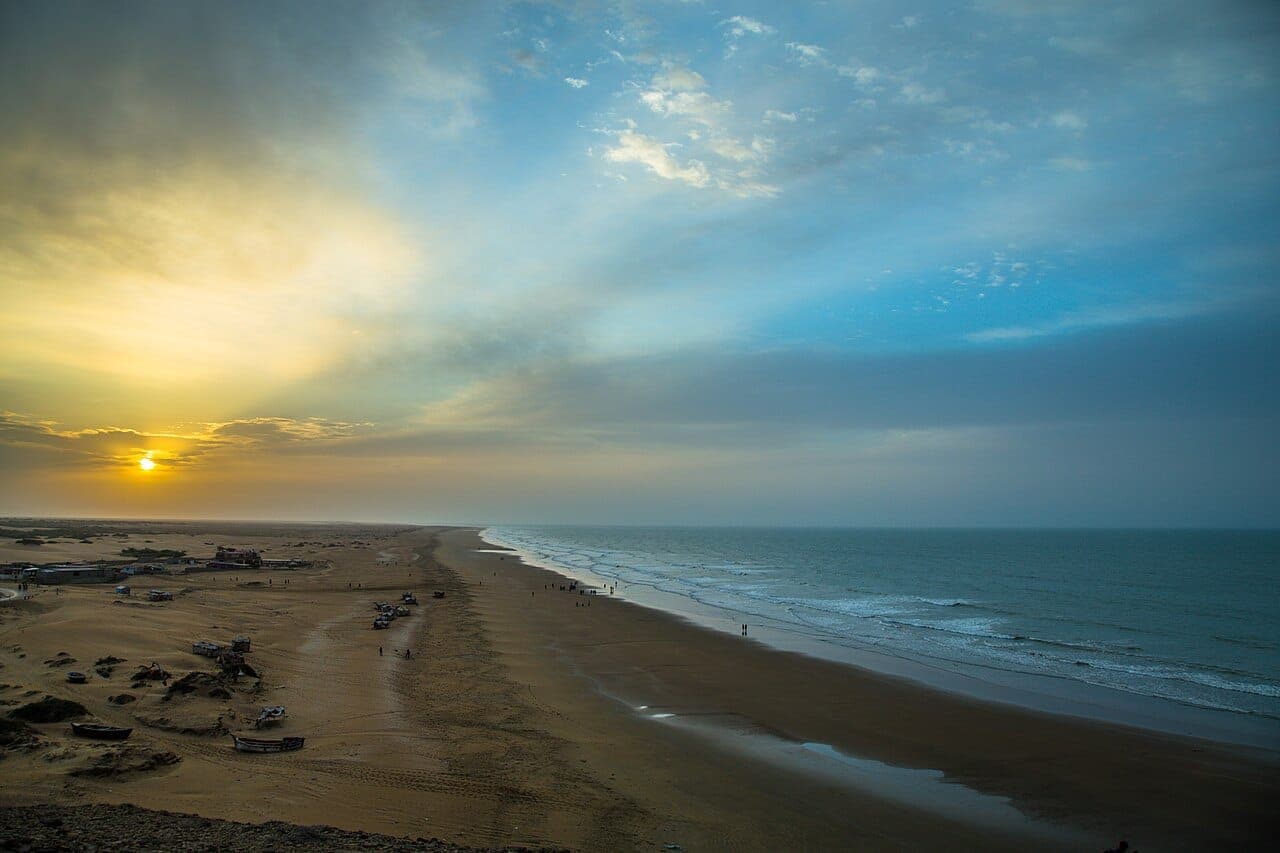
On the Makran coast, a golden beach meets the badlands of Hingol National Park, mud volcanoes, the Princess of Hope rock formation, and a dark-sky desert that feels like another planet. It's a four-hour drive from Karachi and still largely yours.
Planning tip: October to March only, summer is brutally hot. Go with a 4x4 and a driver who knows the coastal road.
Good to know: Most nationalities qualify for Pakistan's online e-visa, and some northern border zones need a permit (an NOC), we arrange those for every trip we run.
Whichever you choose, the practical work, permits, drivers, the right season, and stays that sit lightly on these places, is what we handle. Tell us which of these moves you, and we'll build the route around it.