
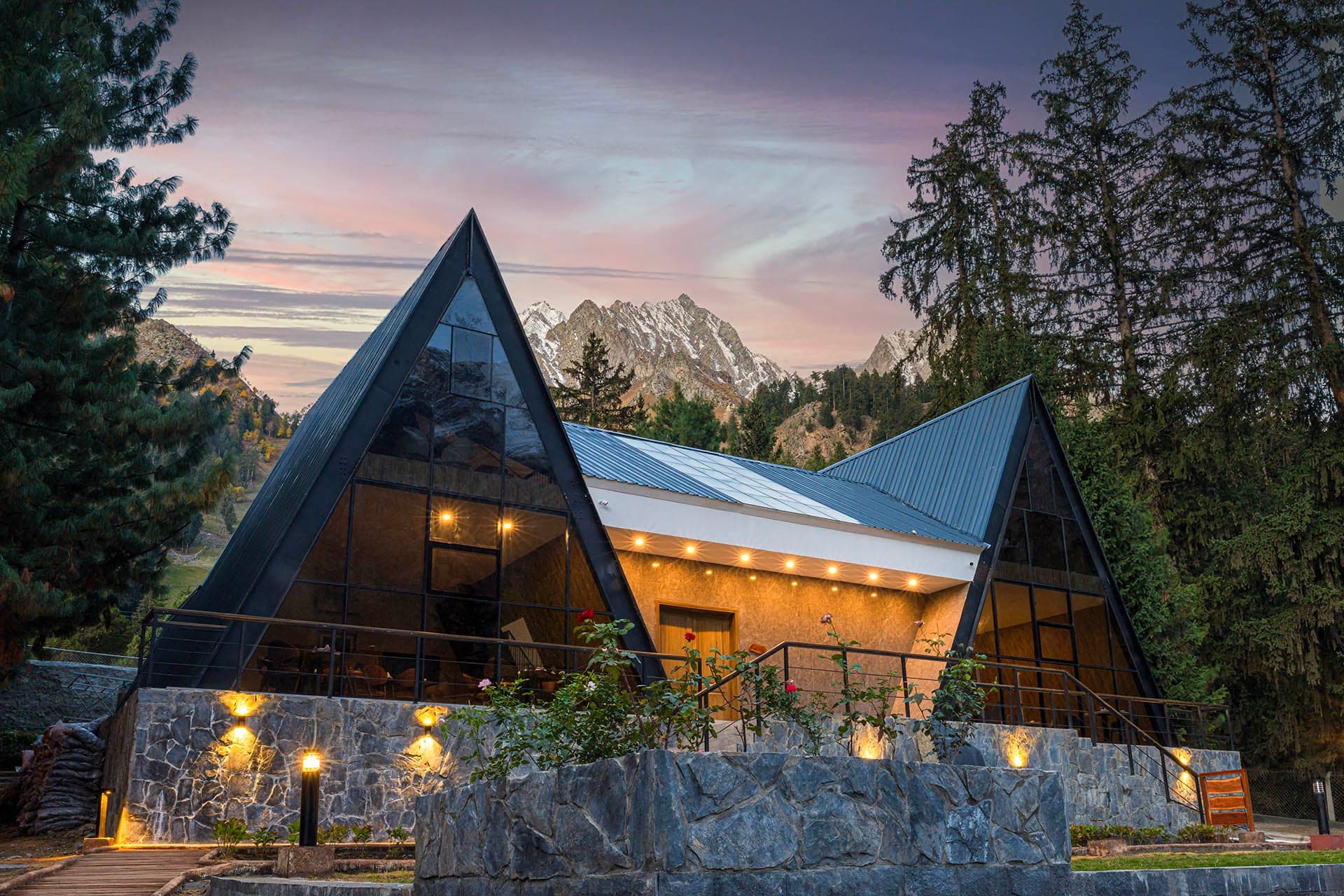
Above the tree line at Naltar, the Milky Way still casts a shadow, one of the last truly dark skies left within a day's drive of a Pakistani city.
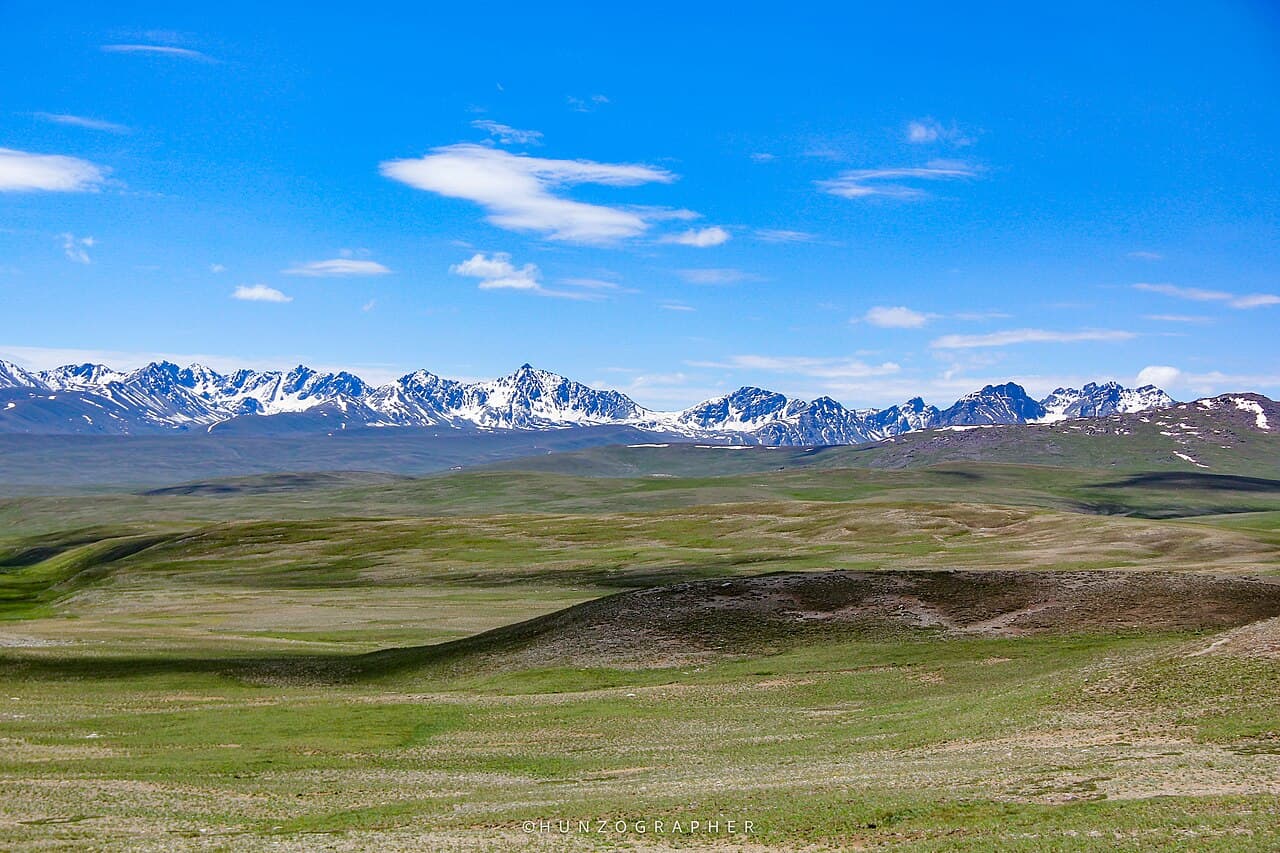
The jeep track from Gilgit climbs through pine forest for three hours, switchbacking past wooden villages until the valley opens into meadow. By the time we reached the lakes the light had gone violet, and the first stars were already out over the Shani peak. There are no streetlights here, no towns for forty kilometres, and the effect after dusk is total: a sky so dense with stars that the familiar constellations are hard to pick out of the crowd.
Why the north stays dark
Gilgit-Baltistan's population is small and clustered in valley floors, leaving the high meadows almost entirely free of artificial light. It is, increasingly, a rare commodity, and one worth protecting. GreenPak's stays in the region run on shielded, low-output lighting precisely so the nights stay as they are.
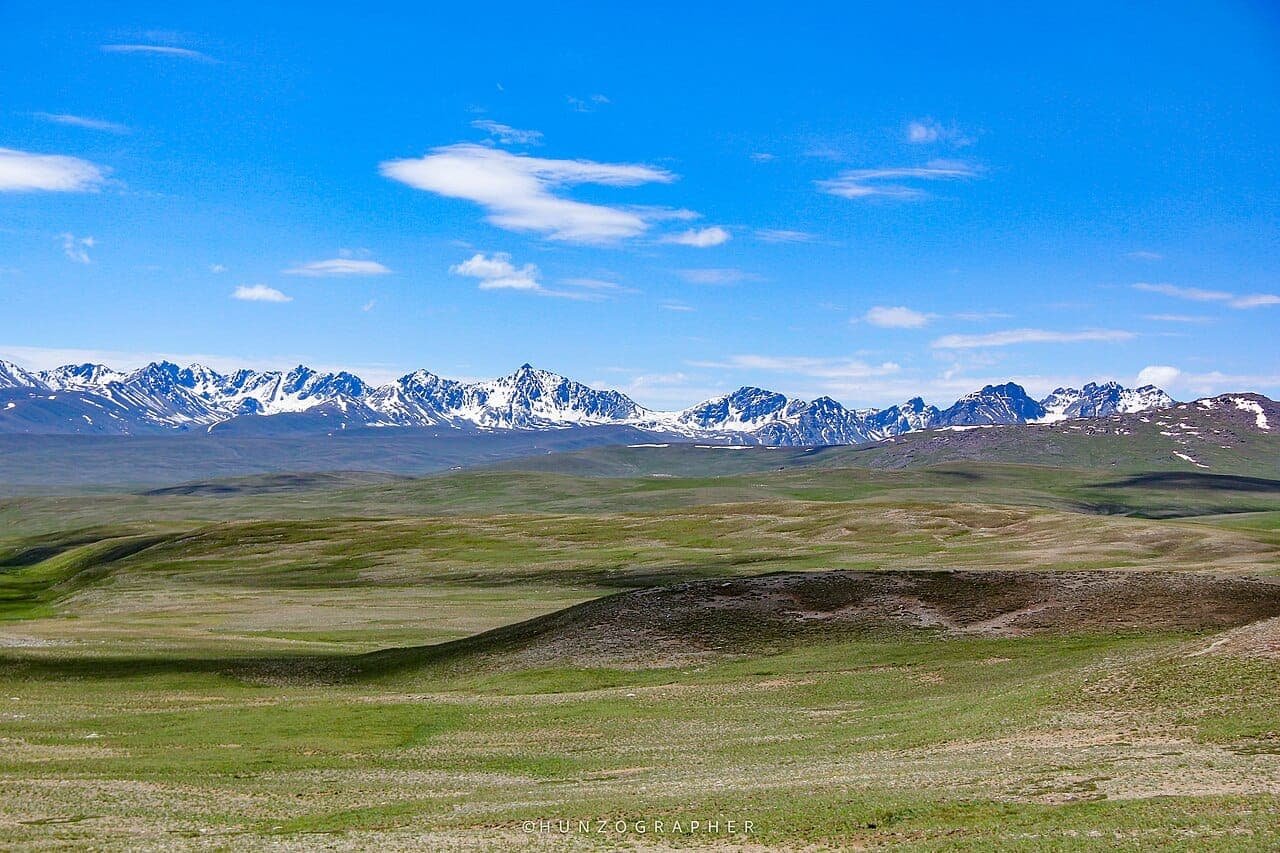
Planning tip: Aim for the week around a new moon between June and September, moonlight, not cloud, is what usually washes out the stars. Carry a head-torch with a red mode so your eyes stay dark-adapted.
"Look again at that dot. That's here. That's home.", and from up here, on a clear night, you finally believe it.
We stayed two nights at the GreenPak resort below the meadows. Mornings were for the lakes and an easy walk to the glacier snout; evenings were for the firepit, a flask of salt tea, and the slow business of letting your eyes adjust. By the second night we could read the Milky Way like a map.