
 Photo: Ammad Malik-101 · CC BY-SA 3.0
Field guides / Khyber Pakhtunkhwa / Peshawar / Bala Hisar Fort
Field guide · Heritage
Peshawar
Peshawar District · Khyber Pakhtunkhwa, Pakistan
Bala Hisar Fort
Peshawar's elevated historic fortress, shaped by Durrani, Sikh, and British rule and still used as an active security headquarters.
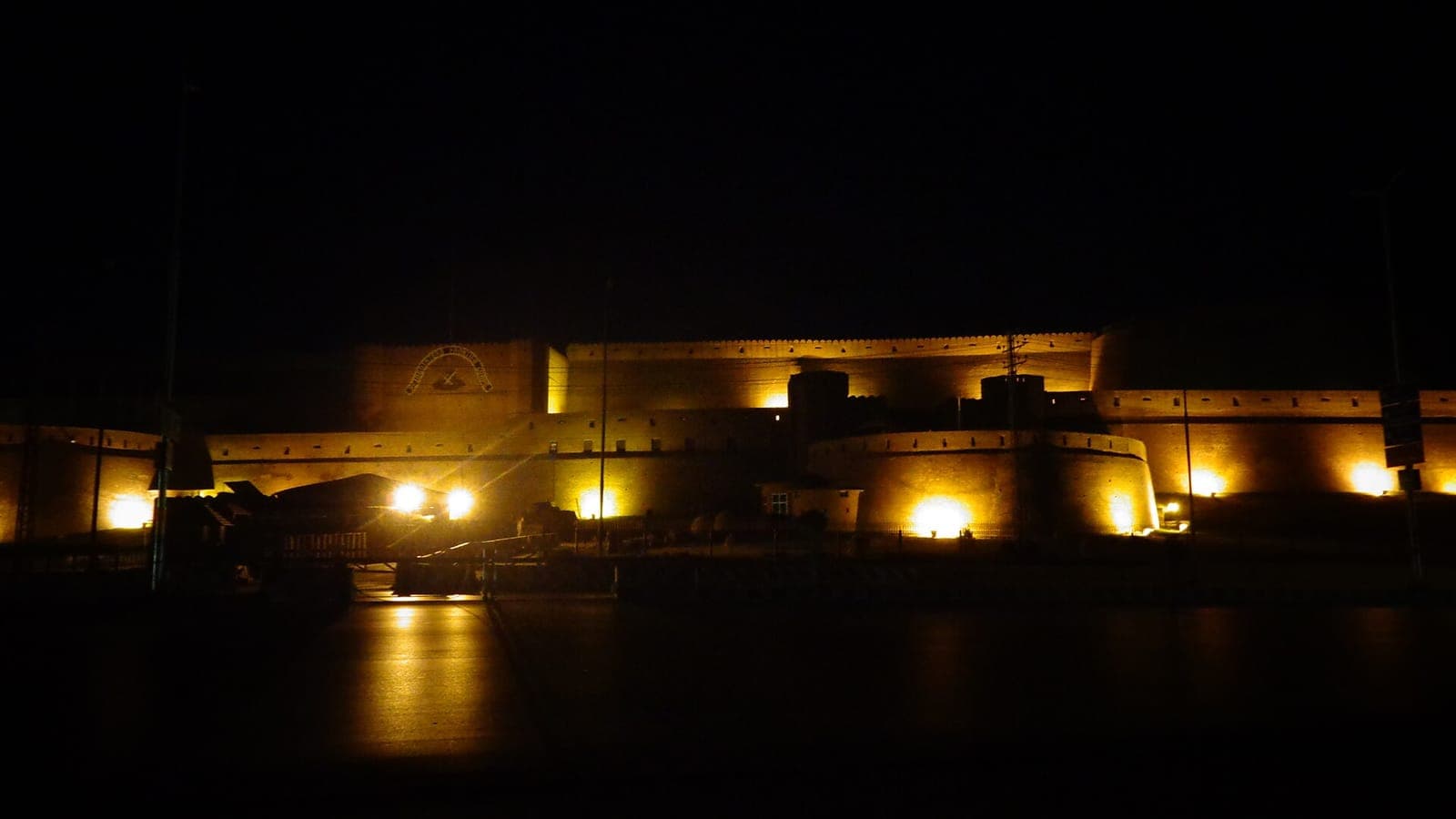
Bala Hisar rises above the eastern edge of Peshawar's historic core and has served as a royal stronghold, military fort, and city landmark across successive periods. The surviving complex reflects major Durrani, Sikh, and British interventions. It remains an active headquarters, so public entry cannot be assumed even though the exterior is a prominent city sight.
Why go
- ✦Commanding fort above central Peshawar
- ✦Layered Durrani, Sikh, and British history
- ✦Independent identity from the old-city bazaars
- ✦Exterior landmark with access subject to security
Read the Fort in Layers
Bala Hisar should not be assigned to one ruler or one construction date. The site held strategic importance across multiple periods, while the present walls and buildings reflect successive rebuilding and military use.
Access Is Not Guaranteed
The complex remains in active official use. Opening days, identification requirements, permits, photography rules, and internal access can change, so the guide must never promise entry or fixed hours without current confirmation.
Keep Nearby Heritage Separate
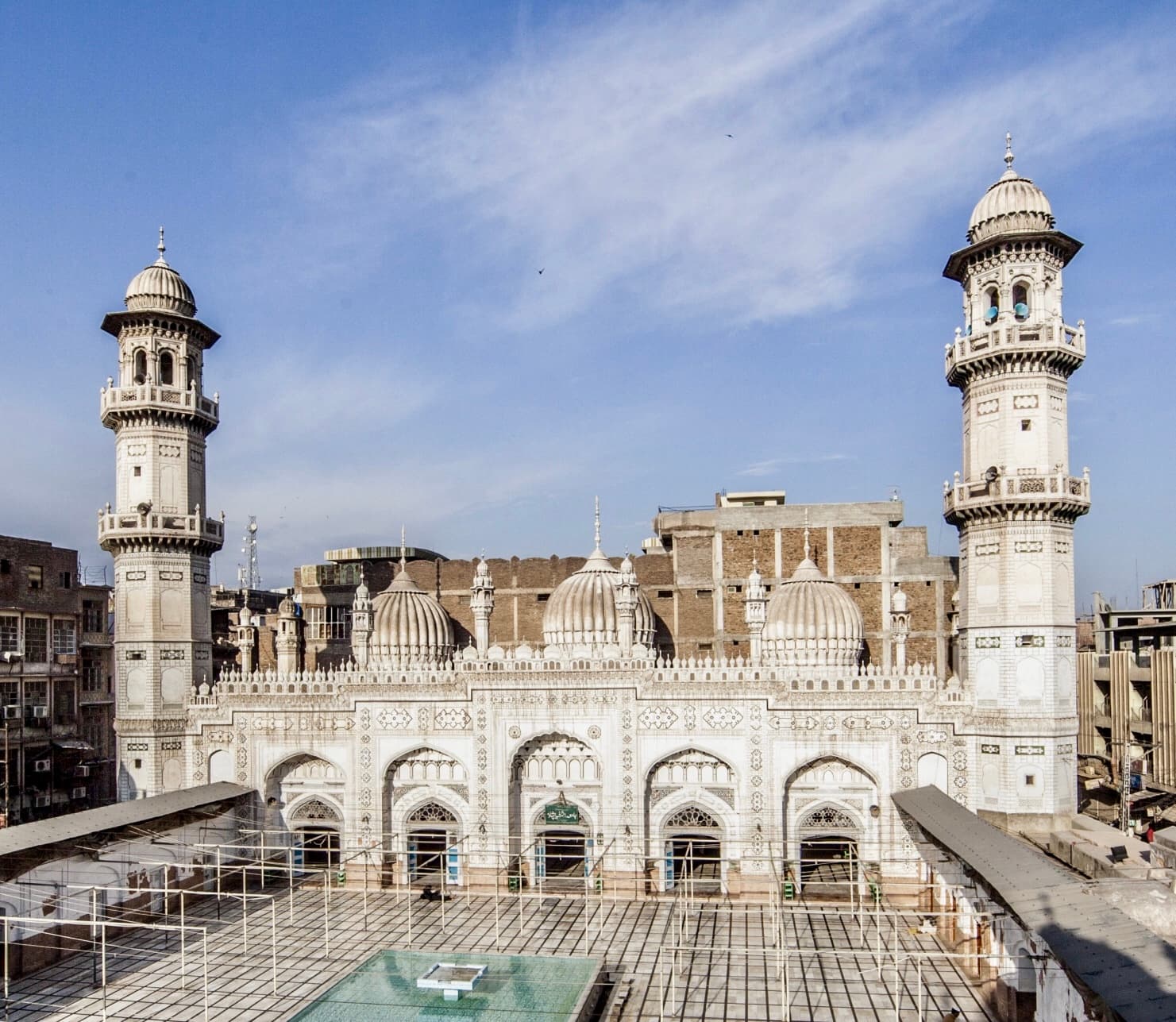
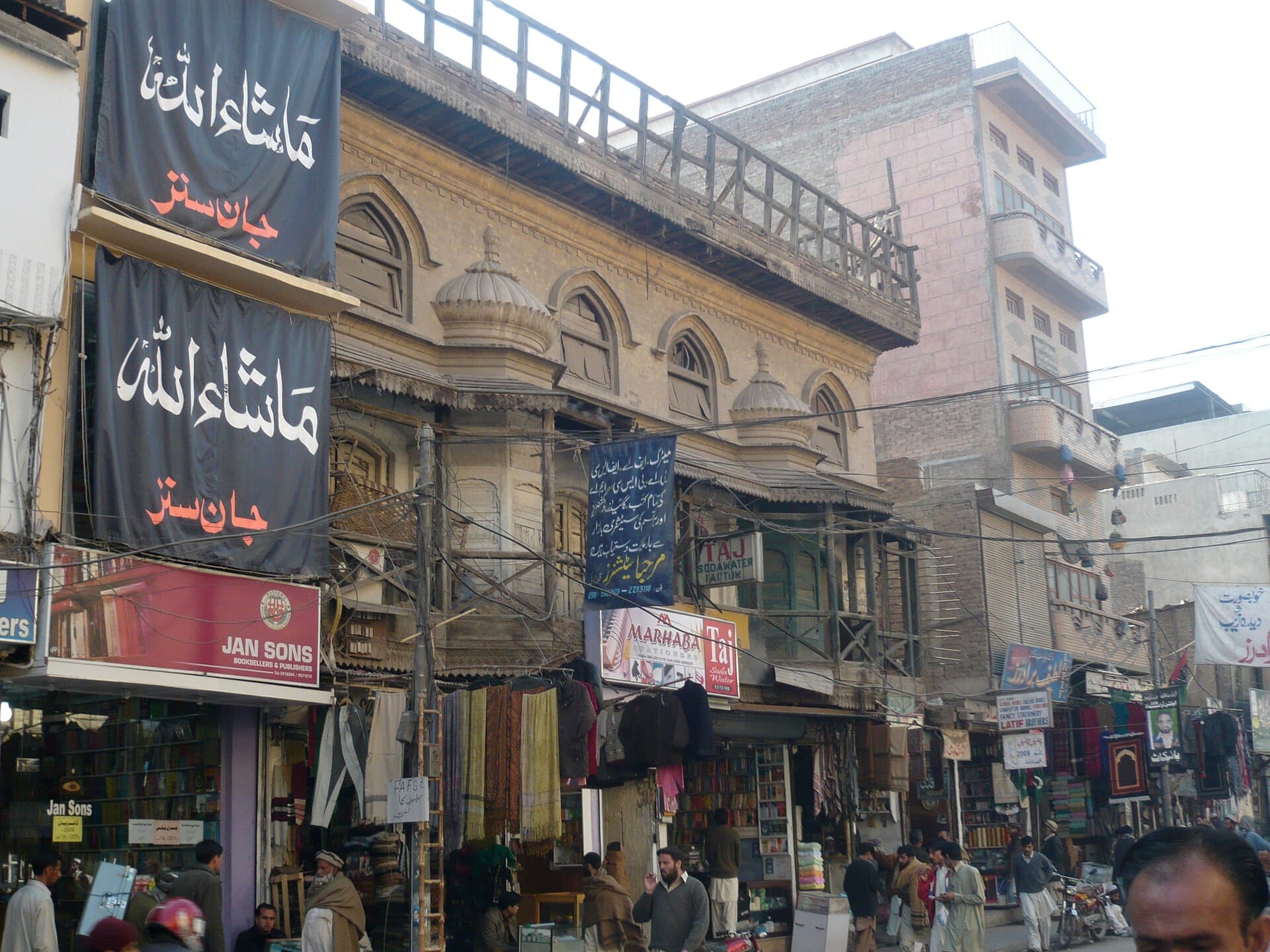
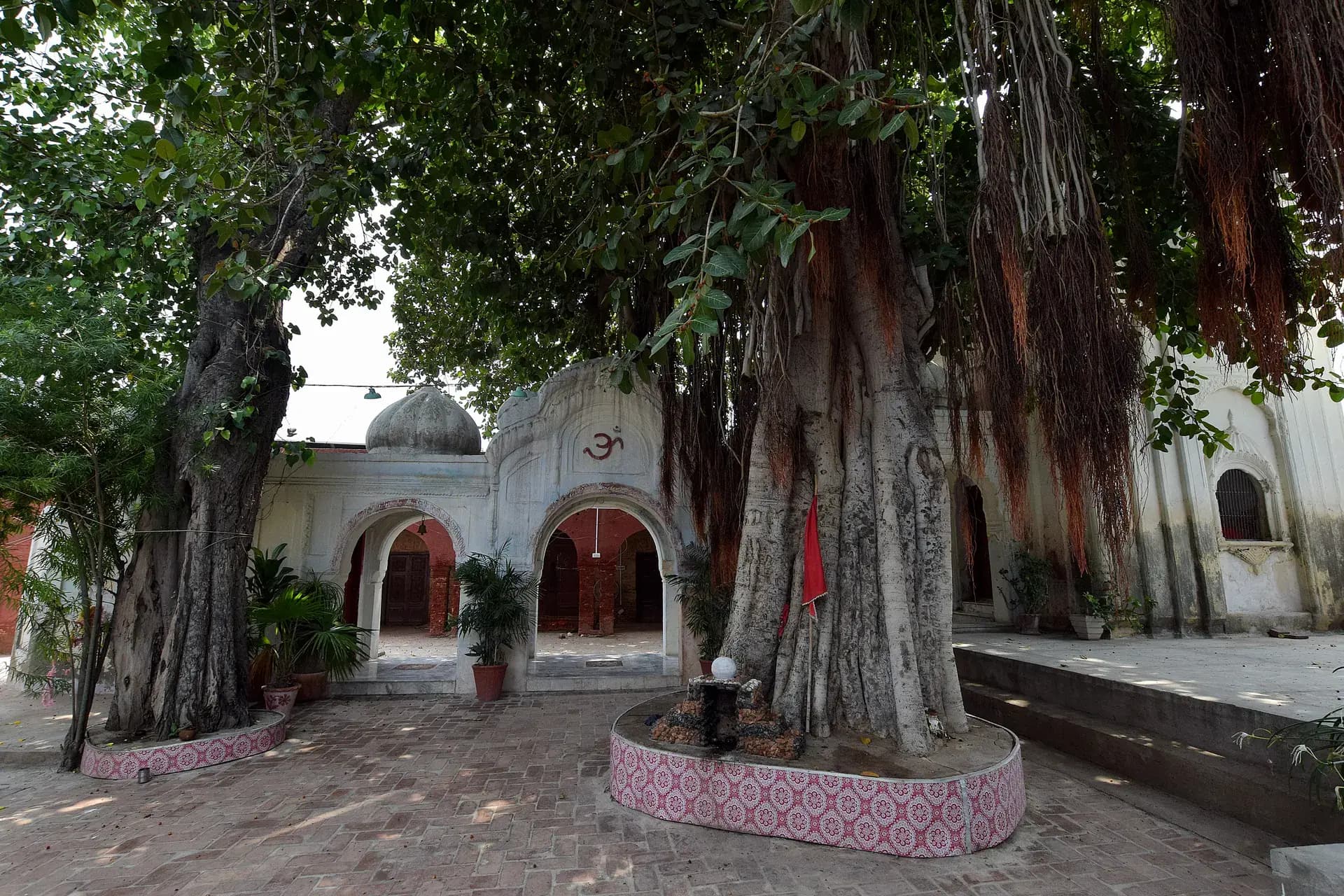
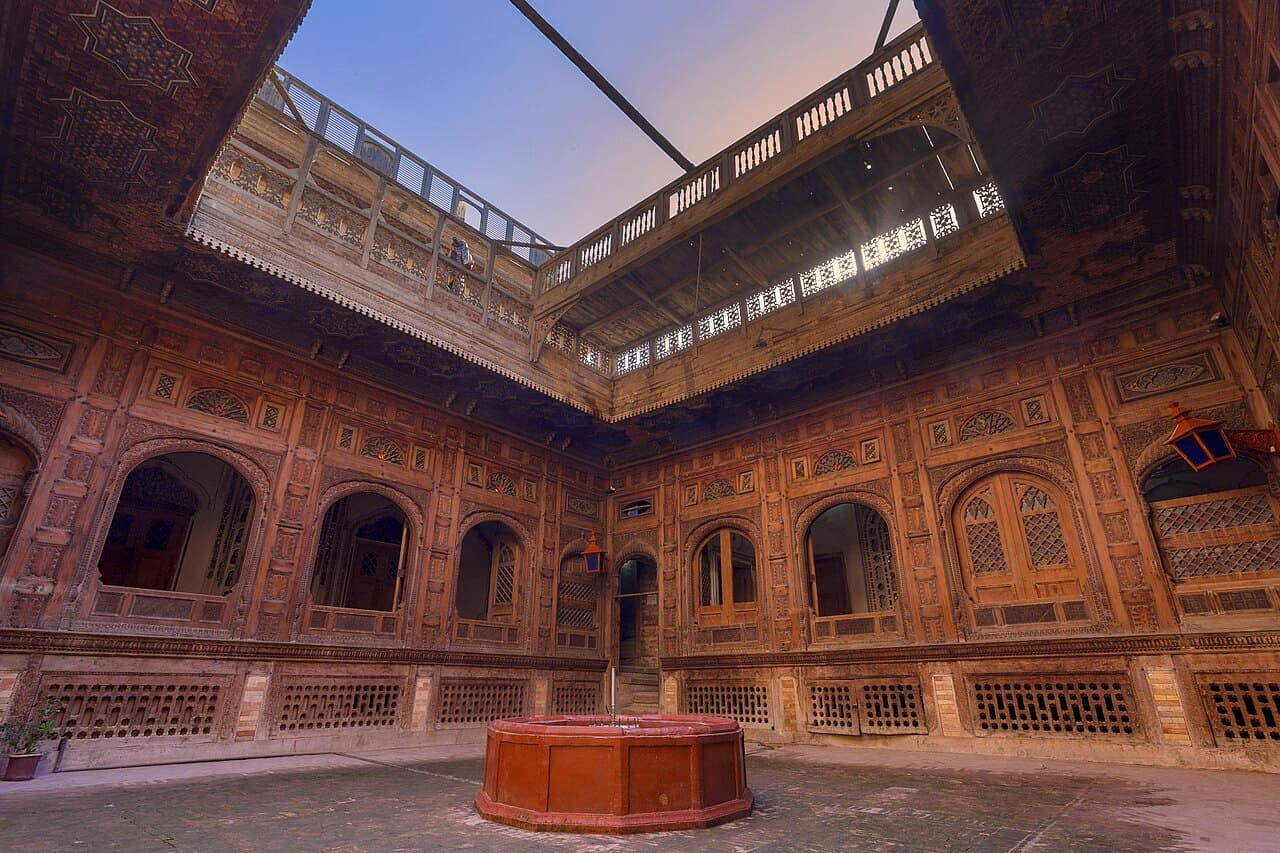
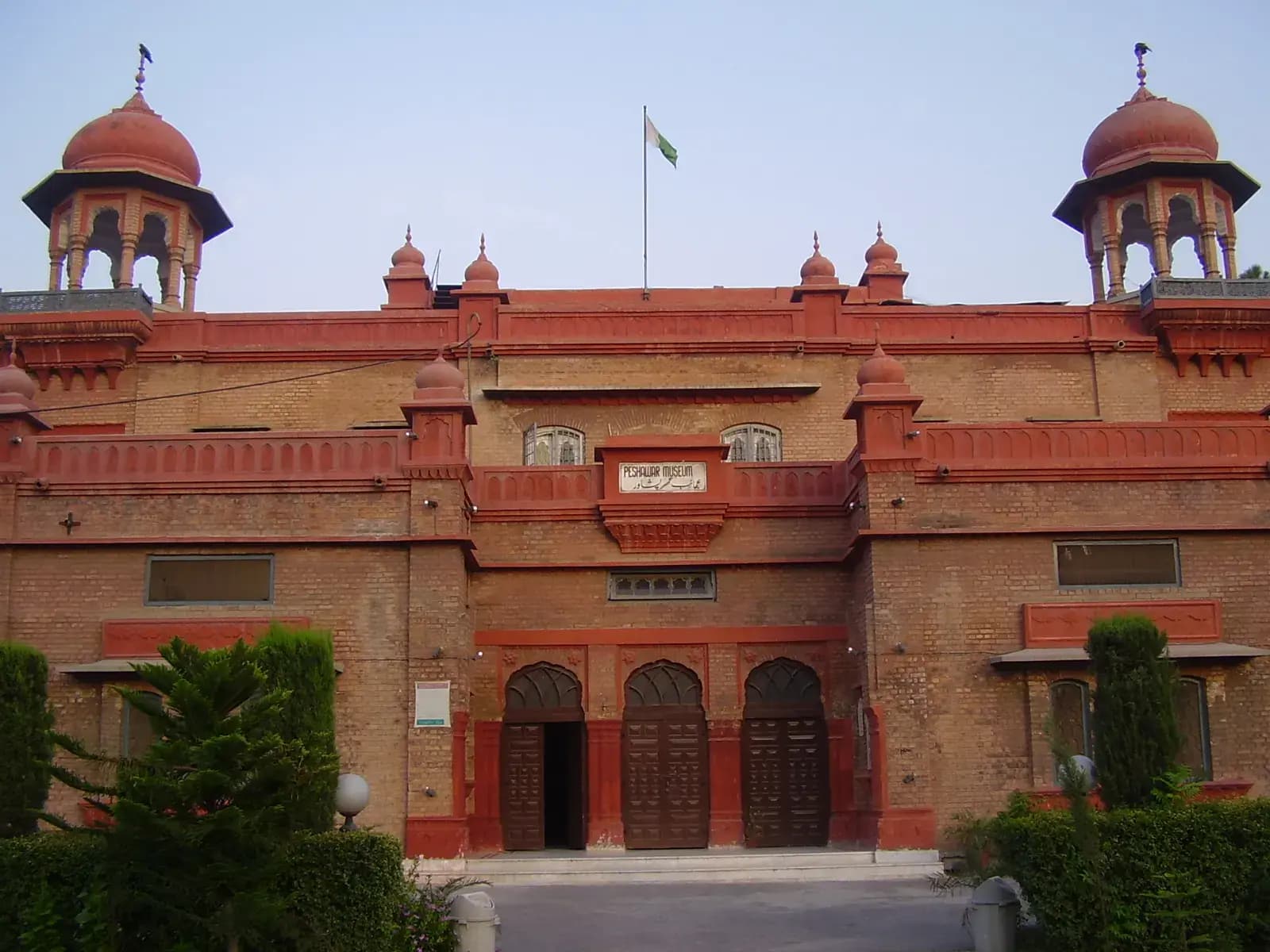
Qissa Khwani, Gor Khatri, Mahabat Khan Mosque, Sethi Mohalla, and Peshawar Museum can form one itinerary, but each has its own location and visitor information, so check directions for each stop.
Planning tip
Best Time to Visit, October to April is most comfortable for an exterior heritage visit. Go in daylight and confirm any public-access arrangement before travelling.
Getting there, The fort stands beside the main road at the eastern edge of old Peshawar, opposite the park area. Use the fort's own coordinate rather than a general old-city or Gor Khatri pin.
Allow, Thirty to sixty minutes for exterior views; an authorised internal visit may require one to two hours plus security processing.
What to Do
Nearby
Straight-line distance from Bala Hisar Fort, within 5 km.