
Highlights
- Hunza blossom season leads short-break demand
- Sindh heritage loops gain interest beyond Karachi
- Coastal Balochistan for winter sun without crowds
- Human-led planning preferred over anonymous checkout
The year of the valley
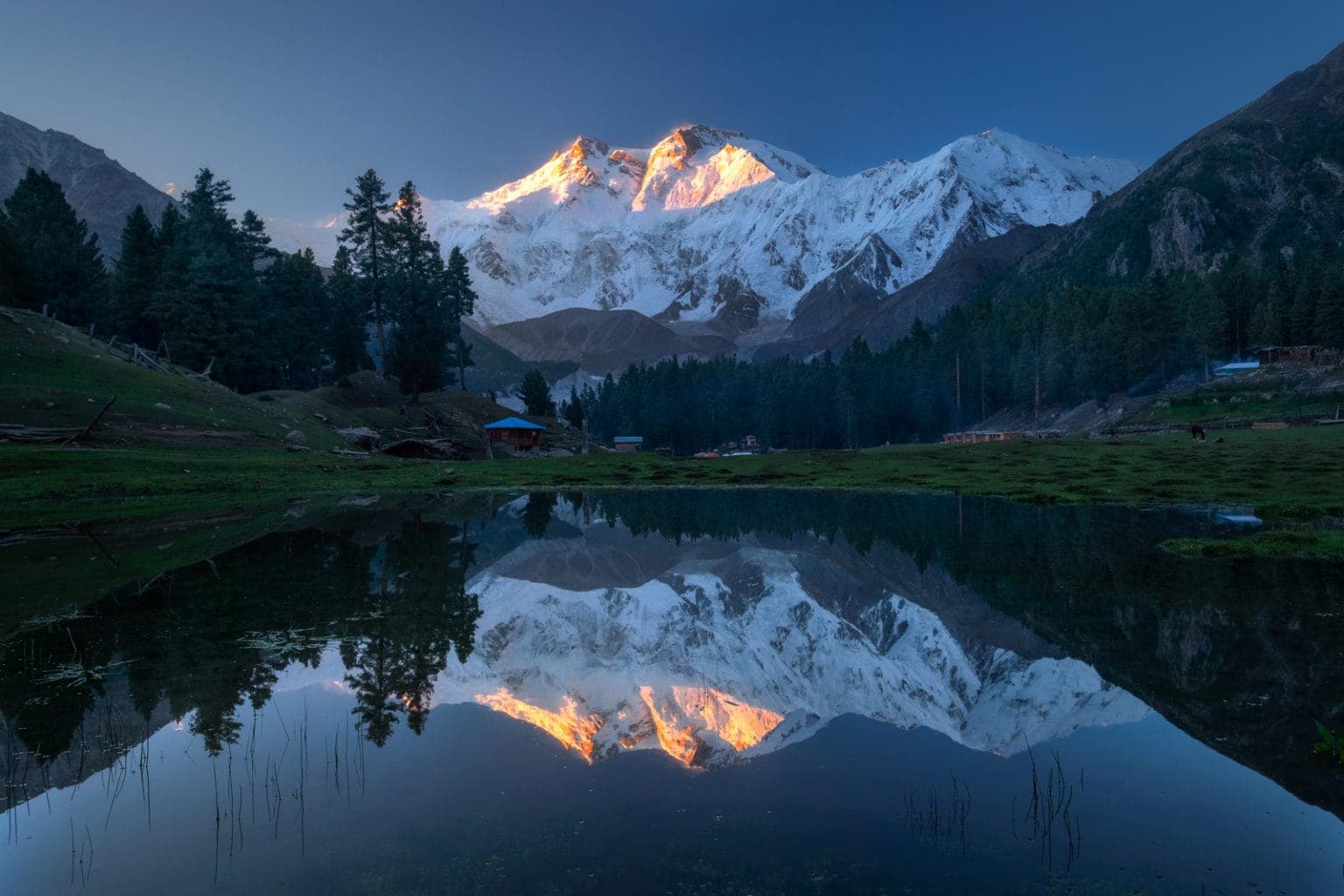
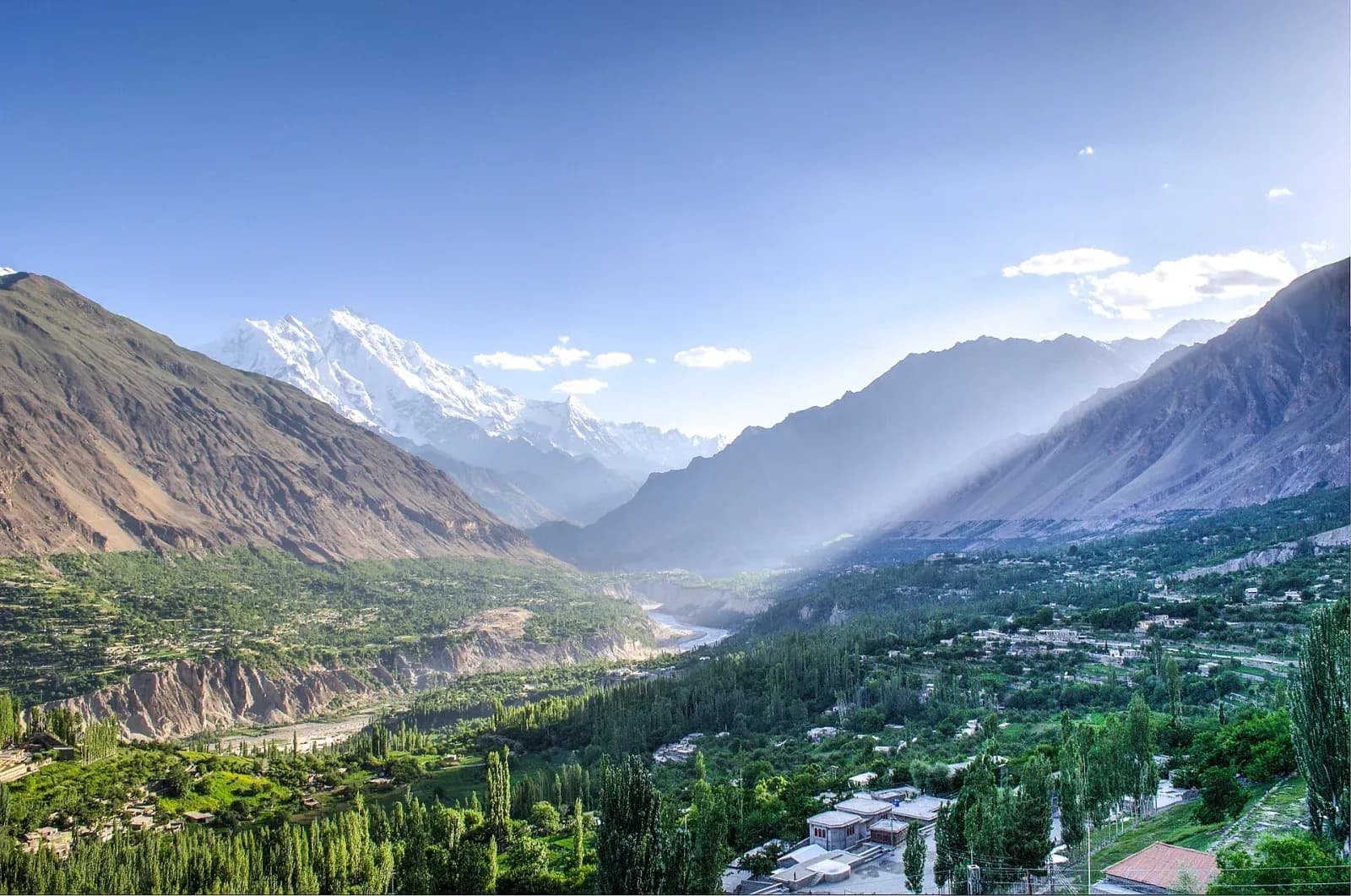
2026 continues the post-recovery pattern: guests want fewer hops and more time in one landscape. Hunza and Skardu remain the emotional centre of Pakistan travel, but the request is for buffer days, orchard walks, and terrace mornings, not checkpoint tourism.
GreenPak's northern stays are positioned as bases for this slower rhythm rather than overnight transit stops.
Heritage beyond the north
Punjab's Mughal core and Sindh's Indus sites are drawing guests who have already seen the mountains. Moenjodaro, Makli, and Lahore's old city work as a counter-narrative to 'Pakistan equals peaks only'.
Religious heritage routes, Sikh, Buddhist, Islamic, are increasingly requested as intentional journeys, not side mentions.
Coast and desert
Balochistan's Makran coast is still under-visited by international standards, which is precisely its appeal. Winter months bring Europeans and Gulf travellers seeking space, seafood, and dark horizons.
How people want to book
Across source markets, the pattern is consistent: research online, then speak to a human before paying. Discovery-first websites with clear expertise convert better than checkout-only platforms.
Pale Blue Dot is built for that behaviour, guidebook depth, curated GreenPak inventory, and planning by conversation.