
Loading…
Field guides / Khyber Pakhtunkhwa / Ali Beg-Dherai Site
Field guide · Heritage
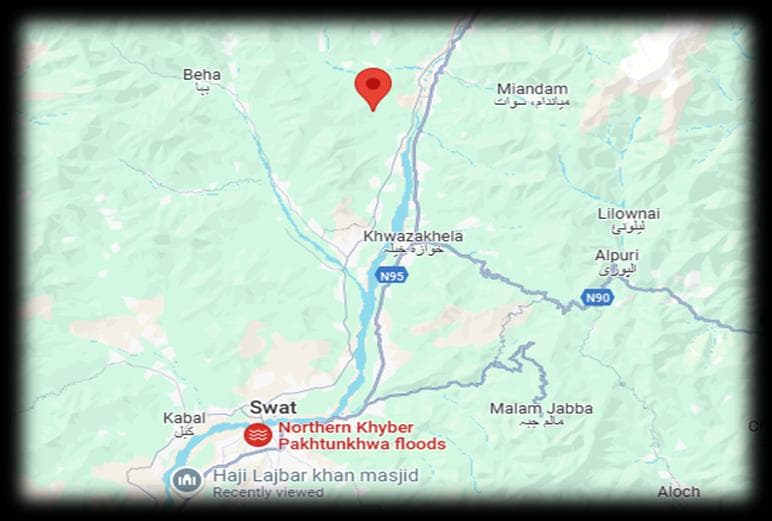
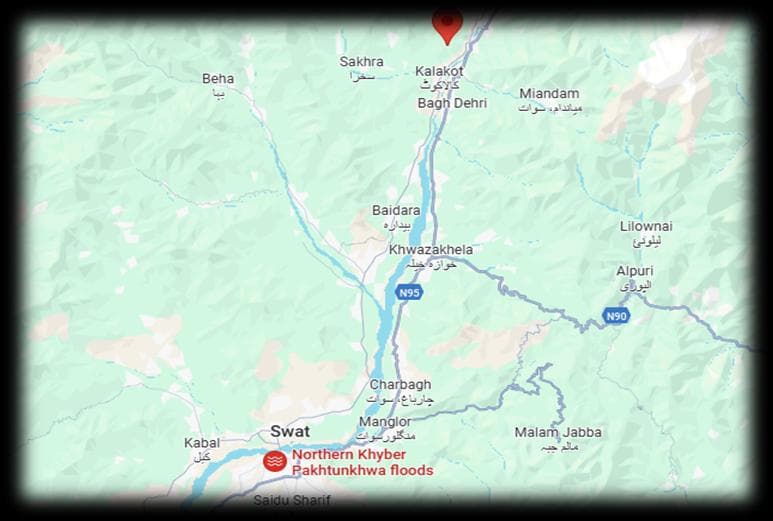
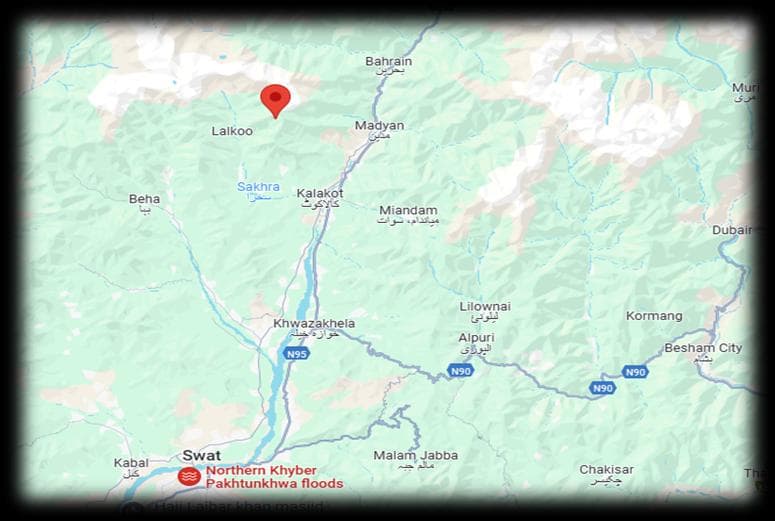
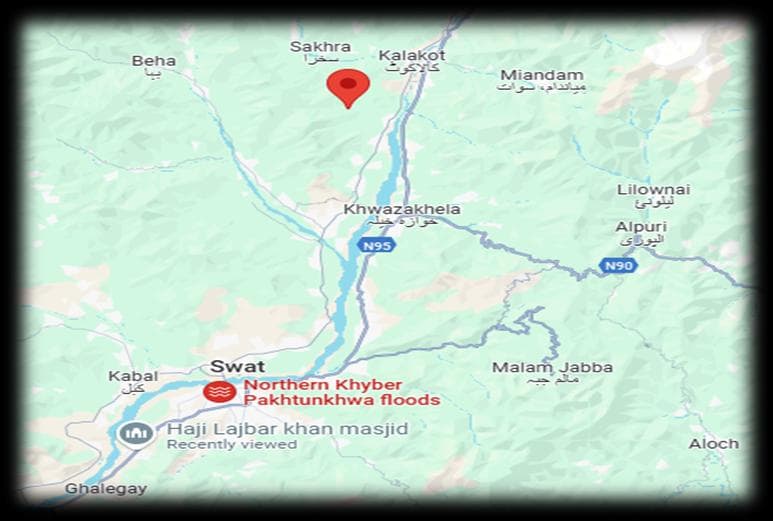
Ali Beg-dherai is located in Dakorak, slightly beyond Charbagh along the Kalam road, and lies southeast of the modern Malalai village.
The mound is positioned due north of the Mangwalthan valley, forming part of the historical landscape of Charbagh. Visited by Stein in 1926, Ali Beg-dherai consists of a small stony mound, with visible remains of roughly made ancient structures. Interestingly, Stein noted the absence of Gandhara-style masonry and pottery at this site, suggesting that Ali Beg-dherai was likely occupied in a post-Buddhist period, differing from neighboring Buddhist sites. Despite its modest size, the mound indicates possible later habitation phases, perhaps linked to early Muslim or local communities post-dating Buddhist settlement. Scattered ruins of similar mounds have also been reported nearby. The site holds potential archaeological value in understanding the transitional phases in Swat’s cultural history.
Why go
Ali Beg-dherai's post-Buddhist mound remains partially intact but suffers from illegal excavations and encroaching modern construction. The site falls under the KP Directorate of Archaeology & Museums, which has neither studied its transitional-era significance nor implemented protective measures despite its potential to illuminate Swat’s cultural evolution.
Planning tip
Best Time to Visit, Year-round; confirm local conditions and any festival dates before travel.
Getting there, In or near Swat, Khyber Pakhtunkhwa; confirm current local access before visiting.
Straight-line distance from Ali Beg-Dherai Site, within 30 km.