
Loading…
Field guides / Khyber Pakhtunkhwa / Nemogram Stupa
Field guide · Heritage
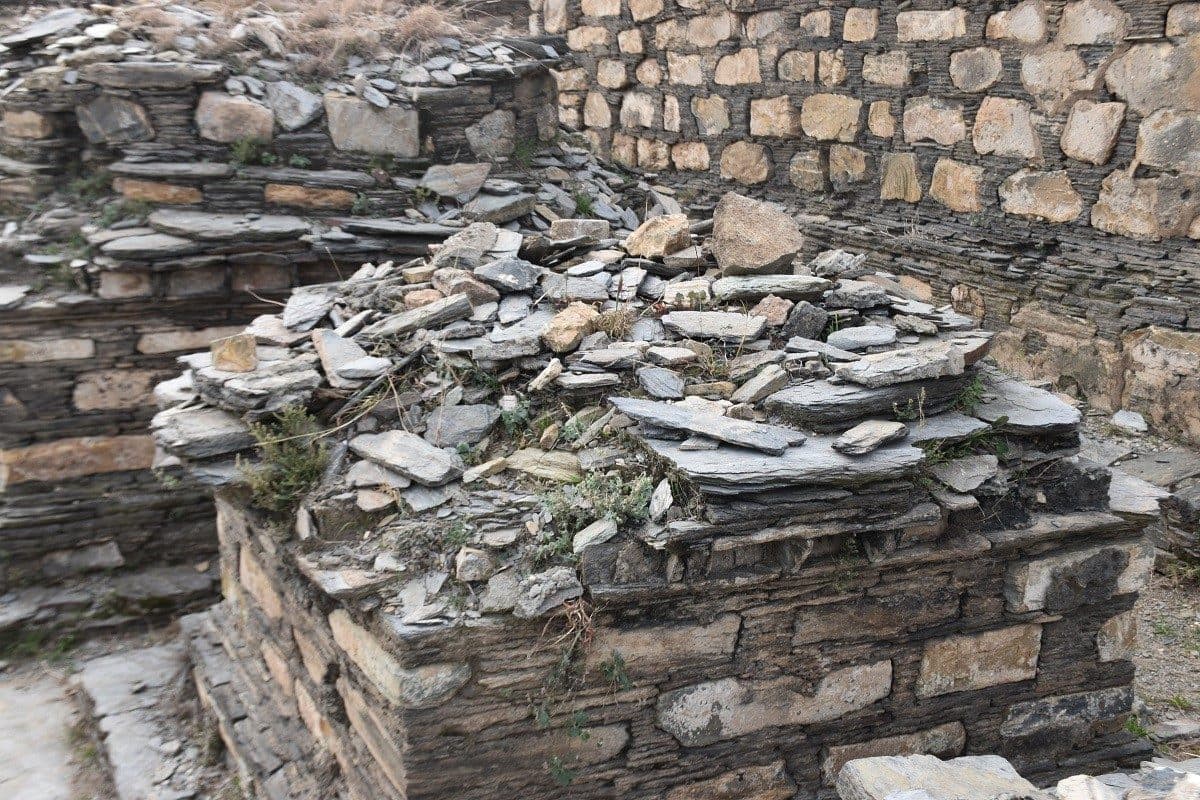
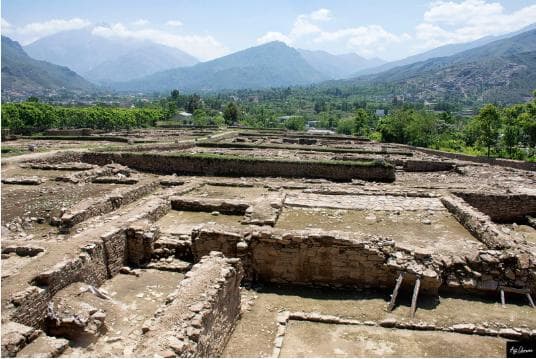
The Nemogram Stupa, located in the Swat Valley of Pakistan, is an important archaeological site.
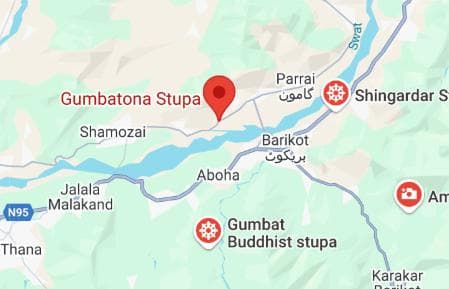
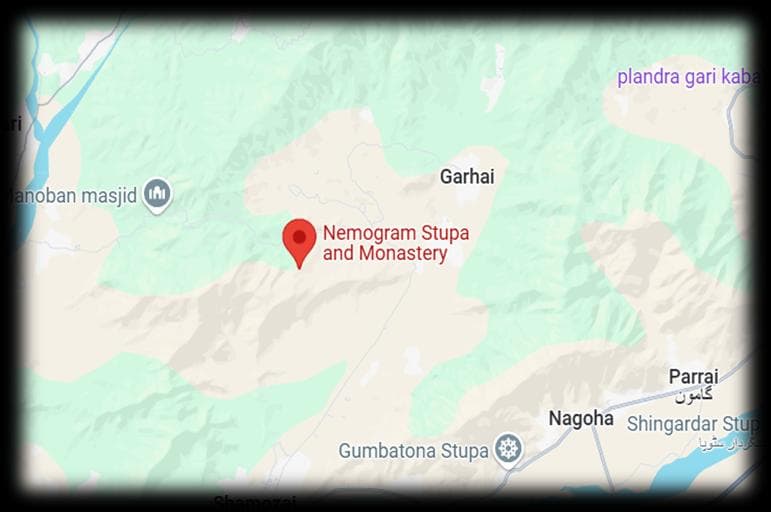
Situated 45 km west of Saidu Sharif and 22 km from Birkot, it was discovered in 1966 and excavated in 1967–68. The site consists of three main stupas aligned from north to south, along with 56 smaller stupas. A monastery lies to the west of the stupas. The construction of these stupas' dates back to the 2nd-3rd century AD, based on coins from the Kushana period found during excavation. Numerous sculptures depicting scenes from Buddhist mythology, as well as pottery from the Scytho-Parthian period, have been discovered and are now displayed in the Swat Museum. The site is significant for its cultural and historical contributions to the understanding of ancient Buddhism in the region.
Why go
The Nemogram Stupa in Swat is currently under preservation by the Khyber Pakhtunkhwa Directorate of Archaeology & Museums, with restricted public access to protect its integrity. While the site remains undeveloped for tourism, efforts focus on safeguarding its archaeological significance. Limited infrastructure and conservation challenges hinder broader visitor engagement.
Planning tip
Best Time to Visit, Year-round; confirm local conditions and any festival dates before travel.
Getting there, In or near Swat, Khyber Pakhtunkhwa; confirm current local access before visiting.
Straight-line distance from Nemogram Stupa, within 30 km.