
Loading…
Field guides / Khyber Pakhtunkhwa / Bazira, Barikot
Field guide · Heritage
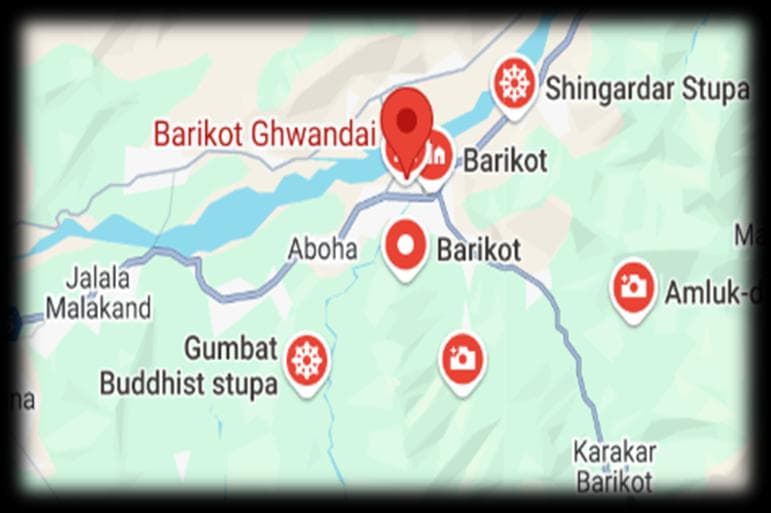
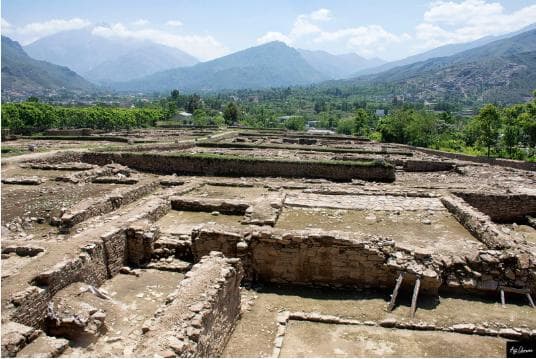
Barikot, located in Swat Valley, Khyber Pakhtunkhwa, Pakistan, is an ancient town that was home to the city of Bazira, captured by Alexander the Great.
Archaeological evidence traces human presence back to 1700 BC, with Chalcolithic, Bronze, and Iron Age remains uncovered through excavations since 1984. The site has revealed several historical layers, including Achaemenid, Mauryan, Indo-Greek, and Kushan influences, highlighting its importance as a cultural crossroads. Notably, the discovery of an apsidal Buddhist temple dating to the 3rd century BC, during Emperor Ashoka’s reign, confirms the early presence of Buddhism in the region. Barikot’s evolution reflects the diverse cultural and religious influences of Greek, Persian, and Indian civilizations, particularly along the Silk Road. However, the town was eventually abandoned by the 3rd century AD, likely due to earthquakes and the decline of the Kushan Empire.
Why go
The Bazira (Barikot) archaeological site is currently under protection and active excavation, with ongoing research and conservation efforts led by Italian and Pakistani archaeologists in collaboration with the Khyber Pakhtunkhwa Directorate of Archaeology & Museums. While accessible to researchers, public access may be restricted in certain areas to preserve the site's integrity. Long-term preservation and tourism development remain key priorities.
Planning tip
Best Time to Visit, Year-round; confirm local conditions and any festival dates before travel.
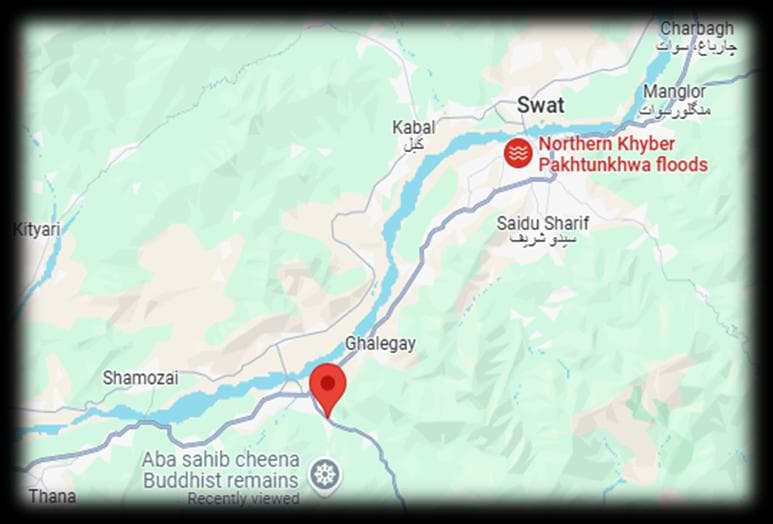
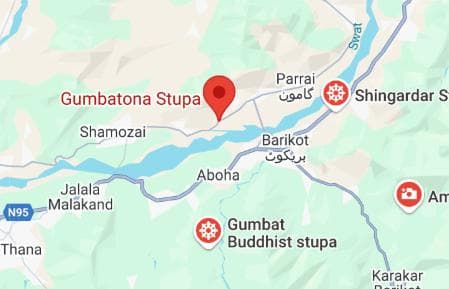
Getting there, In or near Swat, Khyber Pakhtunkhwa; confirm current local access before visiting.
Straight-line distance from Bazira, Barikot, within 30 km.