
Loading…
Field guides / Khyber Pakhtunkhwa / Abba Sahib Cheena
Field guide · Heritage
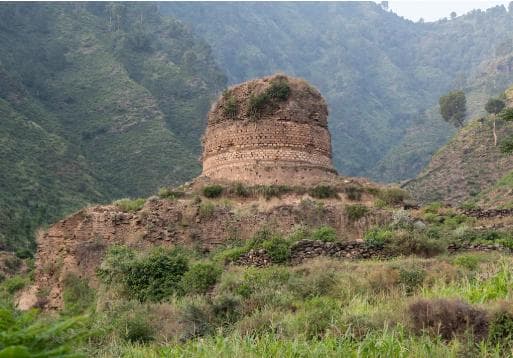
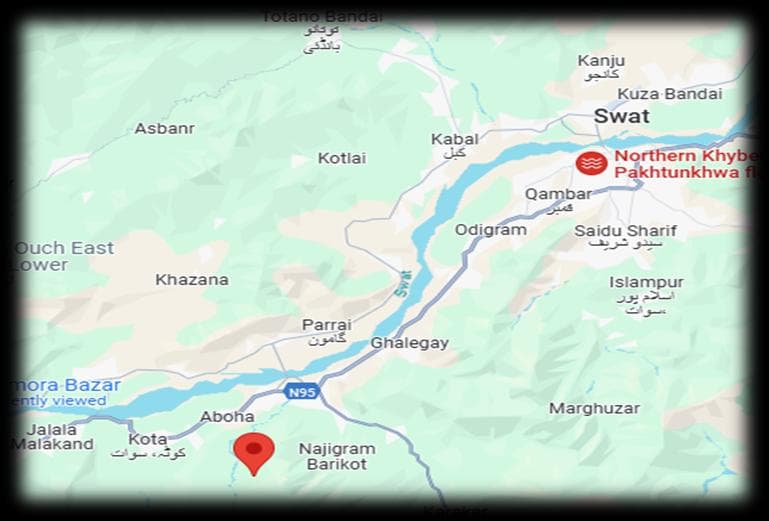
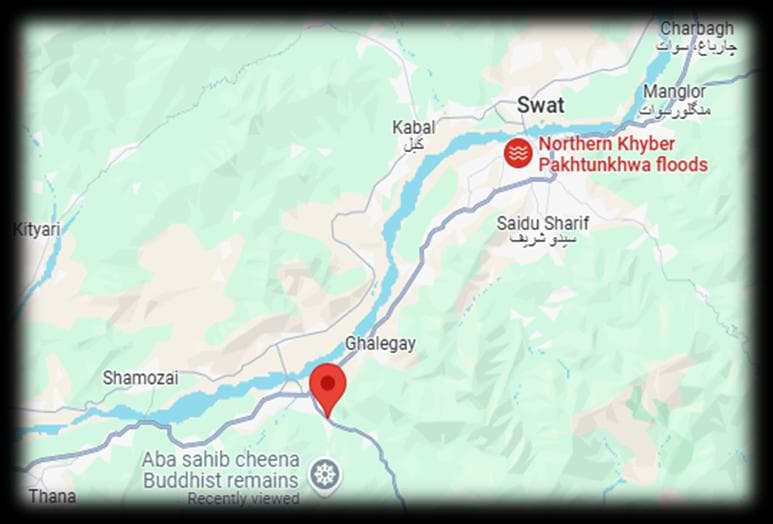
The Abbasahebchina Buddhist complex in Swat Valley is a major Kusana-period (1st–3rd century CE) monastic site near Najigram.
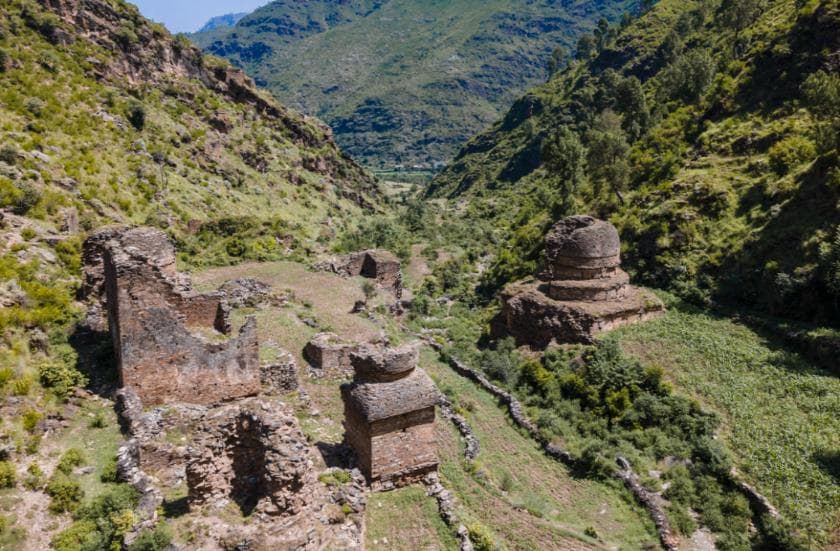
It features three main stupas (A, B, C), viharas (D, F, M1–M4), and a central courtyard on terraced slopes divided by a stream. Stupa A is the largest, with a Corinthian-decorated base and dome damaged by treasure hunters. Stupa B holds rare painted Buddha reliefs; Stupa C is linked to meditation and monastic use. Barrel-vaulted cells, triangular niches, and a likely connecting bridge indicate a planned ceremonial-residential layout. The complex follows Gandhāran architectural styles with significant ritual and residential importance. The site reflects a spiritually vibrant and architecturally advanced Buddhist monastic life.
Why go
Abba Sahib Cheena’s painted stupas and vaulted cells—a Kusana-era monastic masterpiece— decay unguarded in Swat’s hills. Emergency measures could save its unique art while training locals as heritage stewards.
Planning tip
Best Time to Visit, Year-round; confirm local conditions and any festival dates before travel.
Getting there, In or near Swat, Khyber Pakhtunkhwa; confirm current local access before visiting.
Straight-line distance from Abba Sahib Cheena, within 30 km.