
Field guides / Balochistan / Makran Coast / Astola Island
Field guide · Coast
Gwadar
Gwadar District · Balochistan, Pakistan
Astola Island
Pakistan's largest offshore island and first Marine Protected Area: golden cliffs, clear water and turtle beaches, three hours by boat from Pasni.
Astola Island, also called Jezira Haft Talar, the 'Island of the Seven Hills', is Pakistan's largest offshore island: a flat-topped, uninhabited tableland of golden cliffs in the Arabian Sea, about 35 km southeast of the fishing town of Pasni on the Makran coast. Reached only by boat, it has clear water, coral patches, and beaches where endangered green and hawksbill turtles come ashore to nest. In 2017 it became Pakistan's first Marine Protected Area.
Quick facts
- Where
- Arabian Sea, about 35 km southeast of Pasni, Gwadar District, Balochistan
- Size
- About 6.7 km²; highest point about 75 m
- Getting there
- Boat from Pasni, about 3 hours each way
- Best time
- October to March (calm seas)
- Facilities
- None: no fresh water, shops or shelter
- Protected status
- Marine Protected Area (2017); Ramsar wetland (2001)
Why go
- ✦Pakistan's largest offshore island
- ✦First Marine Protected Area
- ✦Green and hawksbill turtle nesting
- ✦Snorkelling over coral and reef fish
- ✦Camping under dark skies
About
Astola covers about 6.7 square kilometres and rises to only 75 metres at its highest point, a plateau of low hills ringed by cliffs and small coves. There are no trees, no fresh water and no permanent settlement; fishermen use it as a seasonal base, and it stands empty from June to August, when rough seas and the fishing off-season keep boats away. That emptiness is the draw: dark skies, a silent shoreline and some of the clearest water on Pakistan's coast.
History
The island has been known to sailors for more than two thousand years. Arrian's account of Admiral Nearchos's voyage for Alexander the Great, around 325 BC, describes an uninhabited island off this coast, called Nosala, that frightened his sailors. Hindus know it as Satadip, and the ruins of an old Hindu temple of the goddess Kali stand on the island. A small mosque dedicated to Pir Khawaja Khizr is used by fishermen in season, and a solar-powered lighthouse has guided boats since the 1980s.
Geography and Surroundings
Astola lies about 25 km off the nearest mainland and 35 km southeast of Pasni. Its climate is hot and dry, moderated by the sea: winter days are about 27–29°C, and it rains less than 30 mm a year. The island is a Ramsar wetland of international importance as well as a Marine Protected Area, home to the endemic Astola viper and to breeding shorebirds such as curlews, plovers and gulls.
What Visitors Will See
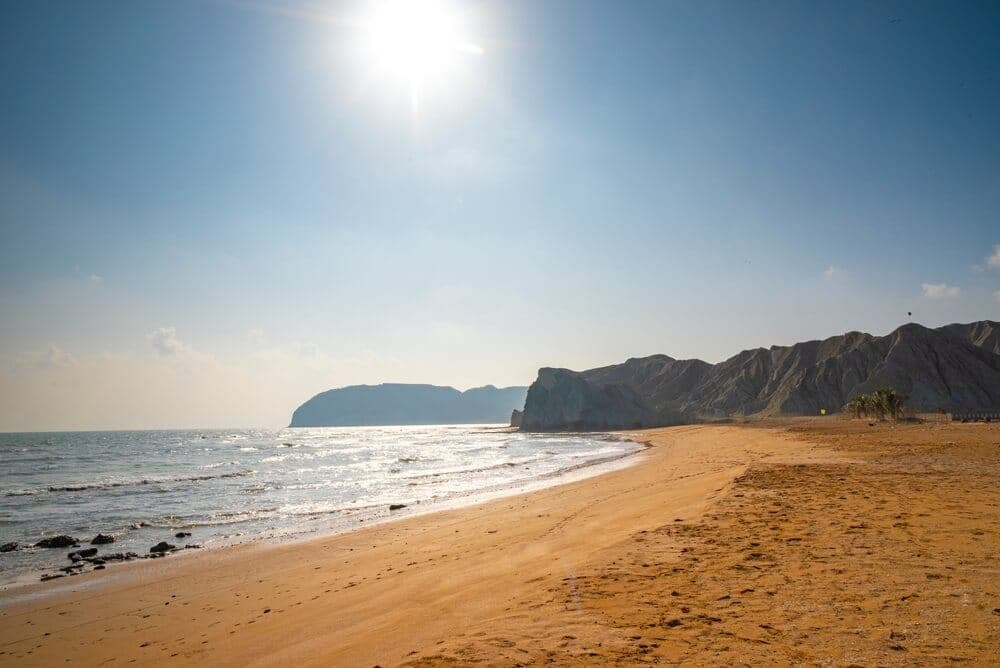
- Golden sandstone cliffs and small sandy coves
- Clear water over coral patches, with reef fish and lobster
- Turtle nesting beaches at the foot of the cliffs (seasonal; keep your distance)
- The ruins of a Hindu temple and a small fishermen's mosque
- Shorebirds along the tideline
- Night skies with no light pollution
Why Visit
Few places in Pakistan feel as remote as Astola. A boat ride from Pasni brings you to an island with no roads, no buildings to speak of and no other visitors on most days: just cliffs, clear water and, if you camp overnight, one of the darkest skies on the coast.
Climate and Seasons
Hot and dry all year, cooled by the sea. Winter (December to February) brings days of about 27–29°C and calmer seas; summer is hotter and the monsoon makes the crossing rough. The little rain there is falls mostly between November and March.
How to Reach
Pasni lies on the Makran Coastal Highway (N-10) between Karachi and Gwadar. From Pasni, boats are hired from local fishermen or arranged by a tour operator; the crossing takes about three hours, depending on the sea. Departures follow the tide at Pasni, so plan around the boatman's timing. There is no jetty, shelter or fresh water on the island: bring everything you need, including drinking water, food and camping gear.
Responsible Travel
Astola is a Marine Protected Area. Do not disturb nesting turtles or their eggs: no lights on the nesting beaches at night and no walking on marked nests. Carry out every piece of rubbish, do not collect coral or shells, and leave no food behind; introduced cats already threaten the island's birds.
Interesting Facts
- Pakistan's largest offshore island, at about 6.7 km²
- Declared Pakistan's first Marine Protected Area in June 2017
- A Ramsar wetland of international importance since 2001
- Home to the Astola viper, a snake found nowhere else
- Mentioned in accounts of Alexander the Great's fleet, around 325 BC
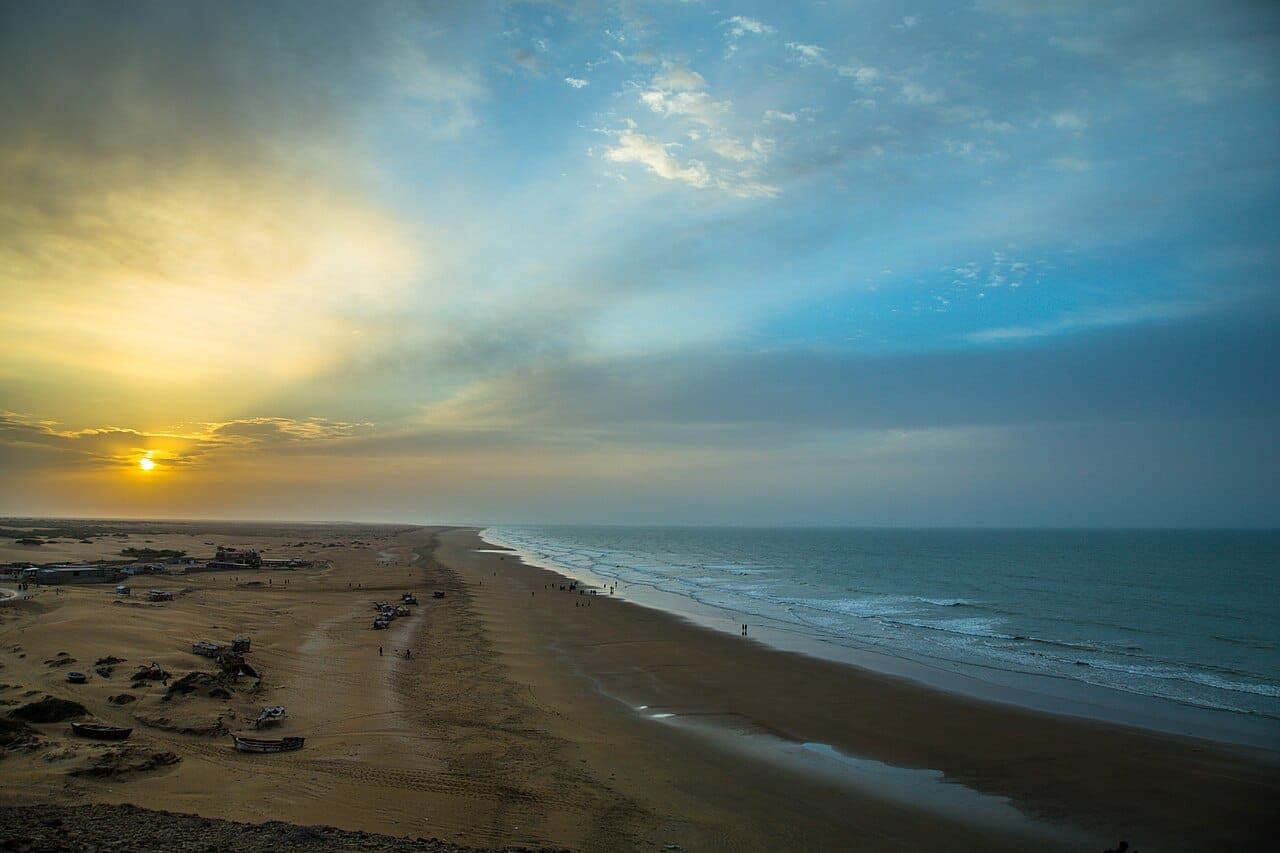
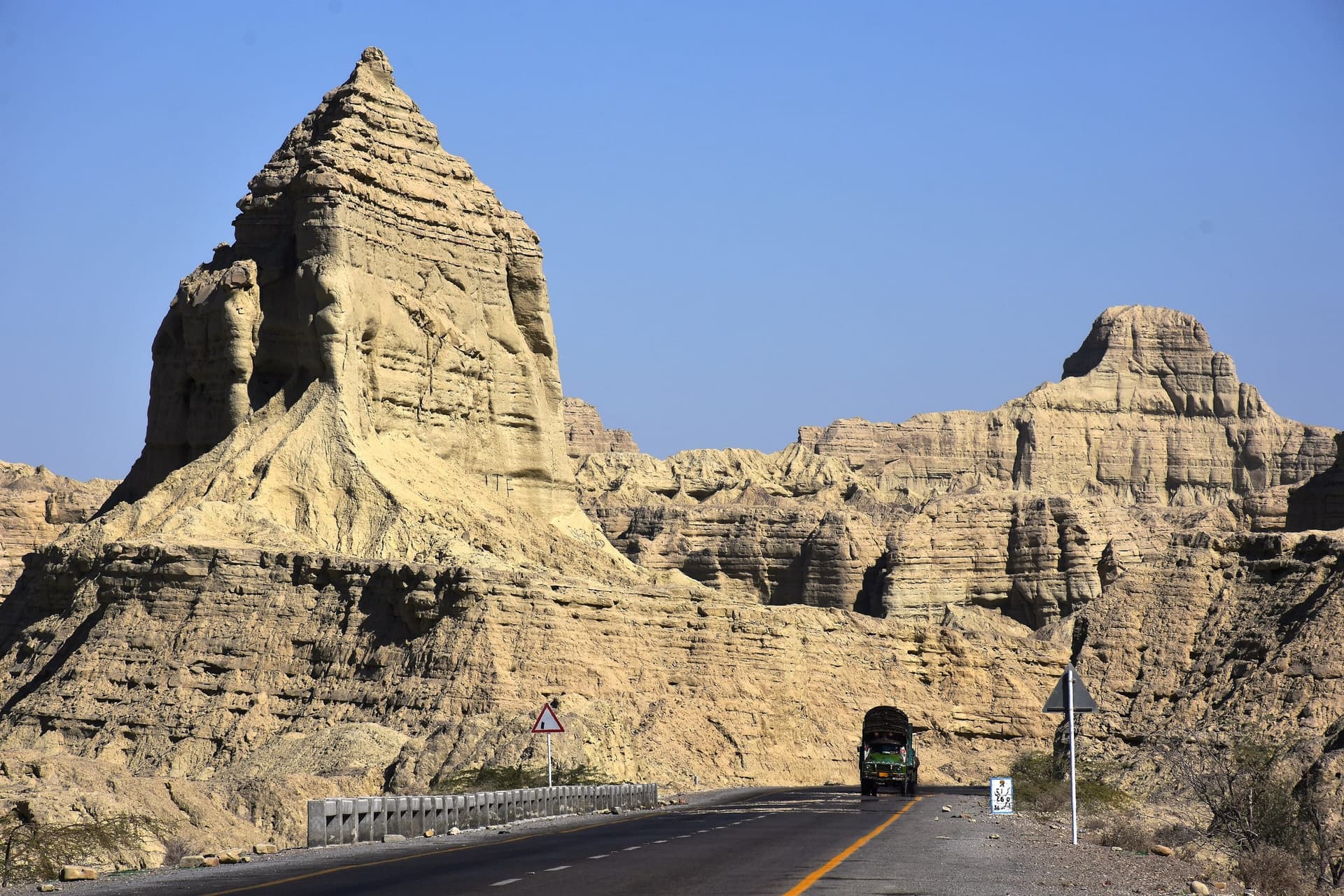
Astola Island in pictures
Photos: Sakina Nazia · CC BY-SA 4.0 (6 photos). Each photo's own credit and licence link is shown when you open it.
Planning tip
Best Time to Visit, October to March, when the sea is calmest; avoid June to August, when rough seas stop most crossings.
Getting there, By boat from Pasni on the Makran coast, about three hours each way depending on the sea and the tide. Boats are arranged with local fishermen or a tour operator.
Allow, A long day trip is possible in calm seas, but an overnight camp on the island is the real experience.
What to Do
Questions travellers ask
+How do you get to Astola Island?
Travel to Pasni on the Makran Coastal Highway, then take a boat from Pasni; the crossing takes about three hours, depending on the sea and the tide. Boats are arranged with local fishermen or through a tour operator.
+Can you stay overnight on Astola Island?
Yes, by camping. There is no accommodation, fresh water or shop on the island, so bring tents, drinking water and food, and take all rubbish back with you.
+When is the best time to visit Astola Island?
October to March, when the sea is calmest. From June to August rough seas stop most boat trips and the island is left empty.
+Can you see turtles on Astola?
Green and hawksbill turtles nest on its beaches. If you see nests or hatchlings, keep well back, use no lights on the beach at night and never touch eggs or young turtles.
Nearby
Straight-line distance from Astola Island, within 5 km.
Nothing else genuinely close by (within 5 km of Astola Island) is published yet.