
Field guides / Balochistan / Hingol National Park
Field guide · Nature
Hingol National Park
UNESCO tentative cultural landscape and one of Pakistan's major coast-desert national parks.
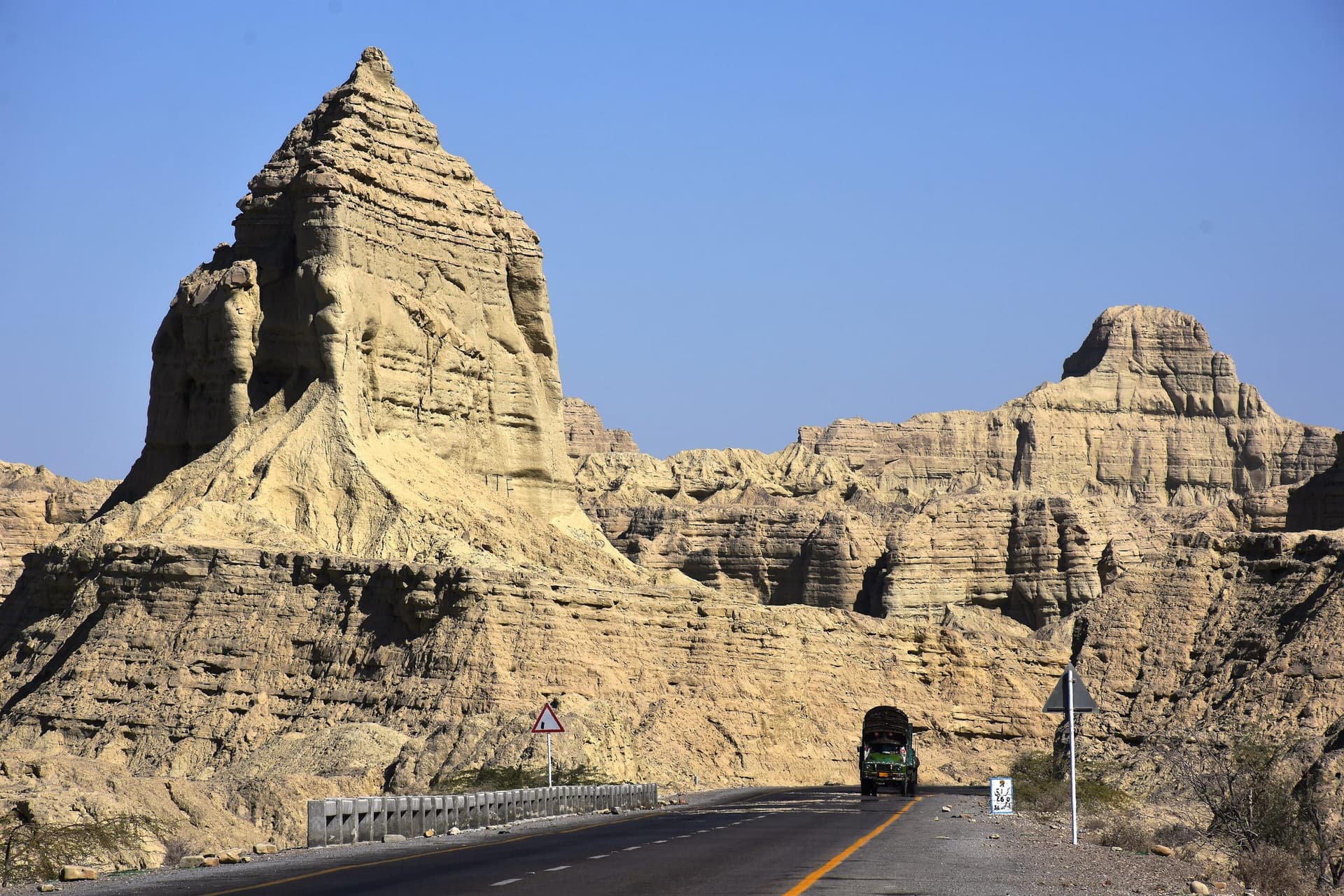
Hingol is the largest national park in Pakistan by some measures and one of its most surreal landscapes, a vast expanse of Balochistan coast and badlands where the Hingol River meets the Arabian Sea. It is a land of wind-carved mud mountains, the towering natural rock sculpture known as the Princess of Hope, the mud volcanoes of Chandragup sacred to Hindu pilgrims, and a wildlife refuge for the Sindh ibex, urial, chinkara gazelle, and even rumours of the elusive Balochistan leopard. The Makran Coastal Highway runs straight through its heart.
Why go
- ✦The Princess of Hope rock formation
- ✦Chandragup mud volcanoes
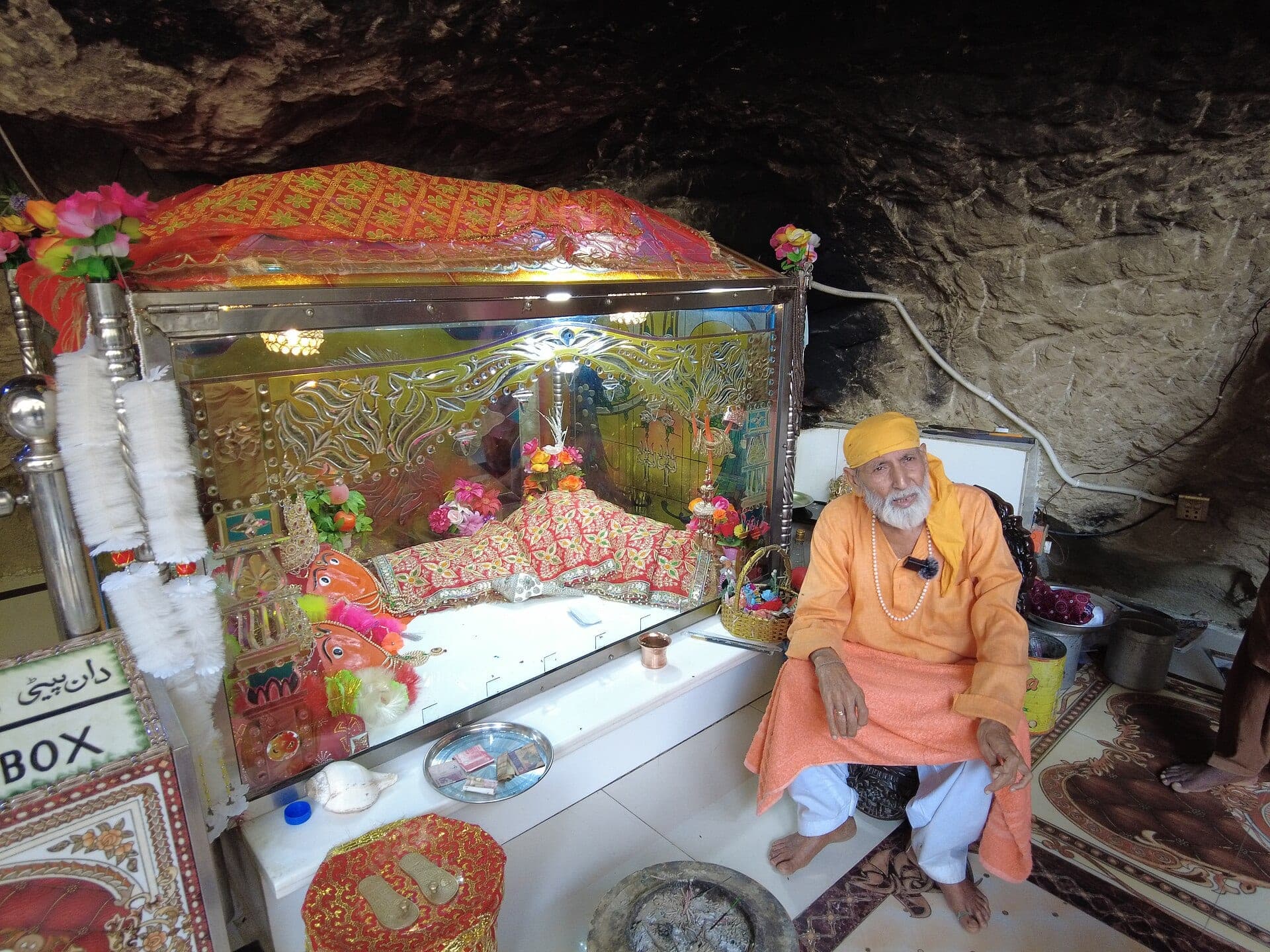
- ✦Hinglaj Mata temple
- ✦Sindh ibex and urial
- ✦Makran badlands and river gorge
A Landscape Like No Other
Hingol's badlands look almost lunar, ridges and pinnacles of pale wind-eroded mud stretching to the horizon, sculpted into shapes that travellers have named, most famously the Princess of Hope, a slender natural figure made famous by visiting celebrities. The Hingol River cuts a green gorge through it before reaching the sea.
Sacred Ground
The park holds two of the most important Hindu pilgrimage sites in Pakistan: the Hinglaj Mata temple in a cave in the river gorge, and the Chandragup mud volcanoes, which pilgrims climb to offer to the deity before continuing to the shrine. The annual Hinglaj Yatra draws thousands and is a remarkable cultural spectacle.
Wildlife and the Coast
Hingol protects healthy populations of Sindh ibex and urial on its crags, chinkara on the plains, and marine turtles on its beaches, with the coastline running on to Kund Malir and the wider Makran. Combine the badlands, the mud volcanoes, and a beach stop for one of the most varied day-trips in Pakistan.
Planning tip
Best Time to Visit, October to March for comfortable temperatures; the desert and coast are punishing in summer. The Hinglaj Yatra pilgrimage usually falls in spring.
Getting there, On the Makran Coastal Highway about 190 km west of Karachi, roughly a 3-4 hour drive, making it the most accessible wild landscape from the city. The main sights line the highway; side tracks need a 4x4.
Allow, A long day trip from Karachi for the highlights, or an overnight to explore deeper and reach Kund Malir.
What to Do
Nearby
Straight-line distance from Hingol National Park, within 5 km.