
Loading…
Field guides / Sindh / Gaj Valley
Field guide · Heritage
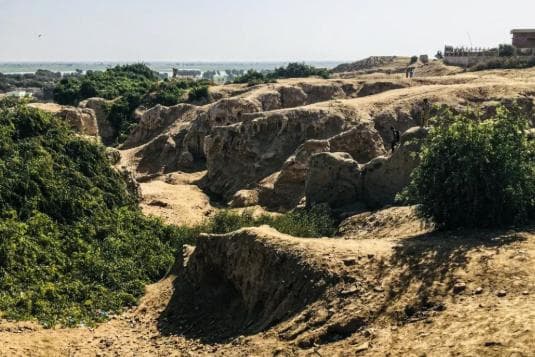
The Gaj Valley, located in the Jamshoro District of Sindh, is a historically rich but largely neglected Buddhist archaeological site.
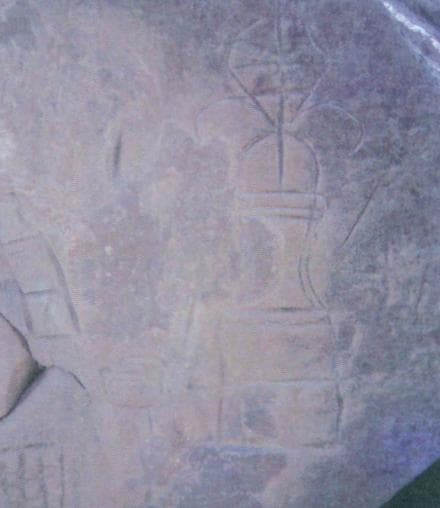
Nestled in the Kirthar Mountains near Sehwan, it holds remains from the Kushan and Gupta periods (1st–6th century CE). The valley contains ancient stupas, monastic ruins, and settlement mounds, with pottery fragments indicating a once- thriving Buddhist community. First documented by N.G. Majumdar in the 1930s, the stupas reflect Gandhara-style architecture and may have served as key spiritual and cultural hubs. The Chach Nama identifies this region as “Buddhia Pargano,” highlighting its Buddhist prominence. Sadly, erosion and human activity, like brick reuse, have damaged the site. No formal excavations have been done since Majumdar’s time. Urgent conservation and fresh archaeological
Why go
The Gaj Valley site is unexcavated and unprotected, with Buddhist remains deteriorating due to erosion and brick theft. No formal preservation has occurred since initial surveys in the 1930s. It is not under any current management authority.
Planning tip
Best Time to Visit, Year-round; confirm local conditions and any festival dates before travel.
Getting there, In or near Jamshoro, Sindh; confirm current local access before visiting.