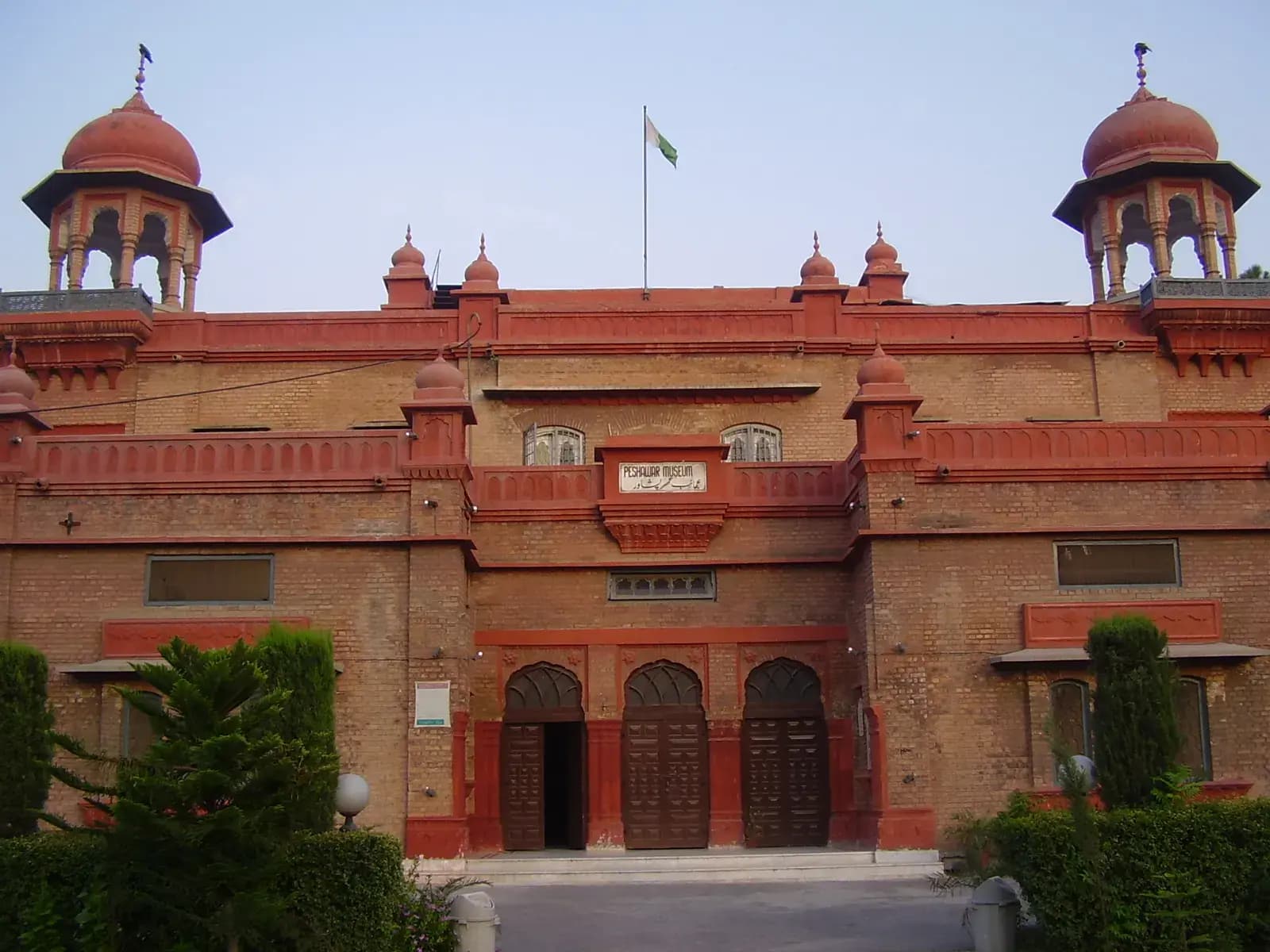

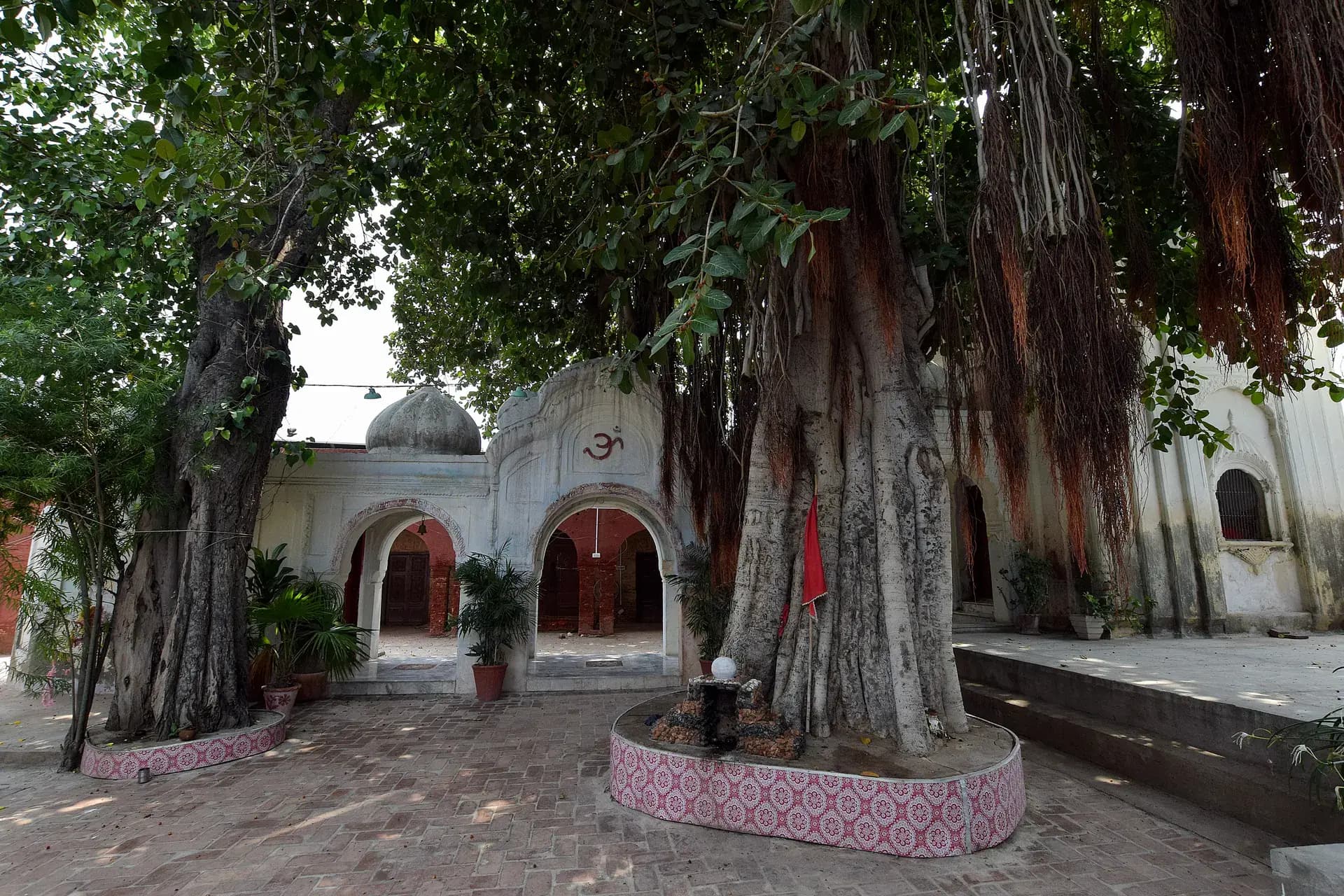
 Photo: Teseum · CC BY-SA 4.0
Field guides / Khyber Pakhtunkhwa / Peshawar / Gor Khatri
Field guide · Heritage
Peshawar
Peshawar District · Khyber Pakhtunkhwa, Pakistan
Gor Khatri
A layered archaeological complex in Peshawar's walled city, centred on a Mughal caravanserai courtyard and earlier sacred remains.
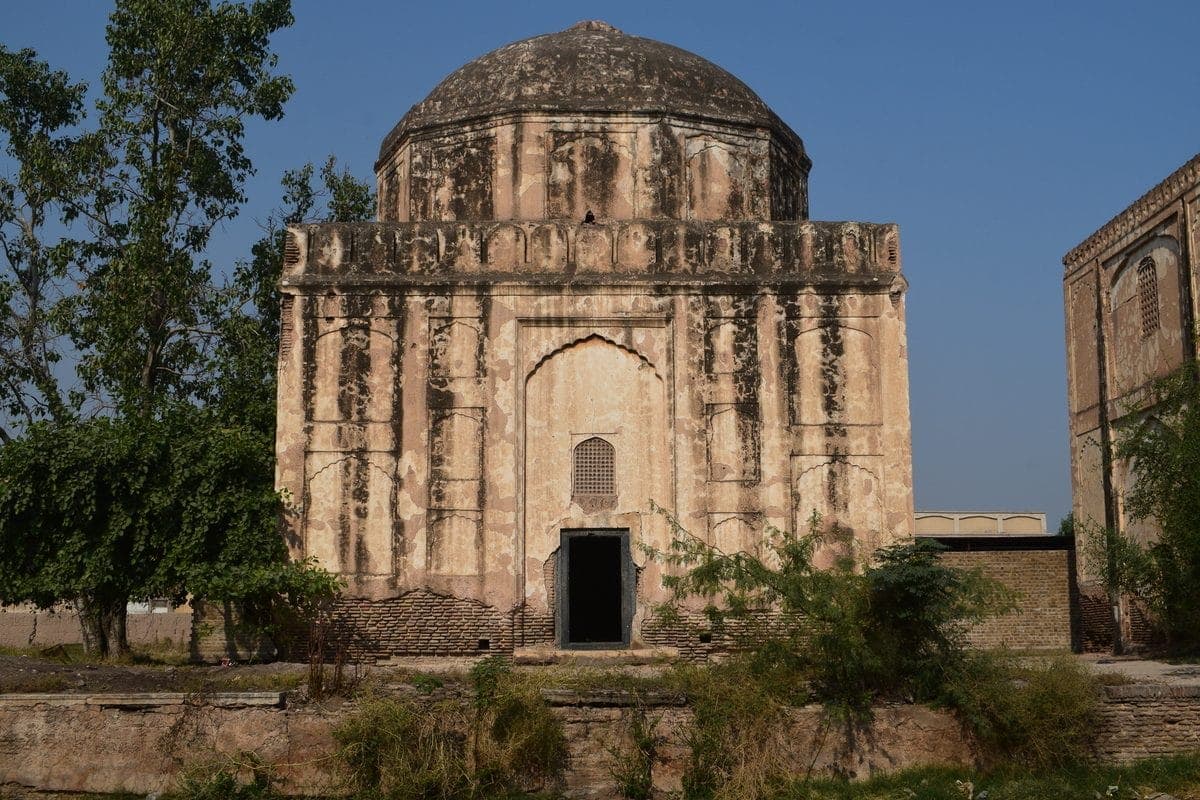
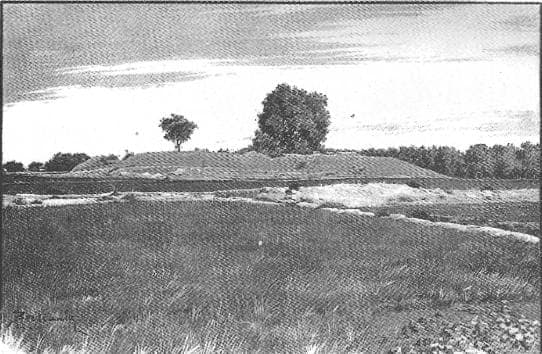
Gor Khatri is an archaeological and religious complex above Peshawar's old-city streets. Its large Mughal-period caravanserai, monumental gateways, temple precinct, later civic uses, and excavated layers tell a much longer story than a single monument. It is not Gorakh Hill Station in Sindh, and search must never substitute one for the other.
Why go
- ✦Mughal caravanserai gateways
- ✦Large historic courtyard
- ✦Gorakhnath temple precinct
- ✦Archaeological layers of old Peshawar
One Site, Many Historical Layers
Gor Khatri has served sacred, commercial, administrative, and archaeological roles across different periods. Read the surviving structures as layers rather than describing the entire complex as only a fort, temple, or caravanserai.
Explore It in Old-City Context
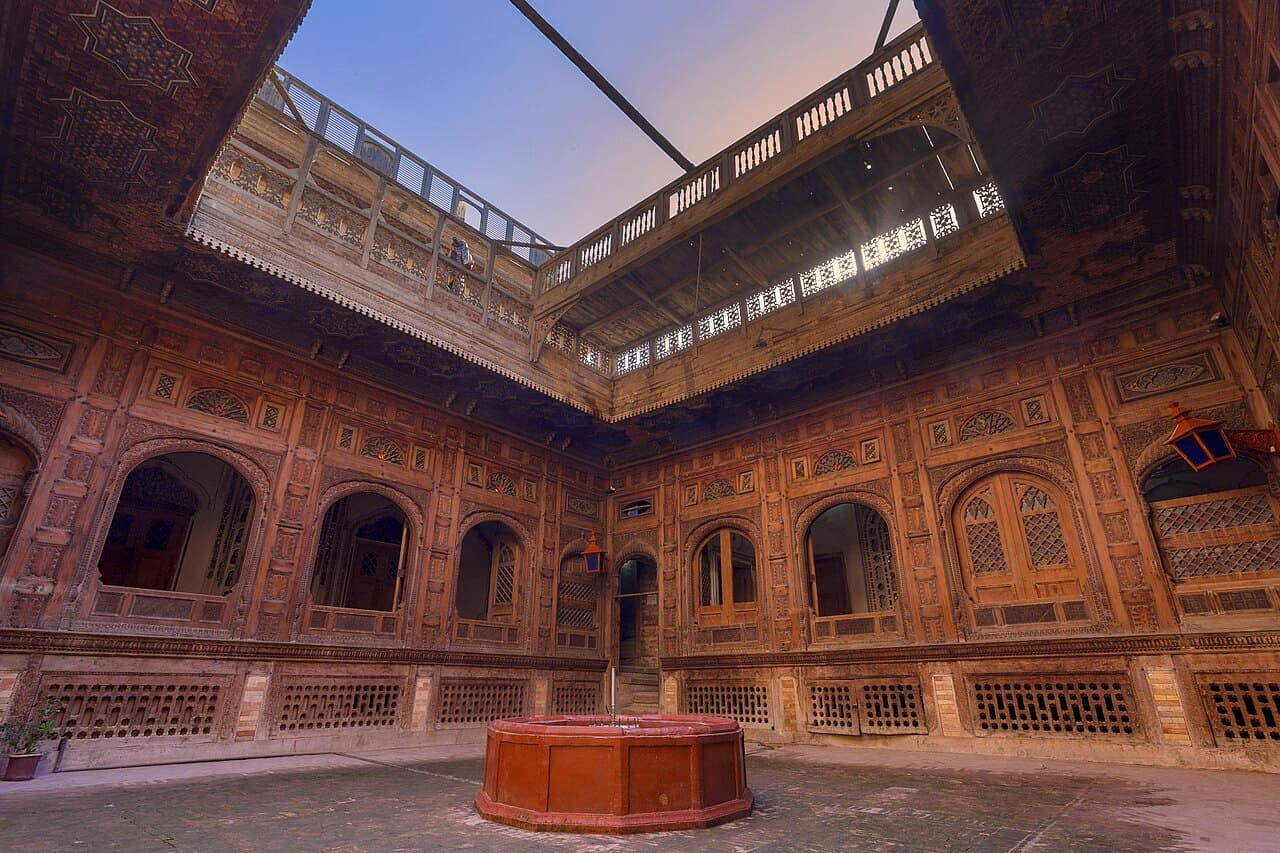
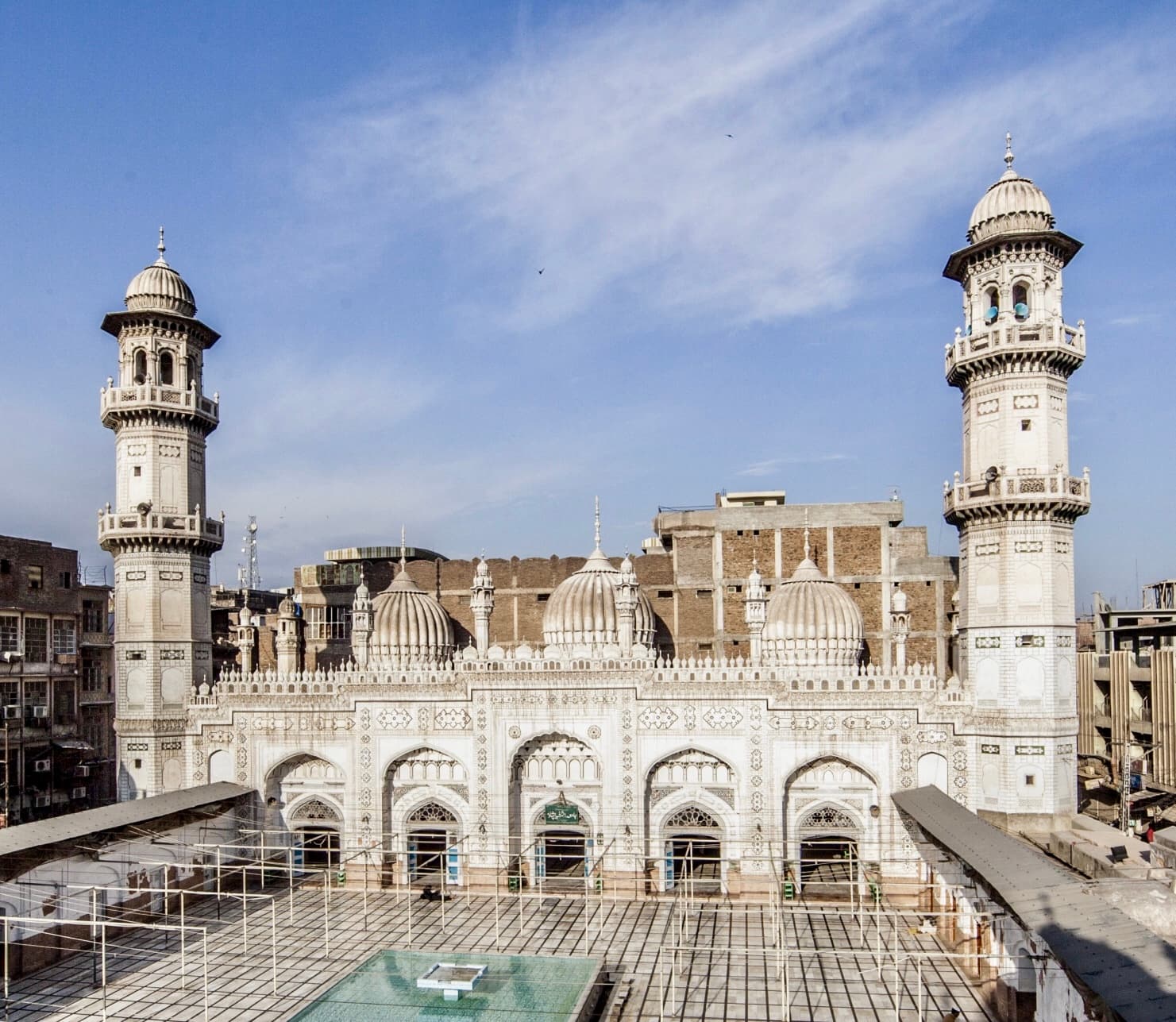
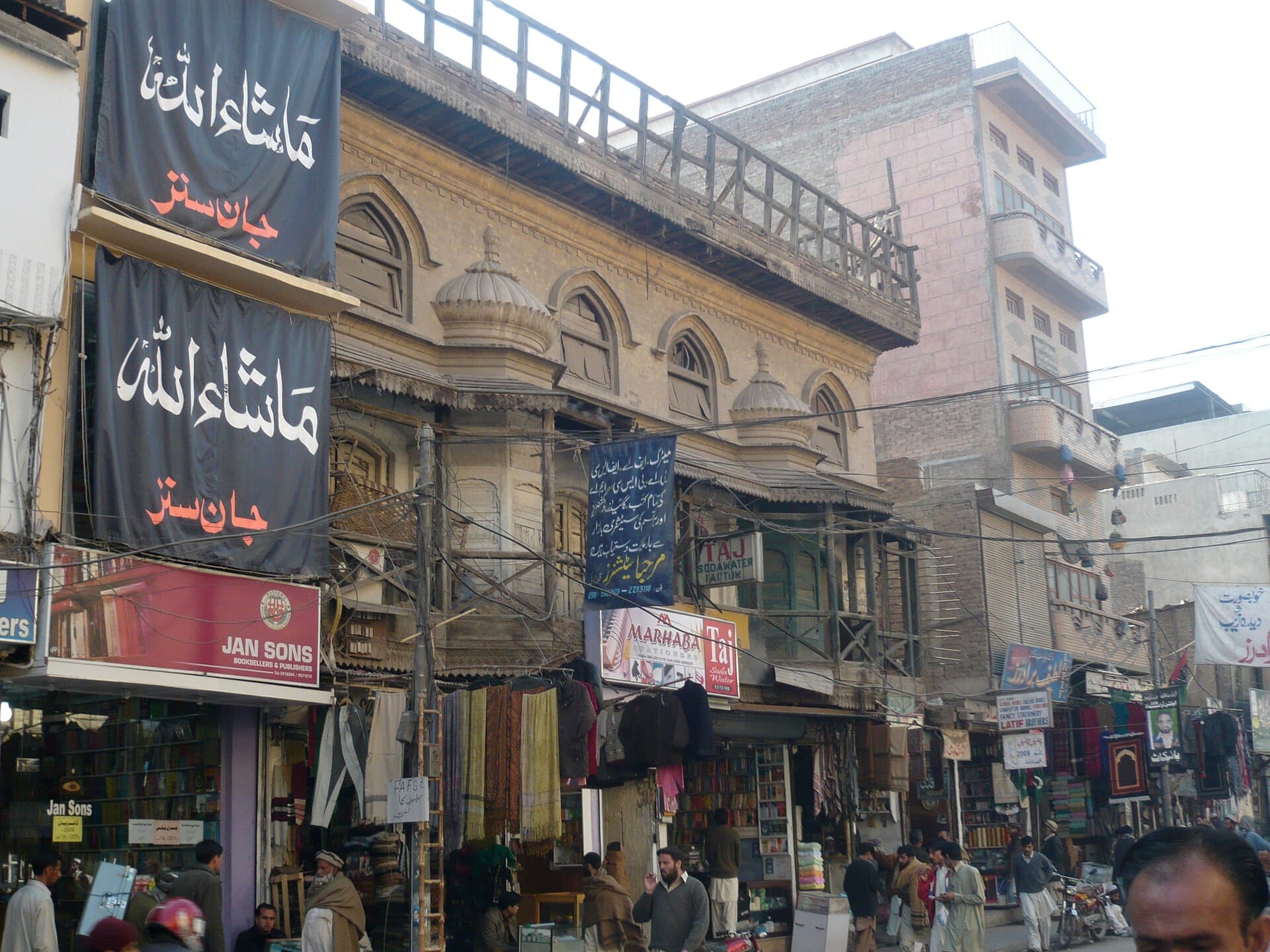
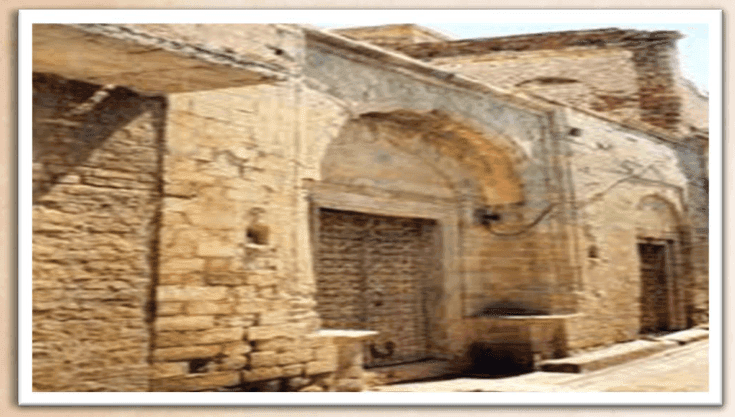
The surrounding lanes, Sethi-era houses, bazaars, and civic landmarks help explain why the caravanserai stood here. Combine these nearby places in one itinerary, visiting each at its own location.
Respect an Active Heritage Precinct
Parts of the complex retain religious and community significance. Dress and photograph considerately, follow on-site instructions, and avoid entering closed or conserved areas.
Planning tip
Best Time to Visit, October to April is most comfortable for walking through the old city. Visit in daylight and confirm current access before setting out.
Getting there, Approach through the walled city near Sethi Street and the clock-tower quarter. Congestion makes the final section better on foot or with a local driver familiar with the old streets.
Allow, One to two hours for the complex, and longer when combining it with nearby old-city architecture.
What to Do
Nearby
Straight-line distance from Gor Khatri, within 5 km.