
Field guides / Khyber Pakhtunkhwa / Kalasha Valleys Cultural Landscape
Field guide · Nature
Kalasha Valleys Cultural Landscape
Three Hindu Kush valleys, Bumburet, Rumbur, and Birir, home to the Kalasha people, their festivals, and a UNESCO tentative cultural landscape.
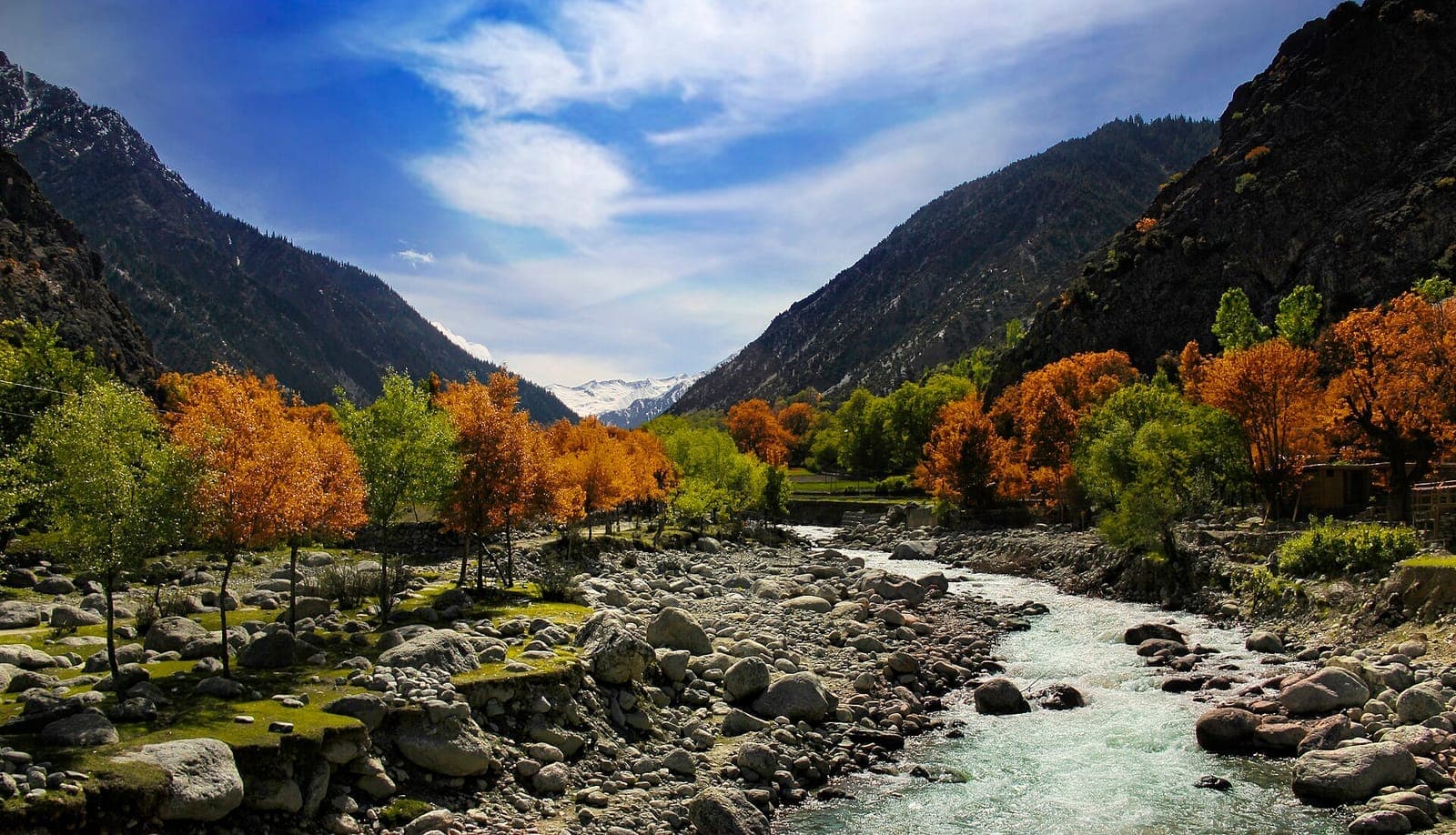
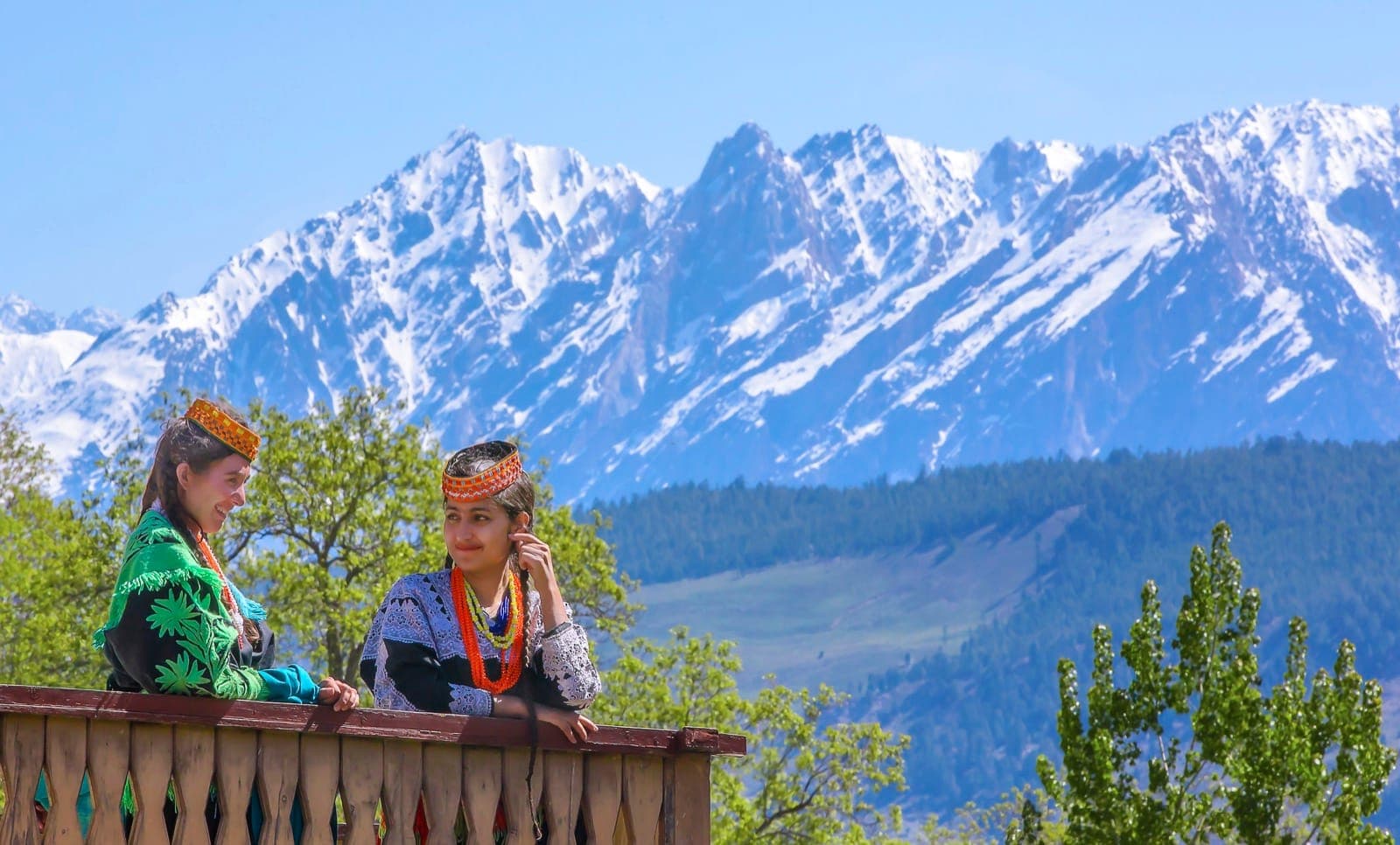
In the southern Hindu Kush near Chitral, the Kalasha valleys of Bumburet (Bumboorat), Rumbur, and Birir hold one of Pakistan's last continuously living indigenous cultures, wooden houses, goat paths, festival grounds, and a belief system older than the passes that surround them.
The Three Valleys
Bumburet is the main gateway, home to the Kalasha Dur Museum, the historic village of Batrik (ancient 10th-century capital of Rajawai), and the dancing grounds of Brun. Rumbur is narrower and more secluded, featuring Balanguru hamlet. Birir is the smallest and most traditional valley, famous for Guru hamlet's multi-tiered abodes.
Sacred Topography & Rituals
The Kalash landscape is anchored by holy spaces: Jeshtak-Han community halls decorated with animal figures for ancestral rites; Malosh outdoor sacrificial altars situated on village outskirts; and Bashali secluded streamside houses. High above the valleys sits the glacier lake of Bahuk at 4,000m under Tirich Mir, revered as the resting place of fairies and the migration destination for souls of ancestors.
Festivals and Respect
Zhoshi (spring, May 13-16), Uchaw (summer, Aug 22-23), Phoo (autumn, mid-Oct), and Chaumos (winter, Dec 10-23) celebrate agro-pastoral life with traditional dances and music. Photography and behaviour should follow strict local guidance: dress modestly, ask before taking photos, and travel with a guide who understands Kalasha etiquette.
UNESCO Cultural Landscape
Pakistan has inscribed the Kalasha Valleys on UNESCO's tentative list, a recognition of terraced fields, shrines, cemeteries, and the intertwined natural and spiritual landscape the community still maintains.
GreenPak on the Route
GreenPak Hotel Booni sits in upper Chitral, a practical base for Shandoor polo in summer and multi-day access to the Kalasha valleys. Green Tourism Pakistan also lists Bamboorat among its long-term investment destinations for future hospitality.
Planning tip
Best Time to Visit, May for Joshi (Chilimjusht) spring festival; August for Uchaw harvest; mid-October for Phoo; December for Chaumos winter rites. July brings the Shandur polo festival.
Getting there, Fly to Chitral, then drive roughly 20 km to Bumburet, the most visited valley. Rumbur and Birir are quieter side valleys. For a longer Chitral loop, base at GreenPak Hotel Booni and day-trip south to the Kalasha valleys.
Allow, One to three days when combined with nearby valleys.
What to Do
Nearby
Straight-line distance from Kalasha Valleys Cultural Landscape, within 5 km.