
Loading…
Field guides / Khyber Pakhtunkhwa / Gumbatai Site
Field guide · Heritage
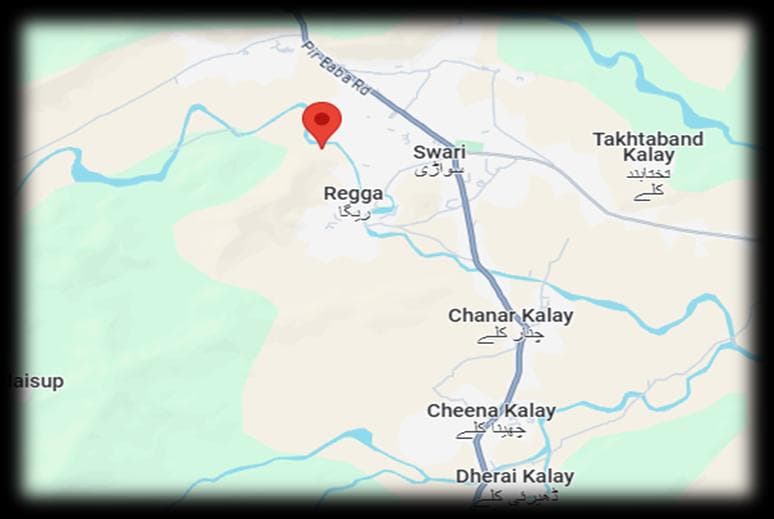
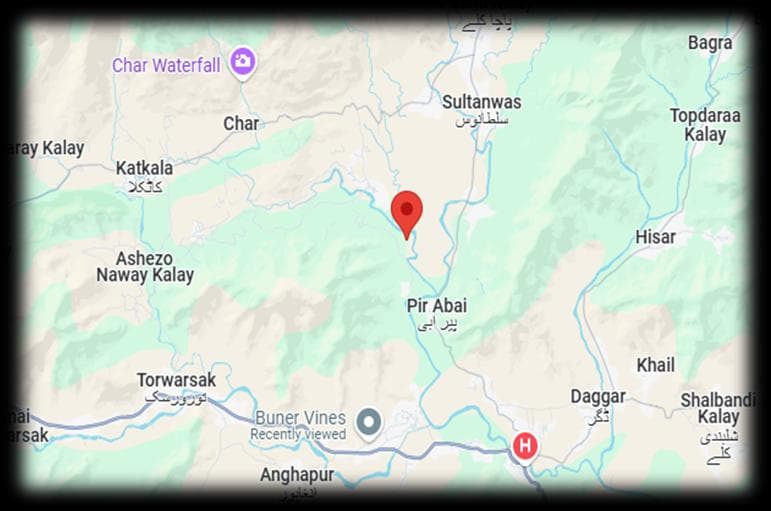
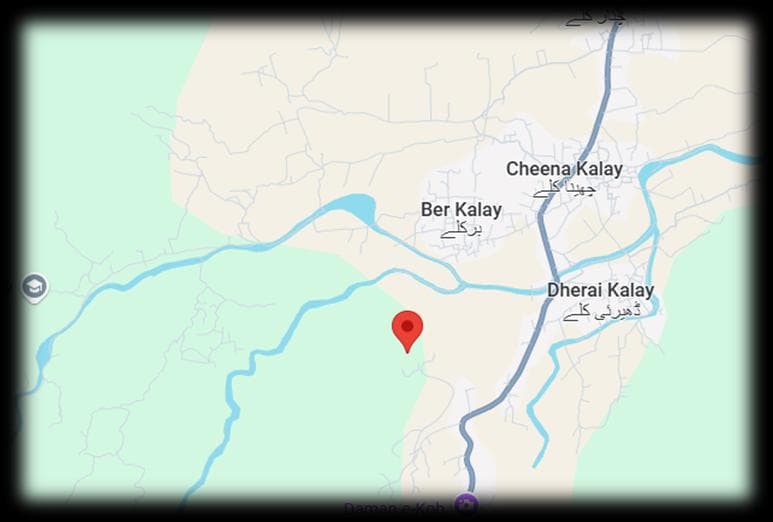
Gumbatai, located at the foot of Jaffar Hill between Tor-warsak (west) and Elai (east), was one of the most architecturally significant Buddhist monastic sites in Buner, as documented by Stein (1898).
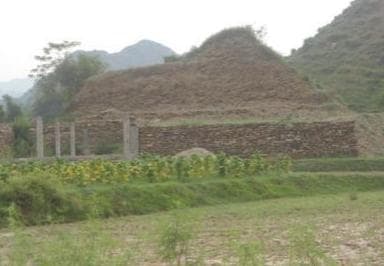
Spread across a broad open glen enclosed by rock ridges, Gumbatai featured a large stupa mound, terraced platforms, multiple chapel courts, quadrangular monastery walls, and small votive stupas. The site was so substantial that Stein identified it with XuánZàng’s “Mo-su Sangharama” monastery, marking it as a major stop on ancient Buddhist pilgrimage routes. Trial excavations revealed decorative stucco fragments and structural foundations typical of Gandharan monasteries. The site's architectural complexity suggested a large-scale monastery combined with pilgrimage facilities, likely active during the height of Gandharan Buddhism.
Why go
Gumbatai’s grand monastery—once XuánZàng’s ‘Mo-su Sangharama’—has been erased from existence under KP Archaeology’s watch, its stupas and chapels bulldozed into Gumbat Colony’s foundations, leaving only ghostly wall fragments peeking between modern homes. Only forensic archaeology of repurposed stones and oral histories from early settlers can now reconstruct this lost Gandharan pilgrimage hub.
Planning tip
Best Time to Visit, Year-round; confirm local conditions and any festival dates before travel.
Getting there, In or near Buner, Khyber Pakhtunkhwa; confirm current local access before visiting.
Straight-line distance from Gumbatai Site, within 30 km.