
Field guides / Khyber Pakhtunkhwa / Khyber Pass
Field guide · Heritage
Khyber Pass
The world's most storied mountain pass at 1,070 m, a 53 km corridor through the Hindu Kush connecting Pakistan to Afghanistan, traversed by Alexander the Great, Mughal emperors, and the British Army.
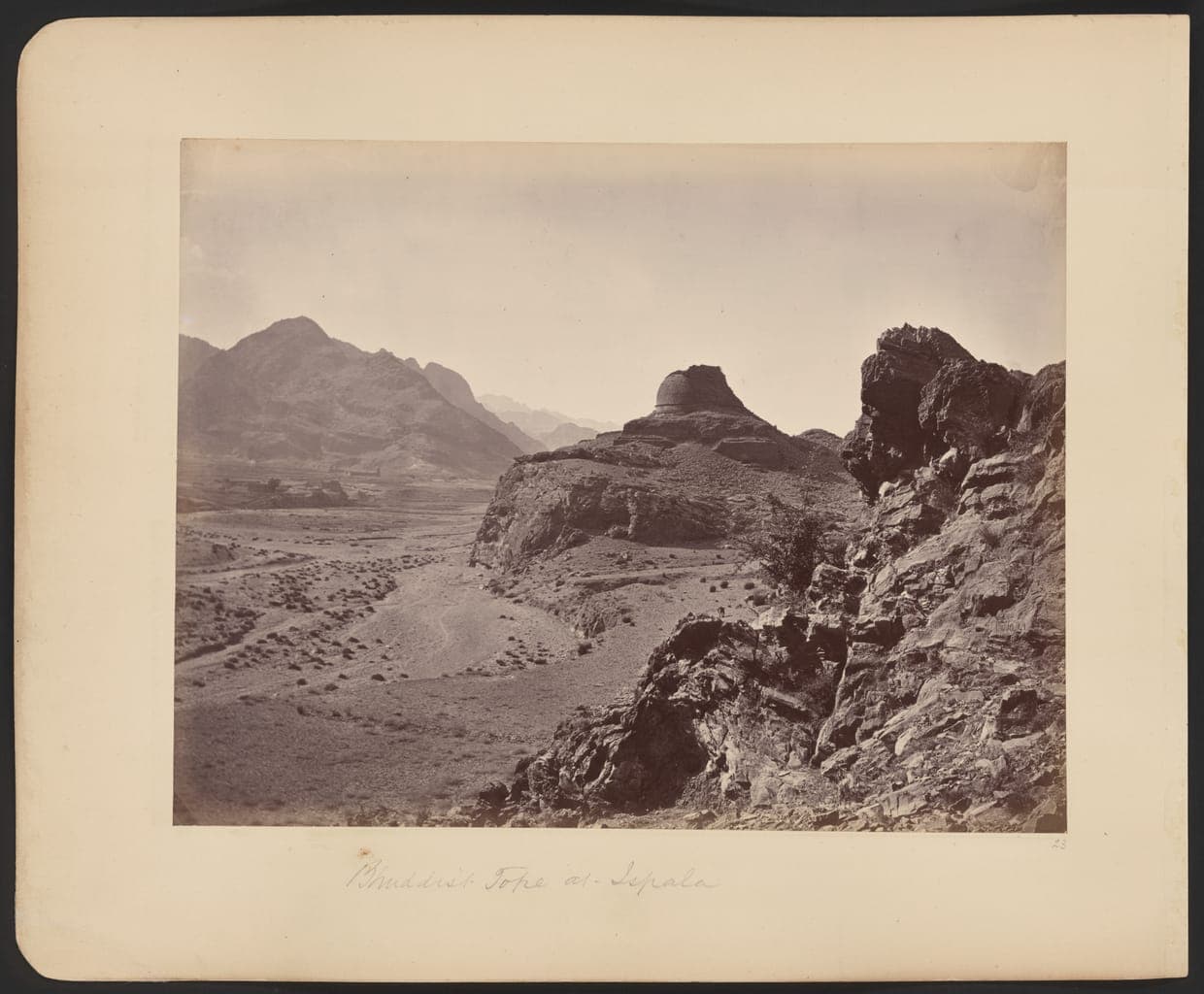
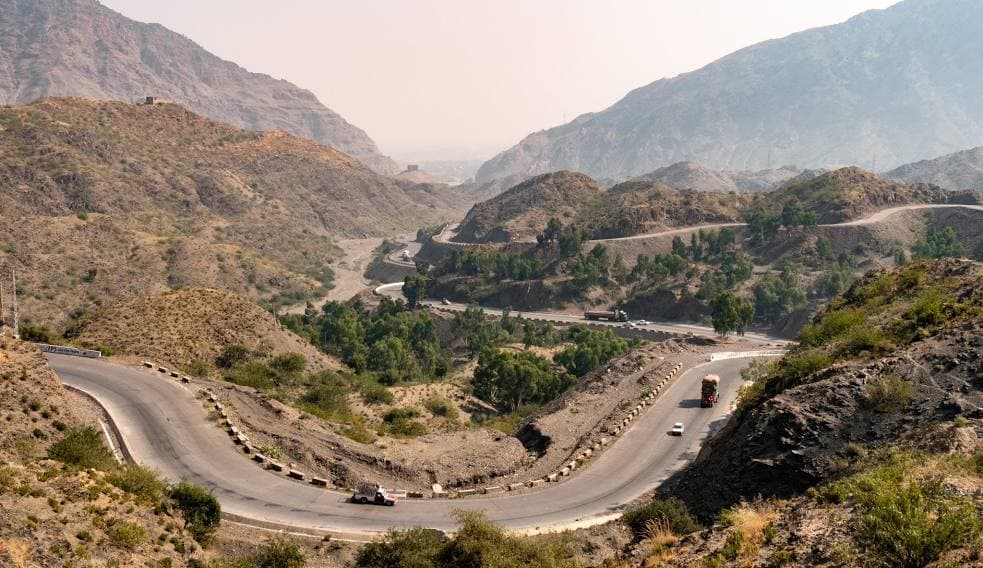
The Khyber Pass is the most historically important mountain pass in South Asia, a 53 km corridor at 1,070 m through the Hindu Kush linking Peshawar with the Afghan city of Jalalabad. Every major invasion of the subcontinent passed through here: Alexander the Great in 326 BCE, the Mughal emperor Babur, Nadir Shah, the British Army three times. Today the pass is accessible from Peshawar with permits, offering one of the most historically layered road journeys in Pakistan, forts, tribal towers, and the old Khyber Railway arched bridges visible at every turn.
Why go
- ✦Ali Masjid Fort, Mughal fortification overlooking the gorge
- ✦Khyber Railway arched viaducts and tunnels
- ✦Landikotal Bazaar at the Afghan border
- ✦Tribal towers and carved family emblems on compound walls
- ✦Jamrud Fort at the pass entrance
The Pass Road
The main road through the pass follows the gorge of the Khyber River, the terrain is dramatic, dry, and fortified at every strategic point. Jamrud Fort marks the entrance; Ali Masjid Fort (Mughal-era, substantially rebuilt) sits partway through the gorge. The road rises to Landikotal, the main town, before descending to the Torkham border crossing.
Khyber Railway Heritage
The Khyber Railway (1926-1982) is one of the engineering achievements of the colonial era, a metre-gauge railway climbing 1,000 m through 34 tunnels and 92 bridges. The line is no longer operational, but the viaducts and tunnel mouths are visible from the pass road and are UNESCO listed on Pakistan's tentative list.
Permit and Logistics
All visitors need a permit from the Khyber Pakhtunkhwa Home Department or Political Agent's office in Peshawar. GreenPak can arrange this through its Peshawar contacts with 48 hours' notice. The pass is open to foreign nationals in guided groups, solo travel without escort is not currently permitted.
Planning tip
Best Time to Visit, October to April is best for the pass road. Summer is hot; winter roads can be icy at higher points.
Getting there, 50 km from Peshawar city centre via the Grand Trunk Road (N-5) toward Torkham on the Afghan border. A permit is required, obtainable from the Political Agent's office in Peshawar with a day's notice. All visitors must be accompanied by a licensed guide or security escort. Pakistani nationals can often self-drive; foreign nationals require a confirmed escort.
Allow, Half-day from Peshawar, 4-5 hours including the road, viewpoints, and a stop at Ali Masjid Fort.
What to Do
Nearby
Straight-line distance from Khyber Pass, within 5 km.