
Loading…
Field guides / Punjab / Maharaja Ranjit Singh Birthplace
Field guide · Heritage
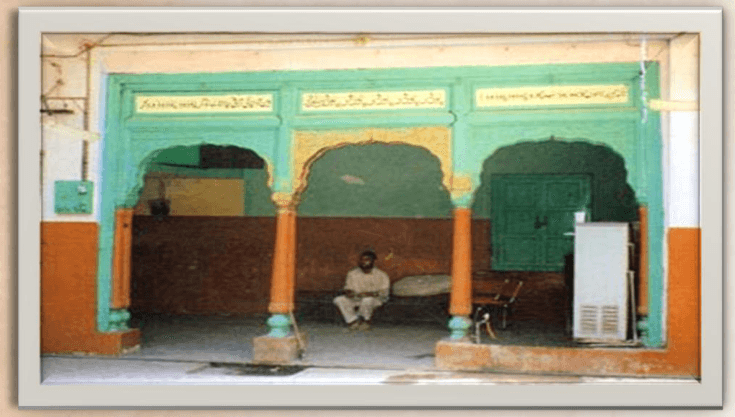
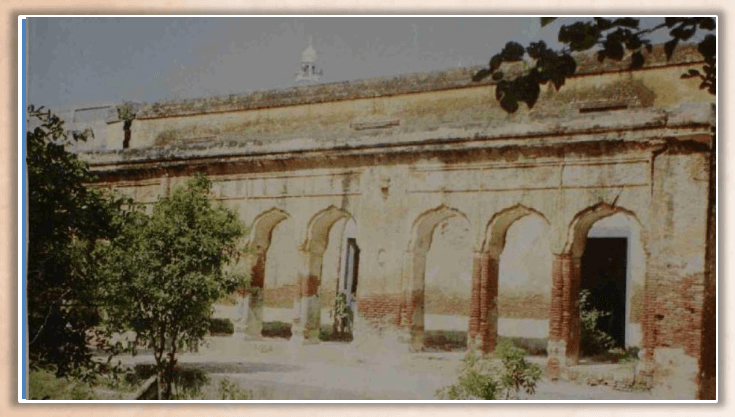
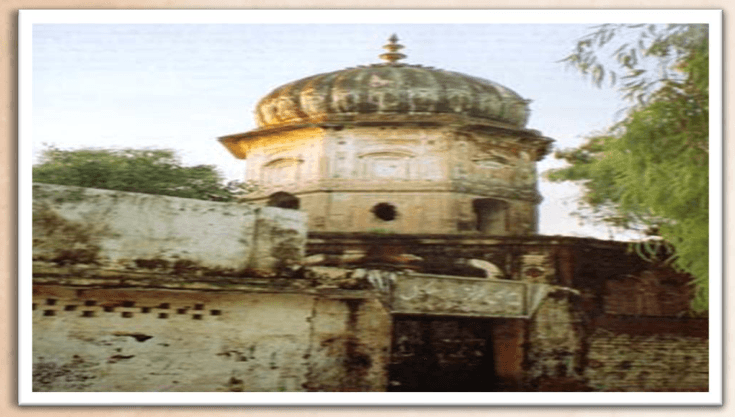
Ranjit Singh, the future leader of the Sikh Empire, was born in this stately haveli (mansion) on November 13, 1780.
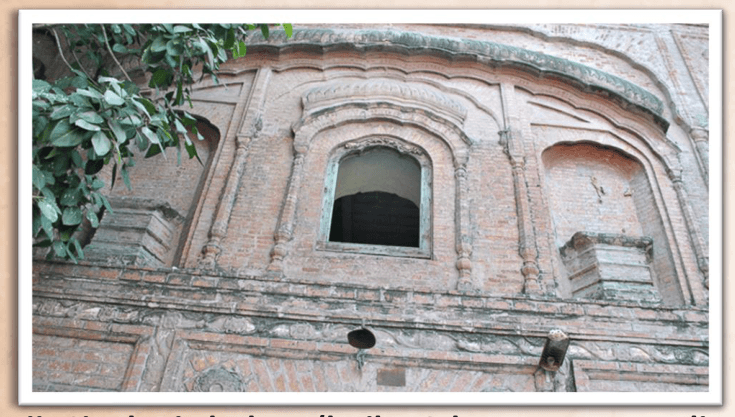
His father, Mahan Singh (1756-1792) was the leader of the Sukerchakia Misl, one of many small principalities that arose in the Punjab as Mughal rule faltered. Of necessity, the haveli reflected the wealth and eminence of Mahan Singh's position, and his authority to rule, though the haveli was less ostentatious than many later examples such as the Omar Hayat Mahal in Chiniot or the Nau Nihal Singh haveli, built by one of Ranjit Singh's descendants. The mansion is shaped as a long rectangle, oriented north-south but canted to the northeast in the prevailing direction of Gujranwala's urban fabric. In the late 18th century it was likely surrounded by more greenery and open space, but today it stands in an extremely crowded environment surrounded by illegally built makeshift dwellings. The interior is an oasis of calm, far quieter than it would have been in Ranjit Singh's time when its courtyards and halls rang with the to-and-fro of Mahan Singh's domestic servants and the many members of his extended family. The main facade faces south and is built of brick and plaster, inset with wood. Like Mughal- era buildings, the surface is organized as a bilaterally symmetrical series of rectangular panels, separated from one another by ornamental engaged columns spanned with cusped arches. A shallow niche sits below each of the arches on the ground floor and upper level, alternately filled with brick benches, arched windows, and a single entranceway. The large bay over the main entrance includes the profile of several gently curving bangala style roofs, a fashion that came into vogue in Shah Jahan's era when the conquest of east India (today's Bangladesh) brought this form to the Mughal Empire's attention.
Why go
Ranjit Singh, the future leader of the Sikh Empire, was born in this stately haveli (mansion) on November 13, 1780. His father, Mahan Singh (1756-1792) was the leader of the Sukerchakia Misl, one of many small principalities that arose in the Punjab as Mughal rule faltered. Of necessity, the haveli reflected the wealth and eminence of Mahan Singh's position, and his authority to rule, though the haveli was less ostentatious than many later examples such as the Omar Hayat Mahal in Chiniot or the Nau Nihal Singh haveli, built by one of Ranjit Singh's descendants. The mansion is shaped as a long rectangle, oriented north-south but canted to the northeast in the prevailing direction of Gujranwala's urban fabric. In the late 18th century it was likely surrounded by more greenery and open space, but today it stands in an extremely crowded environment surrounded by illegally built makeshift dwellings. The interior is an oasis of calm, far quieter than it would have been in Ranjit Singh's time when its courtyards and halls rang with the to-and-fro of Mahan Singh's domestic servants and the many members of his extended family. The main facade faces south and is built of brick and plaster, inset with wood. Like Mughal- era buildings, the surface is organized as a bilaterally symmetrical series of rectangular panels, separated from one another by ornamental engaged columns spanned with cusped arches. A shallow niche sits below each of the arches on the ground floor and upper level, alternately filled with brick benches, arched windows, and a single entranceway. The large bay over the main entrance includes the profile of several gently curving bangala style roofs, a fashion that came into vogue in Shah Jahan's era when the conquest of east India (today's Bangladesh) brought this form to the Mughal Empire's attention.
Planning tip
Best Time to Visit, Year-round; confirm local conditions and any festival dates before travel.
Getting there, In or near Gujranwala city, Punjab; confirm current local access before visiting.
Straight-line distance from Maharaja Ranjit Singh Birthplace, within 30 km.