
Loading…
Field guides / Khyber Pakhtunkhwa / Manie Kalay Sculpture
Field guide · Heritage
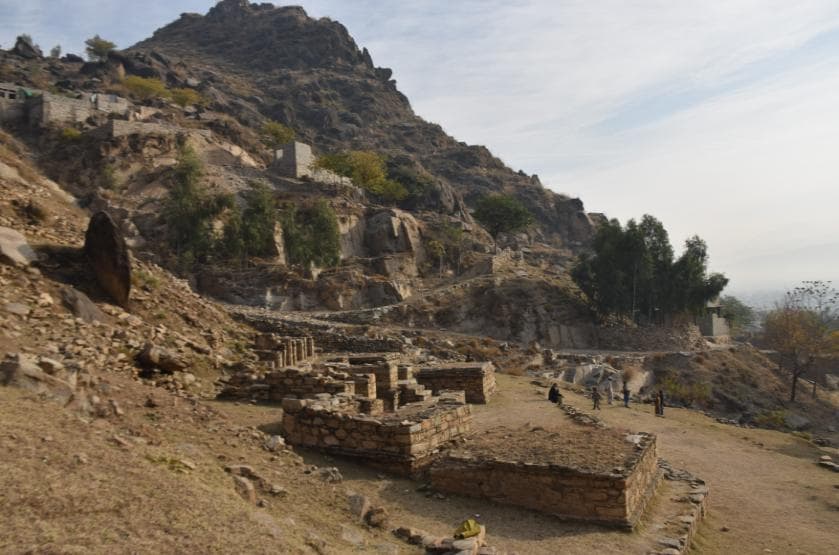
The Mani Kalay sculptures, found in the Buner District of Khyber Pakhtunkhwa, Pakistan, are ancient artworks linked to the Gandhara civilization that thrived between the 1st and 7th centuries CE.
These sculptures, which include depictions of Buddha, Bodhisattvas, and religious figures, reflect the Gandharan art style, known for its blend of Indian Buddhist themes with Greek, Roman, and Persian artistic influences. Characterized by naturalistic representations and detailed drapery, these sculptures were likely used in Buddhist monasteries and stupas. Today, they offer valuable insight into the region’s Buddhist heritage and are preserved in museums like the Peshawar Museum, continuing to attract scholars and visitors interested in the history of Gandhara.
Why go
The Manie Kalay sculptures in Buner are unprotected Gandhara-era relics (1st–7th century CE), prized for their Greco-Buddhist artistry but now at risk due to looting and neglect. While some pieces reside in the Peshawar Museum, the original site lacks official surveys or conservation by the KP Directorate of Archaeology & Museums. Urgent documentation and on-site safeguards are needed to preserve this vanishing link to Gandhara's monastic past.
Planning tip
Best Time to Visit, Year-round; confirm local conditions and any festival dates before travel.
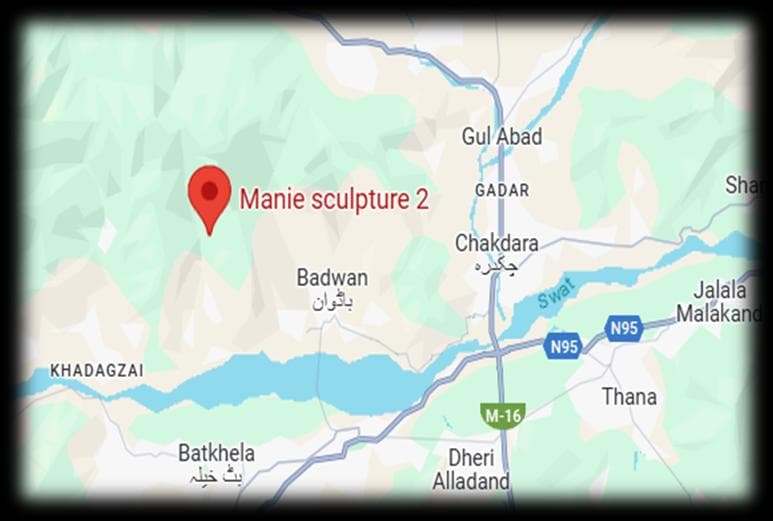
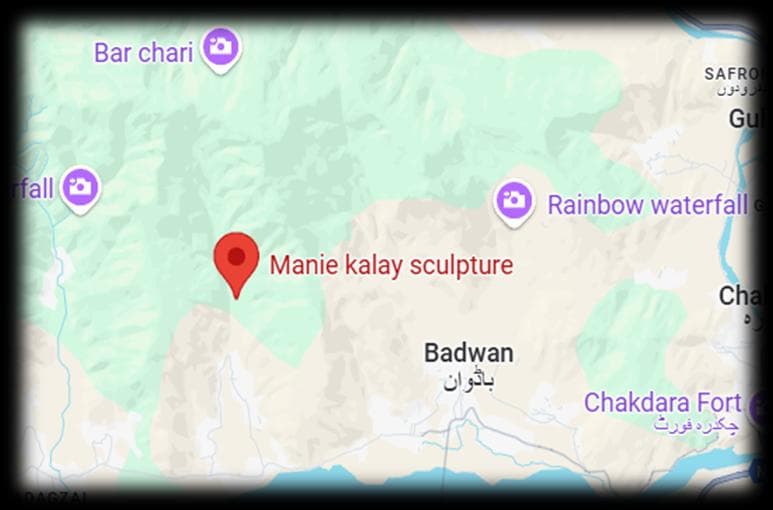
Getting there, In or near Buner, Khyber Pakhtunkhwa; confirm current local access before visiting.
Straight-line distance from Manie Kalay Sculpture, within 30 km.