
Loading…
Field guides / Khyber Pakhtunkhwa / Manie Kalay Sculpture 2
Field guide · Heritage
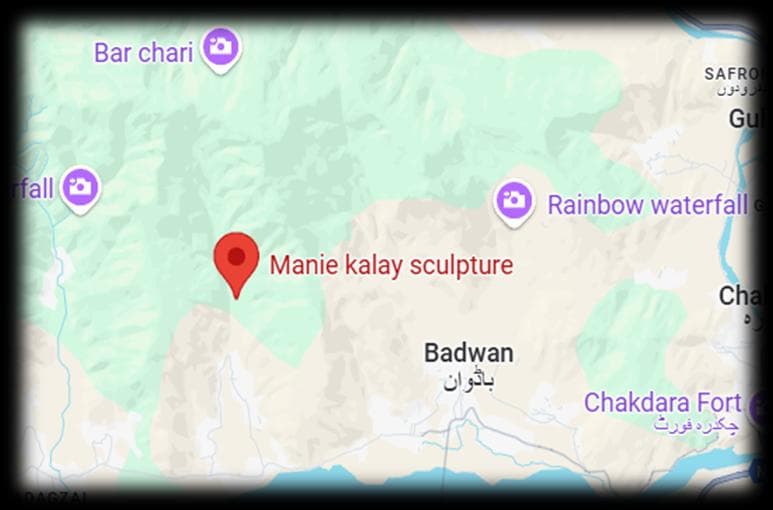
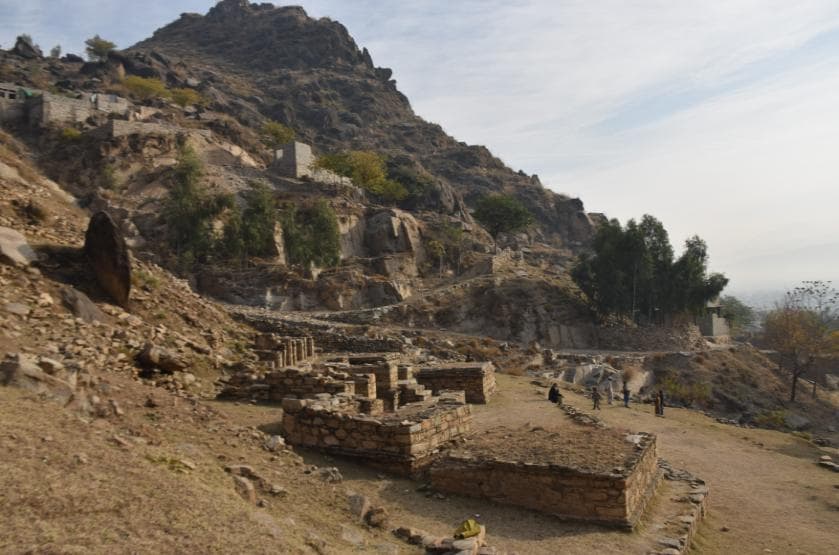
The Mani Kalay Sculpture (also known as the Mani Kalay Buddha sculpture) refers to a significant discovery of Buddhist art from the Gandhara civilization.
This sculpture was found at Mani Kalay, a site in the Buner District of Khyber Pakhtunkhwa, Pakistan. It is believed to date back to the early centuries of the common era, reflecting the region’s rich Buddhist heritage. The sculpture is part of the Gandharan art tradition, which is known for blending Indian Buddhist themes with Greek, Roman, and Persian influences, due to the region’s historical interactions through trade and conquest. The Mani Kalay sculpture is typically a stone relief or statue, representing Buddha or Bodhisattvas in a detailed and naturalistic style, with emphasis on drapery and facial expressions. The Gandharan style’s influence can be seen in the Hellenistic features, which are rare in other Buddhist art forms.
Why go
The Manie Kalay Sculpture near Badwan is a poorly documented but culturally vital example of Gandharan Buddhist art (1st–7th century CE), showcasing the distinctive Greco-Roman influenced style of the region. Despite its significance, the site lacks formal protection or systematic study by the KP Directorate of Archaeology & Museums, leaving it vulnerable to looting and environmental damage. Urgent documentation and conservation efforts are needed to preserve this rare piece of Gandhara’s artistic legacy.
Planning tip
Best Time to Visit, Year-round; confirm local conditions and any festival dates before travel.
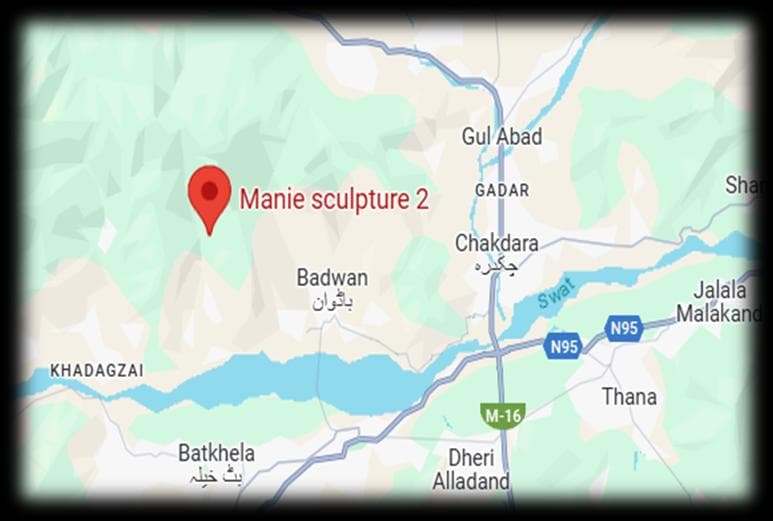
Getting there, In or near Buner, Khyber Pakhtunkhwa; confirm current local access before visiting.
Straight-line distance from Manie Kalay Sculpture 2, within 30 km.