
Field guides / Khyber Pakhtunkhwa / Mound at Akra
Field guide · Heritage
Mound at Akra
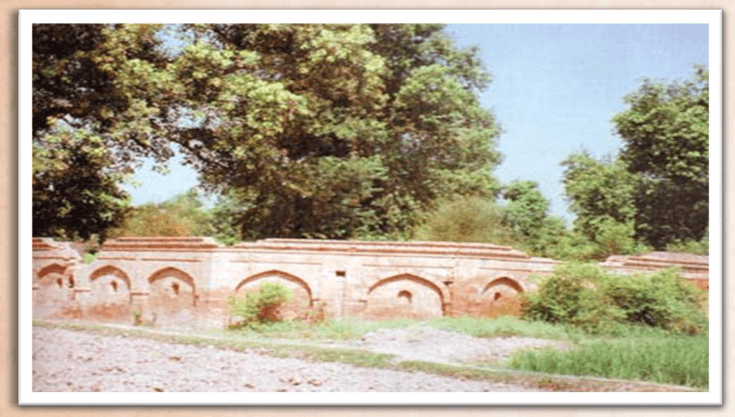
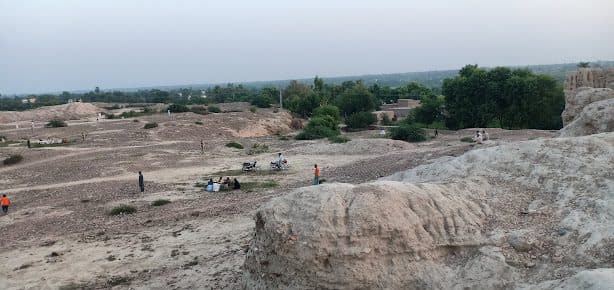
There are four numbers of ancient mounds at Akra, lying at a distance of about 17 km south-west of Bannu between the Kachkot canal and the Lohra Nullah in the lands of the village of Bharat.
Out of the four mounds the main and the central mound is called Akra. Potshards, terracotta figurines and small pieces of relieve-sculptures are visible on the top and sides of the main mound. The site dates back to 6th century BCE during Achaemenid rule, has turned into a sprawling village over the years. The mound, spread over approx. 161874 sq.m area, was declared a heritage archaeological site by the government in 1949. Coins belonging to Hindu Shahi and Islamic periods are found at the site.
Why go
- ✦Four ancient mounds, the central one called Akra
- ✦Occupation reaching back to Achaemenid rule in the 6th century BCE
- ✦Potsherds, terracotta figurines and relief fragments on the surface
- ✦Coins of the Hindu Shahi and Islamic periods found here
- ✦Declared a heritage archaeological site in 1949
History
The site was dug between 1996 and 1998 by the Bannu Archaeological Mission — the University of Peshawar working with the University of Cambridge, the British Museum, University College London and Bryn Mawr College. The excavation identified Bannu Black-on-Red Ware and other ceramic types previously unrecorded, revealing a cultural sequence more complex than anyone had expected. Silver and copper coins, moulded bricks and figurines attest to an urban centre of real weight, and part of the material now sits in the British Museum and the Ashmolean at Oxford.
Historical Significance
One of the very few excavated windows onto the Achaemenid Empire's easternmost province, and the type site for the Bannu basin's ceramic sequence.
Architecture
Four ancient mounds stand at Akra, about 17 km south-west of Bannu, between the Kachkot canal and the Lohra Nullah on the lands of Bharat village. The main and central of them gives the group its name. Potsherds, terracotta figurines and small fragments of relief sculpture lie visible across the top and sides of the main mound, which covers roughly 161,874 square metres and was declared a heritage archaeological site in 1949. Occupation goes back to the sixth century BCE under Achaemenid rule; Over the years the mound has grown into a sprawling village.
Why Visit
Walk the main central mound, where surface material is densest — potsherds, terracotta figurines and fragments of relief sculpture lie in the open.
Interesting Facts
- Excavated 1996–98 by Peshawar with Cambridge, the British Museum, UCL and Bryn Mawr
- It produced Bannu Black-on-Red Ware, a previously unrecorded ceramic type
- Occupation runs from roughly 900–800 BCE into the Islamic period
- Finds from it are held in the British Museum and the Ashmolean
Planning tip
Best Time to Visit, November to February. Summer here is extreme.
Getting there, About 17 km south-west of Bannu, between the Kachkot canal and the Lohra Nullah, on the lands of Bharat village.
Allow, An hour at the main mound.
What to Do
Make Mound at Akra Part of a Trip
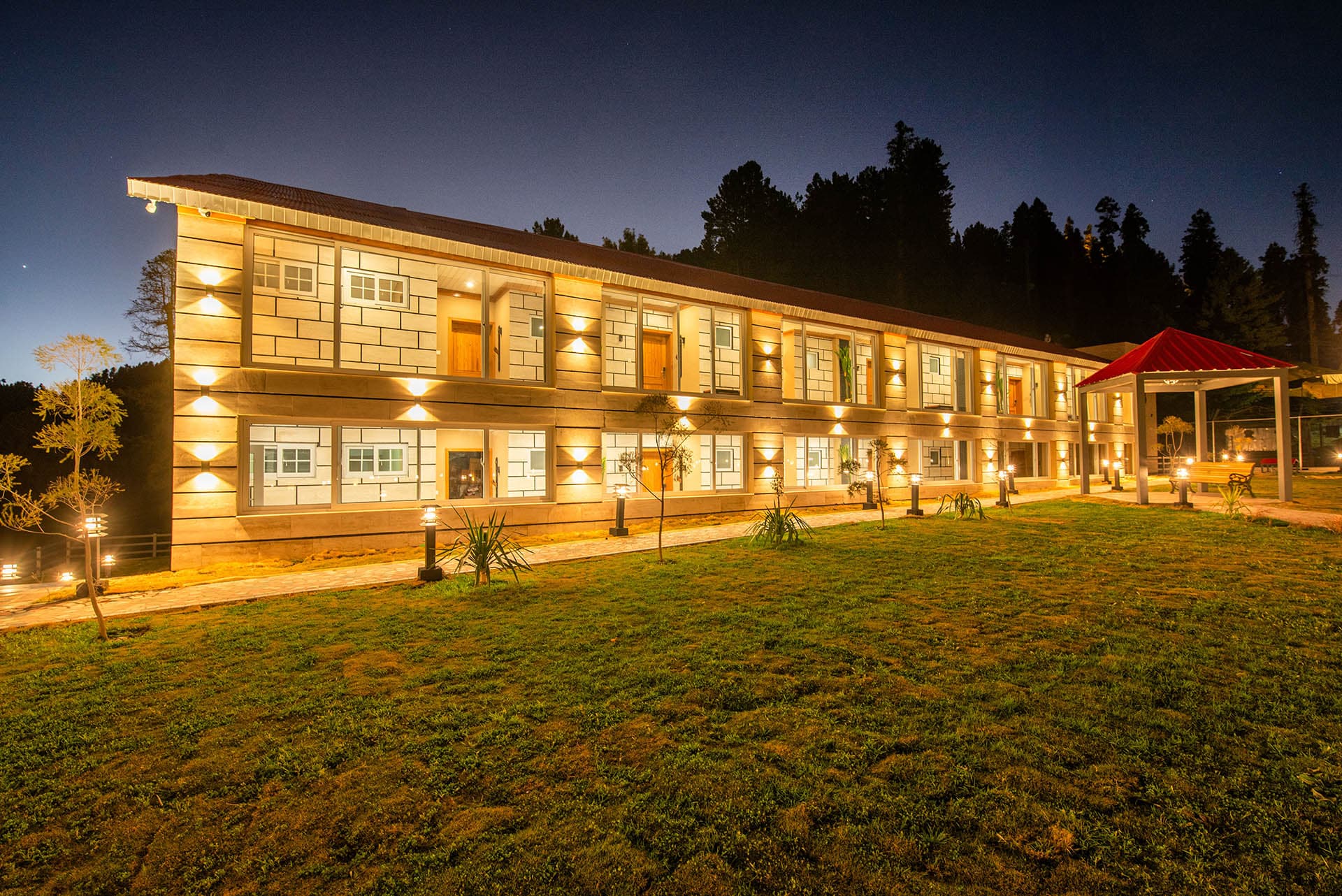
GreenPak resorts within reach, and the journeys that travel this region.

Nearby
Straight-line distance from Mound at Akra, within 30 km.