
Field guides / Sindh / Nagarparkar Cultural Landscape
Field guide · Heritage
Nagarparkar Cultural Landscape
A desert cultural landscape at Sindh's far southeastern edge, ringed by the granite Karoonjhar Hills, with centuries-old Jain temples and a distinct Sindhi-Rajasthani heritage found nowhere else in Pakistan.
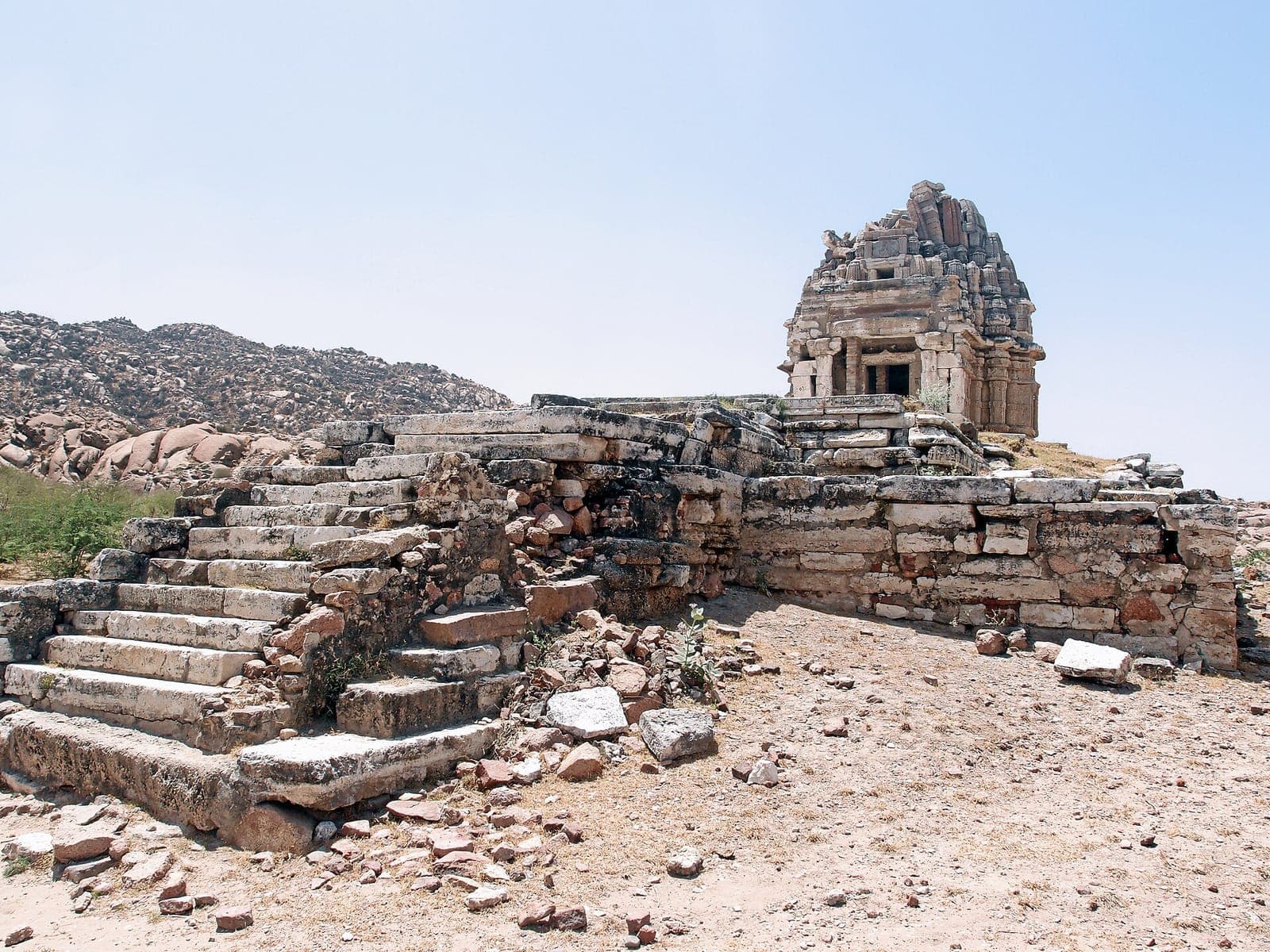
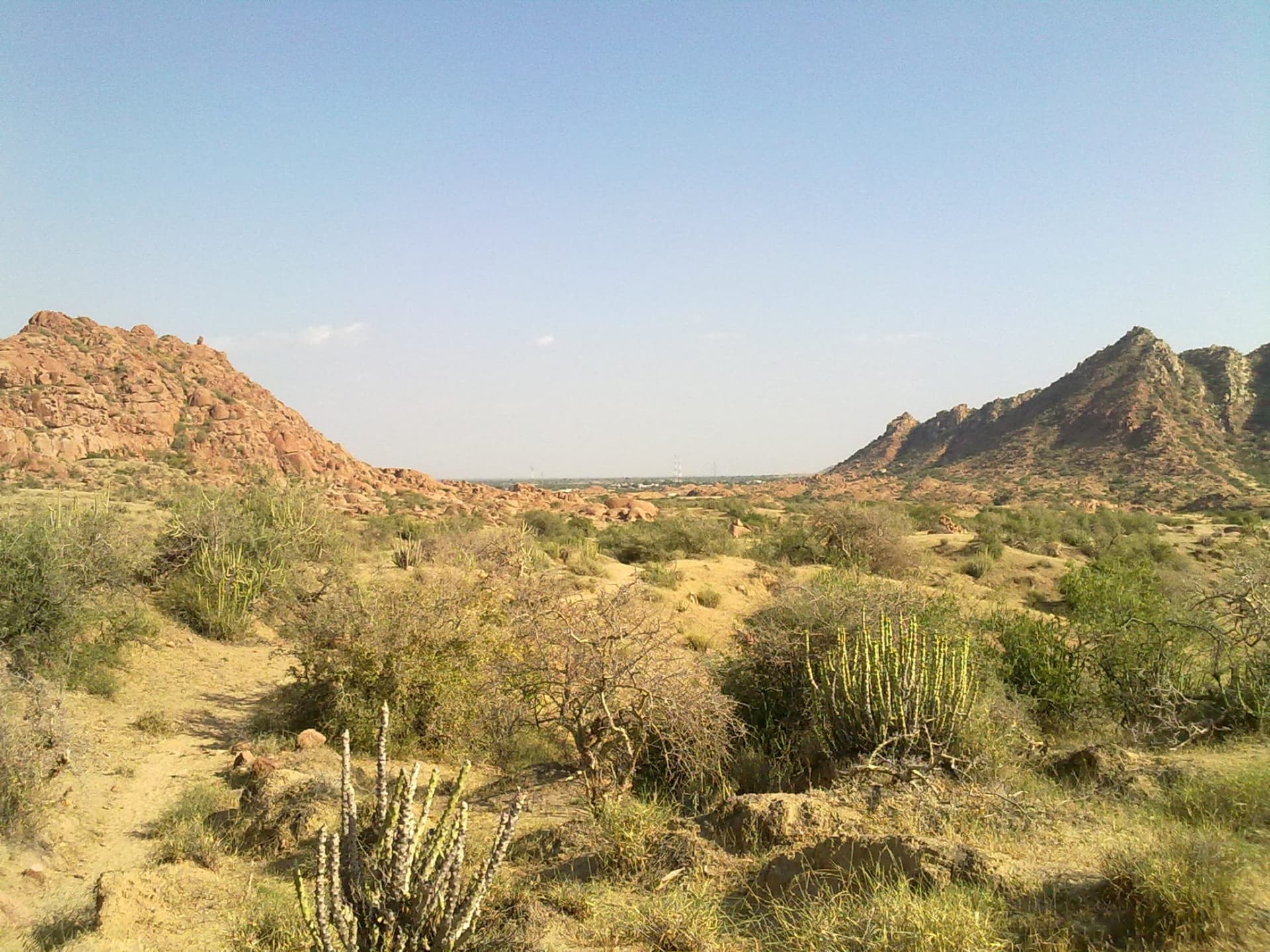
At Sindh's far southeastern edge, where the Thar Desert meets the granite Karoonjhar Hills, the Nagarparkar cultural landscape holds a heritage found nowhere else in Pakistan: centuries-old Jain temples, a distinct Sindhi-Rajasthani architectural style, and a desert community life shaped by the nearby Rann of Kutch. The rose-hued granite hills themselves are as much a part of the landscape's identity as the temples.
Why go
- ✦Centuries-old Jain temples
- ✦Granite Karoonjhar Hills
- ✦Distinct Sindhi-Rajasthani desert heritage
- ✦Near the Rann of Kutch border landscape
A Desert Heritage Unlike Anywhere Else
Nagarparkar's Jain temples and Rajasthani-influenced architecture reflect a cultural history distinct from the rest of Sindh, shaped by its remote position at the very edge of the country, beside the vast salt flats of the Rann of Kutch.
Plan It with GreenPak
A genuine off-the-beaten-path destination best planned as a dedicated multi-day trip, use Plan a trip to arrange transport and stays for the distance involved.
Planning tip
Best Time to Visit, November to February; the desert is extremely hot the rest of the year.
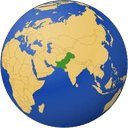
Getting there, A long drive from Karachi or Mirpurkhas, deep into Tharparkar district near the Indian border.
Allow, A full day, or an overnight given the distance involved.
What to Do
Nearby
Straight-line distance from Nagarparkar Cultural Landscape, within 5 km.