
Loading…
Field guides / Khyber Pakhtunkhwa / Sawal Dher Buddhist Monastery
Field guide · Heritage
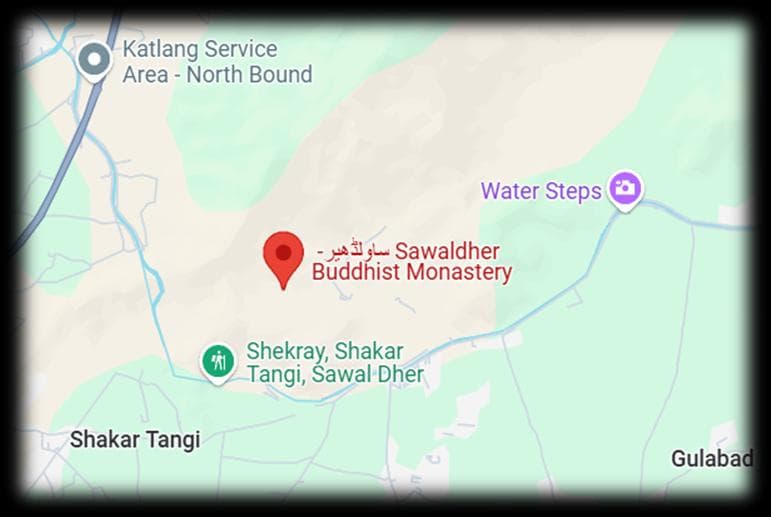
Sawal Dher is a historic village in Mardan District, Khyber Pakhtunkhwa, Pakistan, located 19 km from the district capital.
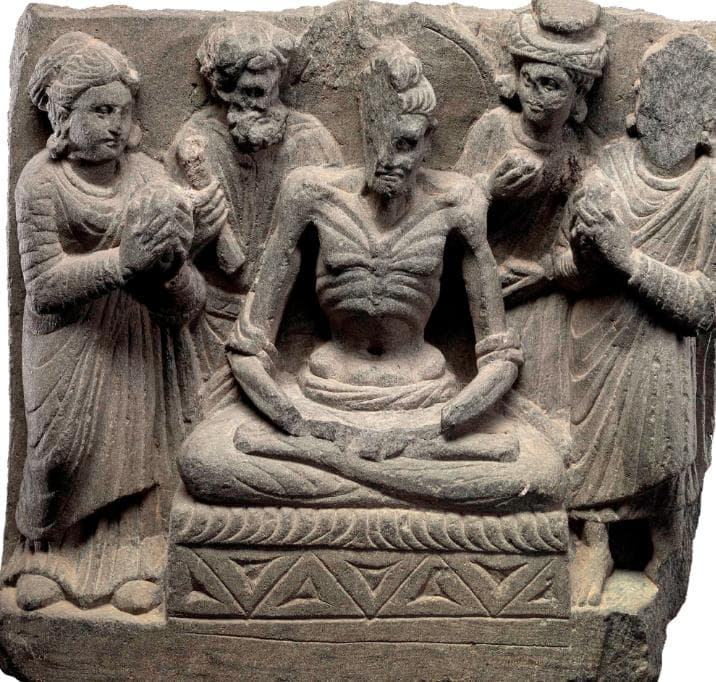
It contains ancient ruins, including sculptures preserved in museums in Peshawar and Lahore. The population, around 40,000 as of the 1998 census, comprises various Pakhtun tribes, including Roghani, Khattak, and Yousafzai. The village has a history dating back 5,000 years, linked to the Buddhist era. It was developed by the Roghani, Khattak, and Awan families, and the Grand Mosque of the village, Masjid-e-Bala, is believed to be built over a Buddhist Stupa. Sawal Dher has several modern facilities, including schools, a hospital, and Sui gas supply. It is home to a Darul Uloom (Zakreya), providing Islamic and computer education. The local economy is based on farming, with crops like wheat, sugarcane, and rice, as well as fruit cultivation, including oranges, plums, and mangoes. The area has a humid climate with hot summers and cold winters. The main irrigation sources are canals, tube wells, and lift irrigation.
Why go
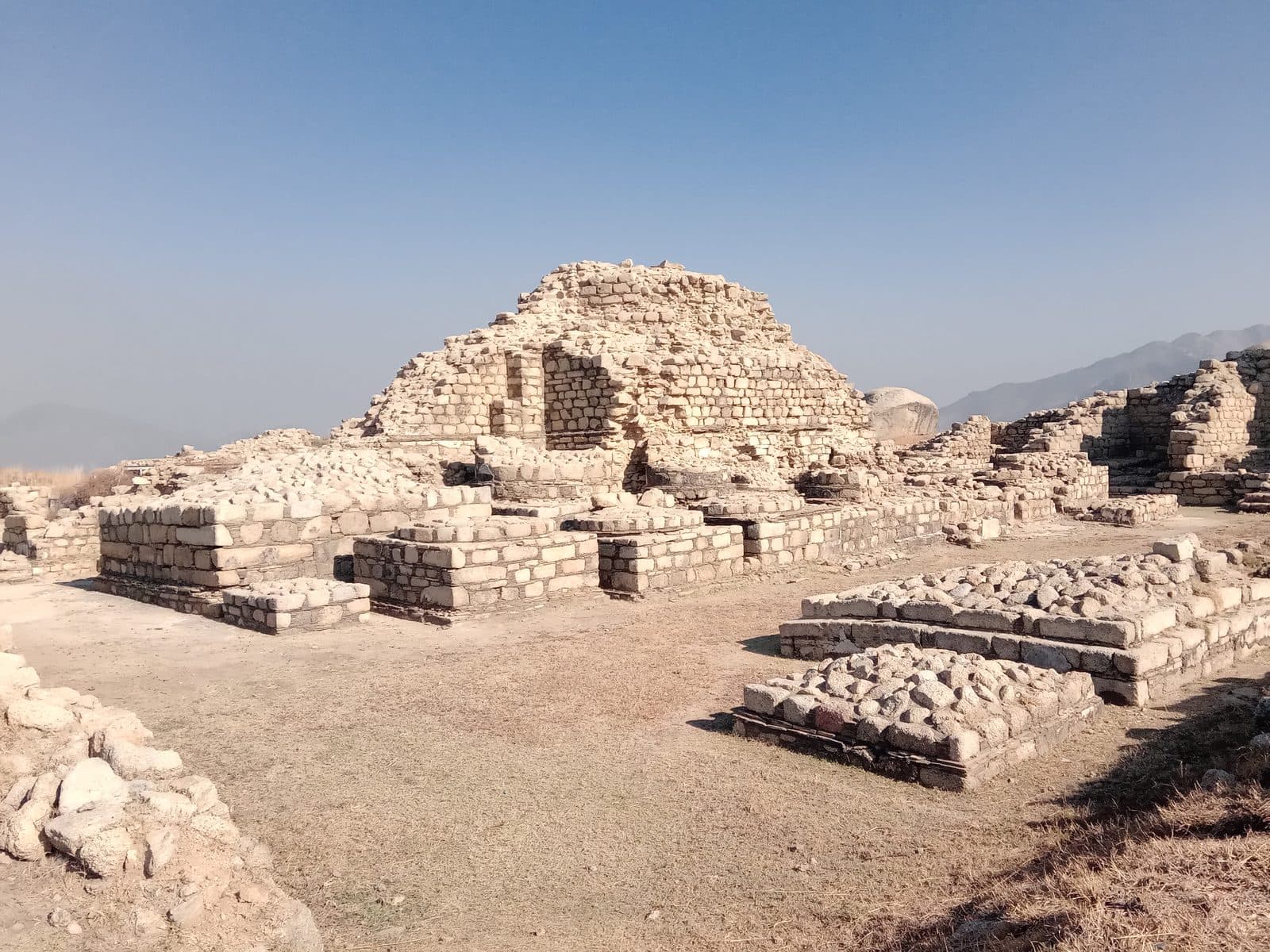
The Sawal Dher Buddhist Monastery in Mardan is a protected but underdeveloped Gandhara-era site under the KP Directorate of Archaeology & Museums, Where preservation efforts clash with inadequate funding and tourist facilities. While its monastic ruins and stupas hold research value, the site remains vulnerable to environmental decay and requires enhanced conservation alongside basic visitor infrastructure to unlock its heritage potential.
Planning tip
Best Time to Visit, Year-round; confirm local conditions and any festival dates before travel.
Getting there, In or near Mardan, Khyber Pakhtunkhwa; confirm current local access before visiting.
Straight-line distance from Sawal Dher Buddhist Monastery, within 30 km.