
Field guides / Khyber Pakhtunkhwa / Ranighat (Mardan)
Field guide · Heritage
Ranighat (Mardan)
A Buddhist site of Ranigat is spread over an area of 4 square kilometers, dated to Buddhist period.
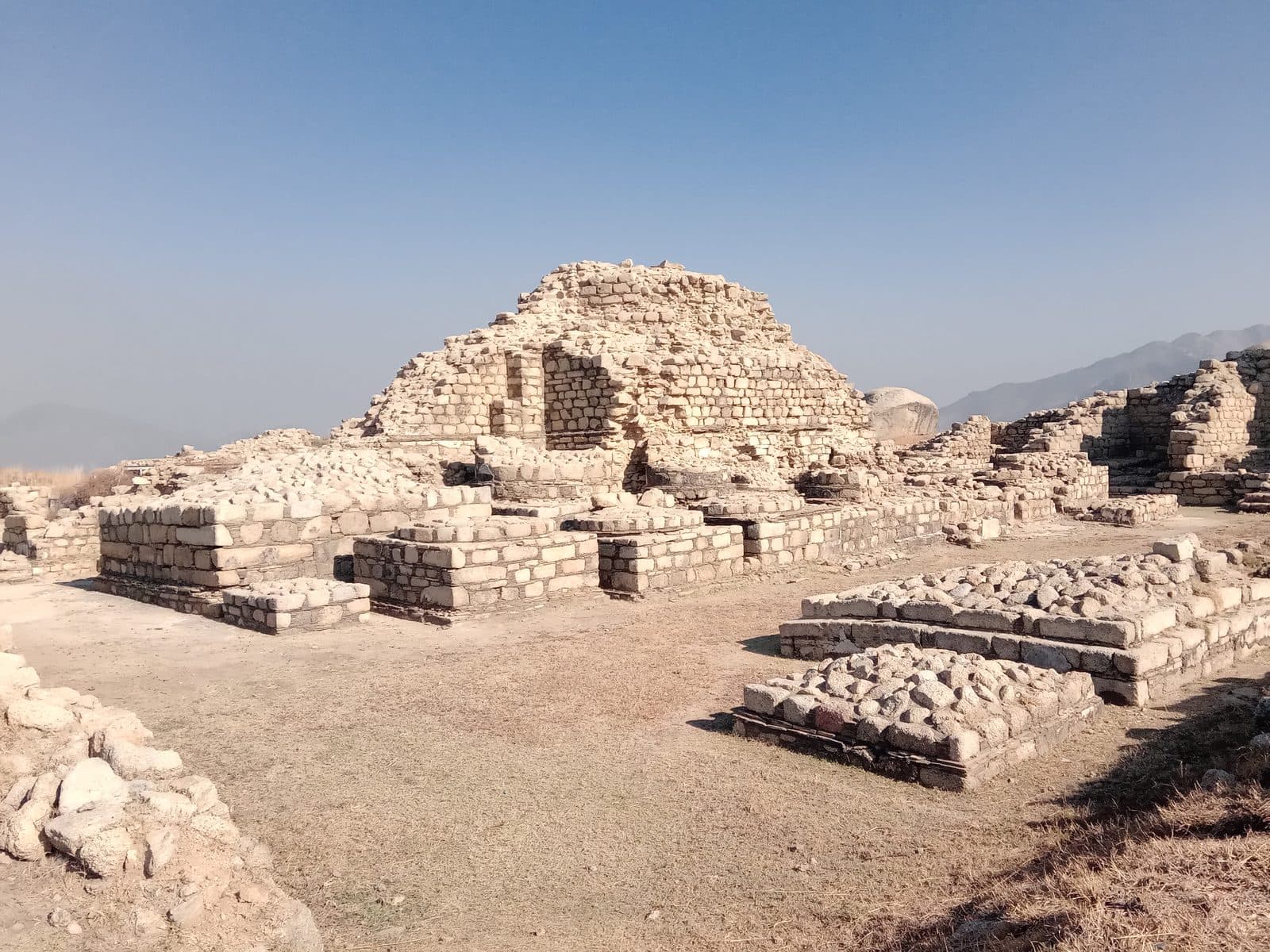
Ranigat remained the center of Buddhist art and culture for centuries. The site is located on top of a hill, accessible by climbing the stairs constructed by the Japanese Archaeological Mission in Pakistan. The main attractions include Stupas, a big rock erected by the ancient people at some distance that they probably used to worship. Under excavation by a joint UNESCO-Japanese team since the 1980s, the site has issues related to vandalism. The site is now protected and is surrounded by a barbed-wire fence. This site is also added to the Tentative List of the World Heritage Centre on January 30, 2004 in the Cultural category.
Why go
- ✦A Buddhist centre spread across four square kilometres
- ✦Set on a hilltop, reached by a purpose-built stair
- ✦A great erected rock that was probably a focus of worship
- ✦Excavated by a joint UNESCO–Japanese team since the 1980s
- ✦On Pakistan's UNESCO World Heritage tentative list
History
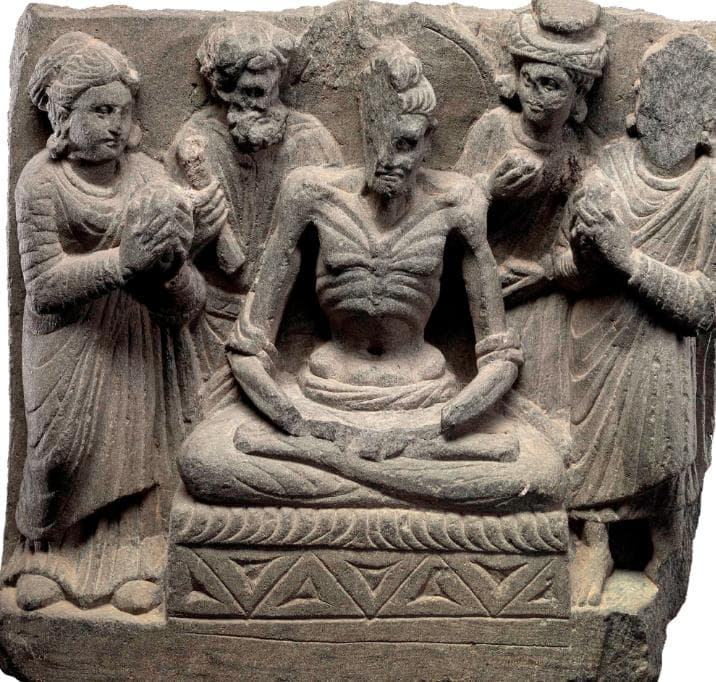
The site belongs to the Gandharan world that flourished under the Kushans, producing the Greco-Buddhist sculpture the region is known for. A Japanese mission from Kyoto University excavated here between 1983 and 1989, under Nishikawa and Odani, as part of a longer programme of Japanese work in the Peshawar–Mardan basin. The Japanese government also built the stairway of some five hundred steps by which the main complex is now reached. A great rock standing apart from the stupas was erected by the ancient inhabitants and was probably a focus of worship.
Historical Significance
Placed on Pakistan's UNESCO World Heritage tentative list on 30 January 2004. Its scale and its long Japanese excavation record make it one of the best-documented Gandharan monastic landscapes.
Architecture
The site sits on top of a hill, reached by climbing stairs built by the Japanese Archaeological Mission in Pakistan. Its stupas are the principal draw, along with a large rock erected at some distance by the ancient inhabitants and probably used for worship.
Why Visit
Four square kilometres of Buddhist Gandhara on a hilltop, up five hundred steps built by Japanese archaeologists. Allow much longer than you think.
Interesting Facts
- The complex covers about four square kilometres of mountain terrain
- Kyoto University's mission excavated here from 1983 to 1989
- The five hundred steps up to the site were built by the Japanese government
- It was founded in the 2nd century CE and abandoned in the 6th
Planning tip
Best Time to Visit, October to March. Summer on the Peshawar plain is severe, and most of these sites have no shade.
Getting there, Mardan district, north-east of Peshawar. Shahbazgarhi, Ranigat and Sahri Bahlol lie within an hour of one another; Kashmir Smast is a mountain approach from Katlang.
Allow, An hour at the accessible sites; a half day for Ranigat including the climb.
What to Do
Make Ranighat (Mardan) Part of a Trip
GreenPak resorts within reach, and the journeys that travel this region.

Nearby
Straight-line distance from Ranighat (Mardan), within 30 km.