
Loading…
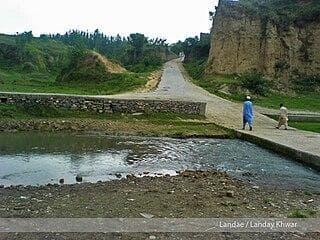
Field guides / Khyber Pakhtunkhwa / Lund Khwar
Field guide · Heritage
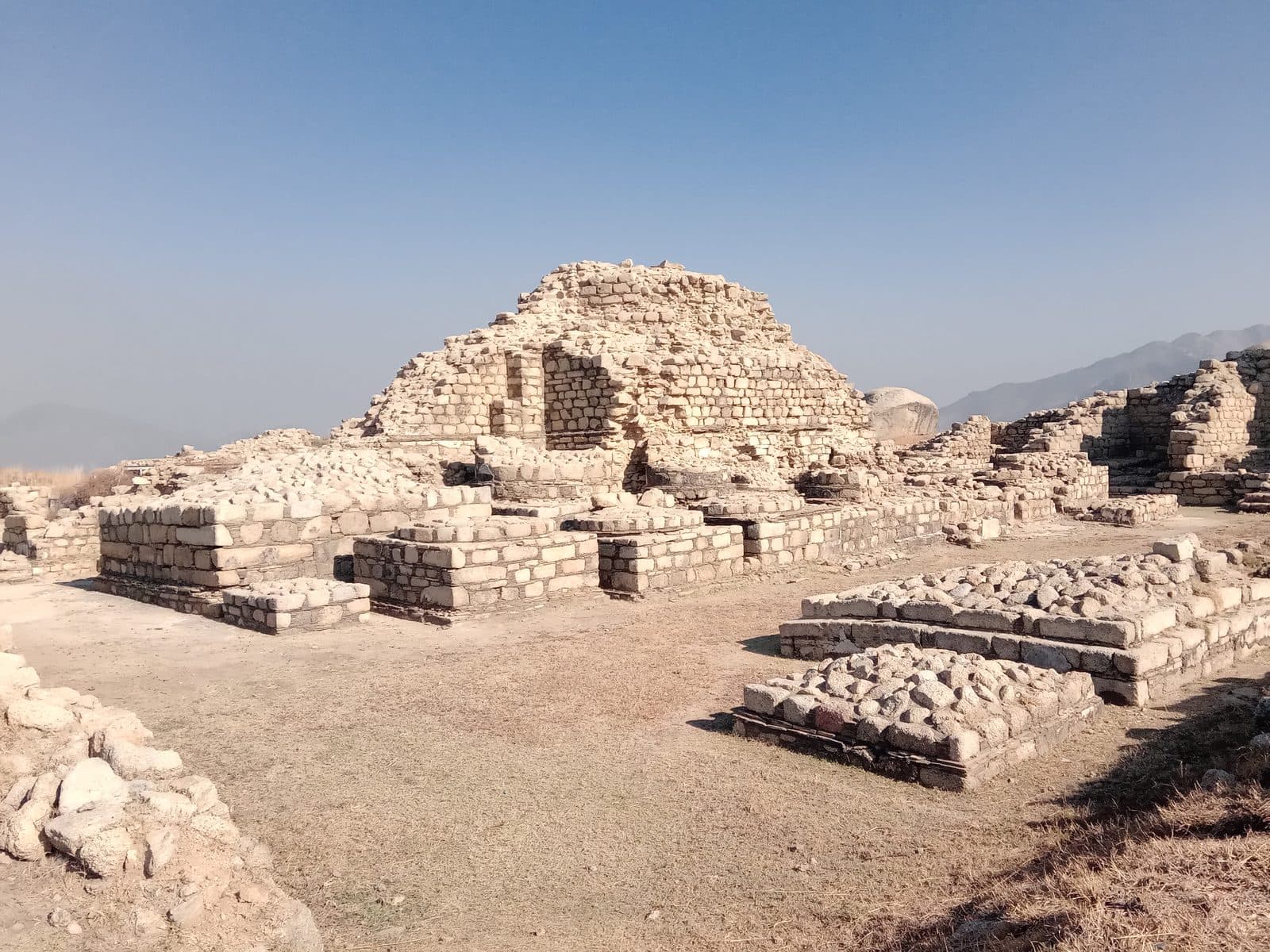
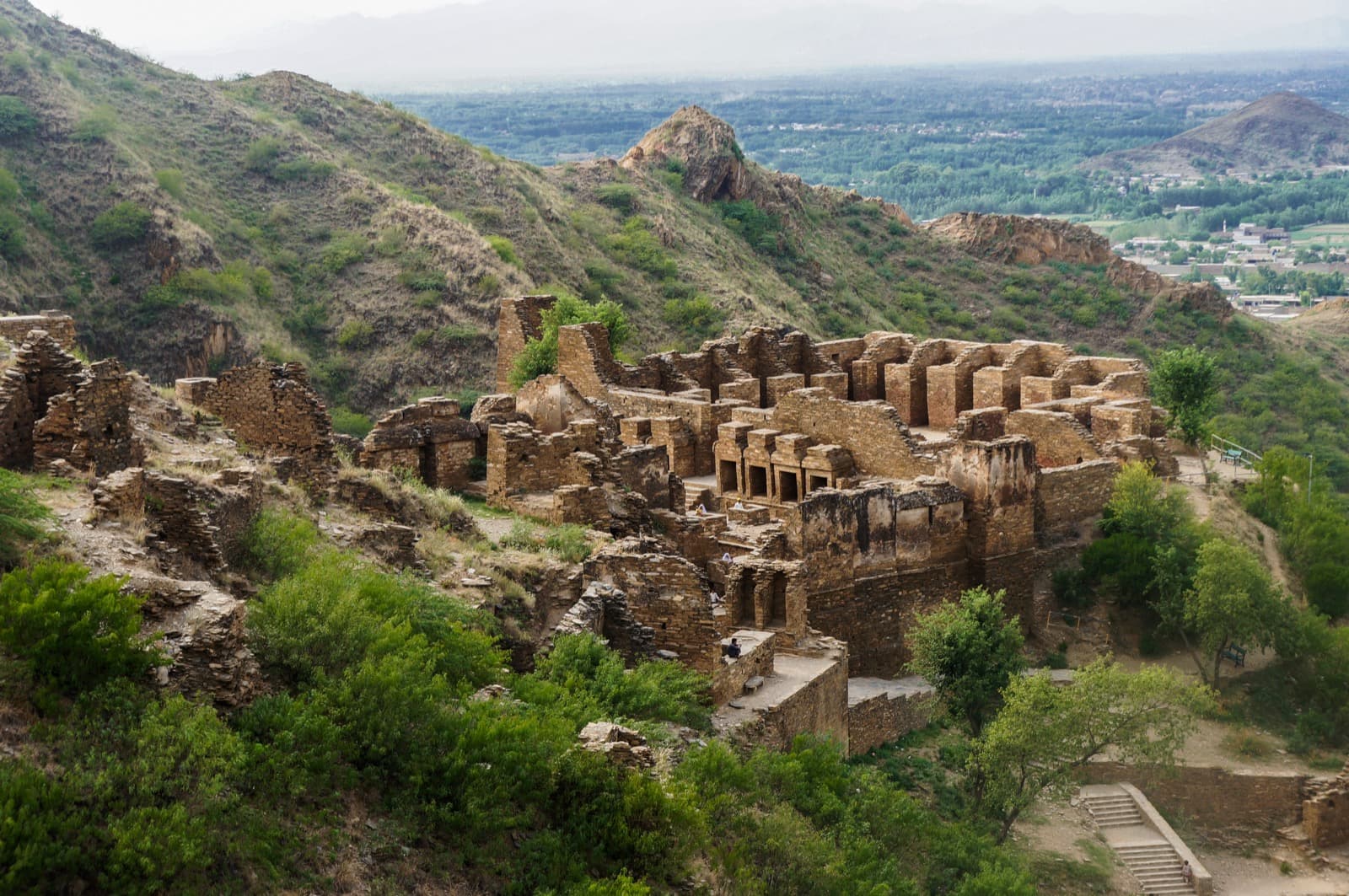
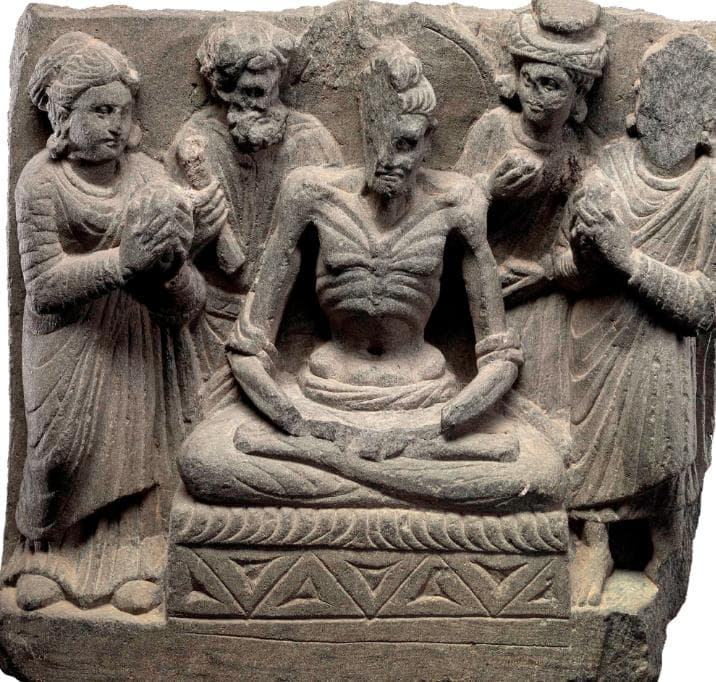
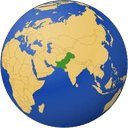
Lund Khwar, located in Takht Bhai Tehsil, Mardan District, Pakistan, at an elevation of 371 meters, derives its name from the surrounding streams, meaning "the ever-flowing stream." The village was a significant Buddhist sanctuary during the Gandharan era, frequented by monks from Takht Bhai.
The region has been influenced by various ancient civilizations, including the passage of Alexander the Great's armies, and later, rulers like Chandragupta and Ashoka established control. In the 8th century, Afghan Dilazak tribes arrived, followed by the Khattaks in the 15th century. During the Ghaznavid era, it served as a base for Sultan Mahmud of Ghazni’s raids into India, while the Mughals, under Emperor Babur, invaded in 1505. Lund Khwar also boasts a rich Islamic heritage, having been home to notable Ulema and saints. In the 19th century, the town played an important role in the Pakistan Freedom Movement, contributing significantly to the struggle against British rule. Today, it remains a union council known for its unique geological formations, including limestone and conglomerate beds.
Why go
The Lund Khwar area in Mardan is a historically and geologically significant region under local administrative oversight, but remains undeveloped for tourism due to inadequate infrastructure and conservation planning. While its cultural heritage—including potential Gandhara-era links—attracts niche researchers, the absence of formal protection or site management by the KP Directorate of Archaeology & Museums limits its accessibility and preservation.
Planning tip
Best Time to Visit, Year-round; confirm local conditions and any festival dates before travel.
Getting there, In or near Mardan, Khyber Pakhtunkhwa; confirm current local access before visiting.
Straight-line distance from Lund Khwar, within 30 km.