
Photo: Department of Archaeology & Museums, Government of Pakistan
Field guides / Islamabad Capital Territory / Islamabad / Shah Allah Ditta Caves
Field guide · Heritage
Islamabad
Islamabad District · Islamabad Capital Territory, Pakistan
Shah Allah Ditta Caves
An ancient complex of Buddhist meditation caves at the base of the Margalla Hills, believed to be 2,000 years old, making them among the oldest archaeological sites in the Islamabad region.
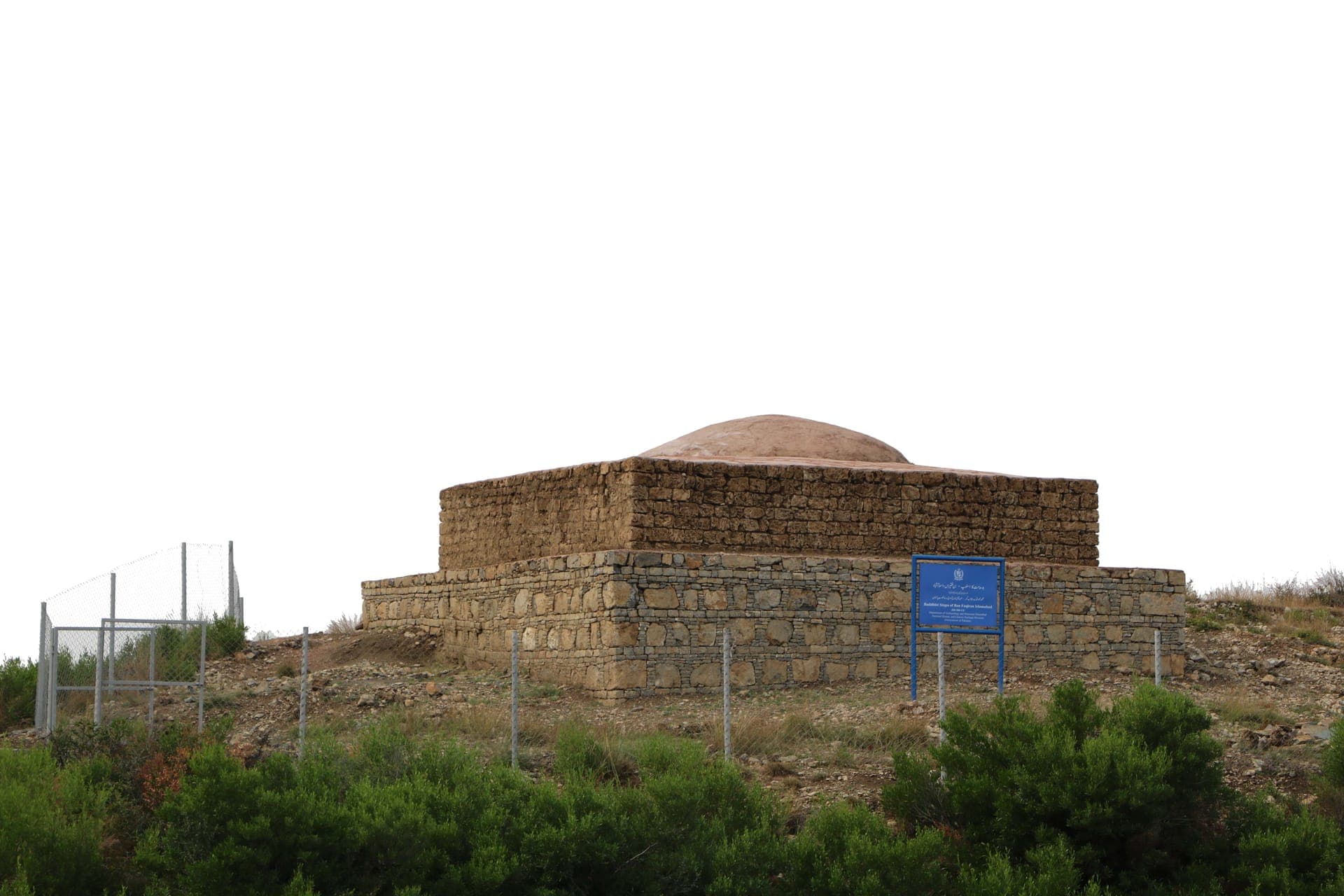
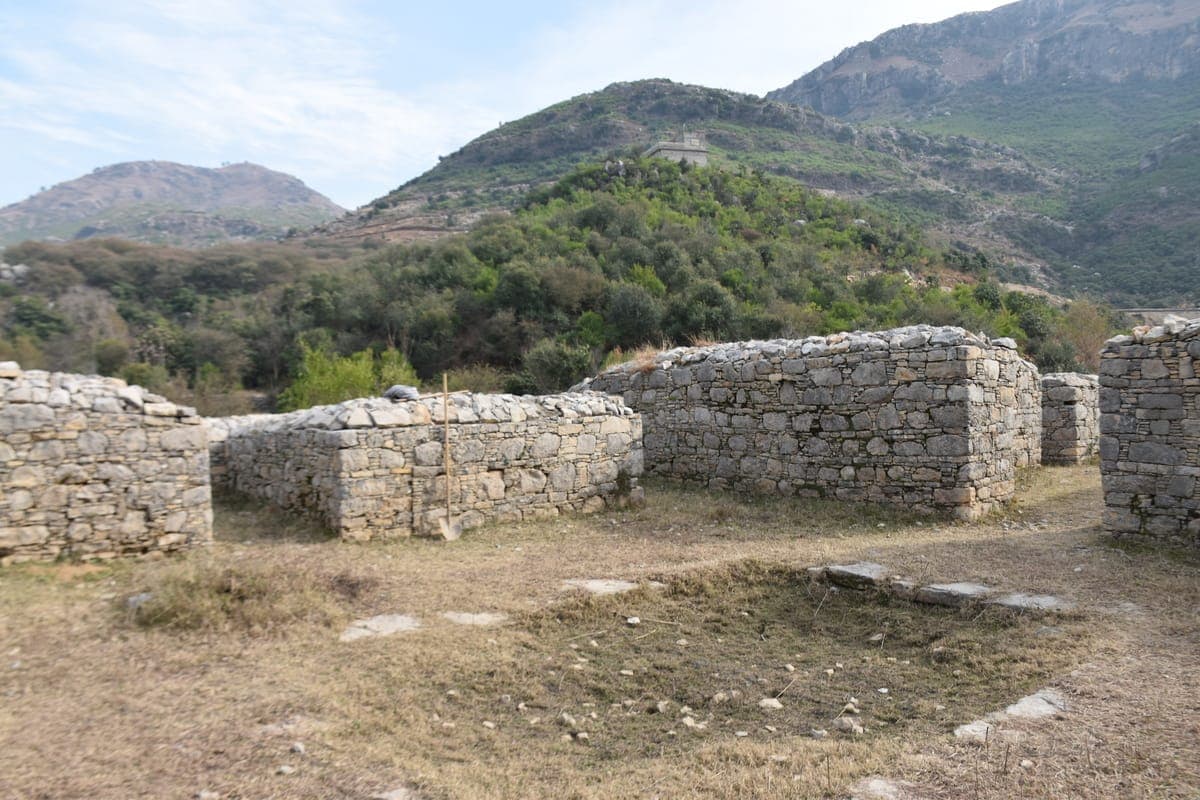
Shah Allah Ditta is an ancient cave complex at the base of the Margalla Hills on Islamabad's western edge, a 2,000-year-old Buddhist monastic site that predates the capital by two millennia. The caves were used by Buddhist monks for meditation during the Gandhara period (roughly 1st-5th century CE), and the surrounding village has occupied the site for centuries. Today the caves sit within a quiet natural setting of fig trees, springs, and old stone walls, one of Islamabad's most atmospheric and least crowded heritage sites.
Quick facts
- Where
- Foot of the Margalla Hills, beside Sector D-12, Islamabad
- Village
- Believed to be more than 700 years old
- Caves
- Used by Buddhist monks, later by Hindu sadhus and Muslim ascetics
- Nearby
- The shrine of Shah Allah Ditta and Losar Baoli stepwell
- Old road
- On the historic route from Kabul to Taxila
- Time needed
- About 1.5 to 2 hours
Why go
- ✦Buddhist meditation caves, 2,000 years old
- ✦Natural spring and fig grove around the cave entrance
- ✦Intact old village of Shah Allah Ditta
- ✦Gandhara-period carved niches in the rock face
- ✦Quiet, uncrowded, off the tourist trail
About
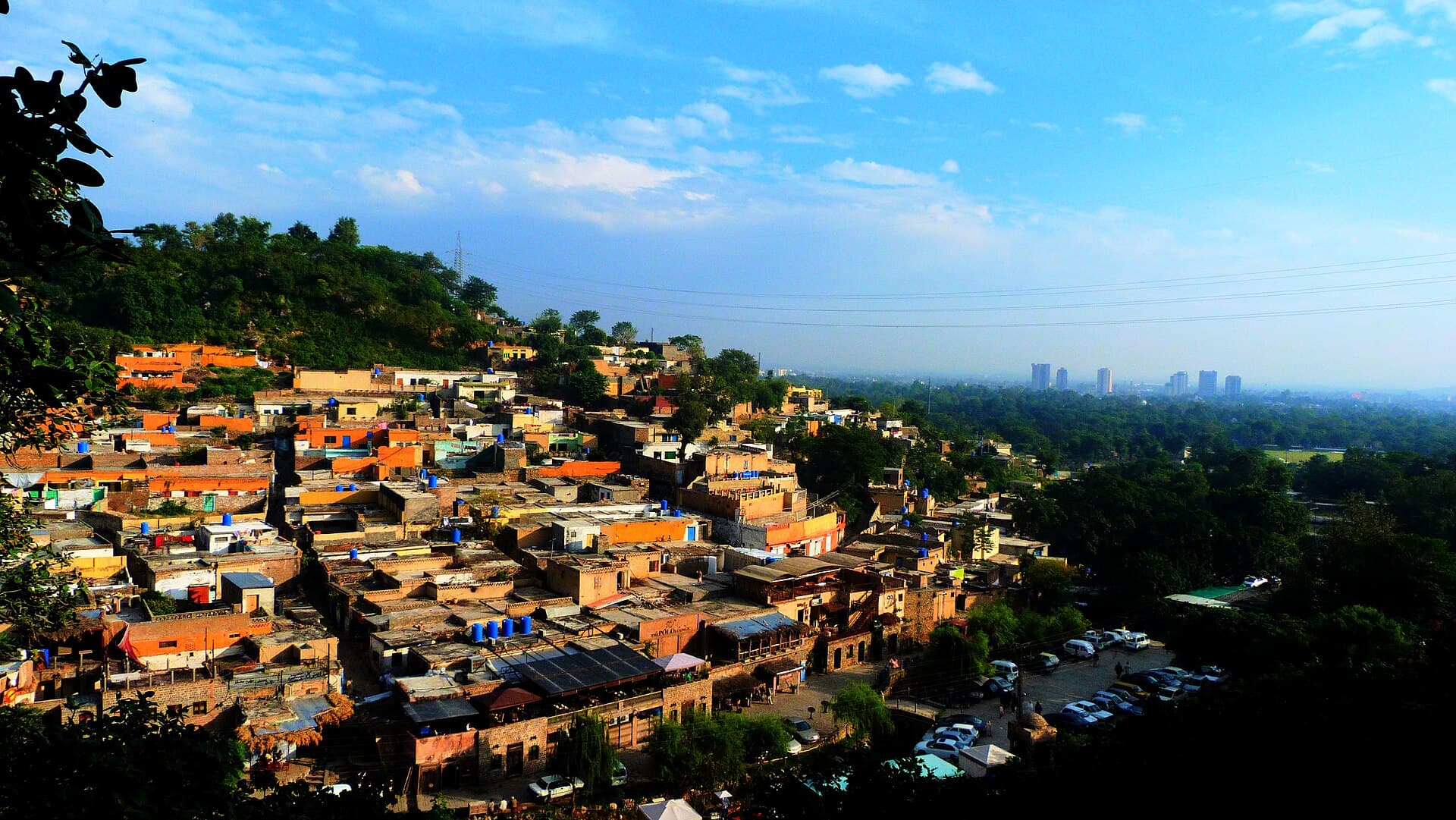
Shah Allah Ditta is a village of more than seven centuries at the foot of the Margalla Hills, beside Islamabad's Sector D-12, and its caves are among the oldest places of worship around the capital. Buddhist monks used them first, then Hindu sadhus and later Muslim ascetics; faded paintings associated with the Buddhist era survive inside, and old trees hung with votive threads shade the entrance beside the shrine of Shah Allah Ditta.
History
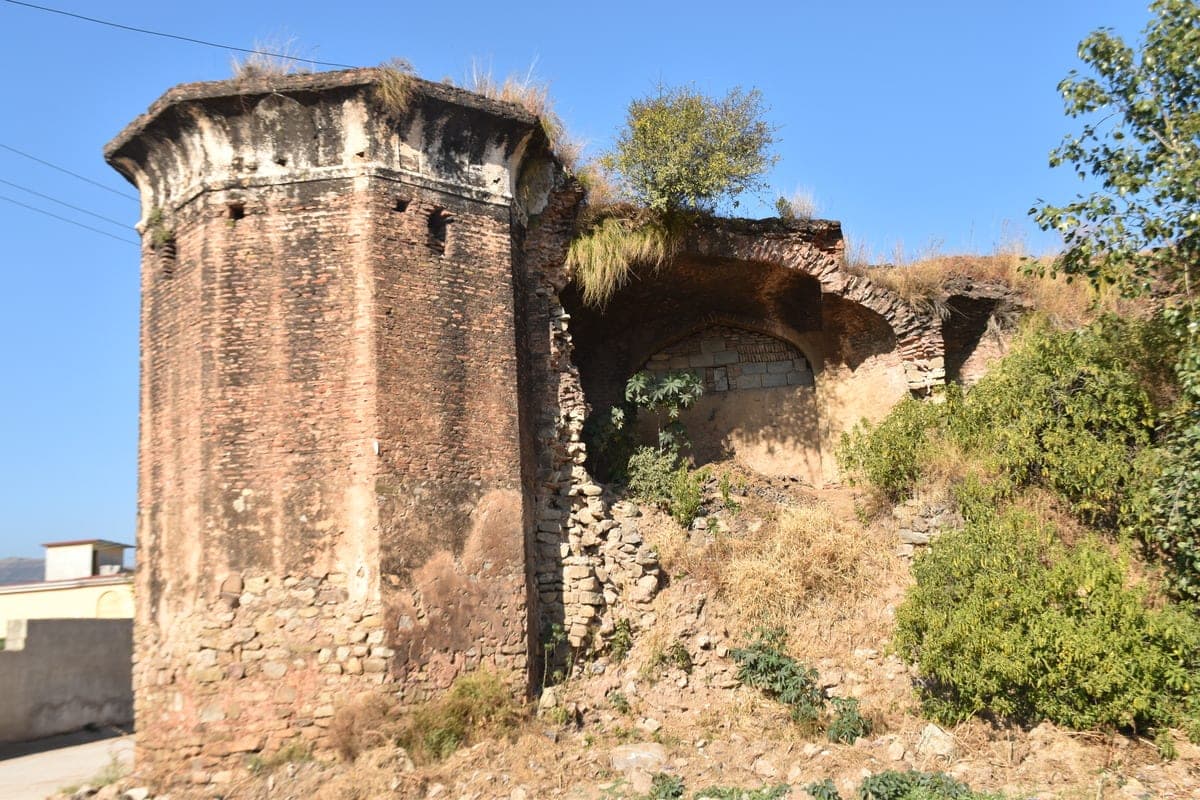
The village grew up on the old road from Kabul to Taxila, known locally as the Gernaili Road, which tradition says both Alexander and Sher Shah Suri followed. A marker near the caves recalls where Alexander was received by Raja Ambhi of Taxila, and Emperor Akbar is said to have built a watering place for travellers here. Uphill stands Losar Baoli, an old stepwell.
What Visitors Will See
- The rock caves at the foot of the hills
- The shrine of Shah Allah Ditta
- Old trees tied with votive threads and amulets
- Losar Baoli, a stepwell uphill from the caves
- The old village lanes and stone walls
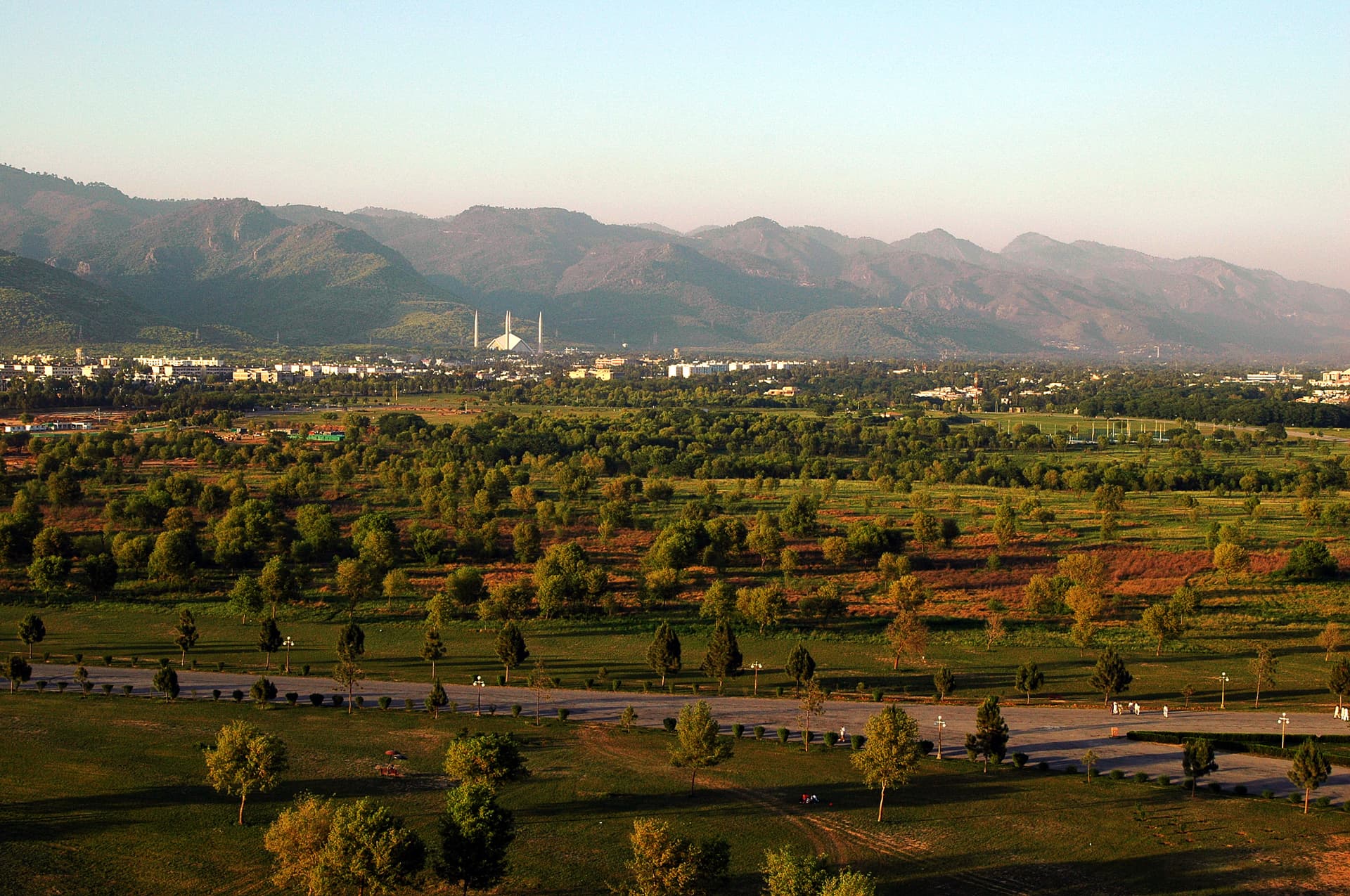
- Views of the Margalla Hills
Why Visit
A quiet, little-visited corner of Islamabad where Buddhist, Hindu and Muslim devotion meet in one place, a short drive from the city and easy to combine with the Margalla trails.
Climate and Seasons
Open all year. Spring and autumn are the most pleasant; avoid the middle of the day in summer heat.
How to Reach
Drive to the western edge of Islamabad and through Sector D-12 to Shah Allah Ditta village. Park in the village and walk up to the caves beside the shrine; wear shoes with grip for the path.
Responsible Travel
The caves and shrine are still places of devotion: dress modestly, speak quietly, and do not touch or mark the paintings and walls.
Interesting Facts
- The caves have been used for meditation by three faiths over the centuries
- The road through the village is said to follow Sher Shah Suri's route over the hills
- Relics found at the site have been dated to around the 8th century
Shah Allah Ditta Caves in pictures
Photos: Muzamil53 · CC BY-SA 4.0 (2 photos) · Ashmasters · CC BY-SA 3.0 · Munibbadar · CC BY-SA 4.0 · Muhammad Bin Naveed · CC BY-SA 3.0 · ClicksByMohammadOmer · CC BY-SA 3.0 (2 photos) · Cs.asif · CC BY-SA 4.0. Each photo's own credit and licence link is shown when you open it.
Planning tip
Best Time to Visit, Year-round. Spring and autumn are most pleasant for the walk to the caves. Avoid peak summer midday heat.
Getting there, At the foot of the Margalla Hills on Islamabad's western edge, beside Sector D-12; drive out through D-12 to the village and walk up to the caves beside the shrine.
Allow, 1.5-2 hours for caves, village walk, and spring.
What to Do
Questions travellers ask
+Where are the Shah Allah Ditta caves?
In Shah Allah Ditta village at the foot of the Margalla Hills, beside Sector D-12 on Islamabad's western edge.
+How old are the Shah Allah Ditta caves?
They date back to the Buddhist era; paintings inside are associated with that period, and relics from around the 8th century have been found. The village itself is believed to be more than 700 years old.
+How do I get to Shah Allah Ditta?
Drive through Sector D-12 to the village, park and walk up to the caves beside the shrine of Shah Allah Ditta.
+How long should I spend at Shah Allah Ditta?
About 1.5 to 2 hours for the caves, the shrine, Losar Baoli and a walk through the village.
Nearby
Straight-line distance from Shah Allah Ditta Caves, within 5 km.