

Area guides / Islamabad Capital Territory / Islamabad
Area guide
Islamabad
Capital monuments, Margalla trails, and Gandhara day trips
Region
Islamabad Capital Territory
When to go
October through March for clear skies and comfortable walking
Getting there
Islamabad International Airport (ISB) serves the capital. Most sights sit within a 30-minute drive of the Blue Area.
Spots
9 key places
Overview
Monuments, museums, and the hills behind them
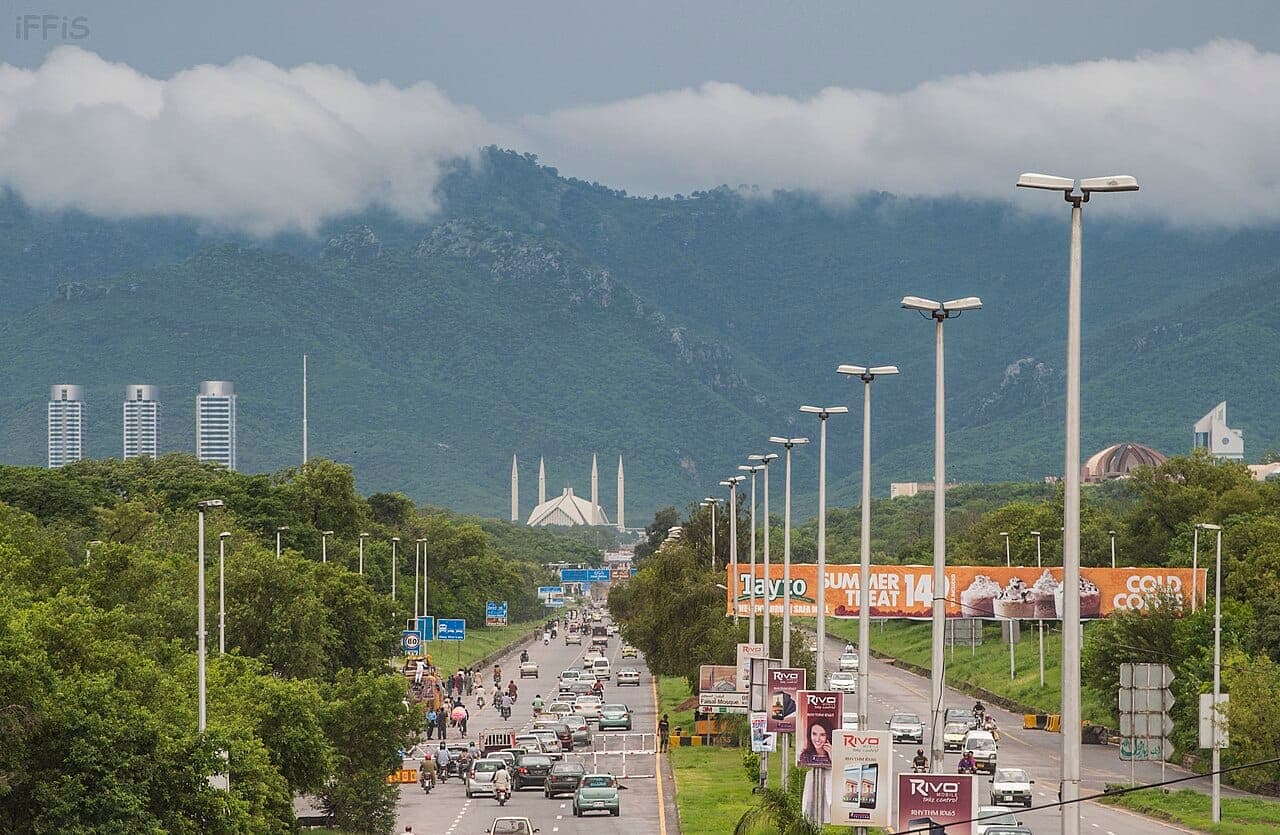
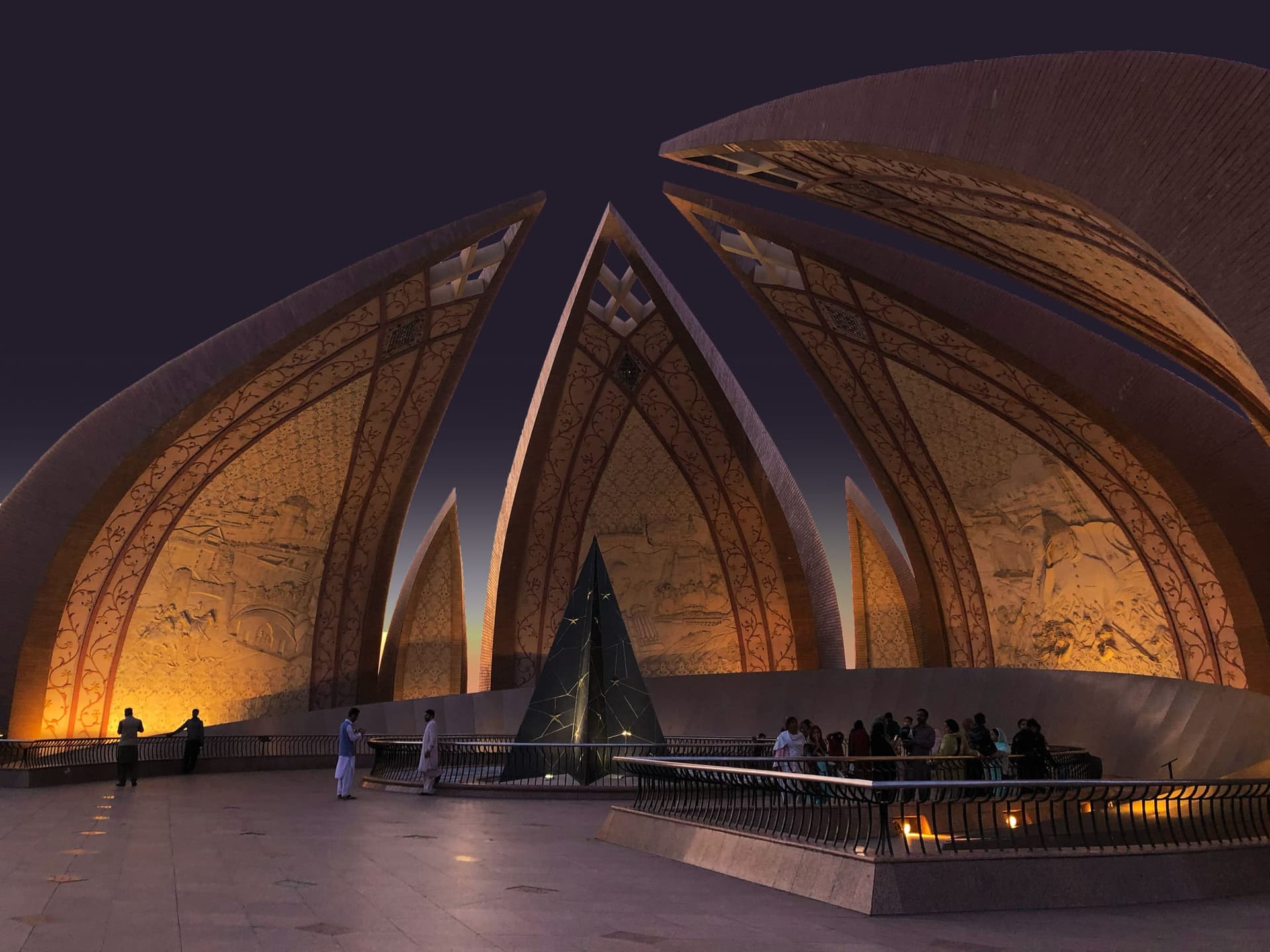
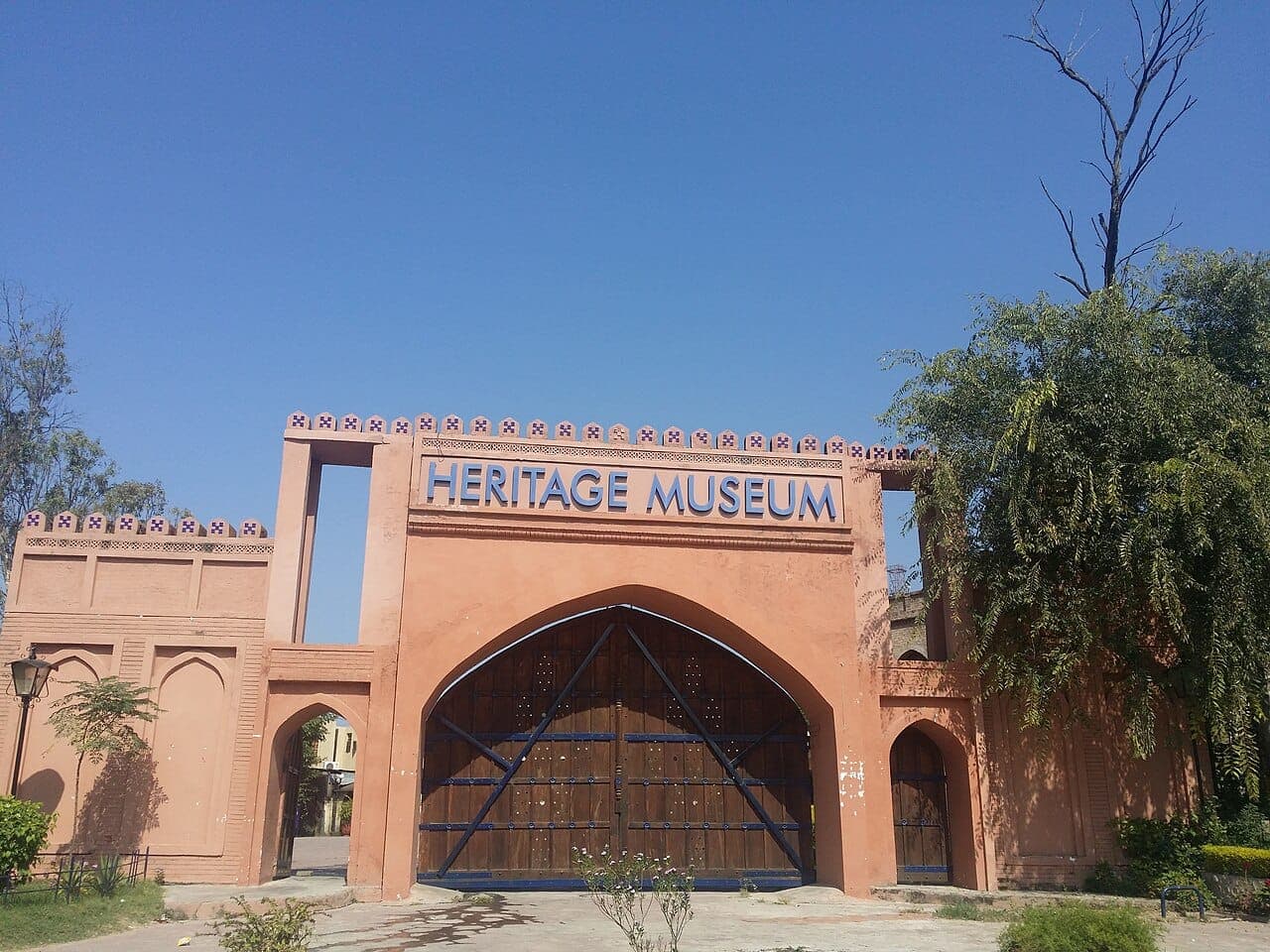
Faisal Mosque, the tent-shaped national mosque built without a single dome, anchors the capital's skyline at the foot of the Margalla Hills. Turkish architect Vedat Dalokay won an international design competition of 43 entries from 17 countries in 1969, and construction, funded by Saudi Arabia, ran from 1976 to 1986; four 260-foot minarets and a main hall and courtyard capacity of roughly 74,000 make it one of the largest mosques anywhere. A short drive south on the Shakarparian ridge, the granite petals of the Pakistan Monument represent the four provinces and three territories, muqarnas-inspired and inaugurated in 2007, right beside the Lok Virsa Heritage Museum, the national collection of folk crafts, textiles, and living artists from every province, and host each year to the Lok Virsa Festival.
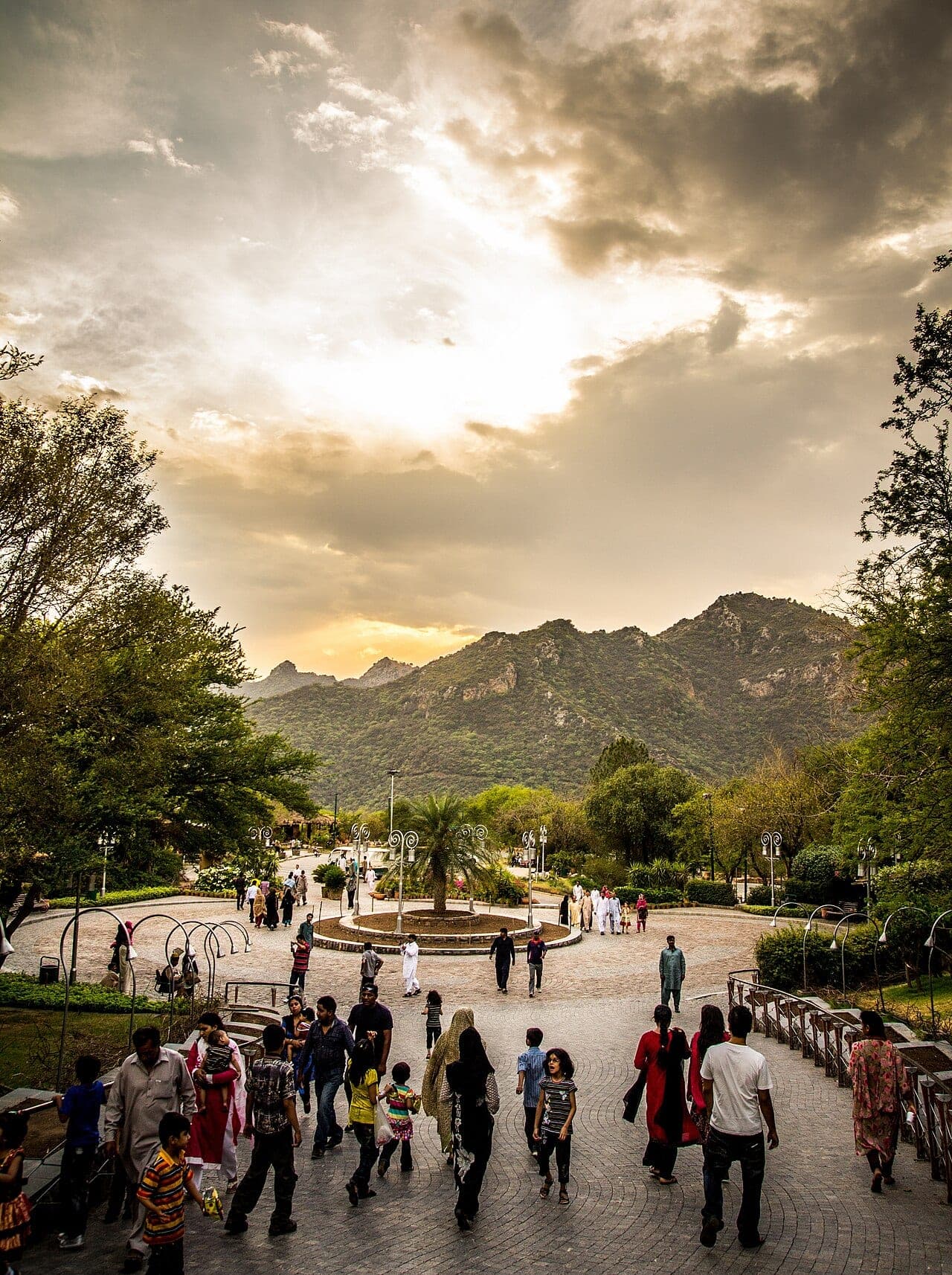
Above the mosque, a winding road climbs to Daman-e-Koh, a hillside viewpoint that lays the whole capital out below, at its best around sunset or after dark when the city's grid of lights comes into view. The same Margalla ridge carries the trails of Margalla Hills National Park, pine forest and monkey troops on well-marked paths that climb straight from the city edge. Below the hills, restored courtyards and a Sufi tomb make up Saidpur Village, founded in 1530 as a Gakhar settlement and later a garden retreat for the Mughal emperor Jahangir, rebuilt by the capital authority from 2006 into a small gallery-and-dinner village. Further out at the western edge of the city, the Shah Allah Ditta Caves hold roughly 2,400 years of layered use, Buddhist-era murals, then Hindu sadhus, then Muslim ascetics, beneath a stand of old banyan trees.
Rawal Lake, the reservoir on the Islamabad-Rawalpindi border, is the easier lakeside walk for an evening away from traffic, boating and birdlife rather than a hike. For a full day out of the city, Taxila sits under an hour west, a UNESCO-listed spread of Gandharan Buddhist stupas, monasteries, and museum collections from a valley that was once a genuine crossroads of Central Asian trade and learning. October through March keeps walking and sightseeing comfortable, and Islamabad International Airport puts most of the capital's sights within a half-hour of each other, making it the natural place to add a culture day before or after a flight north to Gilgit, Skardu, or Chitral.
Two-day capital loop
Day one: Faisal Mosque, Pakistan Monument, and Lok Virsa. Day two: Margalla trail morning, Saidpur dinner, Taxila as a half-day west if time allows.
Before the mountains
Islamabad is the usual staging city for Gilgit, Skardu, and Chitral flights, pair a culture day here with a northern departure.
Getting around
Ride-hailing apps cover the city reliably and are the easiest way between sights, most of which sit within a 30-minute radius of the Blue Area. Daman-e-Koh, Saidpur Village, and the Shah Allah Ditta Caves all sit on the same western side of the city and pair well as one half-day loop with a single driver; Pakistan Monument, Lok Virsa, and Faisal Mosque form a natural second loop closer to the centre.
Food & markets
Kohsar Market in F-6 and Jinnah Super in F-7 are the city's go-to food streets, kebabs, karahi, and bakery counters open into the evening. Saidpur Village's restored terraces serve a similar mix with hillside views thrown in, and the Blue Area's cafes fill the gap between sightseeing stops. Islamabad has no old-city food quarter the way Lahore or Peshawar does, its eating culture is newer and spread across a handful of markets rather than concentrated in one bazaar.
Top sights in Islamabad
Region guide →Faisal Mosque
Modernist tent-form mosque at the foot of the Margalla Hills, Pakistan's most photographed landmark.
Pakistan Monument
National symbol on Shakarparian, petal-shaped museum and panoramic city views.
Lok Virsa Heritage Museum
Folk crafts, textiles, and living artists from every province, host of the Lok Virsa Festival.
Daman-e-Koh
Viewpoint in the Margalla foothills, Faisal Mosque and the city laid out below.
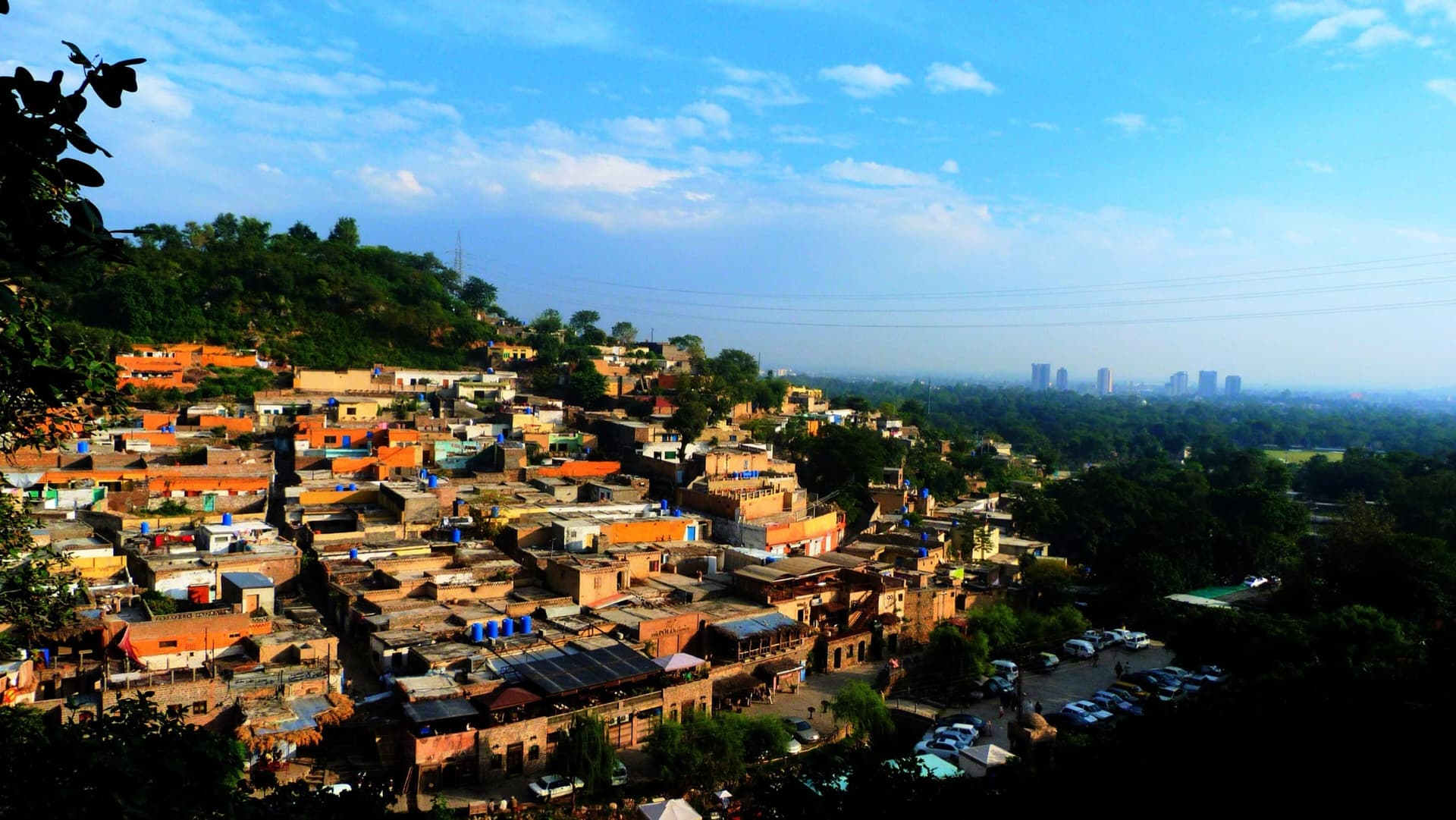
Saidpur Village
Restored hill village with courtyards, galleries, and dinner terraces above the capital.
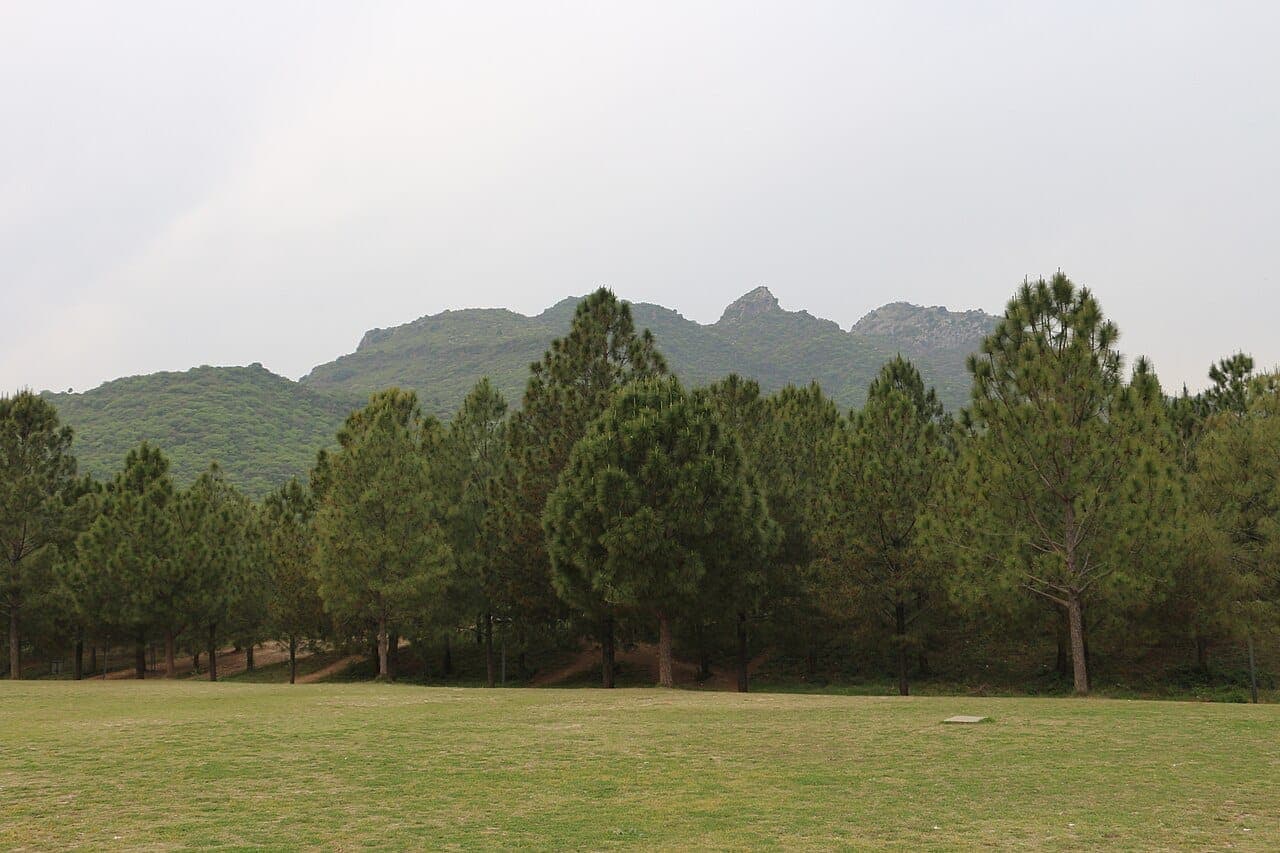
Margalla Hills National Park
Trails 3 and 5 climb from the city edge, pine forest, monkeys, and ridge views.
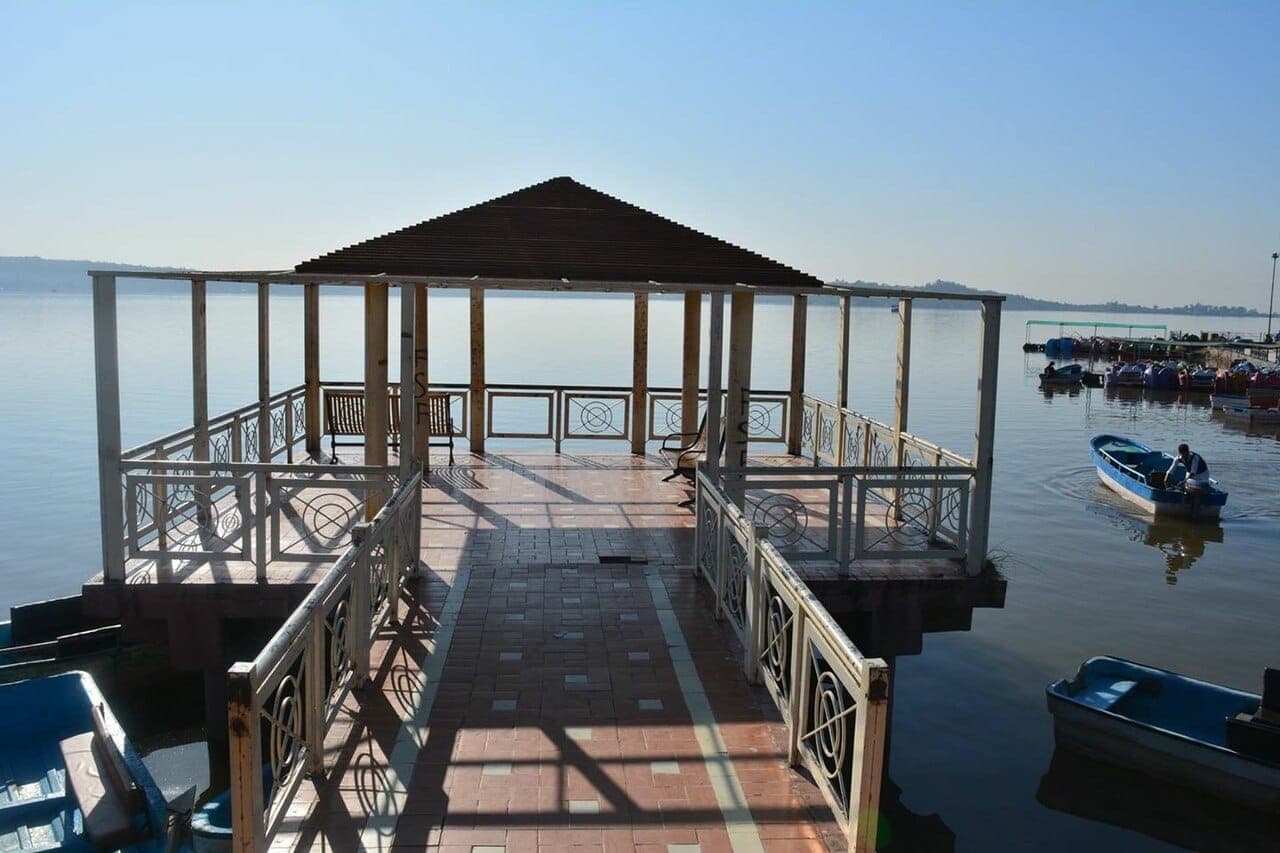
Lake View Park (Rawal Lake)
Walking tracks and birdlife along Rawal Lake, family evenings away from traffic.
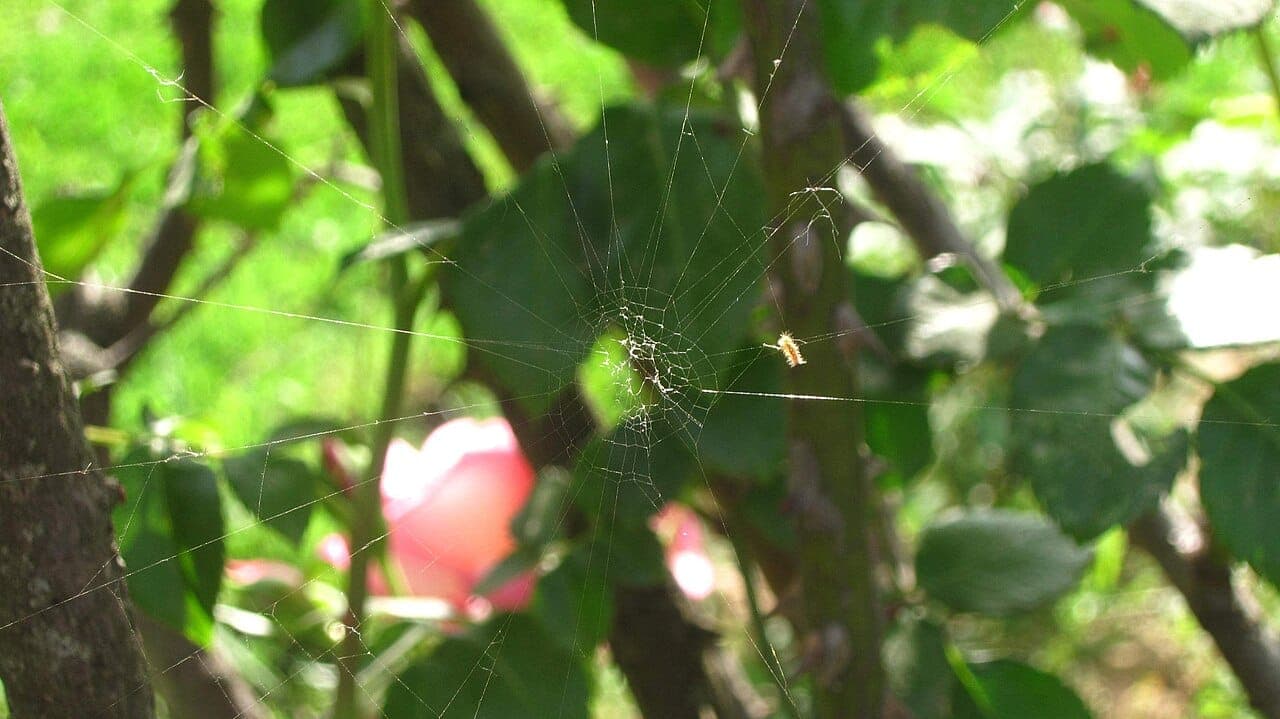
Rose & Jasmine Garden
Seasonal blooms and shaded paths, a quiet hour between monument hops.
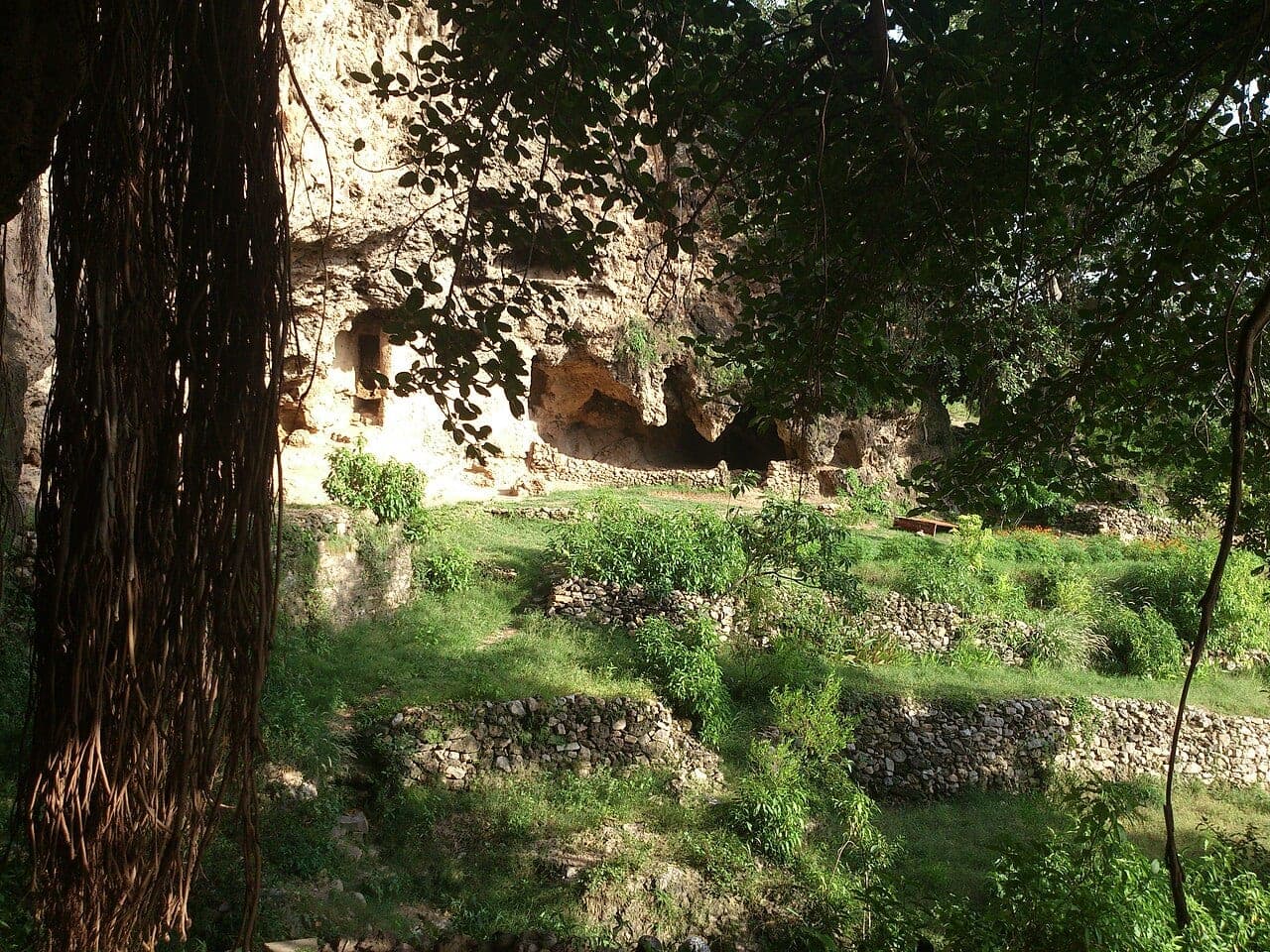
Shah Allah Ditta Caves
Buddhist-era caves and banyan trees at the western edge of the capital.
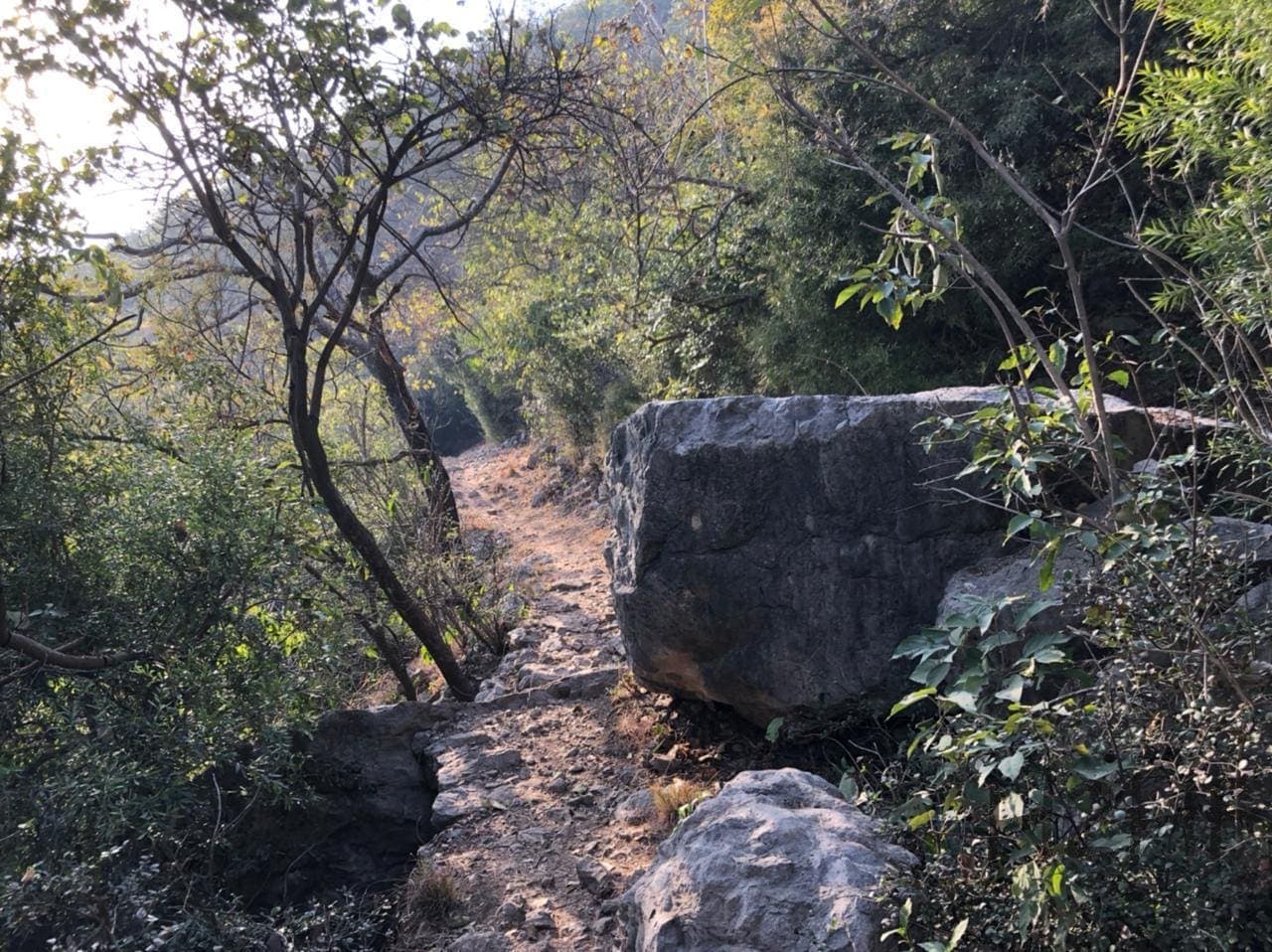
Trail 1
The long approach from Margalla Road up to the top of the Pir Sohawa road, with the option of carrying on to Monal.
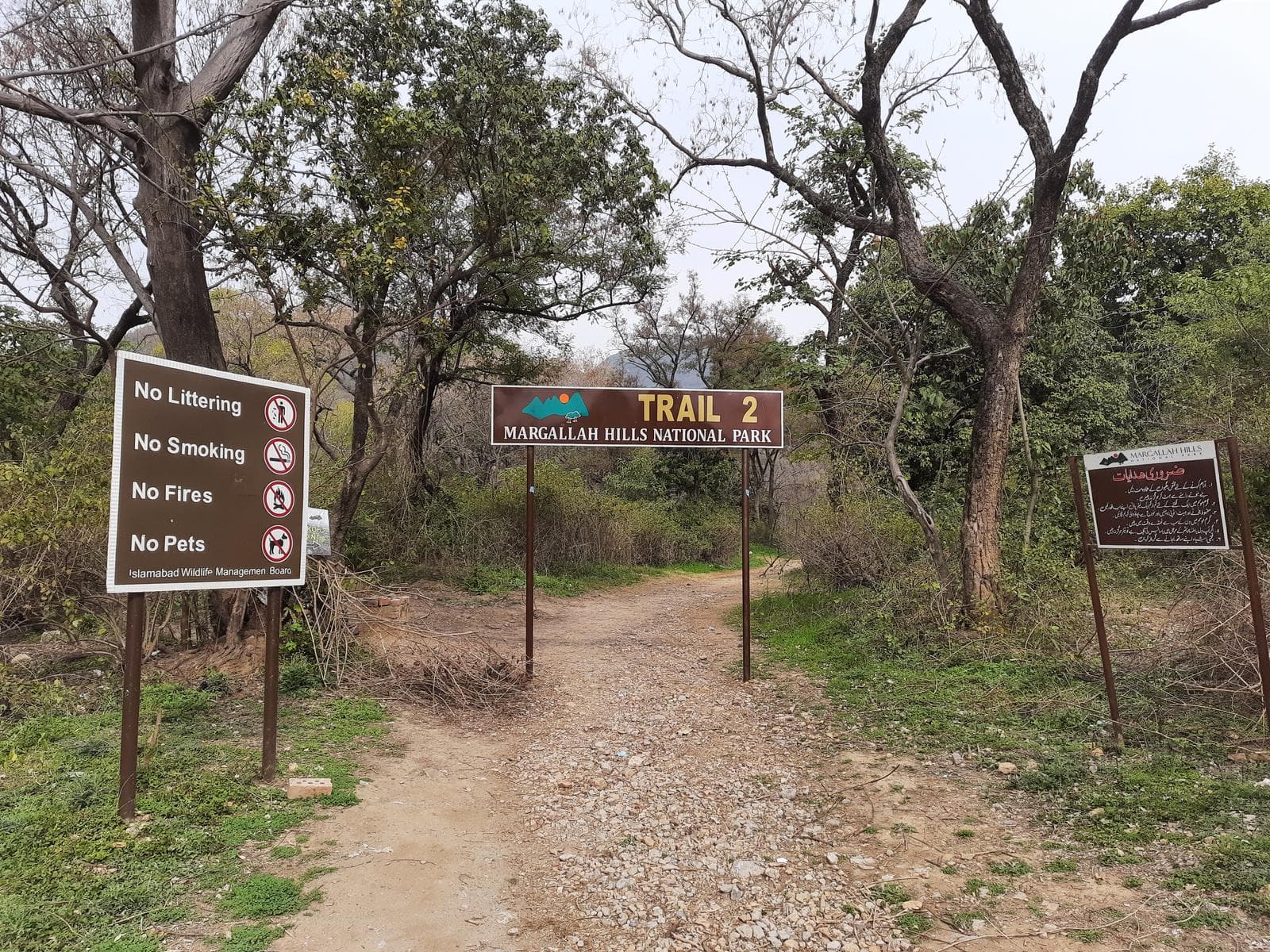
Trail 2
A shorter climb to the Daman-e-Koh viewpoint, with the option of continuing up the ridge.
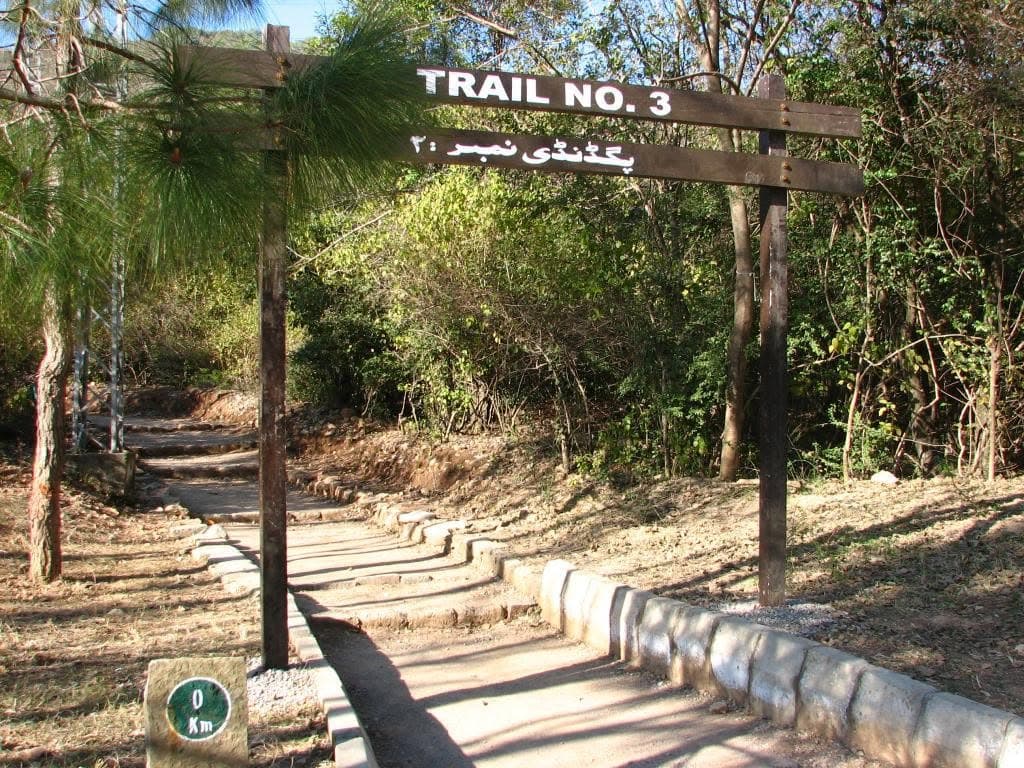
Trail 3
The best known climb out of Islamabad — steep, sustained, and busy from first light at weekends.
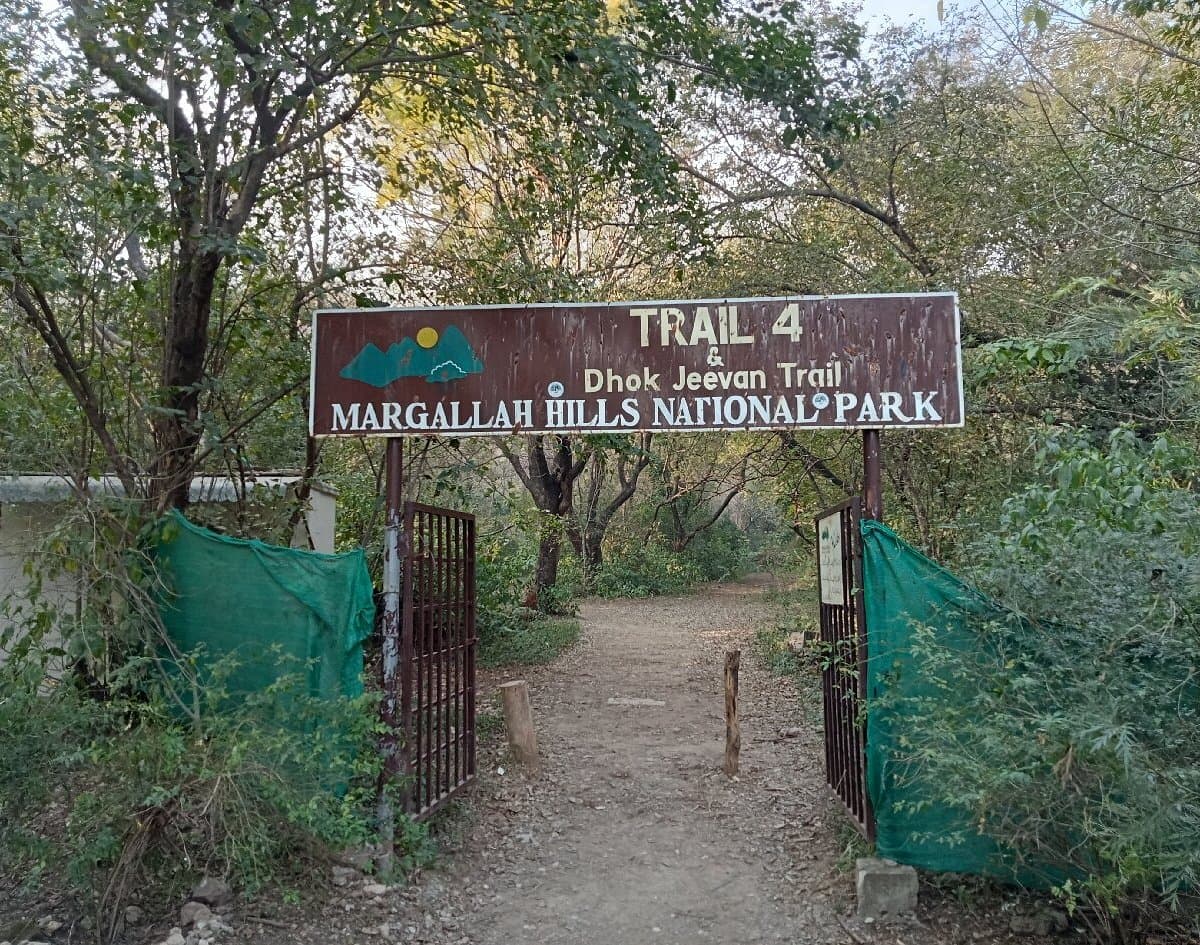
Trail 4
A link path between Trails 3 and 5 rather than a walk in its own right.
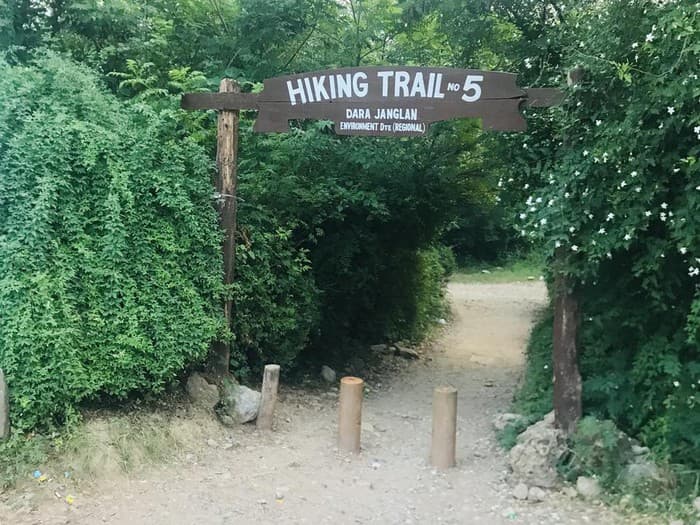
Trail 5
The longer, gentler line up to Pir Sohawa, running parallel to Trail 3 from Sector F-5.
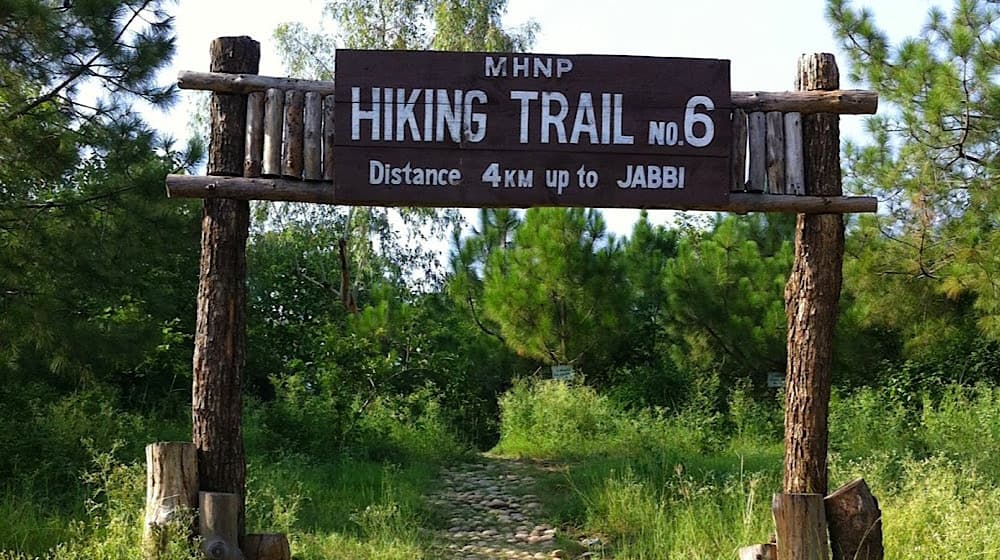
Trail 6
The quiet one — a valley route behind Faisal Mosque with a mountain-bike track and a birdwatching point.
Trips from Islamabad
All field guides →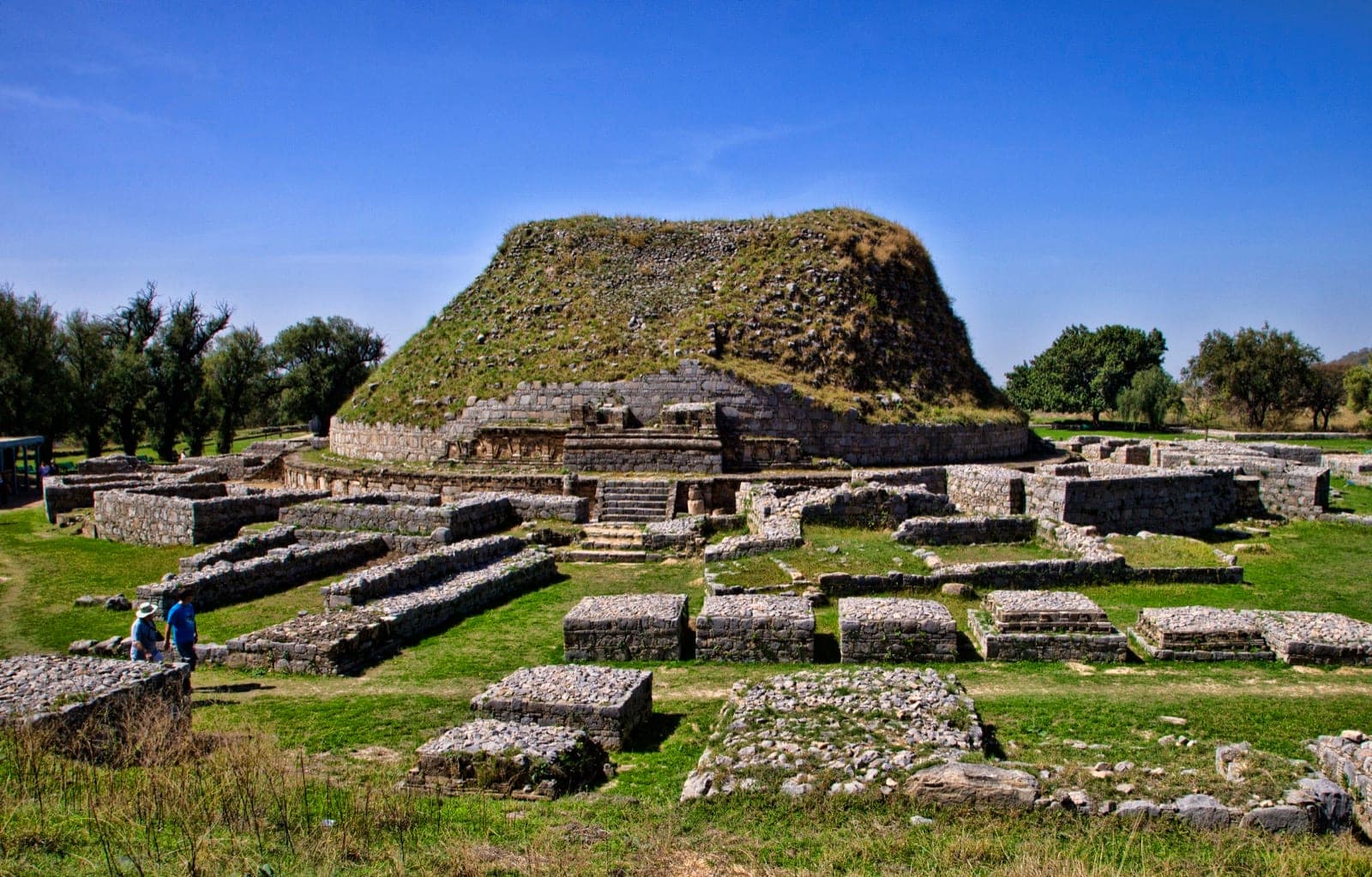
Resorts
All resorts →GreenPak stays in this area are listed on the region guide.
Curated Journeys
All tours →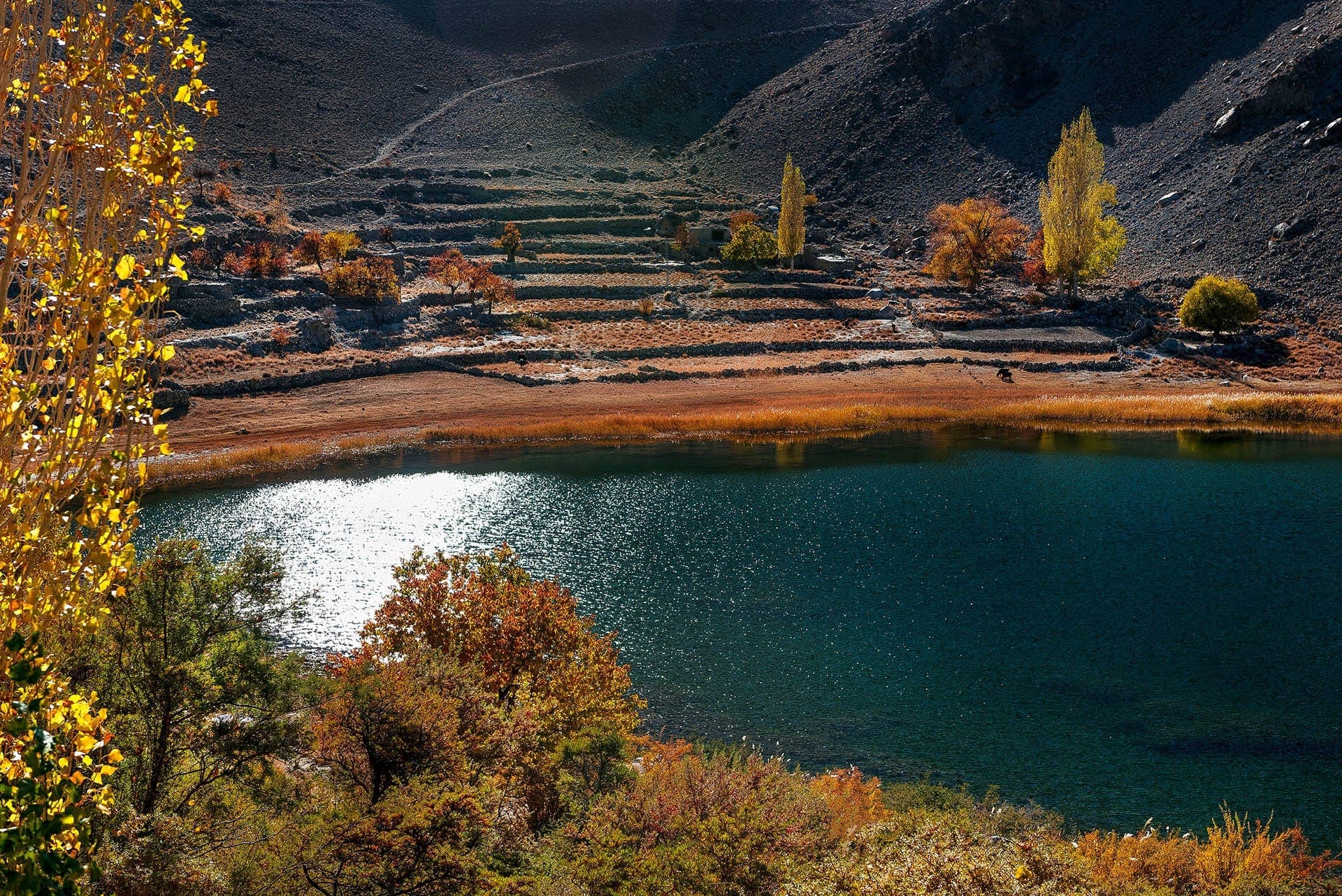
3-Star: 9 Days 8 Nights Spell-Binding Tour
The spell-binding circuit on a three-star footing — the same route, a lighter budget.
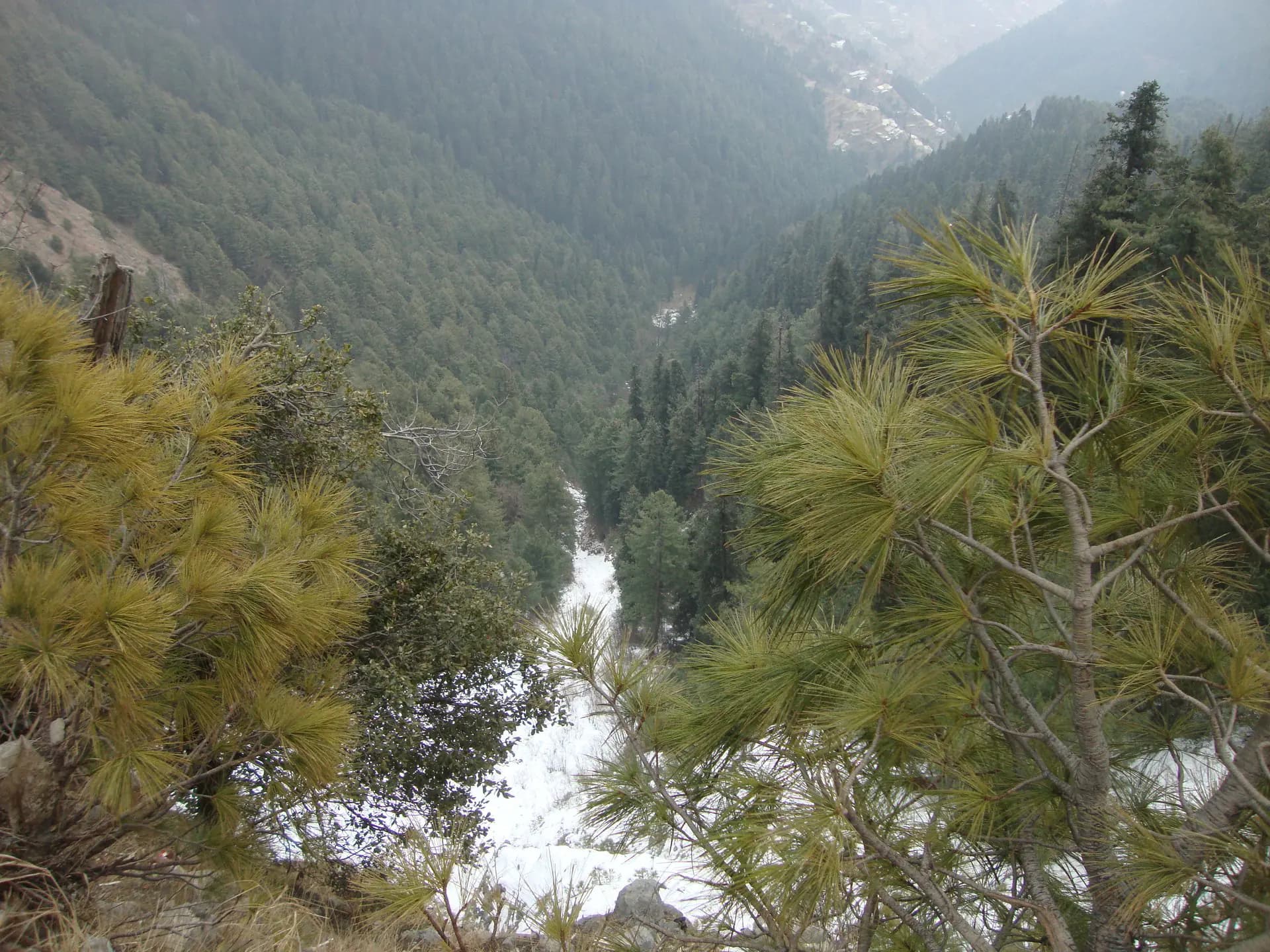
Ayubia Day Trip From Islamabad
A single day out of Islamabad into the Galyat, leaving F-8/4 at seven in the morning. The pipeline track and its tunnel
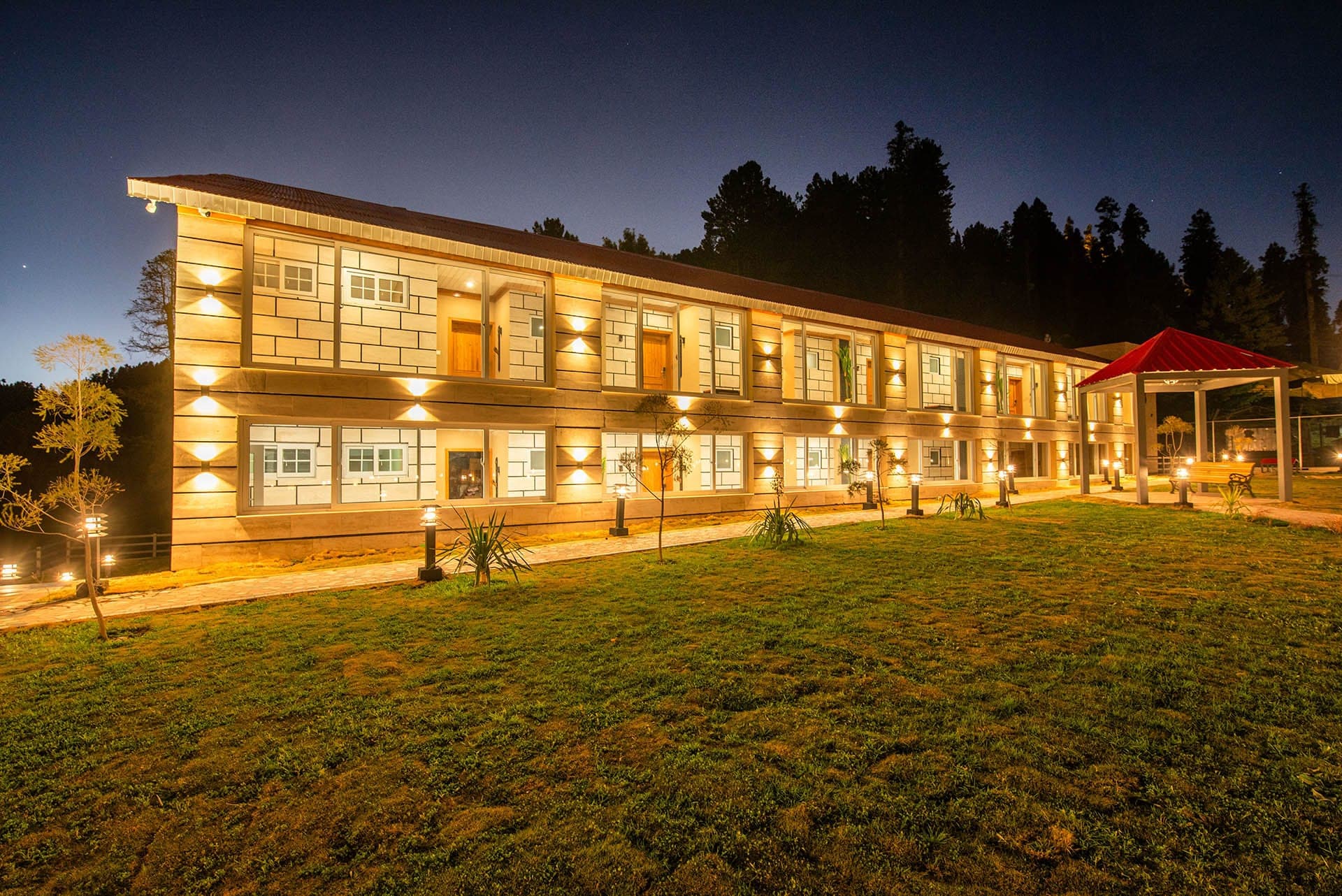
Ayubia From Lahore
A twelve-seat group run from Lahore every Friday, leaving Liberty at six in the morning by Toyota Grand Cabin. Two night
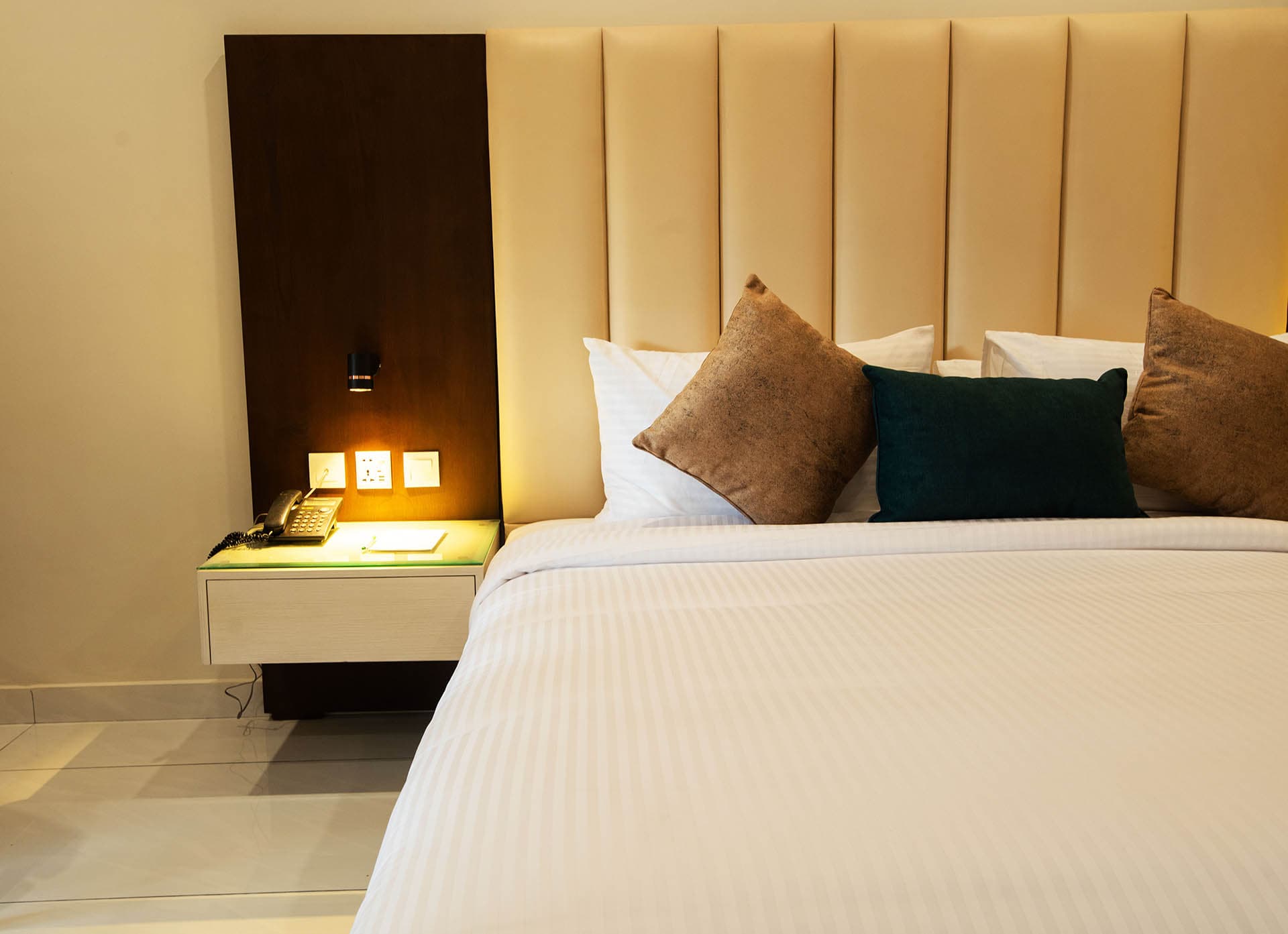
Private Escape to Ayubia From Lahore
Three days in the Galyat with the driving, the rooms and the mornings arranged around you rather than a group. A private