
Field guides / Balochistan / Ziarat Juniper Forest
Field guide · Nature
Ziarat Juniper Forest
UNESCO tentative juniper forest landscape in Balochistan.
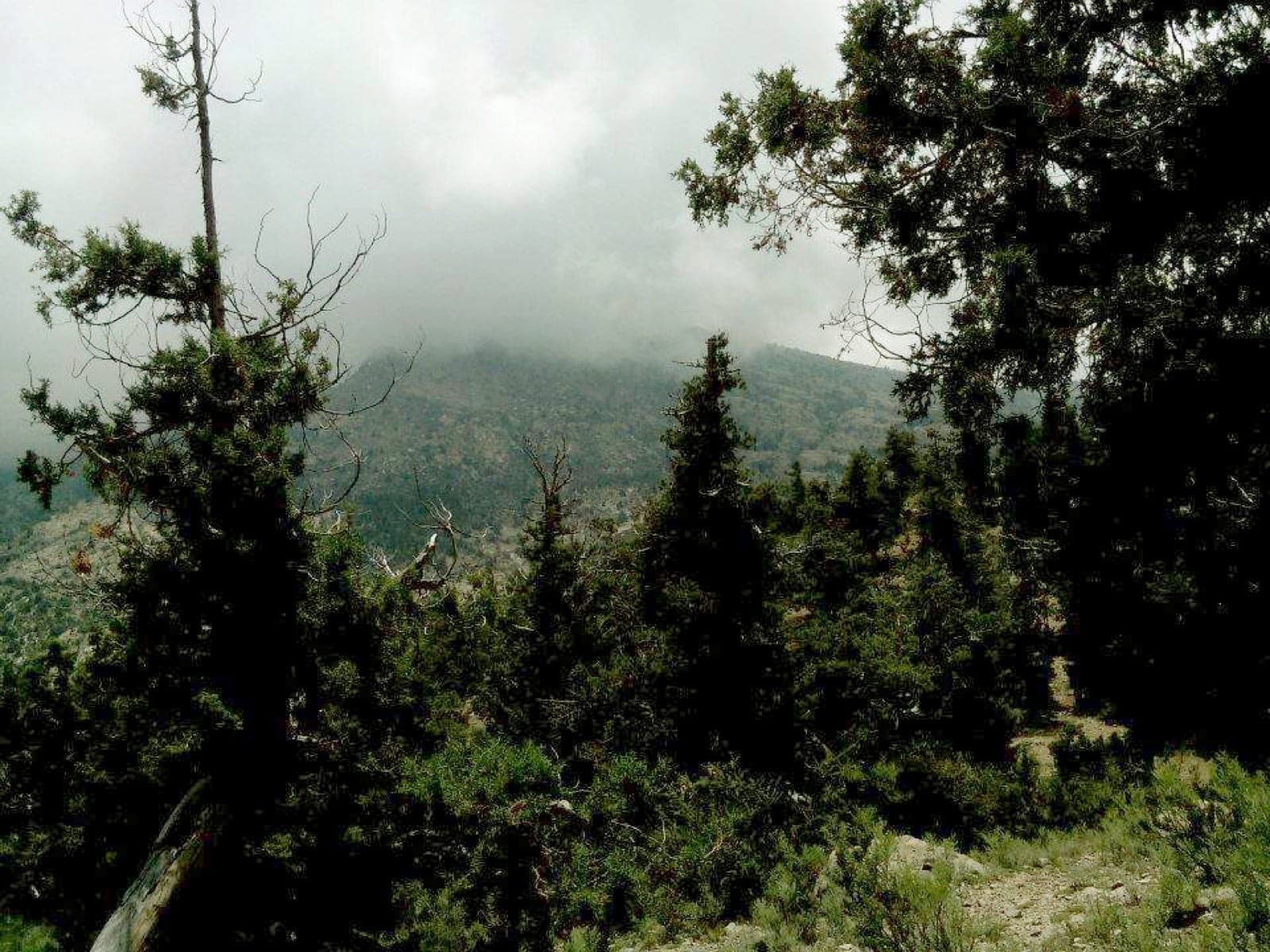
The Ziarat juniper forest is one of the largest and oldest juniper forests in the world, a vast, slow-growing woodland spread across the highlands around the hill town of Ziarat in Balochistan, where some of the gnarled trees are estimated to be thousands of years old. Designated a UNESCO Biosphere Reserve, it is a living relic of an ancient ecosystem, home to wildlife including the markhor and Suleiman markhor, wolves, and birds of prey. Ziarat itself adds a layer of history as the place where Pakistan's founder, Muhammad Ali Jinnah, spent his final months.
Why go
- ✦One of the world's oldest juniper forests
- ✦UNESCO Biosphere Reserve
- ✦Millennia-old gnarled trees
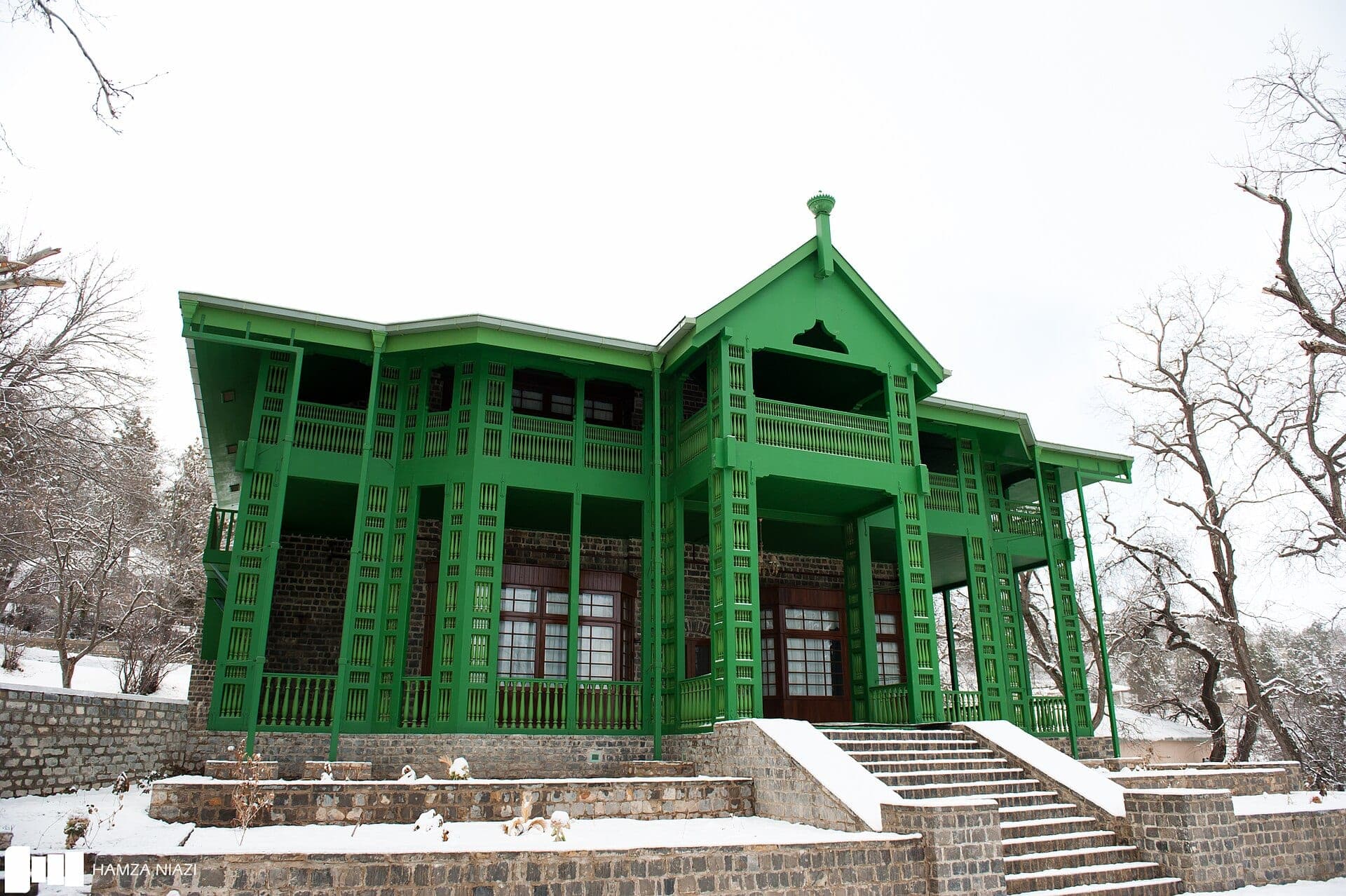
- ✦Quaid-e-Azam Residency
- ✦Markhor and highland wildlife
An Ancient Forest
The Ziarat junipers grow with extraordinary slowness in this dry, high country, so the largest trees represent thousands of years of growth, living organisms older than most human monuments. Walking among the twisted, weathered trunks across the hillsides is a quiet, humbling experience, and the forest's protected status reflects its global rarity.
The Quaid's Residency
Ziarat town is bound up with Pakistan's founding: the wooden colonial-era Quaid-e-Azam Residency is where Muhammad Ali Jinnah spent his last months in 1948. Now a national monument and museum, it draws visitors for its historical significance and its setting among the junipers and orchards of the valley.
Wildlife and Conservation
The biosphere reserve shelters markhor and other wild goats on its crags, along with wolves, foxes, and raptors, in an ecosystem under pressure from grazing and firewood cutting. Responsible visiting, staying on tracks, taking nothing, supporting local conservation-minded operators, helps protect a forest that cannot quickly regrow.
Planning tip
Best Time to Visit, April to October for pleasant mountain weather and access; Ziarat is high and cold, with snow in winter that can be beautiful but limits movement.
Getting there, About 125 km from Quetta, roughly a 3-hour drive up into the Balochistan highlands. As with all travel in the province, check current conditions and arrange a local guide or operator.
Allow, A day for the forest and the Quaid-e-Azam Residency; an overnight to explore the valleys more fully.
What to Do
Nearby
Straight-line distance from Ziarat Juniper Forest, within 5 km.