
Field guides / Balochistan / Quaid-e-Azam Residency, Ziarat
Field guide · Nature
Quaid-e-Azam Residency, Ziarat
The colonial-era wooden residency where Jinnah spent his final months, set among the world's second-largest juniper forest.
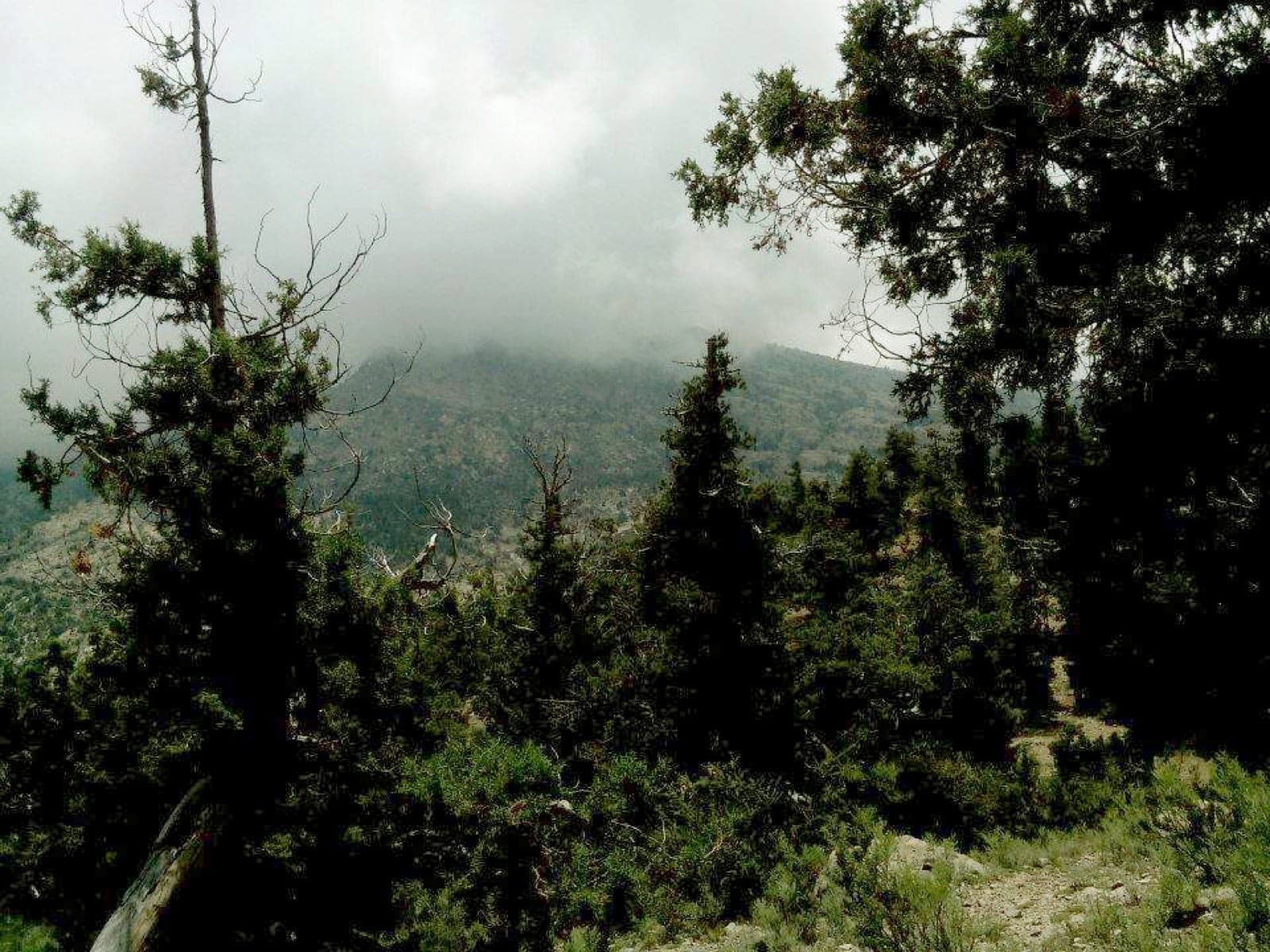
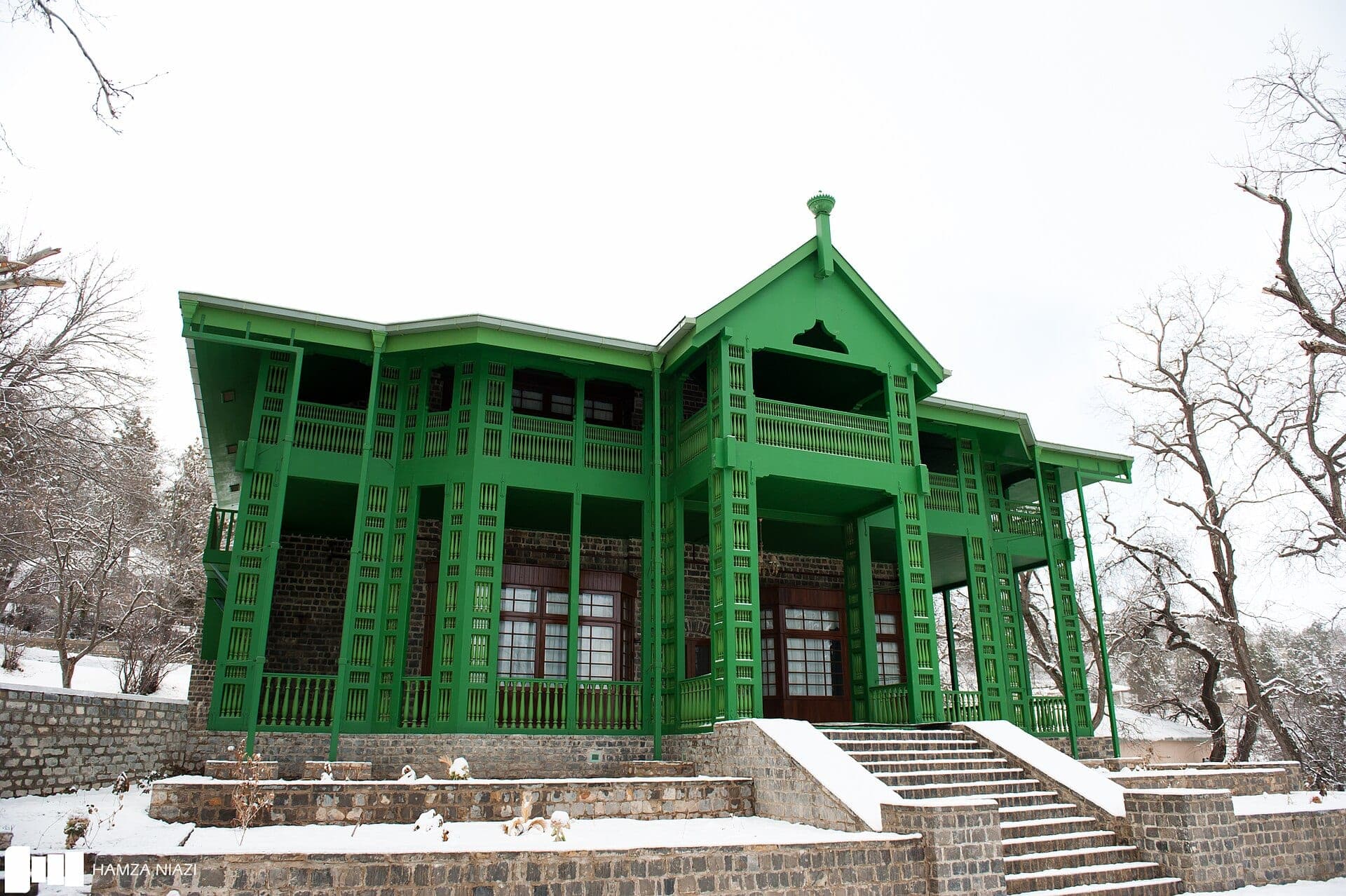
The Quaid-e-Azam Residency at Ziarat is the colonial-era wooden lodge where Muhammad Ali Jinnah, the founder of Pakistan, spent the final two months and ten days of his life in 1948, gravely ill and advised by his doctors to seek Ziarat's cooler, drier air. Built in 1892 as a sanatorium and later converted into the summer residence of the Agent to the Governor General, the building was renamed and declared a national asset after Jinnah's death. It stands among the world's second-largest juniper forest, some of whose trees are thousands of years old, a striking, fragrant setting for one of Pakistan's most solemn heritage sites.
Why go
- ✦Jinnah's residency, rebuilt after 2013
- ✦World's second-largest juniper forest
- ✦Jinnah's final months, 1948
- ✦Cool, pine-scented hill town
- ✦National monument and museum
Jinnah's Final Months
Jinnah arrived at Ziarat in the summer of 1948, already terminally ill with tuberculosis, on medical advice that the dry mountain air might ease his condition. He spent his last two months and ten days here before being flown back to Karachi, where he died on 11 September 1948. The residency's rooms, preserved as they were during his stay, make the building feel less like a museum and more like a paused moment in the country's founding history.
Destroyed and Rebuilt
In the early hours of 15 June 2013, militants from the Balochistan Liberation Army attacked the residency with rockets and gunfire, burning the wooden structure to the ground, an assault that shocked the country given the building's symbolic weight. The government rebuilt it within about fourteen months, and the reconstructed residency reopened to the public on Independence Day, 14 August 2014, restored to its original design.
The Juniper Forest
Beyond the residency itself, Ziarat sits inside the second-largest juniper forest in the world, home to trees estimated at several thousand years old, some of the oldest living things in Pakistan. Even in high summer, evenings here are cool enough to need a jacket, and the scent of juniper on the air is as much a part of visiting as the history.
Plan It with GreenPak
Use Plan a trip to combine Ziarat with Quetta and Hanna Lake; coastal Balochistan is handled as a separate, escorted route given the distances involved.
Planning tip
Best Time to Visit, April to October; Ziarat is cool and pine-scented in summer, with genuinely cold, often snowbound winters that close much of the town down.
Getting there, About 130 km from Quetta (three to four hours) through the juniper-covered hills, manageable as an escorted day trip, though an overnight allows a more unhurried visit.
Allow, A day trip or overnight from Quetta.
What to Do
Nearby
Straight-line distance from Quaid-e-Azam Residency, Ziarat, within 5 km.