
Area guides / Punjab / Lahore
Area guide
Lahore
Mughal grandeur, walled-city food, and spring festivals
Region
Punjab
When to go
October to March for comfortable city walking
Getting there
Lahore is reached by air or the M2 motorway. The Walled City, forts, and gardens are spread across the old core, easily linked by car.
Spots
3 key places
Overview
The Mughal capital of the Punjab
Lahore Fort, a UNESCO World Heritage Site since 1981 alongside the Shalimar Gardens, holds 21 monuments behind its walls, its core built under Emperor Akbar between 1556 and 1605 and steadily expanded by his successors. Shah Jahan added the Sheesh Mahal in 1631-32, a mirrored marble pavilion still ranked among the most beautiful palace interiors anywhere, and Aurangzeb's Alamgiri Gate, built in 1673, gives the fort its grand western entrance, facing straight across the Hazuri Bagh to his own Badshahi Mosque. The Shalimar Gardens, laid out by Shah Jahan in 1641-42 across three descending terraces, are the same Persian garden tradition in miniature, still fed by their original canal.
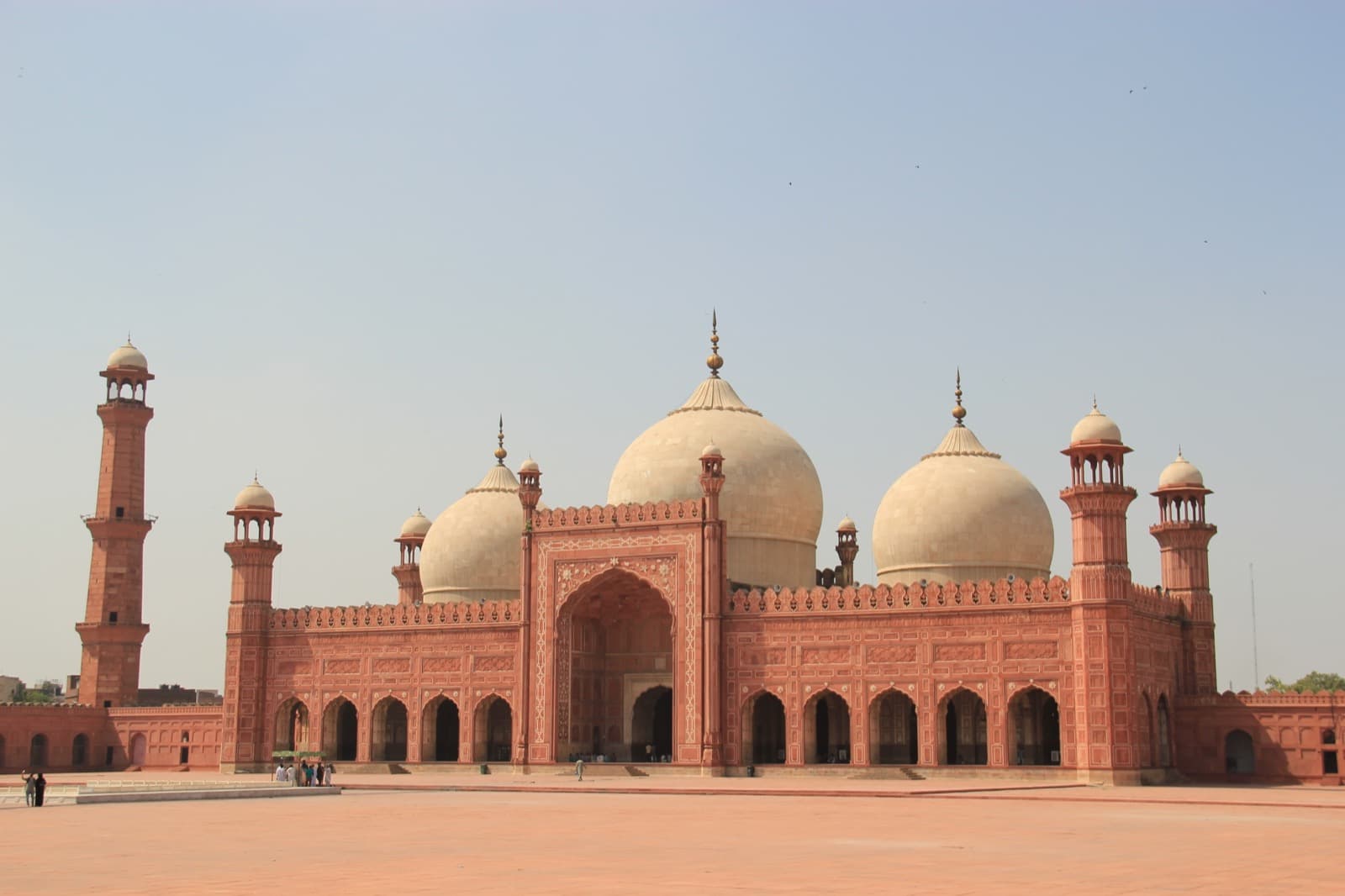
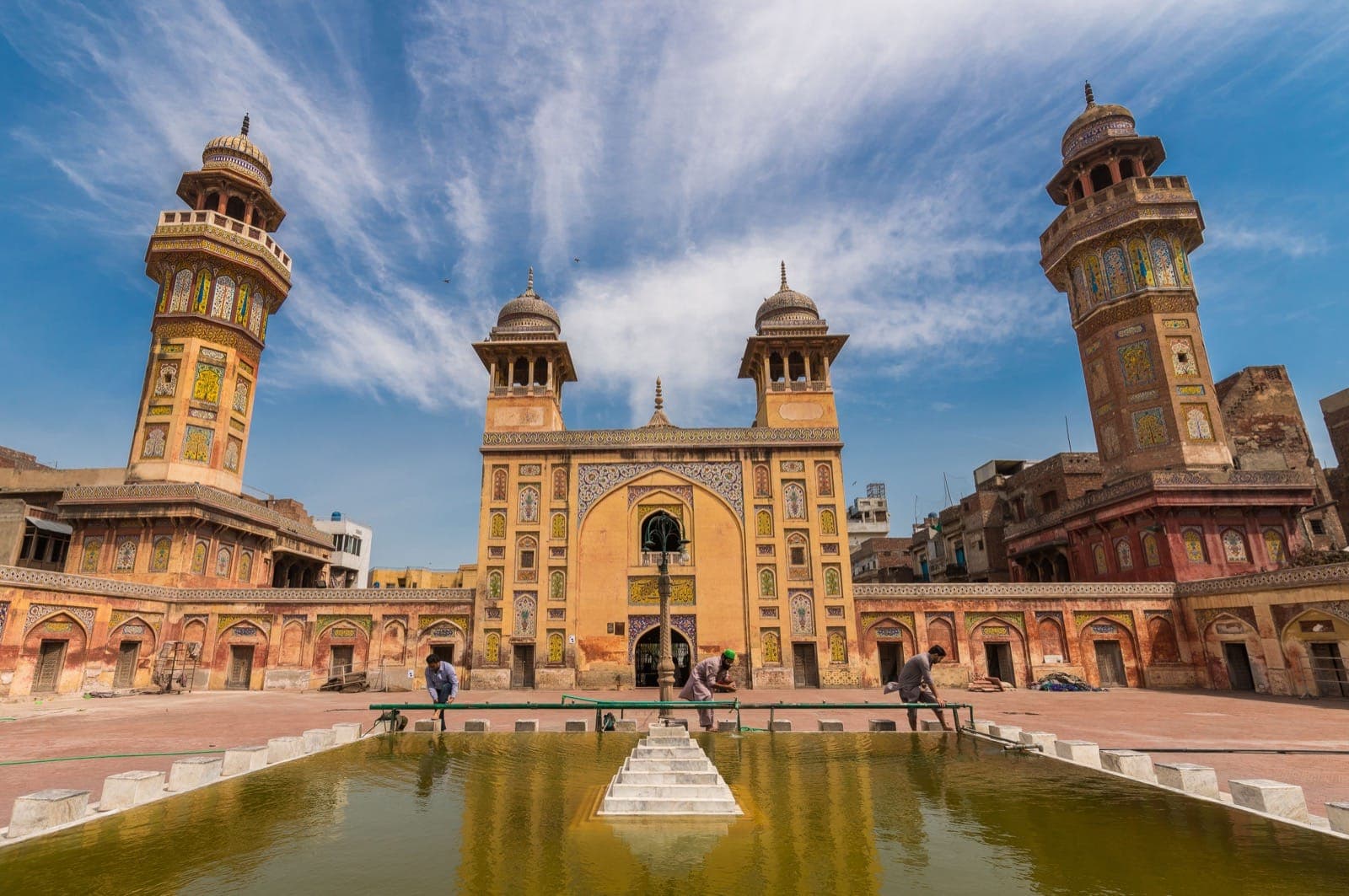
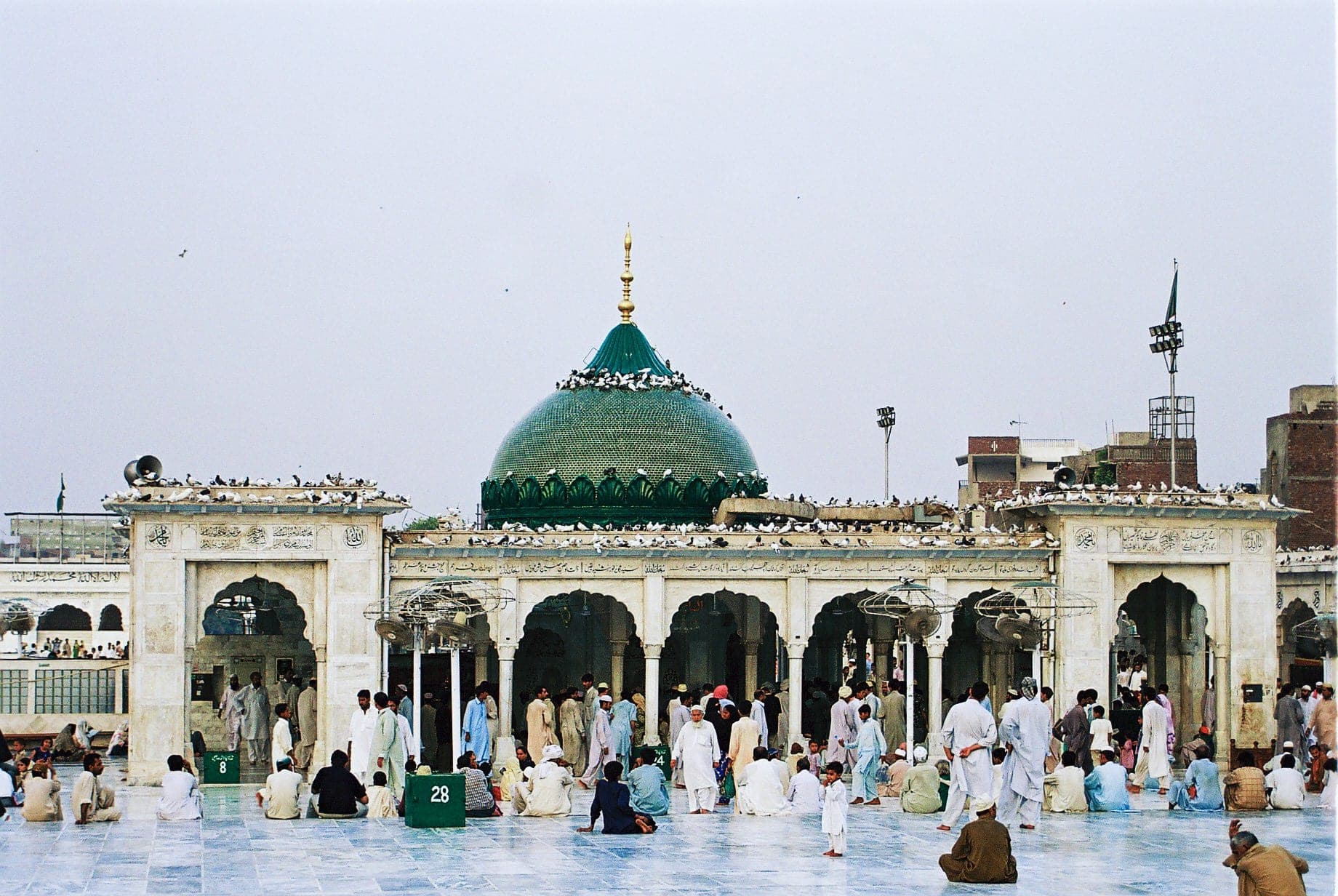
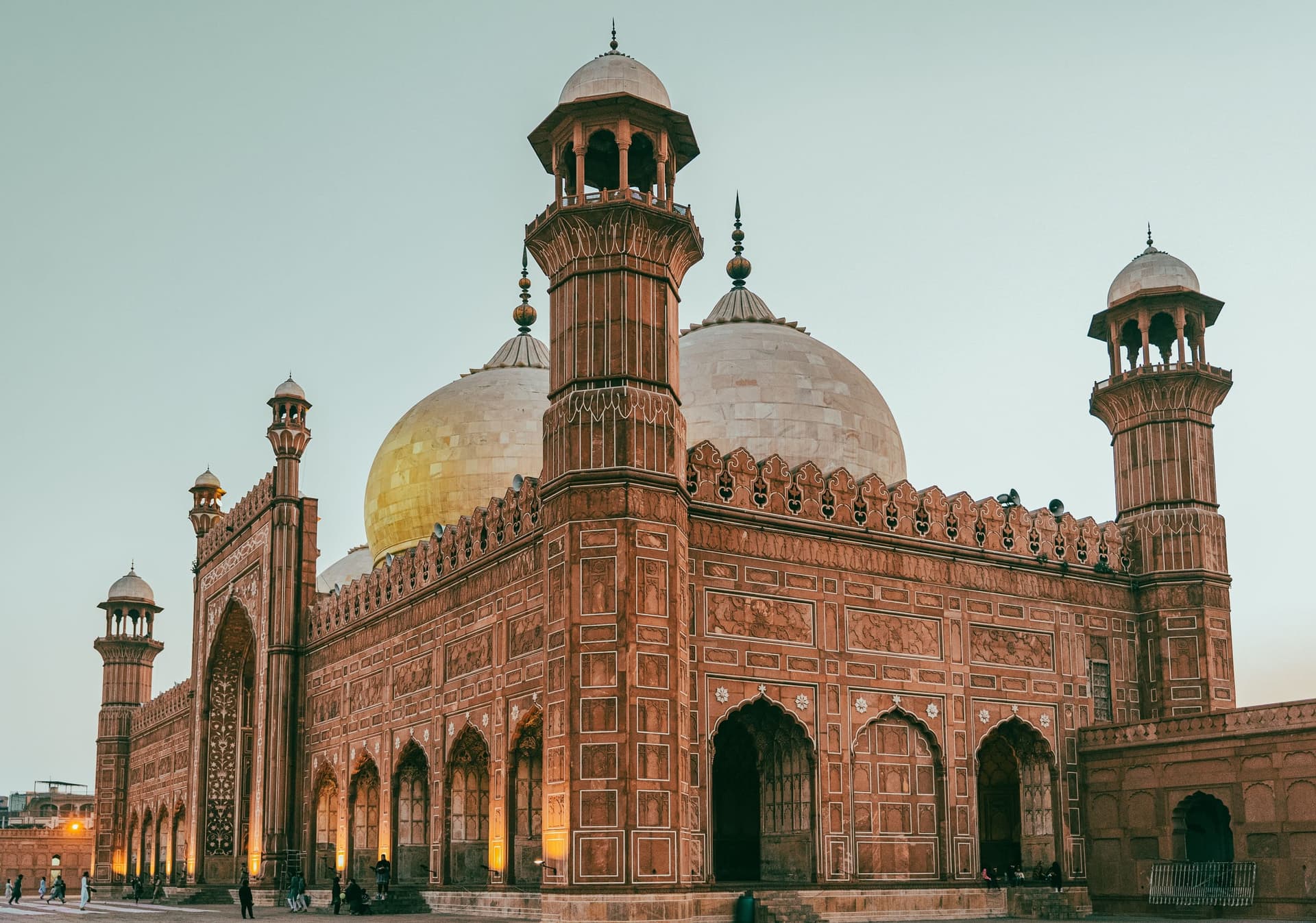
Badshahi Mosque, completed in 1673, was the largest mosque in the world for over three centuries until 1986 and still holds up to 100,000 worshippers across its courtyard and prayer hall, its red sandstone and marble inlay a fitting rival to the fort across the square. Deeper into the Walled City, Wazir Khan Mosque, built between 1634 and 1641 by Lahore's governor Hakim Ilmuddin Ansari over the tomb of a revered Sufi saint, is generally reckoned the most richly decorated Mughal mosque anywhere, every surface layered in kashi-kari faience tile and fresco work in cobalt, turquoise, and ochre.
The Walled City around both mosques rewards slow, guided walking: enter through Delhi Gate, follow the restored Shahi Guzargah, and stop constantly for food, this is Lahore's working food street, not a recreation of one. Spring brings the city's two signature festivals, Mela Chiraghan's lamplight gathering near Shalimar, and Basant, the kite festival that was banned across Punjab for nearly two decades after fatal accidents involving metal- and chemically-coated flying string, and was only revived under strict new regulation in February 2025, with real injuries reported even at that comeback. If Basant is running during your visit, treat it as a spectacle to watch rather than a kite string to hold, and confirm current safety guidance before joining any celebration.
The Walled City
Enter through Delhi Gate and walk the restored Shahi Guzargah past Wazir Khan Mosque, the old city is best on foot, ideally with a local guide and an appetite.
Basant & Mela Chiraghan
Mela Chiraghan lights up the ground near Shalimar each spring, a calmer, safer draw than Basant. Basant itself was banned for nearly two decades after fatal kite-string accidents and only returned in February 2025 under new regulation, confirm its current legal status before travelling around it, and if it is running, watch rather than fly.
Getting around
The Walled City's lanes are best explored on foot or by cycle-rickshaw, cars can't reach most of the interior. Lahore Fort, Badshahi Mosque, and Wazir Khan Mosque all sit within a 15-minute walk of each other; a driver is more useful for reaching Shalimar Gardens or the airport.
Food of the Walled City
Gawalmandi and the Fort Road food street serve Lahore's classic dishes late into the night, nihari, siri paye, and fish fry among them. Inside the Walled City itself, rooftop restaurants near Badshahi Mosque and the fort look directly onto both monuments, a Lahore rite of passage for a first dinner in the city.
Top sights in Lahore
Region guide →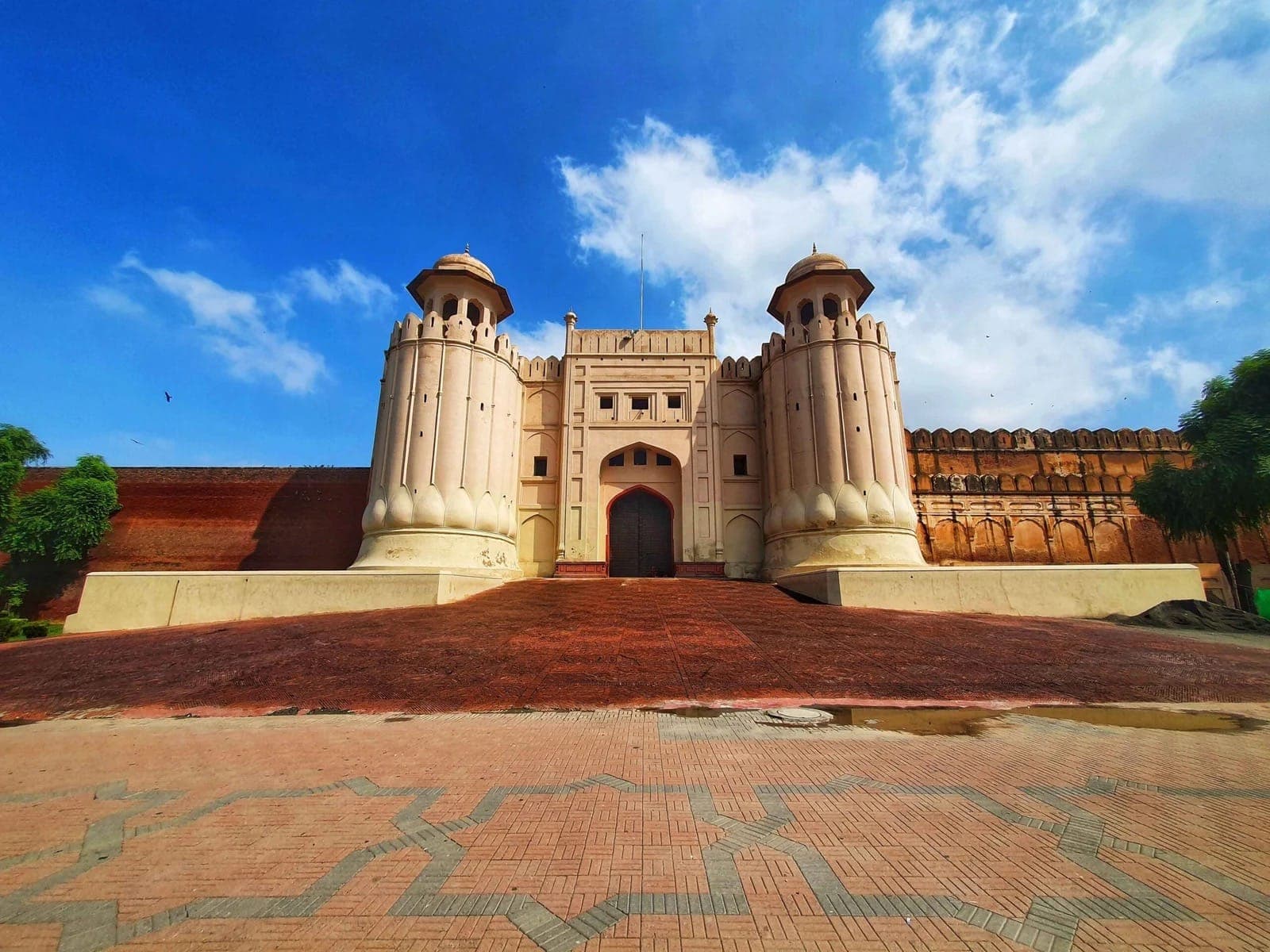
Festivals & Events
All events →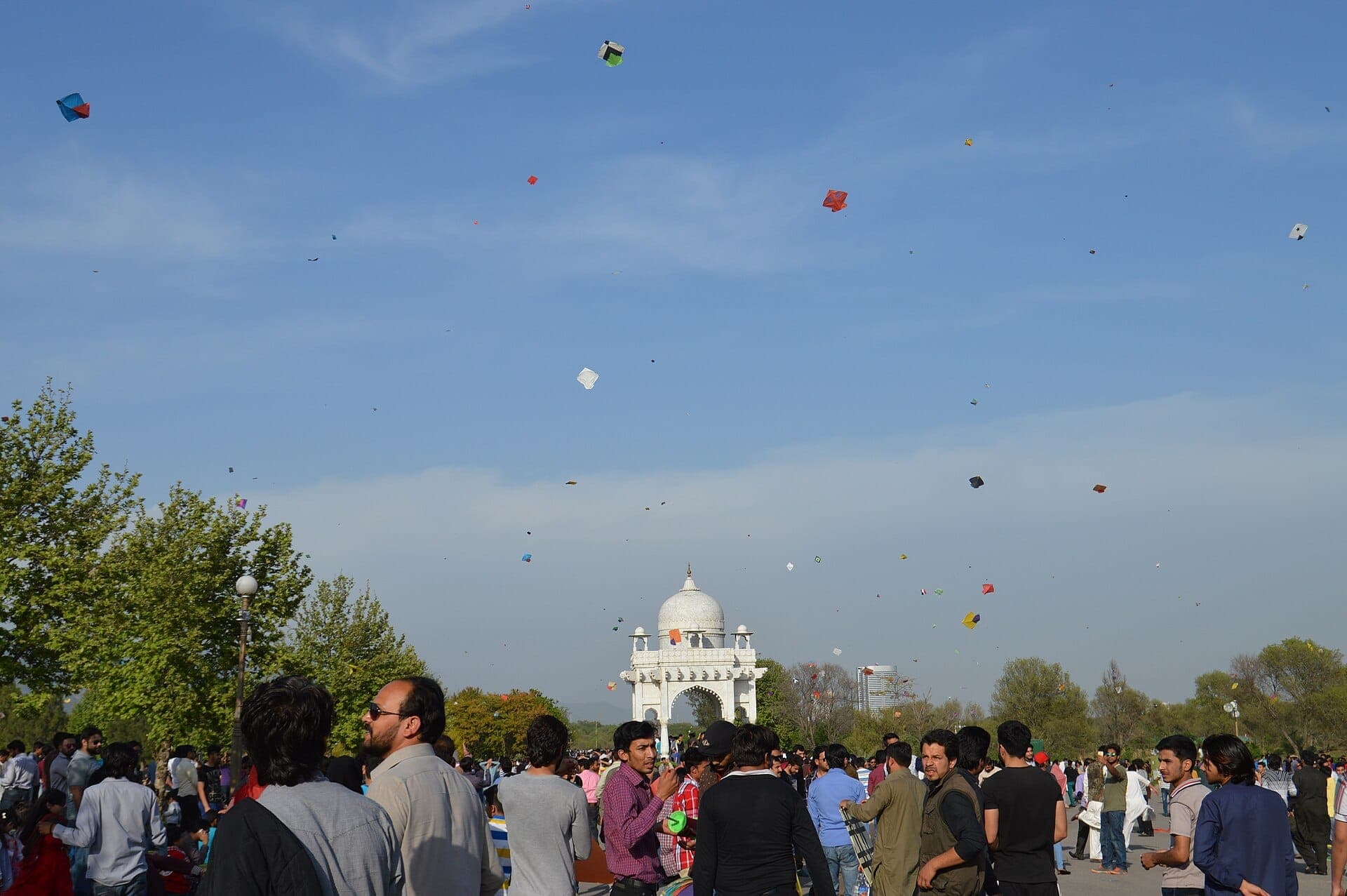
Field Guides
All places →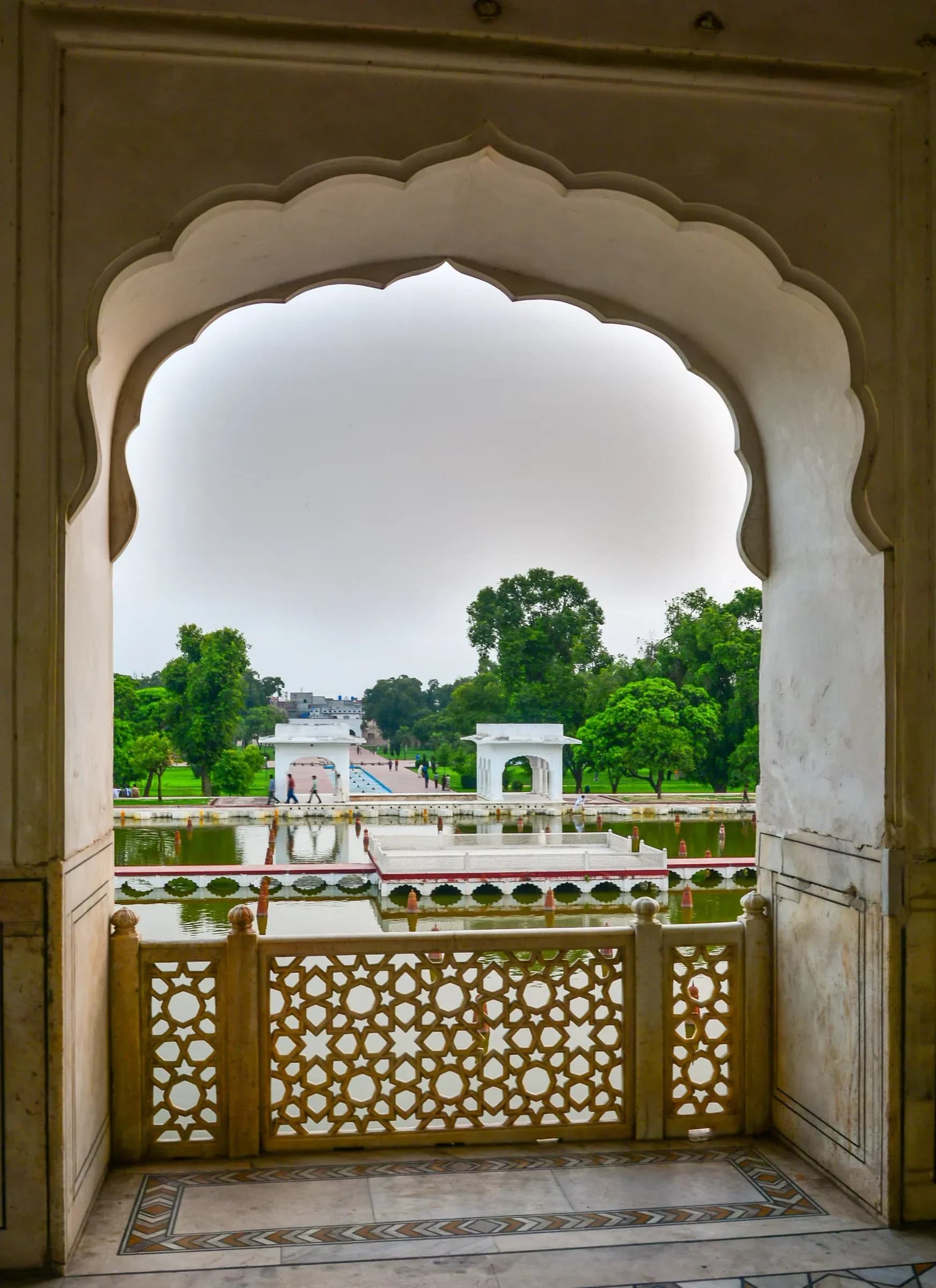
Lahore Fort and Shalamar Gardens: UNESCO World Heritage Site
The Lahore Fort (Shahi Qila) and the Shalamar Gardens are a joint UNESCO World Heritage Site and the twin jewels of Mughal Lahore. Lahore Fort developed over several historical periods and was extensively rebuilt and expanded under the Mughal emperors, beginning with Akbar, and elaborated by Jahangir, Shah Jahan, and Aurangzeb, a layered palace-city of audience halls, marble pavilions, and the dazzling Sheesh Mahal (Palace of Mirrors). Seven kilometres away, the Shalamar Gardens, commissioned by Emperor Shah Jahan and completed during the seventeenth century, are a perfect surviving example of the Mughal charbagh: three descending terraces of fountains, water channels, and pavilions.
Badshahi Mosque
The Badshahi Mosque is the grand Mughal statement of Lahore, a vast composition of red Mughal sandstone and white marble built in 1673 by the emperor Aurangzeb, and for over 300 years the largest mosque in the world. Its courtyard alone holds tens of thousands of worshippers, and its silhouette of three marble domes and four soaring minarets, facing the Lahore Fort across the Hazuri Bagh, is the defining image of the old city. It remains an active mosque and the spiritual and architectural heart of the Walled City.
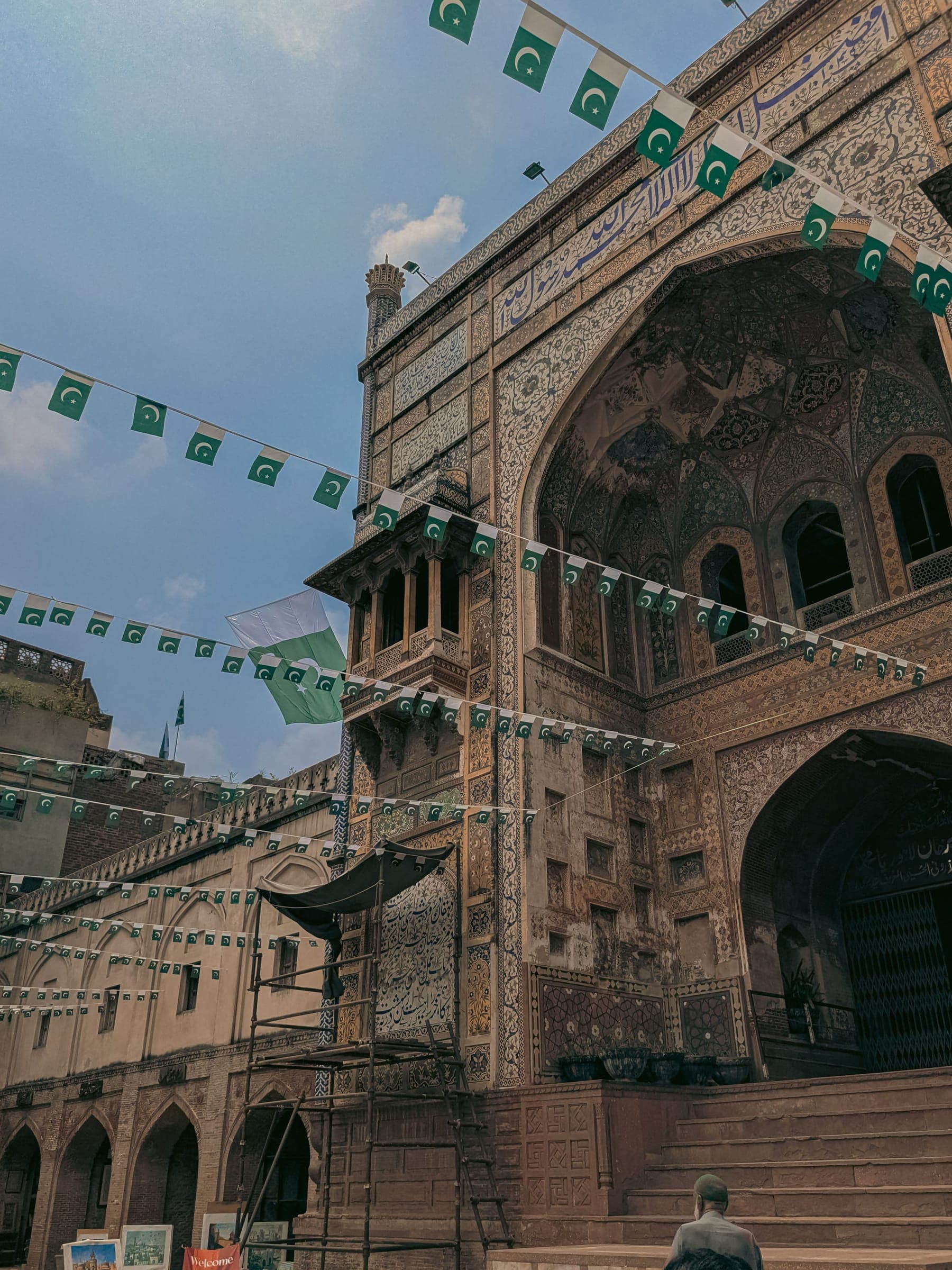
Wazir Khan Mosque
The Wazir Khan Mosque is the most beautiful interior in the Walled City of Lahore, a 1634 Mughal mosque famous above all for its kashi-kari, the intricate glazed-tile mosaic and fresco work that covers almost every surface in cobalt, turquoise, ochre, and green. Built during Shah Jahan's reign by the governor Hakim Ilmuddin Ansari (titled Wazir Khan), it sits deep in the old city near the Delhi Gate, its courtyard and prayer hall a riot of floral and calligraphic decoration. It is widely regarded as the finest tile-work mosque of the Mughal era.
Resorts
All resorts →GreenPak stays in this area are listed on the region guide.