
 Photo: Muhammad Ashar, CC BY-SA 3.0, via Wikimedia Commons
Field guides / Punjab / Lahore / Lahore Fort and Shalamar Gardens: UNESCO World Heritage Site
Field guide · Heritage
Lahore
Lahore District · Punjab, Pakistan
Lahore Fort and Shalamar Gardens: UNESCO World Heritage Site
Explore two masterpieces of Mughal architecture and landscape design in the historic city of Lahore.
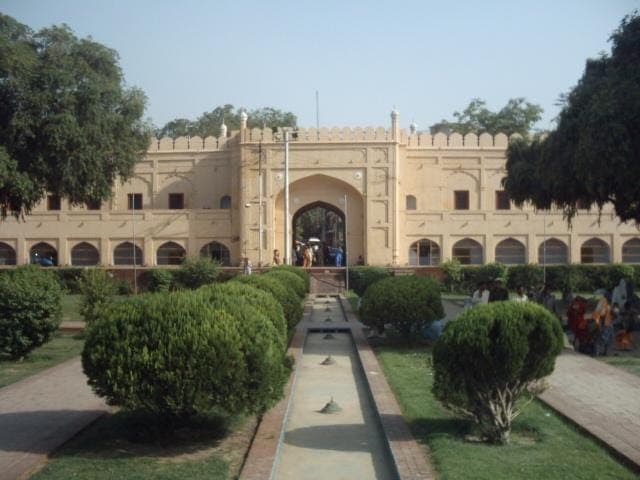
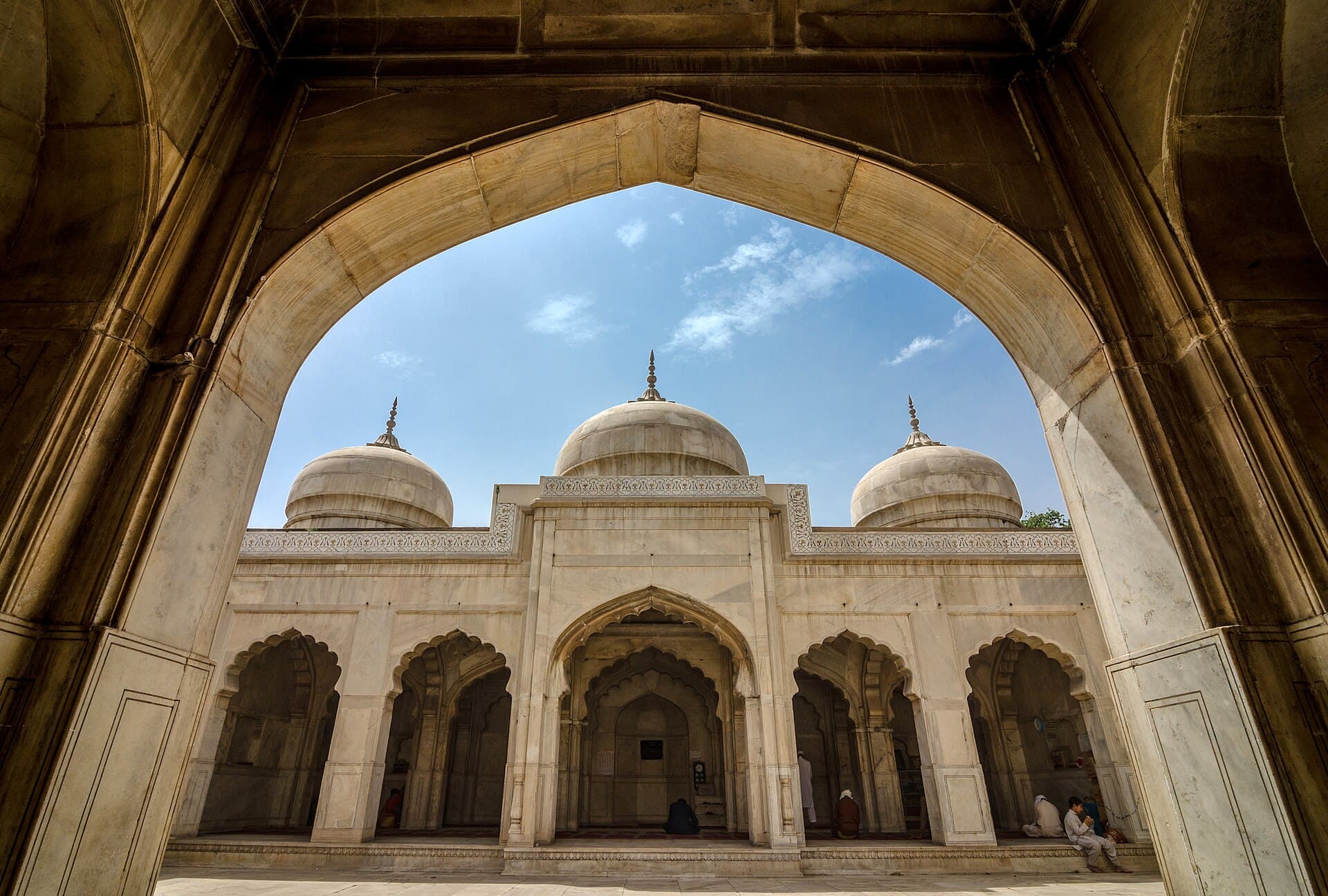
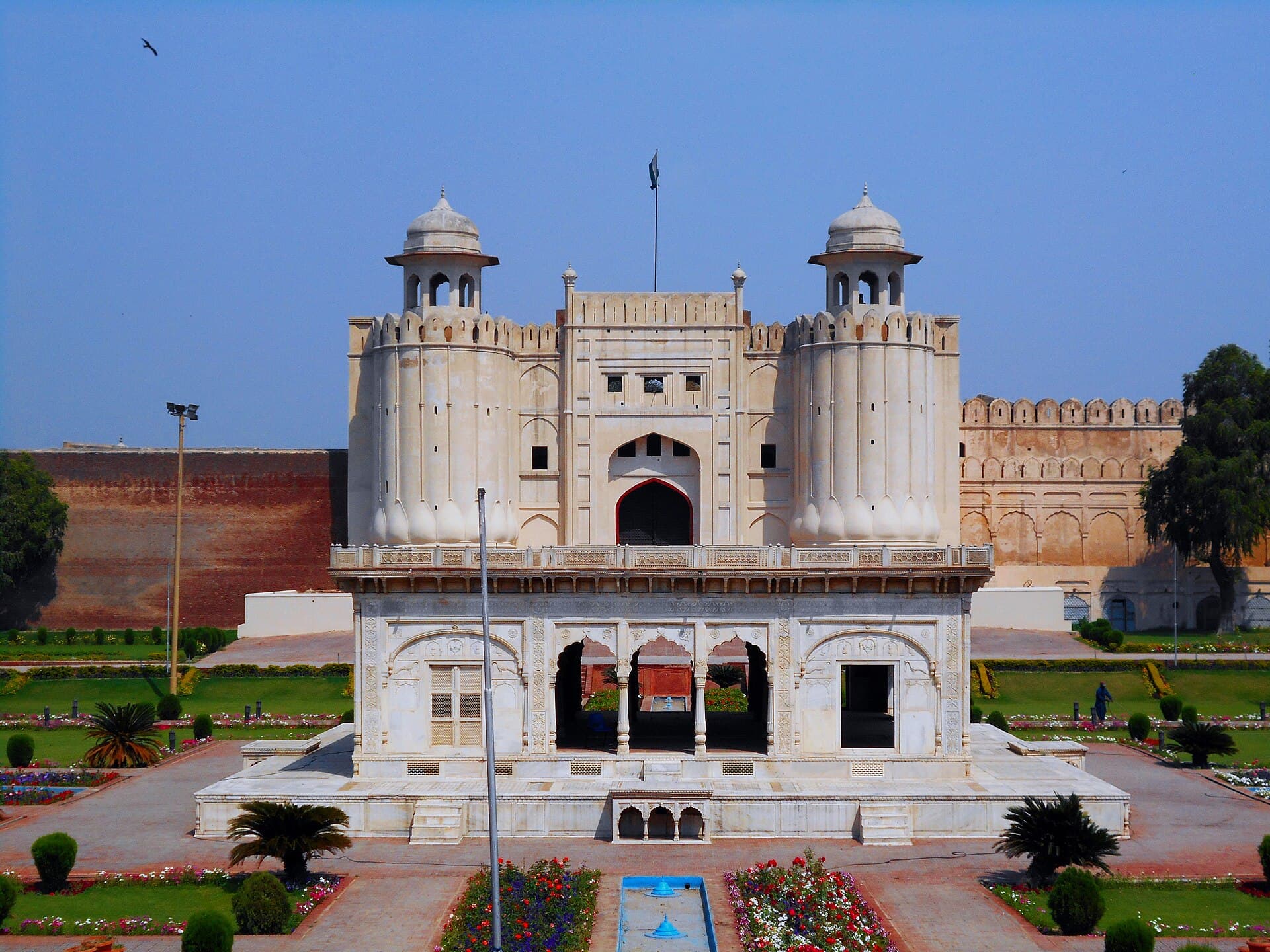
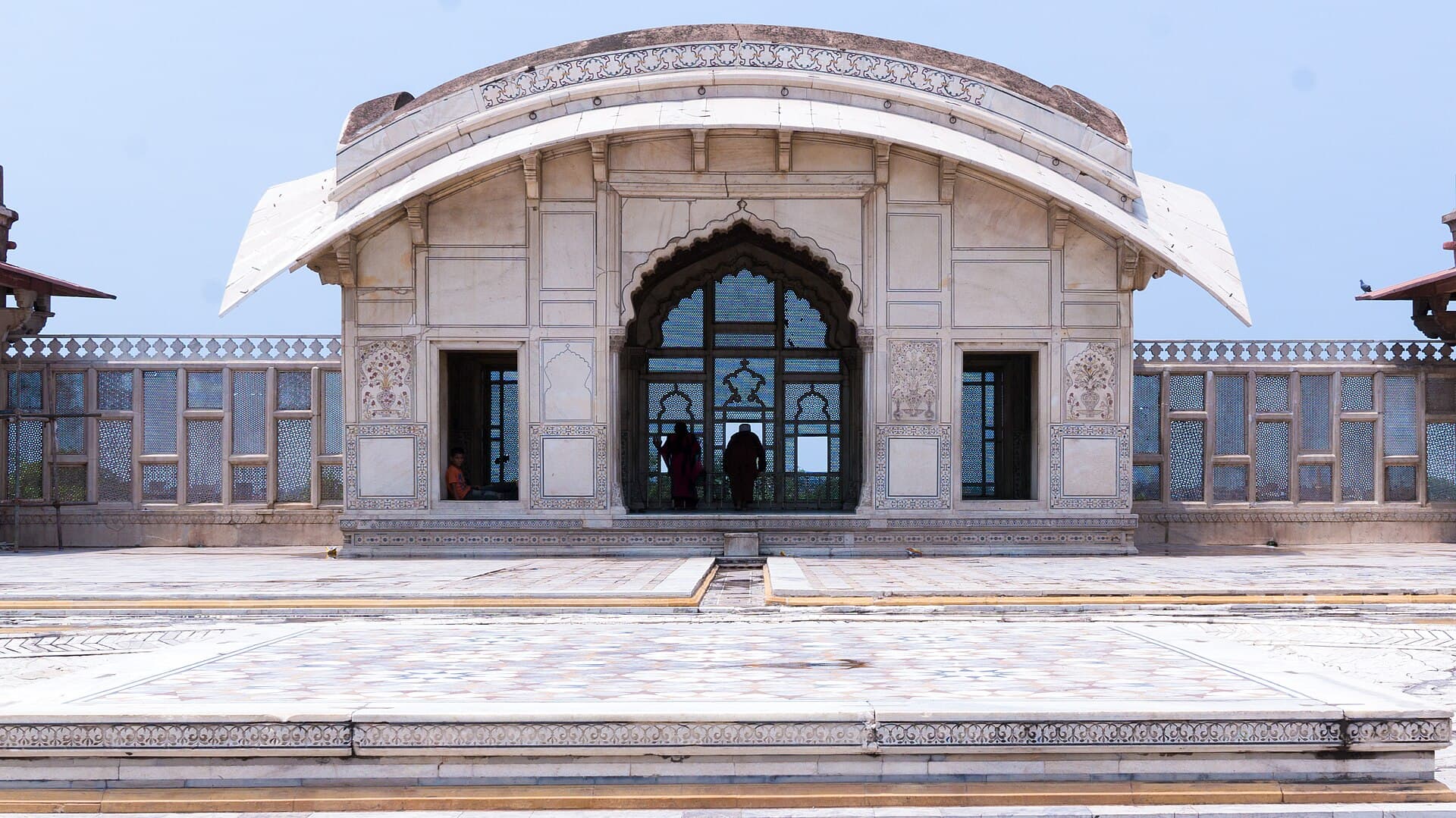
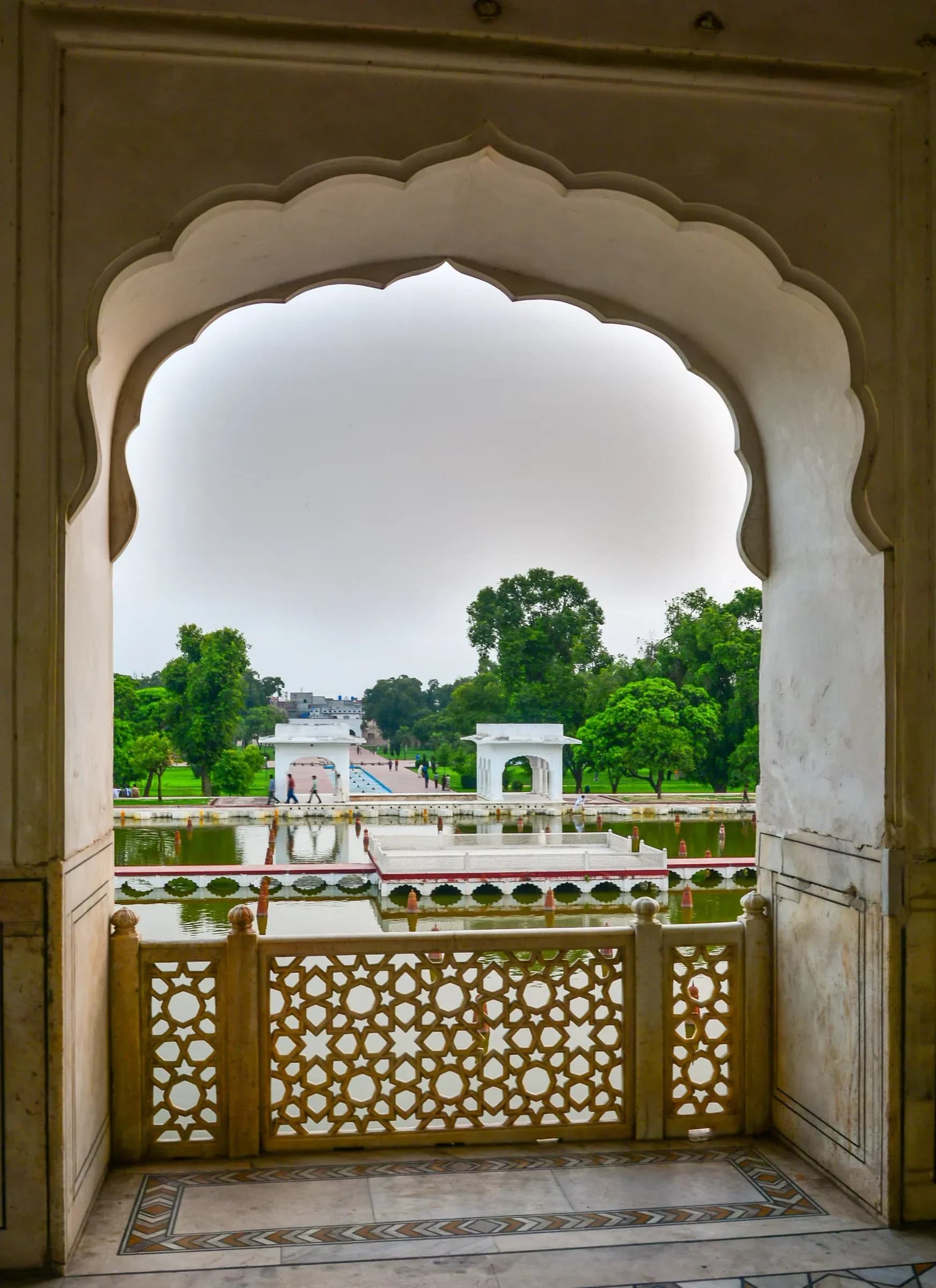
The Lahore Fort (Shahi Qila) and the Shalamar Gardens are a joint UNESCO World Heritage Site and the twin jewels of Mughal Lahore. Lahore Fort developed over several historical periods and was extensively rebuilt and expanded under the Mughal emperors, beginning with Akbar, and elaborated by Jahangir, Shah Jahan, and Aurangzeb, a layered palace-city of audience halls, marble pavilions, and the dazzling Sheesh Mahal (Palace of Mirrors). Seven kilometres away, the Shalamar Gardens, commissioned by Emperor Shah Jahan and completed during the seventeenth century, are a perfect surviving example of the Mughal charbagh: three descending terraces of fountains, water channels, and pavilions.
Why go
- ✦UNESCO-listed Mughal citadel and garden
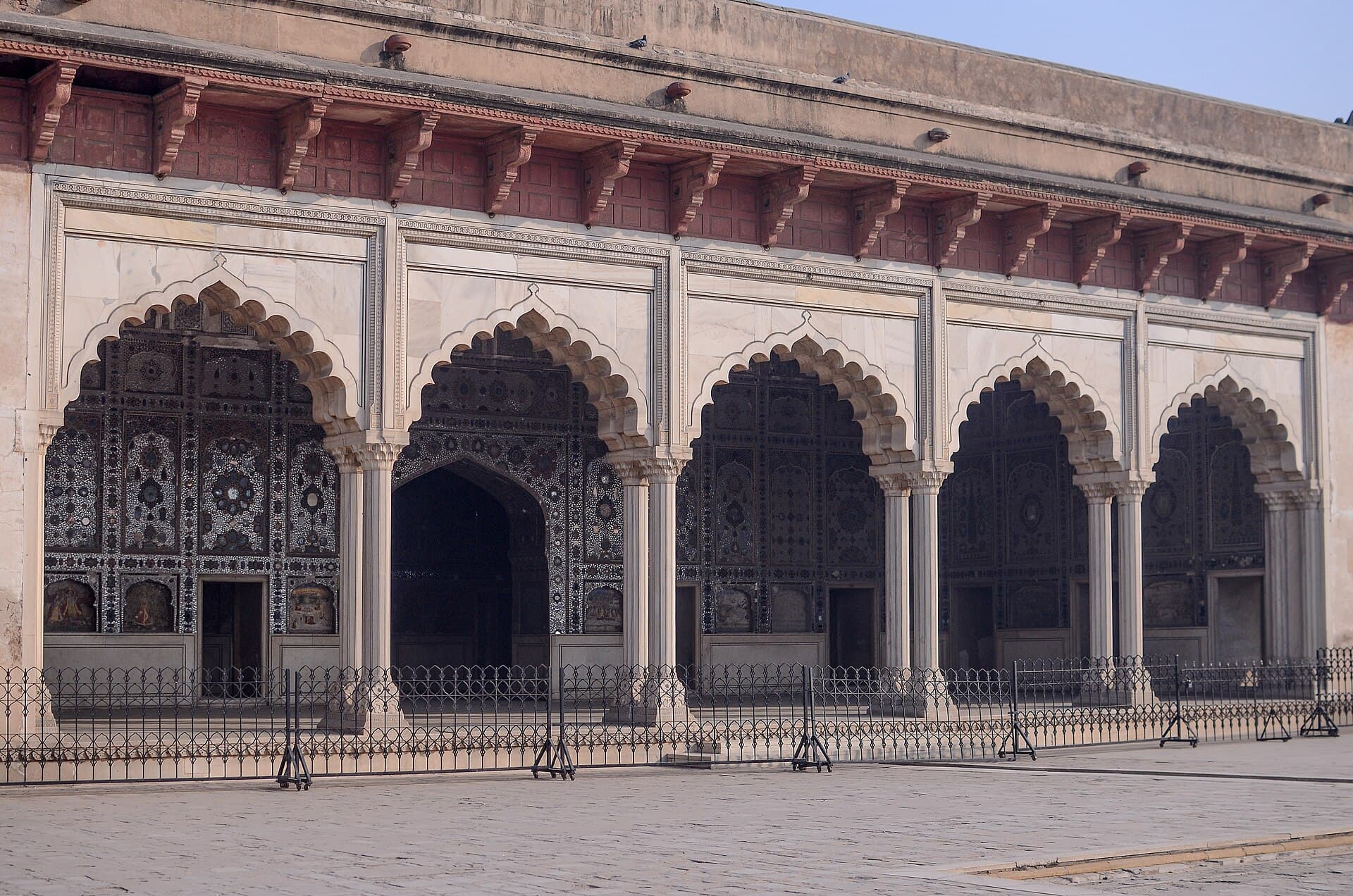
- ✦Sheesh Mahal, the Palace of Mirrors
- ✦Picture Wall of glazed-tile mosaics
- ✦Shah Jahan's three-terrace Shalamar Gardens
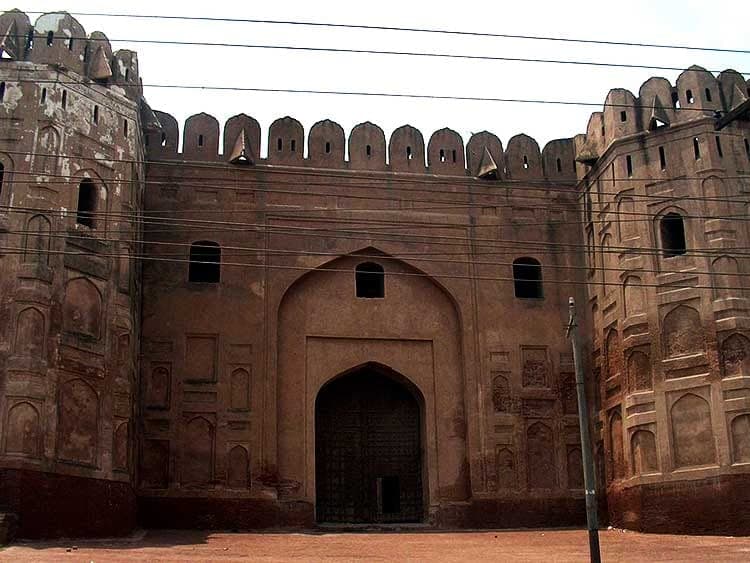
- ✦Alamgiri Gate and Diwan-e-Aam
Inside the Fort
The fort is a walk through successive Mughal reigns: Akbar's robust gateways, Jahangir's quadrangle, and Shah Jahan's exquisite marble work, culminating in the Sheesh Mahal, whose walls and ceilings glitter with thousands of tiny convex mirrors. The Picture Wall, one of the fort's most distinctive decorative features, is adorned with glazed-tile mosaics, frescoes and ornamental panels.
The Shalamar Gardens
Shah Jahan's garden is Mughal landscape design at its most refined, three walled terraces stepping down through marble channels fed by hundreds of fountains, with pavilions, a marble cascade, and the descending names Farah Baksh and Faiz Baksh ('bestower of pleasure' and 'bestower of plenty'). It was conceived as an earthly paradise and still reads as one.
Preserving Lahore's Mughal Heritage
Both sites have undergone historical changes and continue to require careful conservation within Lahore's rapidly developing urban environment. Visiting with a good guide brings the layers to life, which Mughal emperor built what, and how the complex functioned as a working seat of empire rather than a museum.
Planning tip
Best Time to Visit, October to March offers the most comfortable weather for exploring the fort and gardens. During warmer months, visitors should plan an early-morning or late-afternoon visit and carry drinking water.
Getting there, Both sites are located within Lahore, approximately 7 km apart. Lahore Fort is situated in the Walled City near Badshahi Mosque, while Shalamar Gardens are located along Grand Trunk Road.
Allow, 3-4 hours for Lahore Fort, or approximately two hours for the Fort's night tour, and 1-2 hours for Shalamar Gardens. A full day is recommended when combining both sites with nearby attractions in the Walled City.
What to Do
Nearby
Straight-line distance from Lahore Fort and Shalamar Gardens: UNESCO World Heritage Site, within 5 km.
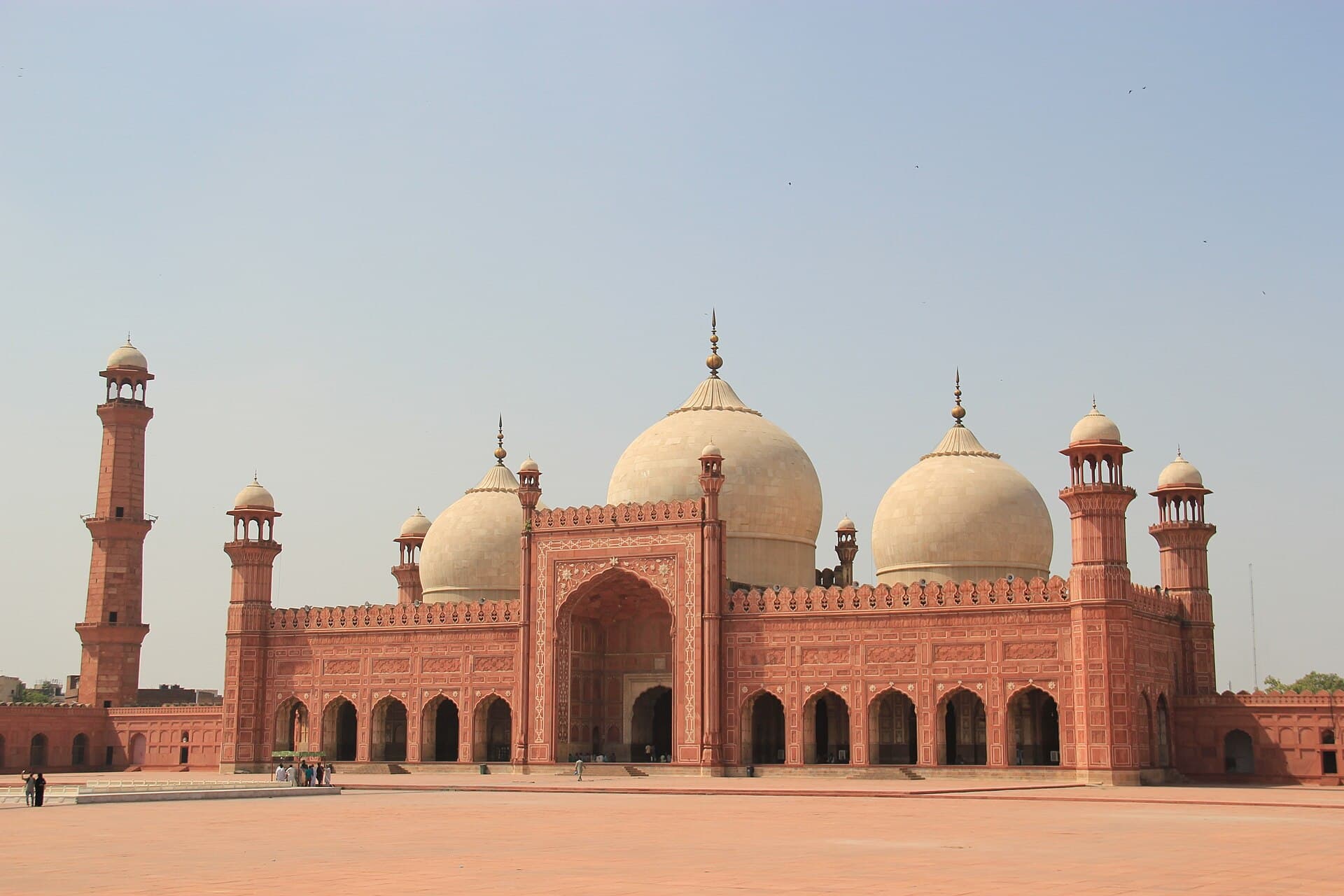
Badshahi Mosque
In the same spot as Lahore Fort and Shalamar Gardens: UNESCO World Heritage Site
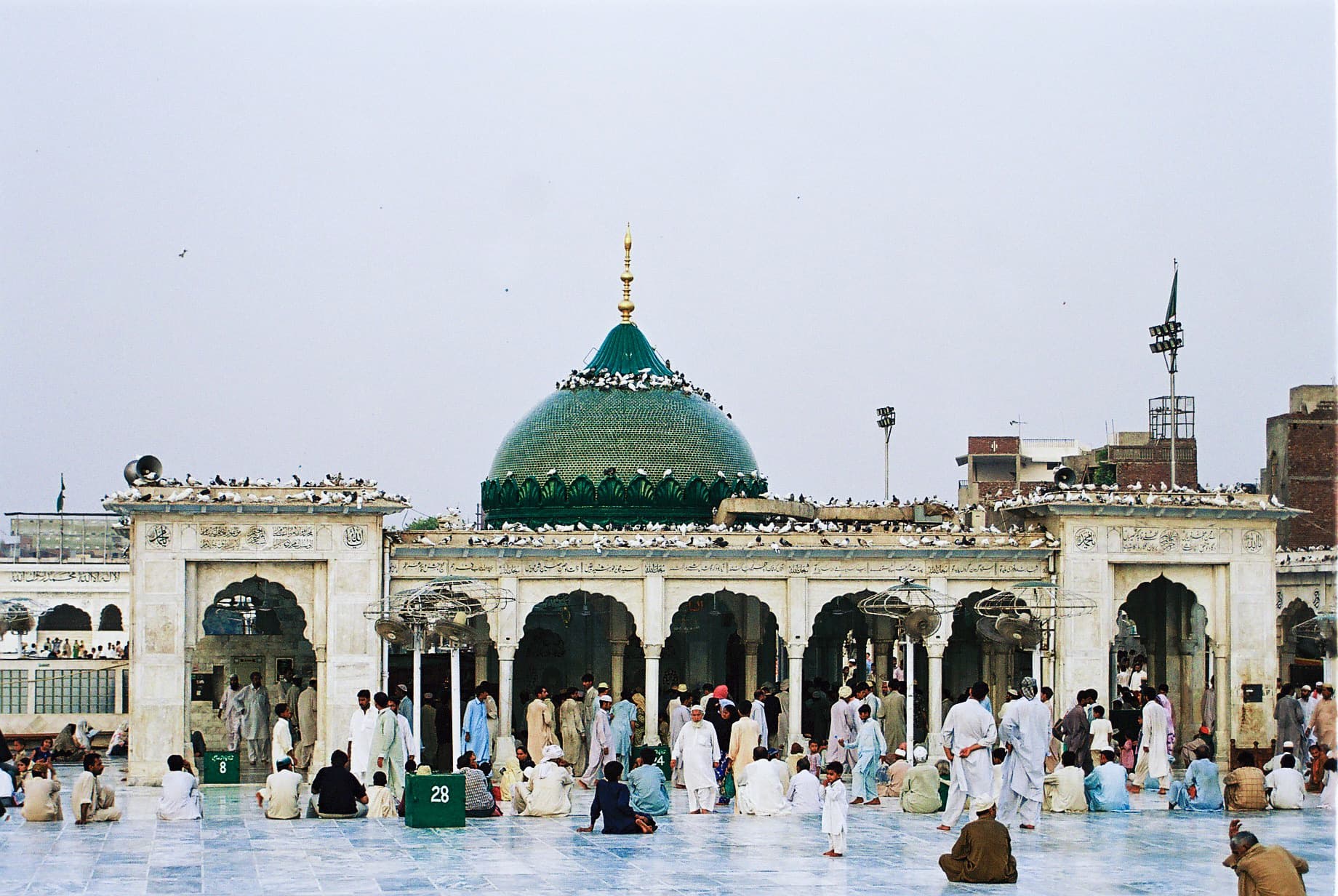
Data Darbar
In the same spot as Lahore Fort and Shalamar Gardens: UNESCO World Heritage Site
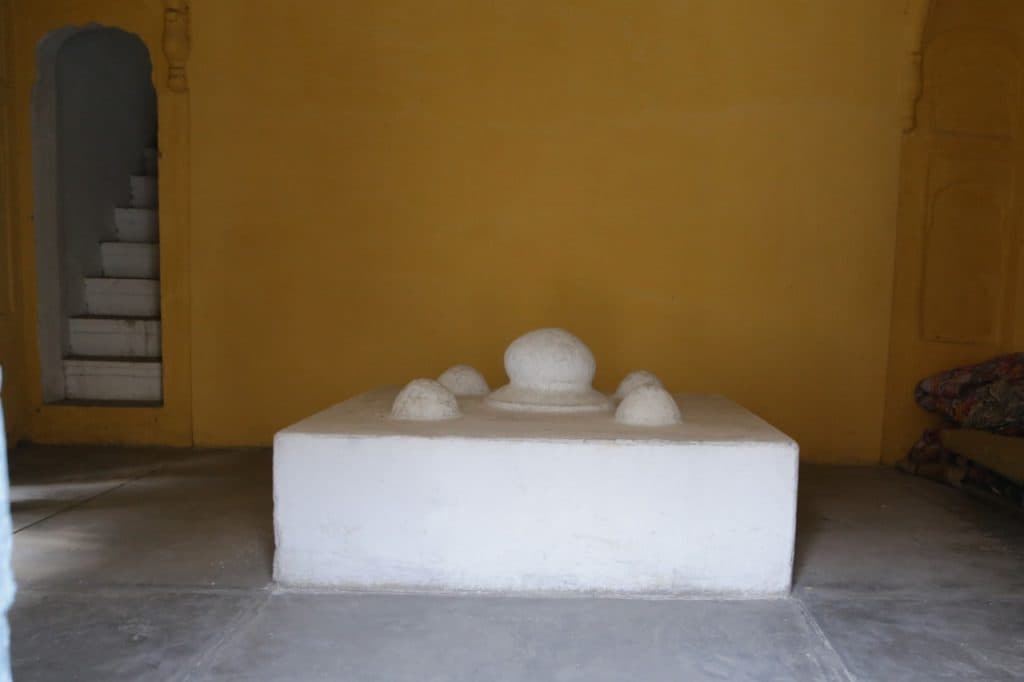
Samadhi of Maharaja Ranjit Singh, Lahore
In the same spot as Lahore Fort and Shalamar Gardens: UNESCO World Heritage Site