
Field guides / Punjab / Rohtas Fort: UNESCO World Heritage Site
Field guide · Heritage
Rohtas Fort: UNESCO World Heritage Site
UNESCO-listed 16th-century fortress and a major military architecture site.
Rohtas Fort is a colossal 16th-century garrison fortress and a UNESCO World Heritage Site, built by the Afghan ruler Sher Shah Suri around 1541 to control the rebellious region between the Khyber and the Punjab and to keep the exiled Mughal emperor Humayun at bay. Unlike the decorative palace-forts of the Mughals, Rohtas is raw military architecture: more than 4 km of massive stone walls studded with bastions and twelve monumental gates, snaking over the hills near Jhelum. It is one of the most impressive examples of early Muslim military engineering in South Asia.
Why go
- ✦UNESCO-listed Sher Shah Suri fortress
- ✦4 km of fortified walls with 68 bastions
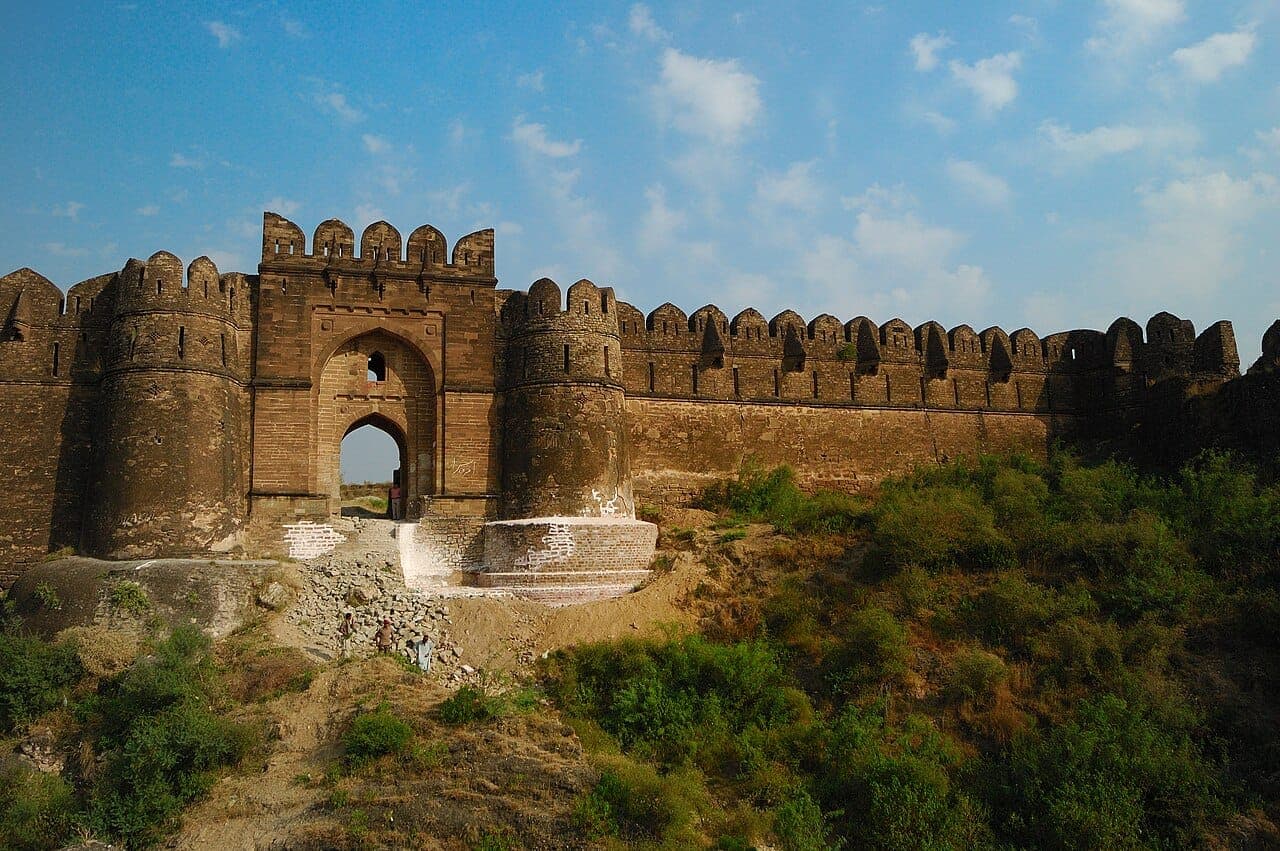
- ✦Twelve monumental gates including Sohail Gate
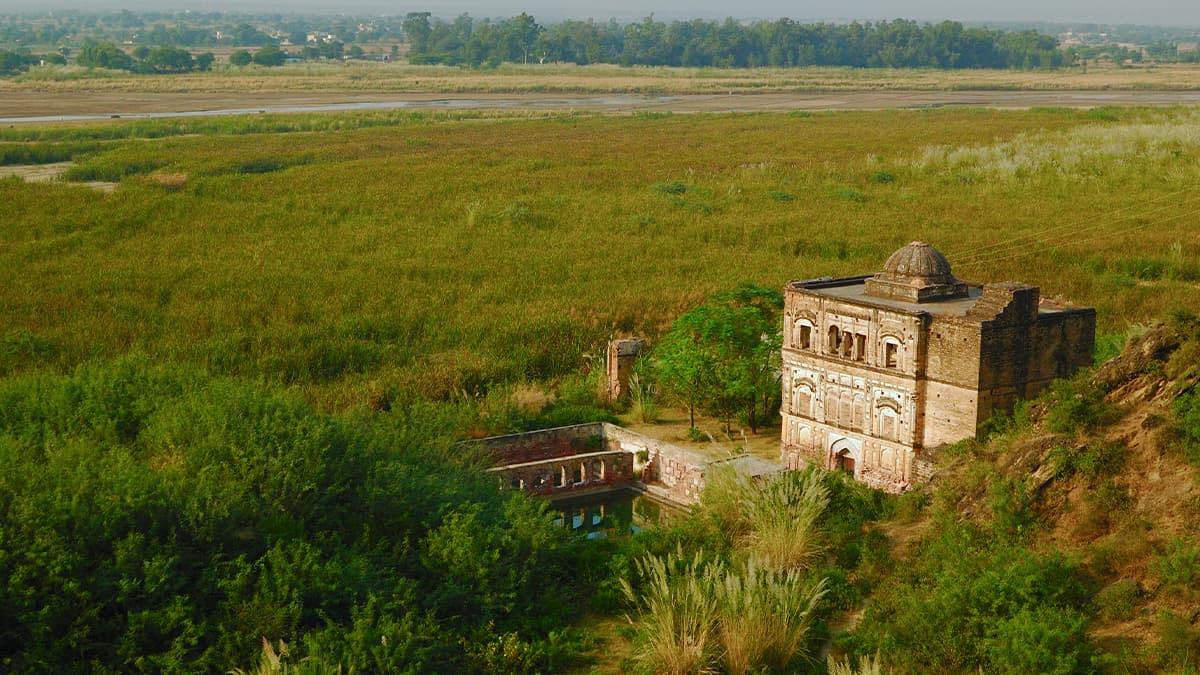
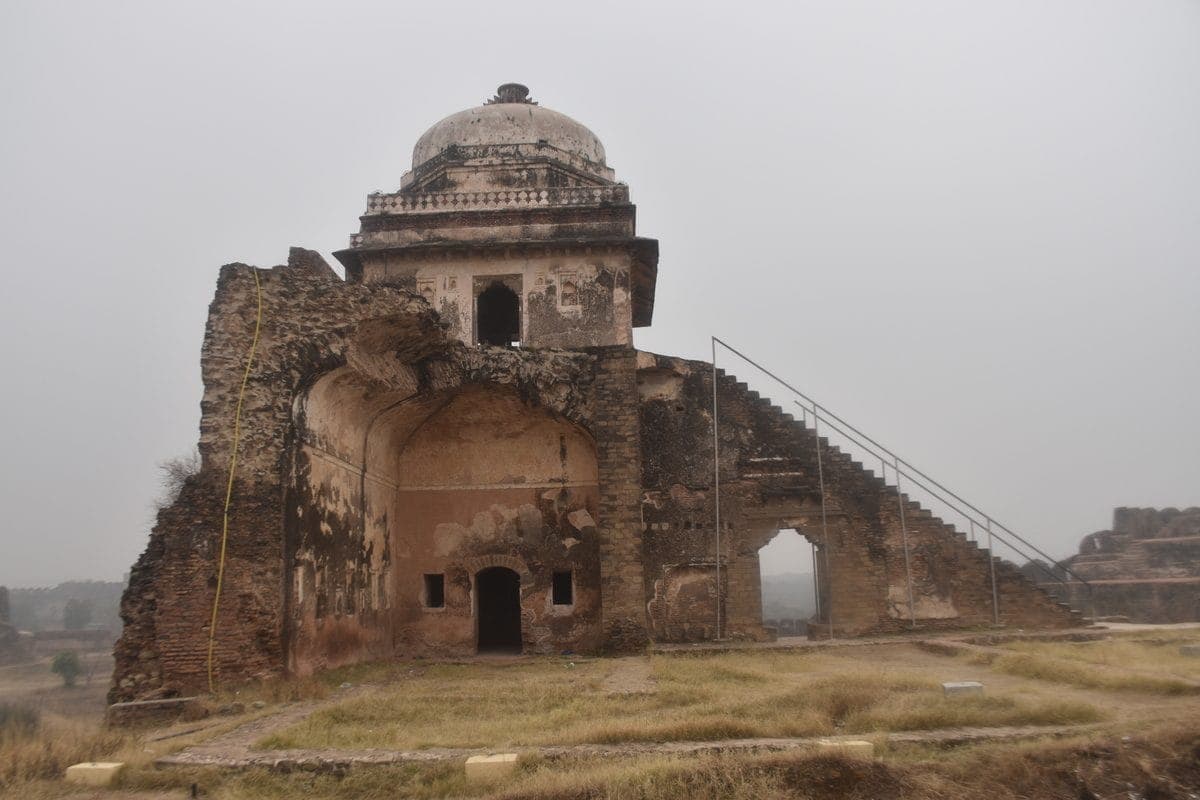
- ✦Haveli Man Singh and the Rani Mahal
- ✦Sweeping Potohar-plateau views
A Fortress, Not a Palace
Rohtas was built for war, and it shows. Constructed in just 7 years, its strength lies in the scale of its defences, thick stone curtain walls snaking over the Pothohar hills, reinforced with 68 bastion towers and 12 gates. The grandest, the Sohail Gate, is a near-perfect piece of military architecture and the symbol of the fort. At its peak, the fortress housed a force of up to 30,000 personnel.
Sher Shah Suri's Legacy
Sher Shah Suri built Rohtas to block the forces of Mughal Emperor Humayun following his defeat in the Battle of Chausa. The fortress was positioned strategically to also monitor the local Gakhar population, who remained traditionally loyal to the Mughals. Ironically, the Mughals returned after Sher Shah Suri's death and the fort never saw the great military siege it was engineered for, which is why it survives so remarkably intact.
Walking the Site
The fort covers an extensive area with uneven surfaces. Visitors should wear comfortable footwear, carry drinking water and consider using an authorised guide. Allow time to walk between the gates, climb a bastion for the plateau views, and visit the later Haveli Man Singh and the small Rani Mahal. A village still lives within the walls, giving the ruins a lived-in, atmospheric feel.
Planning tip
Best Time to Visit, October to March; the Potohar plateau is very hot from April onwards. Mornings give the best light on the gates and walls.
Getting there, About 16 km northwest of Jhelum in northern Punjab, roughly a 2-hour drive from Islamabad and an easy detour off the GT Road or motorway.
Allow, Two to three hours to walk the gates and ramparts; half a day with the drive.
What to Do
Nearby
Straight-line distance from Rohtas Fort: UNESCO World Heritage Site, within 5 km.