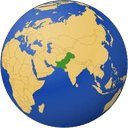

Field guides / Baltistan Division / Skardu / Deosai National Park
Field guide · Nature
Baltistan Division
Skardu District · Gilgit-Baltistan, Pakistan
Deosai National Park
UNESCO tentative high-altitude park associated with brown bear habitat and summer access.
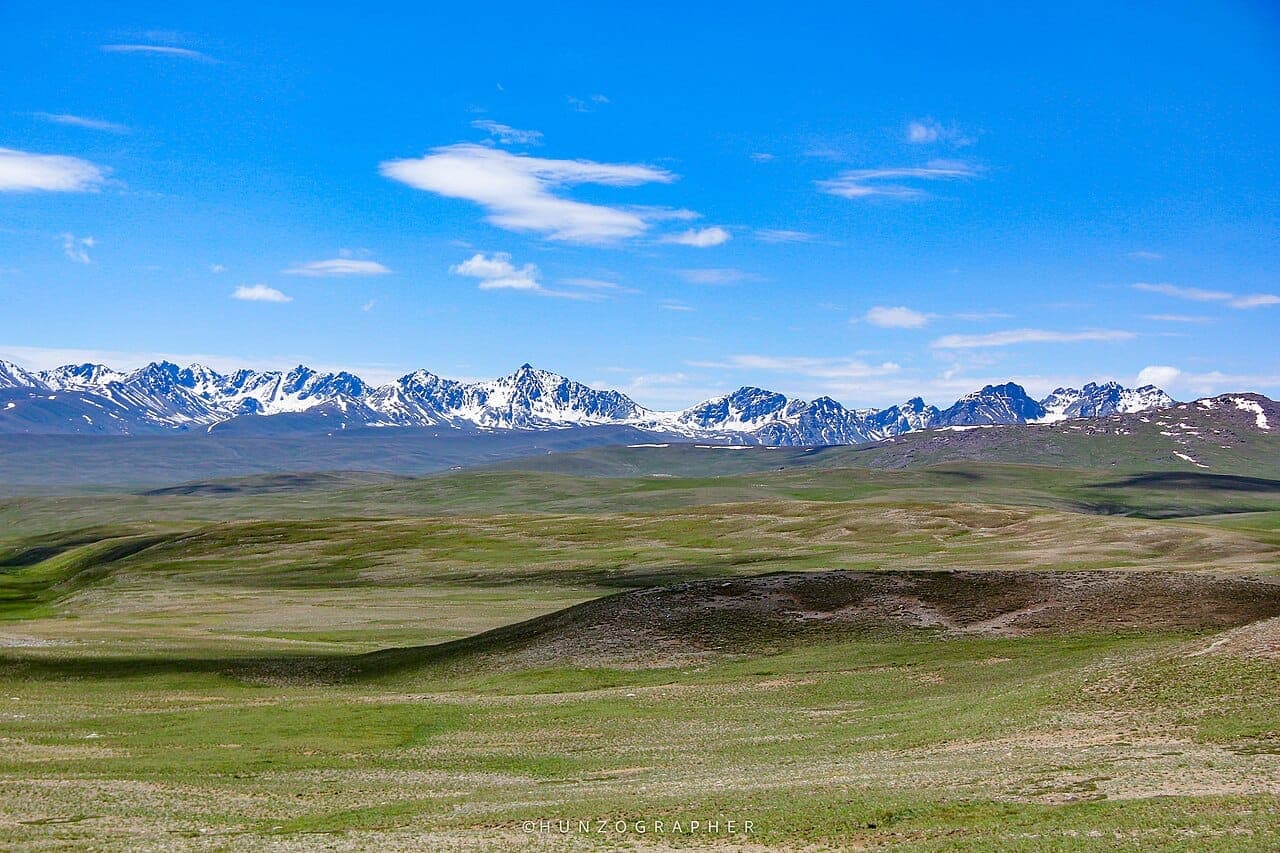
Deosai is a high-altitude plateau the size of a small country, the 'Land of Giants' of local legend, sitting at an average of around 4,100 m between Skardu and Astore. For roughly eight months a year it lies buried under snow; for the short summer it explodes into one of the largest alpine meadows on Earth, a rolling green expanse stitched with wildflowers, braided streams, and the deep-blue Sheosar Lake. Deosai National Park is the last stronghold of the Himalayan brown bear in Pakistan and home to ibex, golden marmots, red foxes, and over 120 bird species. The overwhelming sense of space is the attraction: an immense, almost treeless tableland under a vast sky, ringed by distant snow peaks.
Why go
- ✦Sheosar Lake, deep blue at 4,142 m
- ✦Himalayan brown bear sanctuary
- ✦Vast summer wildflower meadows
- ✦Golden marmots, ibex, and red fox
- ✦One of the highest plateaus in the world
The Land of Giants
Deosai ('Deo Sai', the land of demons or giants) earns its name through sheer scale. The plateau stretches for some 3,000 square kilometres at an altitude where trees cannot grow, so the eye travels uninterrupted across green meadow to snow peaks on every horizon. In summer the flatness fills with grass and flowers and the silence is total but for wind and birdsong, a landscape that feels closer to the Tibetan plateau or the high Andes than to anywhere else in Pakistan.
Wildlife of the Plateau
Deosai is a genuine conservation success. The Himalayan brown bear, once close to local extinction, has slowly recovered here under protection and is the park's flagship species, sightings are a matter of luck and distance, best at dawn and dusk with binoculars. Golden marmots whistle from their burrows across the meadow, ibex graze the slopes, and red foxes and over a hundred bird species, including golden eagles and lammergeiers, work the open ground.
Sheosar Lake and Camping
Sheosar Lake, near the Astore side at 4,142 m, is the postcard image of Deosai, a still sheet of deep blue backed by snow and, in season, fringed with flowers. Camping near the lake or at Bara Pani lets you catch the light at both ends of the day, but the altitude is real: nights are freezing even in summer, and it is wise to acclimatise in Skardu first. Carry everything in and pack everything out; the meadow ecosystem is delicate.
Planning tip
Best Time to Visit, Early July to mid-September only, the plateau is snowbound and closed the rest of the year. Late July to August is peak wildflower season.
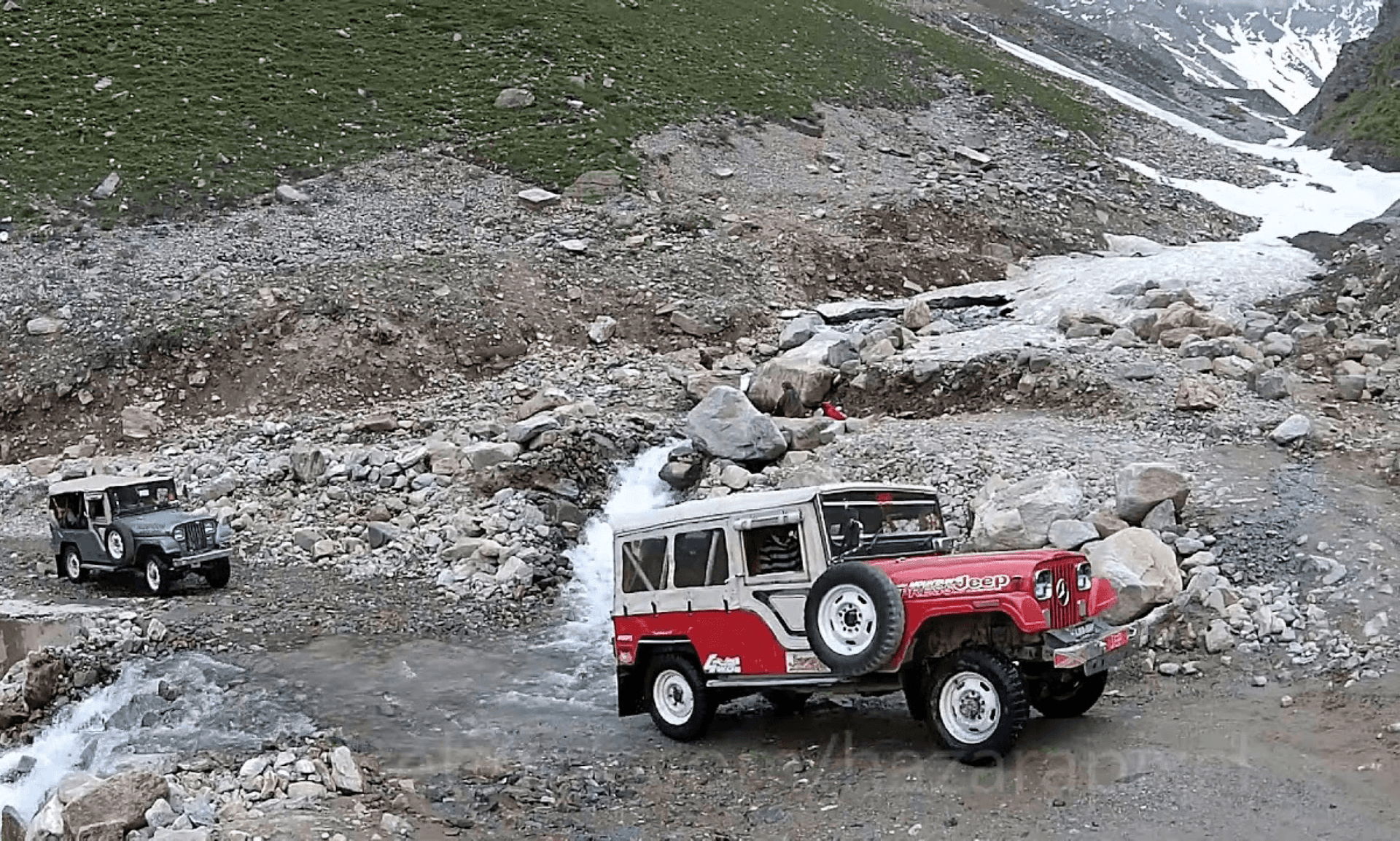
Getting there, Two approaches: from Skardu via Sadpara (about 2-3 hours by 4x4) or from Astore via Chilim. A 4x4 is essential, the tracks are rough and river crossings are common. Day trips run from Skardu, but camping on the plateau is the real experience.
Allow, A long day trip from Skardu, or one to two nights camping near Sheosar Lake or Bara Pani for sunrise and wildlife.
What to Do
Make Deosai National Park Part of a Trip
GreenPak resorts and journeys within 5 km of Deosai National Park.
Nearby
Straight-line distance from Deosai National Park, within 5 km.
Nothing else genuinely close by (within 5 km of Deosai National Park) is published yet.