
Field guides / Baltistan Division / Shigar / Gasherbrum II
Field guide · Mountains
Baltistan Division
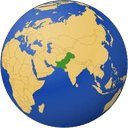
Shigar District · Gilgit-Baltistan, Pakistan
Gasherbrum II
At 8,035 m the world's 13th-highest mountain, one of the most frequently climbed 8,000 m peaks, sharing base camp with Gasherbrum I near Concordia.
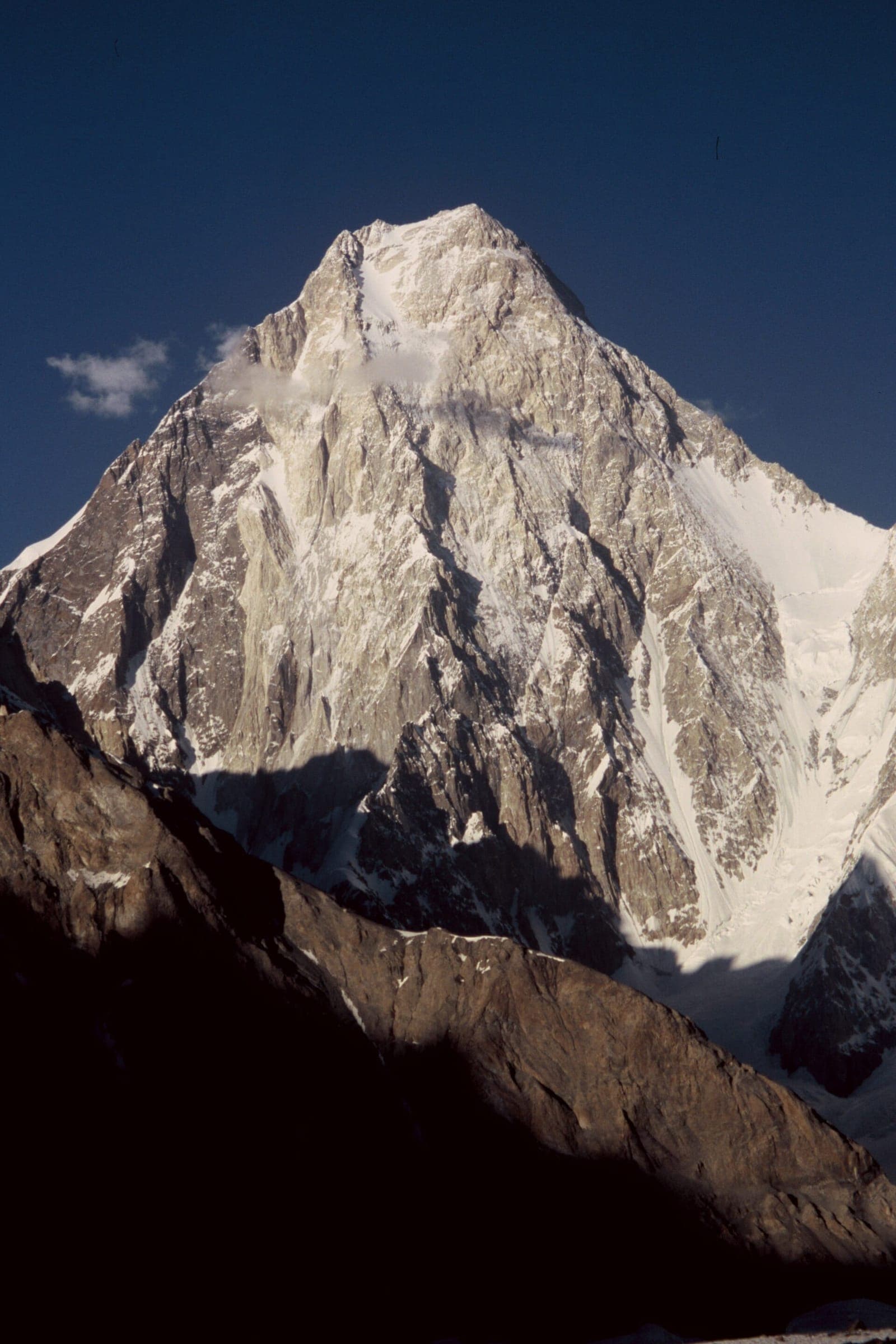
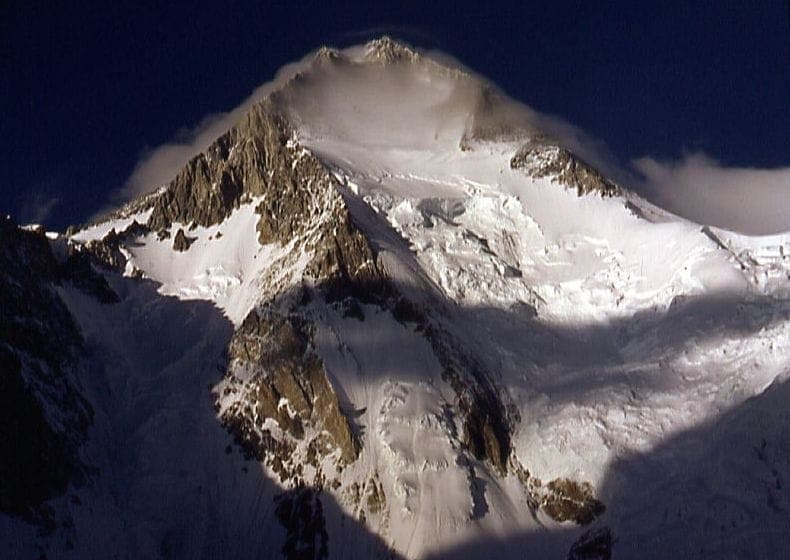
Gasherbrum II stands at 8,035 m, the world's 13th-highest mountain, sharing base camp with Gasherbrum I at the head of the Baltoro Glacier. First climbed in 1956 by the Austrian expedition of Fritz Moravec, it is considered one of the more frequently climbed 8,000 m peaks due to its relatively straightforward technical profile on the south-southeast ridge.
Why go
- ✦8,035 m, 13th highest in world
- ✦Most frequently climbed 8000m peak
- ✦First climbed 1956 by Austria
- ✦Combined itinerary possible with GI
Most Climbed of the Giants
Gasherbrum II sees more summit traffic than most 8,000 m peaks due to its relatively predictable weather window and established route. For serious mountaineers, a combined permit with Gasherbrum I is a classic double-header challenge.
Trekking Access
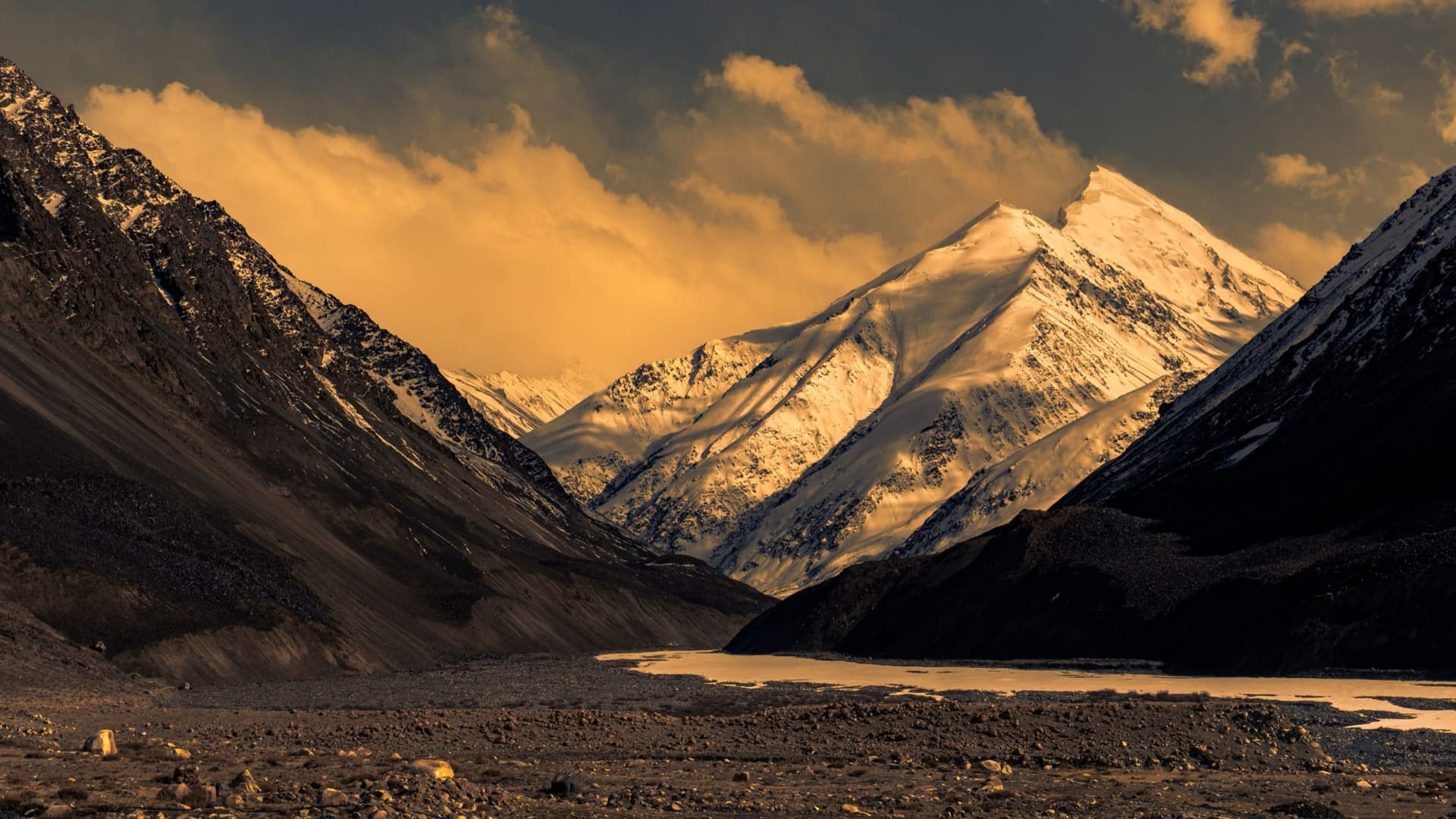
Base camp at around 5,200 m is reachable by non-climbers on the standard Baltoro trek. The view from Concordia with GII's pyramid rising to the south is one of the iconic mountain panoramas of Pakistan.
Planning tip
Best Time to Visit, June to August for climbing; May to September for base camp trekking.
Getting there, Via Skardu and Askole to Baltoro Glacier, the same approach shared with K2 and Gasherbrum I.
Allow, 8-10 days to base camp from Skardu; full expedition 6-8 weeks.
What to Do
Nearby
Straight-line distance from Gasherbrum II, within 5 km.