
Field guides / Punjab / Harappa
Field guide · Heritage
Harappa
UNESCO tentative archaeological site linked to the Indus Valley Civilization.
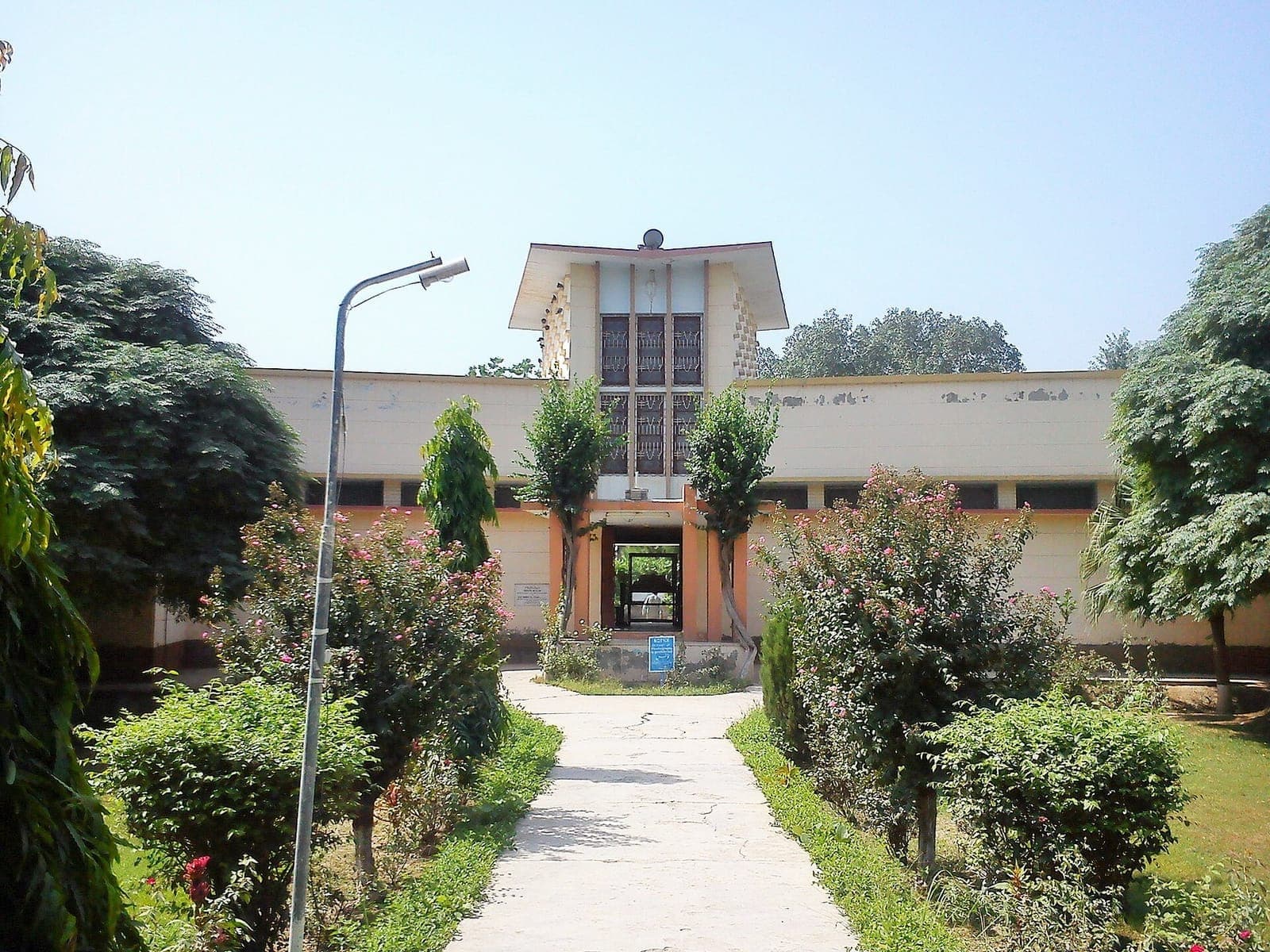
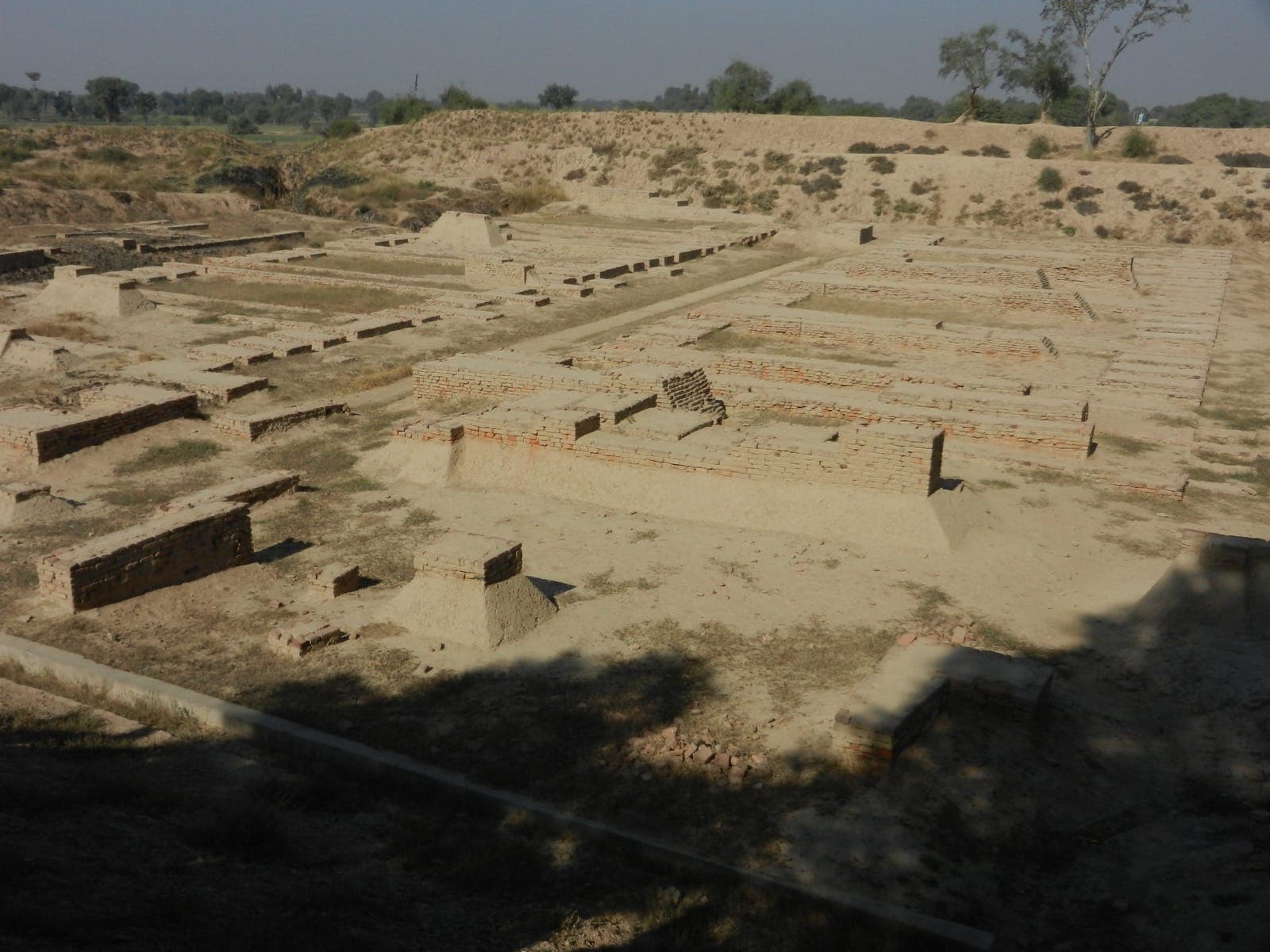
Harappa gave its name to an entire civilisation. The Harappan, or Indus Valley, Civilisation, one of the three earliest urban cultures in the world alongside Mesopotamia and Egypt, was first identified here on the bank of an old course of the Ravi in Punjab. The city flourished around 2600-1900 BCE as a major centre of the same advanced society as Mohenjo-daro, with standardised fired bricks, granaries, a planned grid, and the enigmatic Indus seals. Much of its visible brickwork was unfortunately carried off in the 19th century as ballast for the Lahore-Multan railway before the site's importance was understood, so Harappa rewards imagination and its on-site museum more than grand standing ruins.
Why go
- ✦Type-site of the Indus Valley Civilisation
- ✦On-site museum of Harappan artefacts
- ✦Granary and cemetery (R-37) mounds
- ✦Indus seals and standardised weights
- ✦Quiet, uncrowded counterpoint to Mohenjo-daro
Where a Civilisation Was Named
When archaeologists began serious work here in the 1920s, they realised the seals and brickwork matched finds at distant Mohenjo-daro, and that they were looking at a single, vast, previously unknown civilisation that they named 'Harappan' after this site. The discovery pushed the story of South Asian urbanism back by more than two thousand years. The bitter irony is that British railway engineers had already quarried much of the ancient city for track ballast.
What Survives
Above ground Harappa is subtler than Mohenjo-daro: eroded mounds, the foundations of a great granary near the river, worker's quarters, and the famous cemetery mound R-37 that yielded crucial burial evidence. The rewards are in the details and in the museum, which holds seals, pottery, beads, toys, weights, and the tools of a sophisticated Bronze Age economy. Bring patience and a little imagination and the plan of the city emerges.
Harappa and Mohenjo-daro
The two great Indus cities are best understood together: Harappa in the northern Punjab on the Ravi, Mohenjo-daro 600 km south in Sindh on the Indus. They shared a script, a brick standard, town planning, and trade networks, yet each has its own character on the ground. Travellers serious about ancient history visit both, Harappa as an accessible Punjab day trip, Mohenjo-daro as the grander, better-preserved set-piece.
Planning tip
Best Time to Visit, November to February; the Punjab plains are punishingly hot from April onwards.
Getting there, Near Sahiwal in central Punjab, about 200 km from Lahore, roughly a 3-hour drive, or by train to Sahiwal and a short taxi to the site.
Allow, Half a day for the museum and the mounds; easily combined with the drive from Lahore or Multan.
What to Do
Nearby
Straight-line distance from Harappa, within 5 km.