
Field guides / Punjab / Bahawalpur & Cholistan / Lal Suhanra National Park
Field guide · Nature
Bahawalpur
Bahawalpur District · Punjab, Pakistan
Lal Suhanra National Park
A UNESCO Biosphere Reserve since 1977 spanning some 51,000 hectares east of Bahawalpur, combining desert, forest, and the wetland of Patisar Lake, home to reintroduced blackbuck, chinkara, and more than 160 recorded bird species.
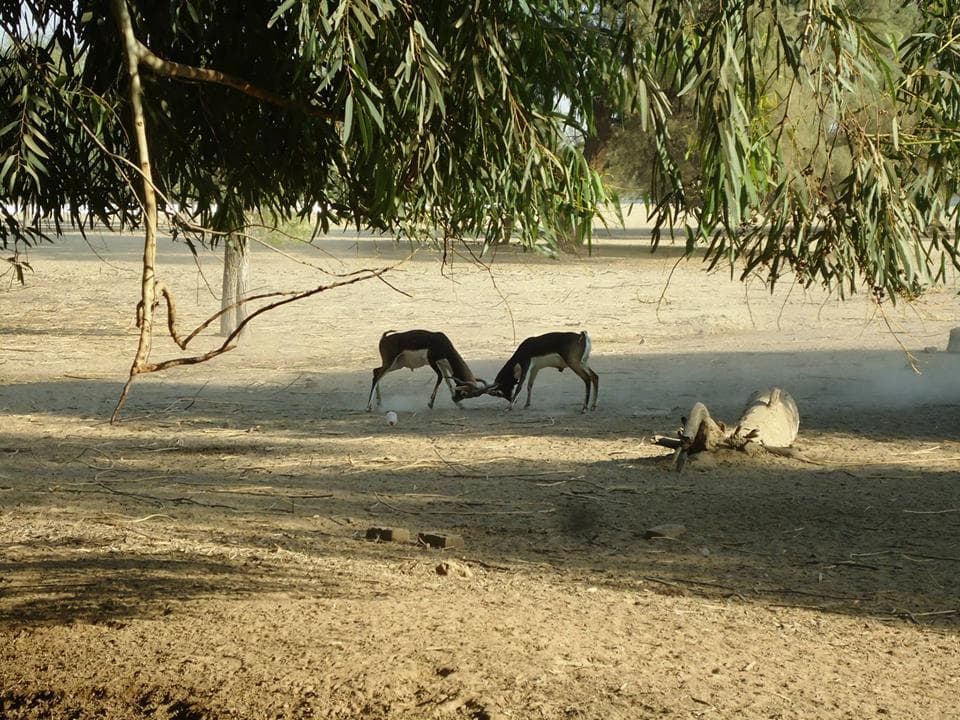
Lal Suhanra National Park, a UNESCO Biosphere Reserve since 1977, spans some 51,000 hectares east of Bahawalpur and combines desert, forest, and wetland ecosystems around Patisar Lake. Reintroduced blackbuck, chinkara, and nilgai roam its protected grasslands, and the park's bird checklist runs past 160 species, making it one of the standout wildlife destinations in the Punjab.
Why go
- ✦UNESCO Biosphere Reserve since 1977
- ✦Reintroduced blackbuck, chinkara, and nilgai
- ✦Patisar Lake for boating
- ✦Over 160 recorded bird species
- ✦Desert, forest, and wetland ecosystems in one park
A Biosphere Reserve
UNESCO designated Lal Suhanra a Biosphere Reserve in 1977 in recognition of its unusual combination of desert, forest, and wetland habitats within a single protected area, one of the largest of its kind in South Asia.
Wildlife and Birdwatching
The park's grasslands support reintroduced blackbuck, chinkara, and nilgai populations, while its wetlands around Patisar Lake attract a long list of resident and migratory birds, drawing serious birdwatchers as well as casual visitors.
Patisar Lake and Safaris
Jeep safaris and boating on Patisar Lake are the park's main visitor activities, with a small zoo also on site, making it an easy full or half-day trip out of Bahawalpur.
Planning tip
Best Time to Visit, November to February, both for milder weather and peak bird activity.
Getting there, About 35 km east of Bahawalpur city, reachable by road.
Allow, Half a day to a full day for a jeep safari and boating.
What to Do
Nearby
Straight-line distance from Lal Suhanra National Park, within 5 km.
Nothing else genuinely close by (within 5 km of Lal Suhanra National Park) is published yet.