
Field guides / Punjab / Galiyat & Murree / Murree
Field guide · Nature
Rawalpindi
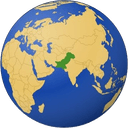
Rawalpindi District · Punjab, Pakistan
Murree
Pakistan's most popular hill station, pine ridges, the Mall Road, and a gateway to the cooler Galiyat resorts.
Murree is Pakistan's most famous hill station, a Victorian-era resort town strung along a forested ridge at around 2,300 m, just a couple of hours from Islamabad. Built by the British in the 1850s as a summer refuge from the heat of the plains, it kept its colonial bones: the pedestrian Mall Road, an Anglican church, and old gabled bungalows among the pines. Today it is hugely popular with domestic tourists, especially in summer and during winter snowfalls, when the town and the nearby Galiyat draw crowds from across the country. Murree is less a wilderness than a lively, accessible mountain town, and the gateway to the quieter pine resorts beyond.
Quick facts
- Where
- Murree District, Punjab
- Altitude
- About 2,291 m
- From Islamabad
- About 60 km on the Murree Expressway, 1.5–2 hours
- Founded
- 1851–1853, as a British hill station
- Snow
- Winter, usually December to early March
- Nearby
- Patriata gondola, Nathia Gali and the Galiyat
Why go
- ✦The Mall Road and colonial-era architecture
- ✦Pine forests and ridge-top views
- ✦Winter snowfall close to Islamabad
- ✦Gateway to Nathia Gali and the Galiyat
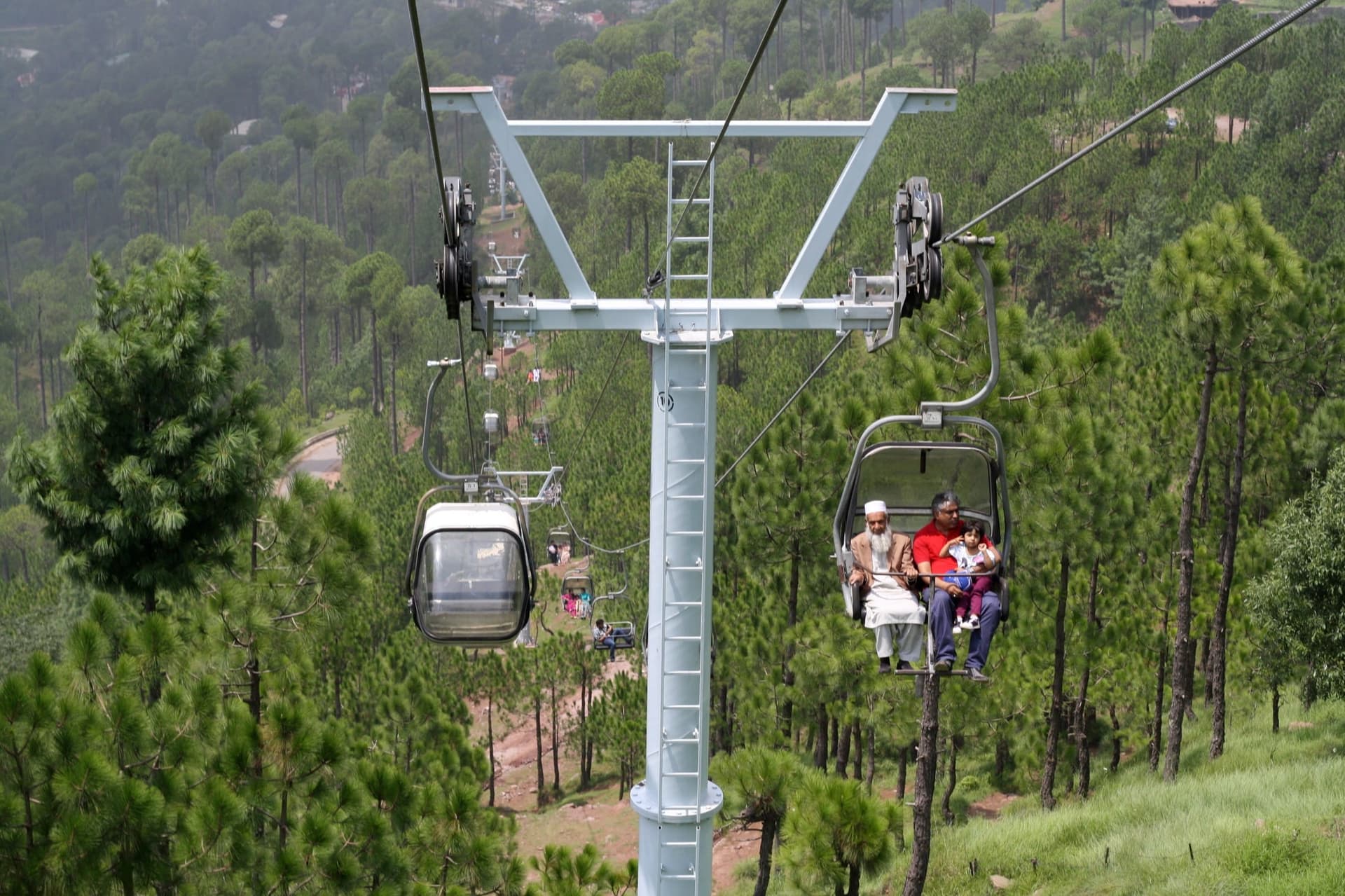
- ✦Patriata (New Murree) chairlift and cable car
About
Murree is Pakistan's best-known hill station, a ridge-top town at about 2,291 m in Punjab, now the headquarters of its own district, north-east of Islamabad. It was founded by the British between 1851 and 1853 as a summer retreat from the heat of the plains, and its old heart still shows it: the pedestrian Mall Road, gabled colonial houses among the pines and Holy Trinity Church, consecrated in 1857. Today it is hugely popular with domestic travellers in summer and, above all, when snow falls in winter.
History
Construction began in 1851 as a sanatorium for British troops, and the permanent town was built in 1853. It became the summer seat of the Punjab government in the colonial period. The Mall, now officially Jinnah Road, was the town's promenade, and Holy Trinity Church was consecrated in May 1857.
What Visitors Will See
- The Mall Road, a pedestrian ridge-top promenade of shops and bakeries
- Holy Trinity Church of 1857
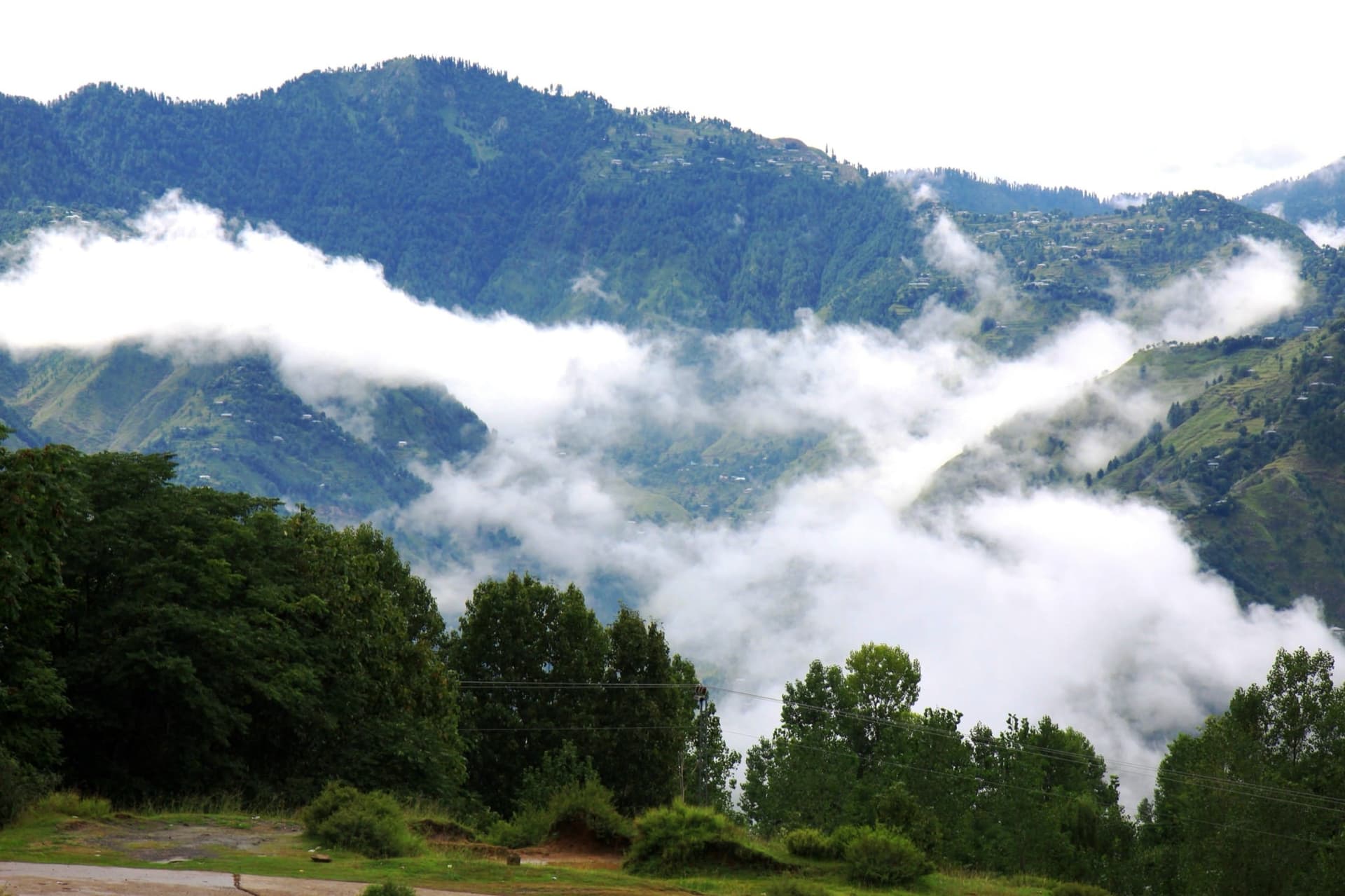
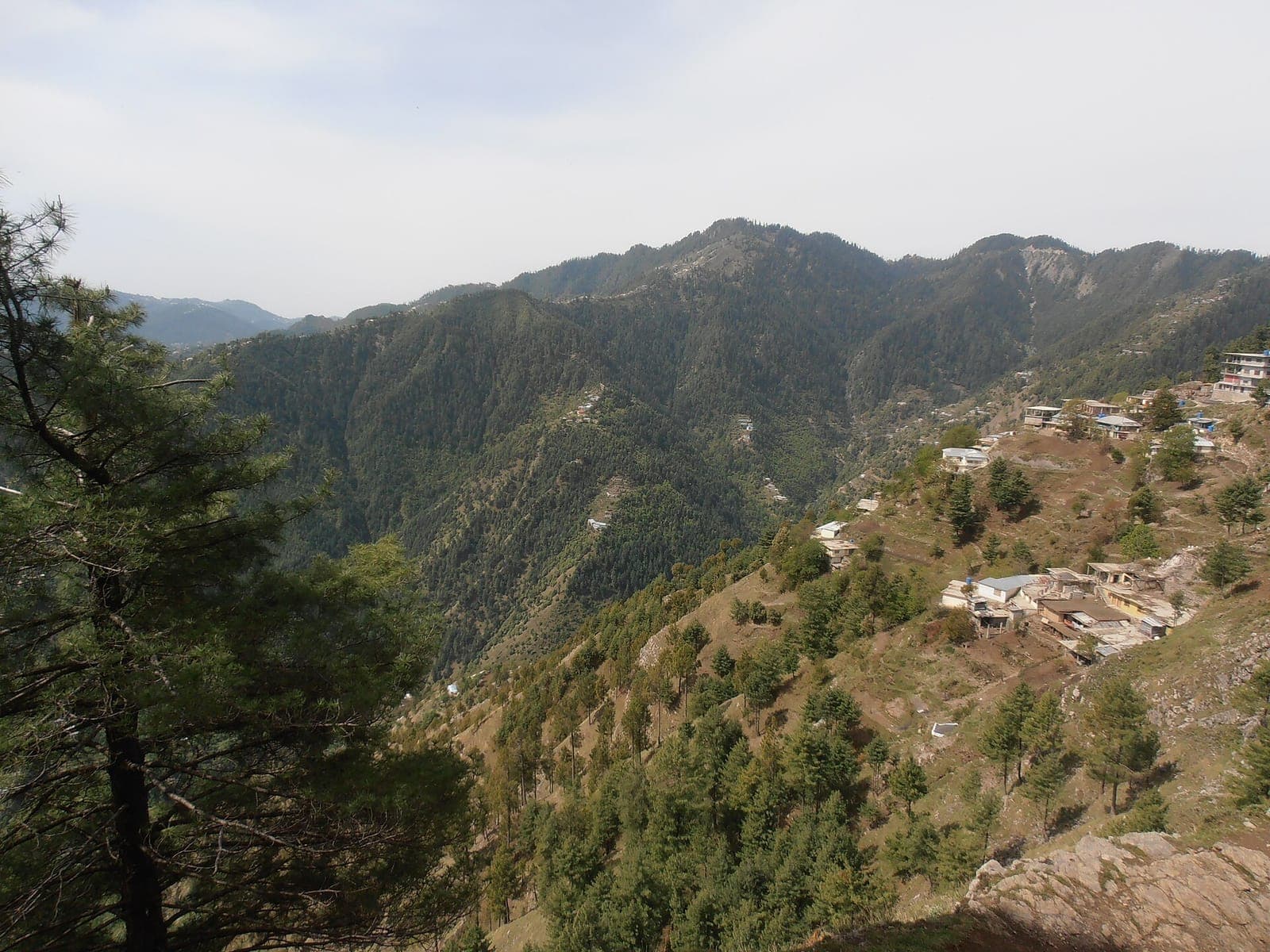
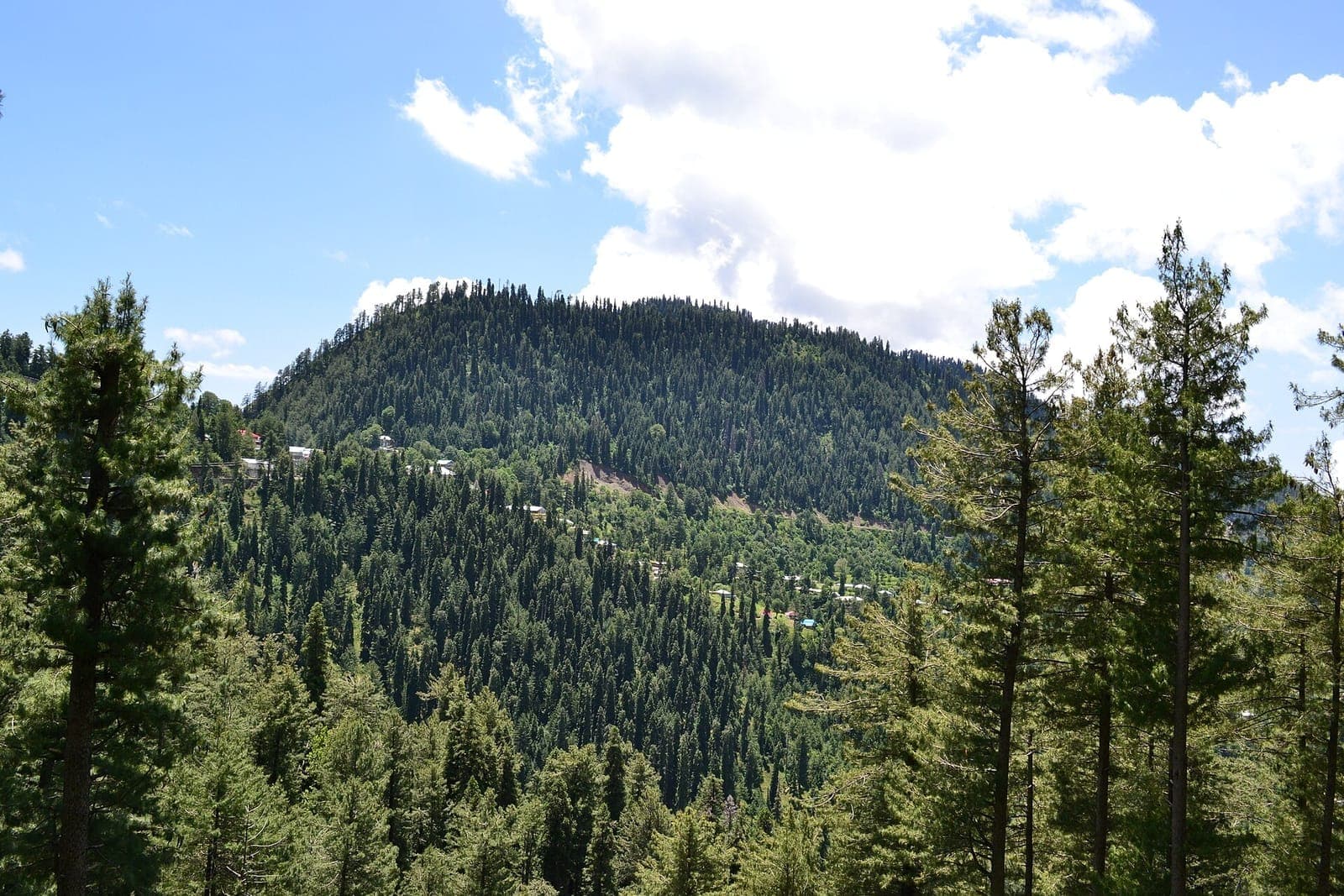
- Pine forest and views toward the Pir Panjal on clear days
- The Patriata gondola and chairlift
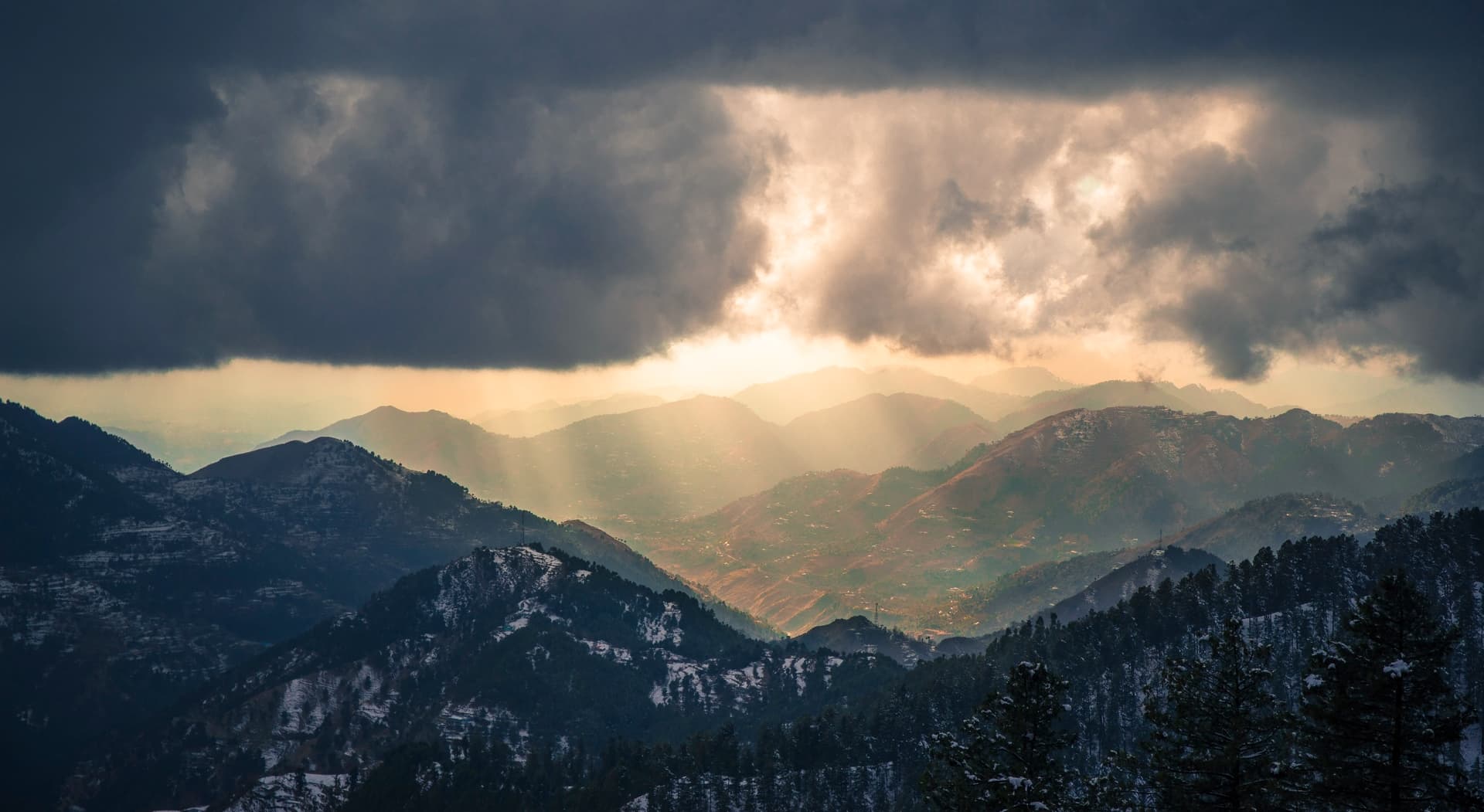
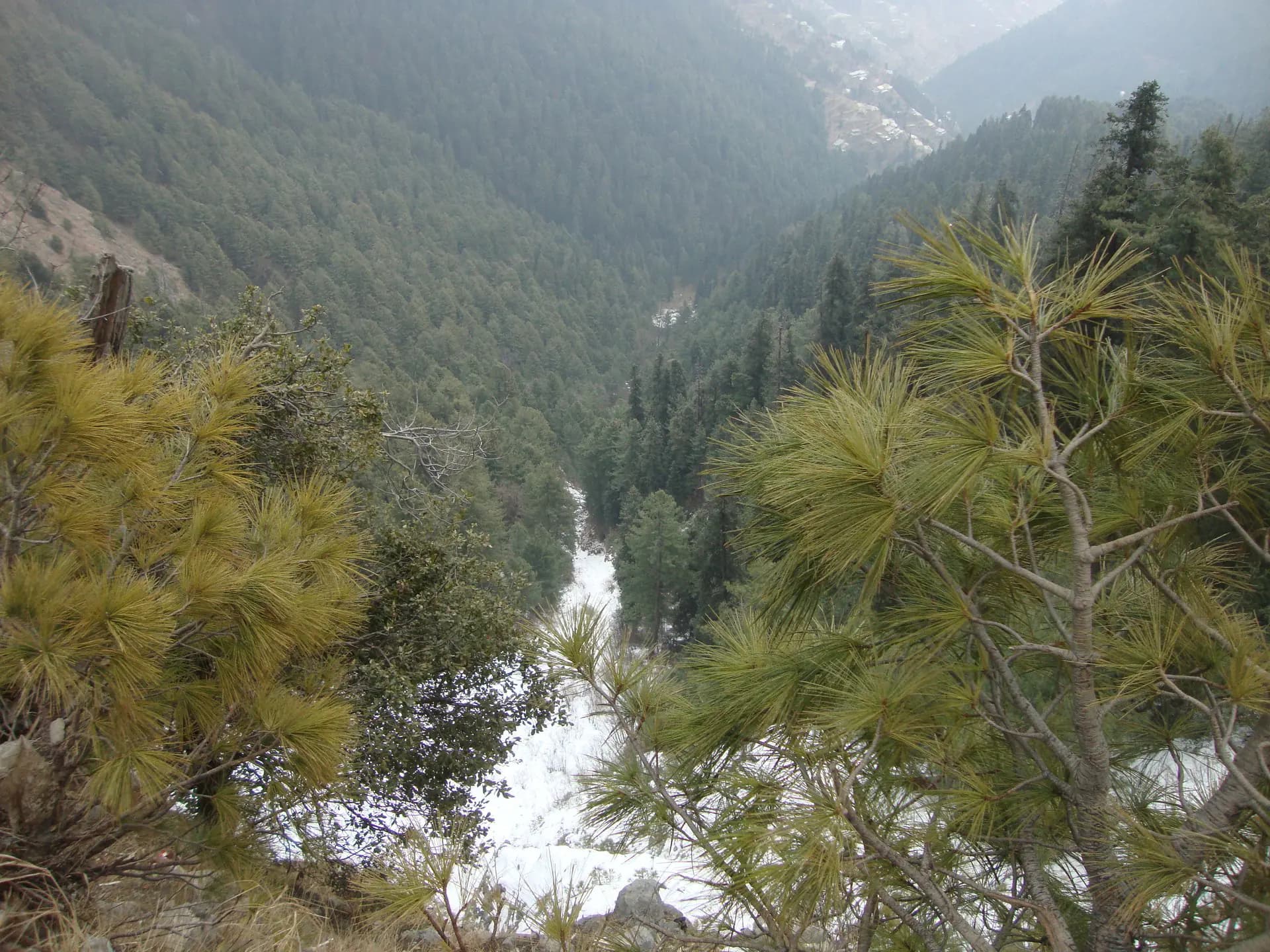
- Snow from December to early March
Why Visit
Murree is the easiest mountain escape from Islamabad and Rawalpindi, and the gateway to the quieter Galiyat beyond: Nathia Gali, with its cottages under tall conifers and the Mukshpuri and Miranjani walks, and Ayubia with its pipeline track forest walk.
Climate and Seasons
Spring and autumn for pleasant weather; June to August to escape the heat of the plains, though it is crowded; winter for snow, usually December to early March. Murree records about 1,590 mm of snow a year on average.
How to Reach
About 60 km from Islamabad on the Murree Expressway, roughly 1.5–2 hours. On summer weekends, snowy days and public holidays the expressway and the Mall can jam and prices rise: travel midweek, set out early, book ahead in peak season, and check road and weather advisories before driving up in snow.
Responsible Travel
Murree is busy: walk rather than drive along the Mall, keep litter in the bins, and in snow follow police and highway advice about road closures and chains.
Interesting Facts
- About 2,291 m high
- Founded 1851–1853
- Holy Trinity Church was consecrated in 1857
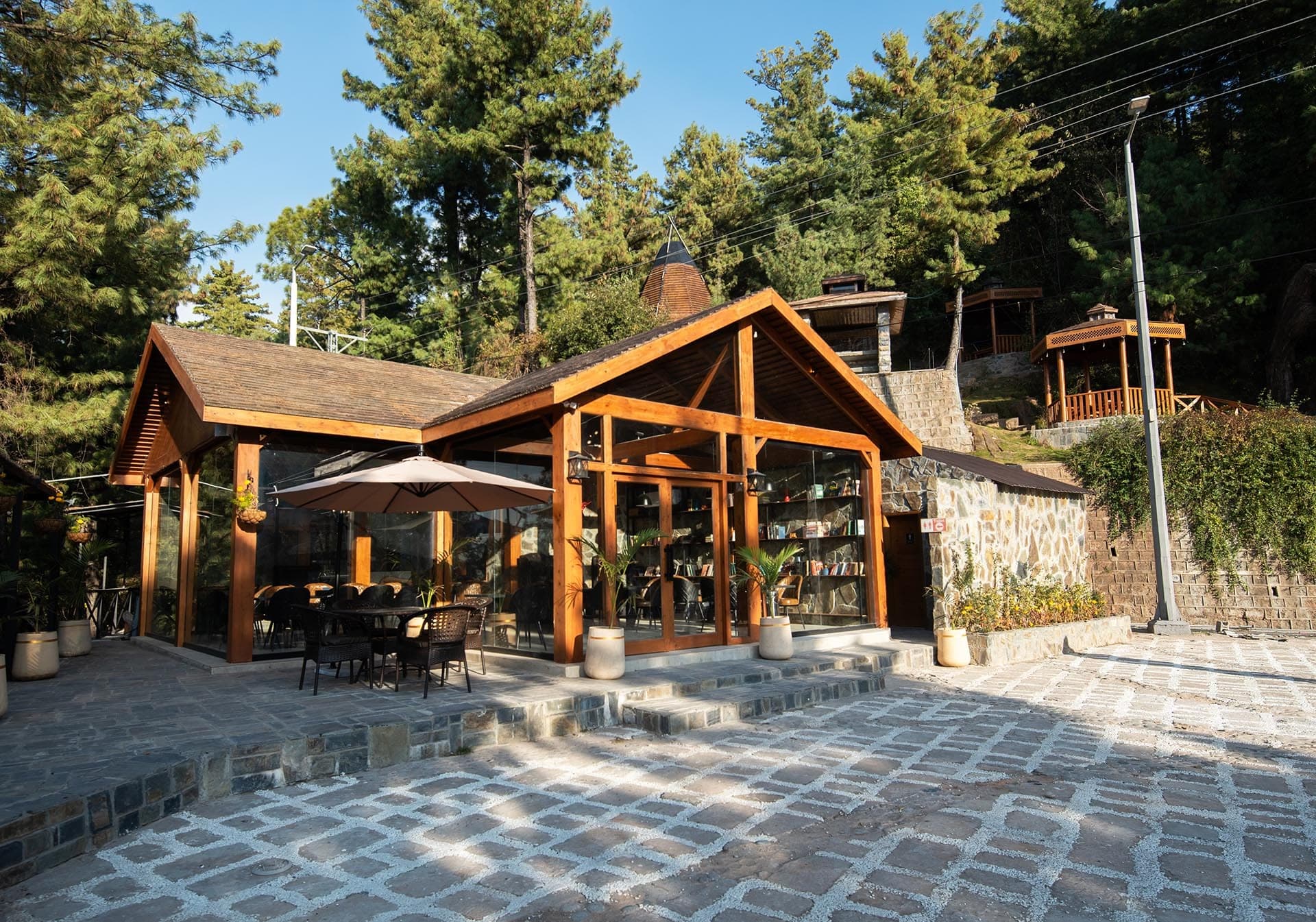
Murree in pictures
Photos: Muneeb Hamid · CC BY-SA 4.0 · Samuel Bourne, 1864 · Public domain · Shahzaib Damn Cruze · CC BY-SA 4.0 (2 photos) · Usmanali757 · CC BY-SA 4.0. Each photo's own credit and licence link is shown when you open it.
Planning tip
Best Time to Visit, Spring and autumn for pleasant weather and pine air; summer (June-August) to escape the plains' heat, though it is crowded; winter for snow, Murree is one of the easiest places in Pakistan to experience snowfall.
Getting there, About 60 km from Islamabad on the Murree Expressway, roughly a 1.5-2 hour drive. Weekend and public-holiday traffic can be heavy; travel midweek if you can.
Allow, A day trip from Islamabad, or an overnight to push on into the Galiyat.
What to Do
Questions travellers ask
+How far is Murree from Islamabad?
About 60 km by the Murree Expressway, roughly 1.5 to 2 hours' drive. Weekend and holiday traffic can make it much longer, so travel midweek if you can.
+When does it snow in Murree?
Snow falls in winter, usually between December and early March. Check road advisories and the weather before driving up in snow.
+What is there to do in Murree?
Walk the Mall Road and see the 1857 Holy Trinity Church, ride the Patriata gondola and chairlift, and continue to the quieter Galiyat resorts such as Nathia Gali.
+How high is Murree?
About 2,291 metres above sea level.
+Is Murree in Punjab or Islamabad?
Murree is in Punjab, the headquarters of its own district, north-east of Islamabad and about 60 km away by the Murree Expressway.
Make Murree Part of a Trip
GreenPak resorts and journeys within 5 km of Murree.
Nearby
Straight-line distance from Murree, within 5 km.
Nothing else genuinely close by (within 5 km of Murree) is published yet.
Stories from Murree
All stories →
Story
Best Family Trips in Northern Pakistan: Weekend to Week
The easiest mountain trips for families, from Murree and Nathia Gali within three hours of Islamabad to Shogran, Kalam and Hunza: drive times, altitude, best months and where to stay.

Story
Memory Lane - Cecil Murree
I happened to walk into Cecil Murree for a cup of coffee after many years, and it instantly brought back vivid memori...