
Loading…
Field guides / Sindh / Qasim Keerio / Gujrri Site
Field guide · Heritage
The archaeological site of Qasim Keerio / Gujrri in Nawabshah (Shaheed Benazirabad) has been identified as belonging to the Hindu-Buddhist period, dating from the 1st century BCE to the 5th century CE.
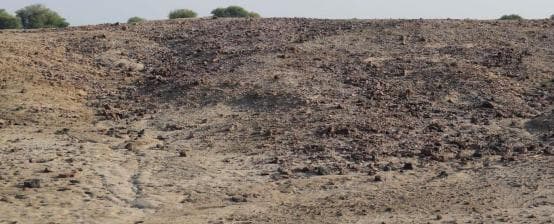
Located near the Nawabshah–Sanghar road, this mound site measures 275 meters in length and 3 meters in height, and contains remains of a Buddhist stupa. Surface findings include burnt bricks, copper coins, and various types of pottery—painted, incised, glazed, and chequer-designed. Terracotta figurines, ritual tablets, and beads of precious stones such as carnelian and faience suggest religious and cultural activities. The presence of appliqué pottery and animal figurines links this site to the traditions of Tulamba and the Indus Valley. Some coins with Arabic inscriptions indicate later Islamic occupation. The site reflects an important transitional phase in Sindh’s cultural history.
Why go
The Qasim Keerio / Gujrri site near Nawabshah (Shaheed Benazirabad), Sindh, is a small Buddhist-period archaeological mound with visible burnt and mud-brick stupa remains dating to the 5th–6th centuries CE. It is unprotected legally, privately owned, and suffers from neglect despite scholarly documentation (e.g. by Muhammad Hanif Laghari et al.)
Planning tip
Best Time to Visit, Year-round; confirm local conditions and any festival dates before travel.
Getting there, In or near Nawabshah, Sindh; confirm current local access before visiting.
Straight-line distance from Qasim Keerio / Gujrri Site, within 30 km.