
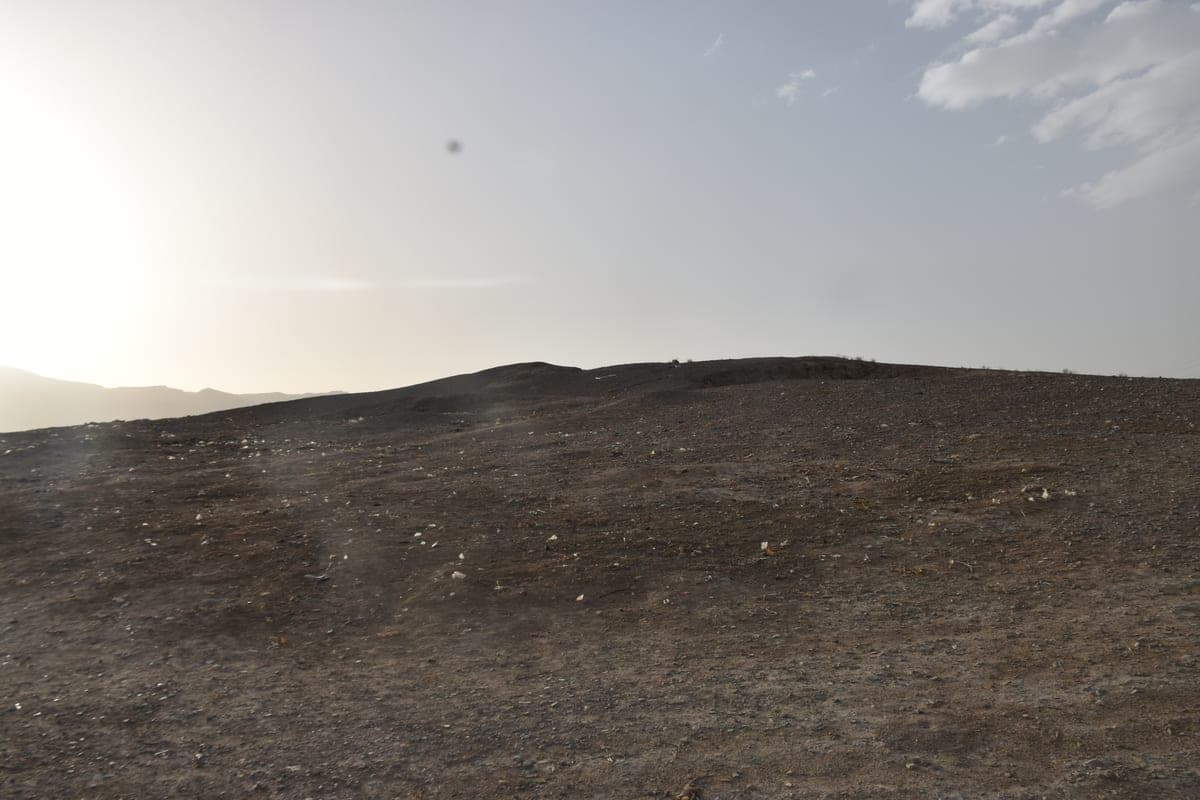
 Photo: Department of Archaeology & Museums, Government of Pakistan
Field guides / Balochistan / Quetta & Ziarat / Kechi Beg, Quetta
Field guide · Heritage
Quetta
Quetta District · Balochistan, Pakistan
Kechi Beg, Quetta
An ancient village mound south of Quetta that gave its name to Kechi Beg ware, the painted pottery of Balochistan's Copper Age.
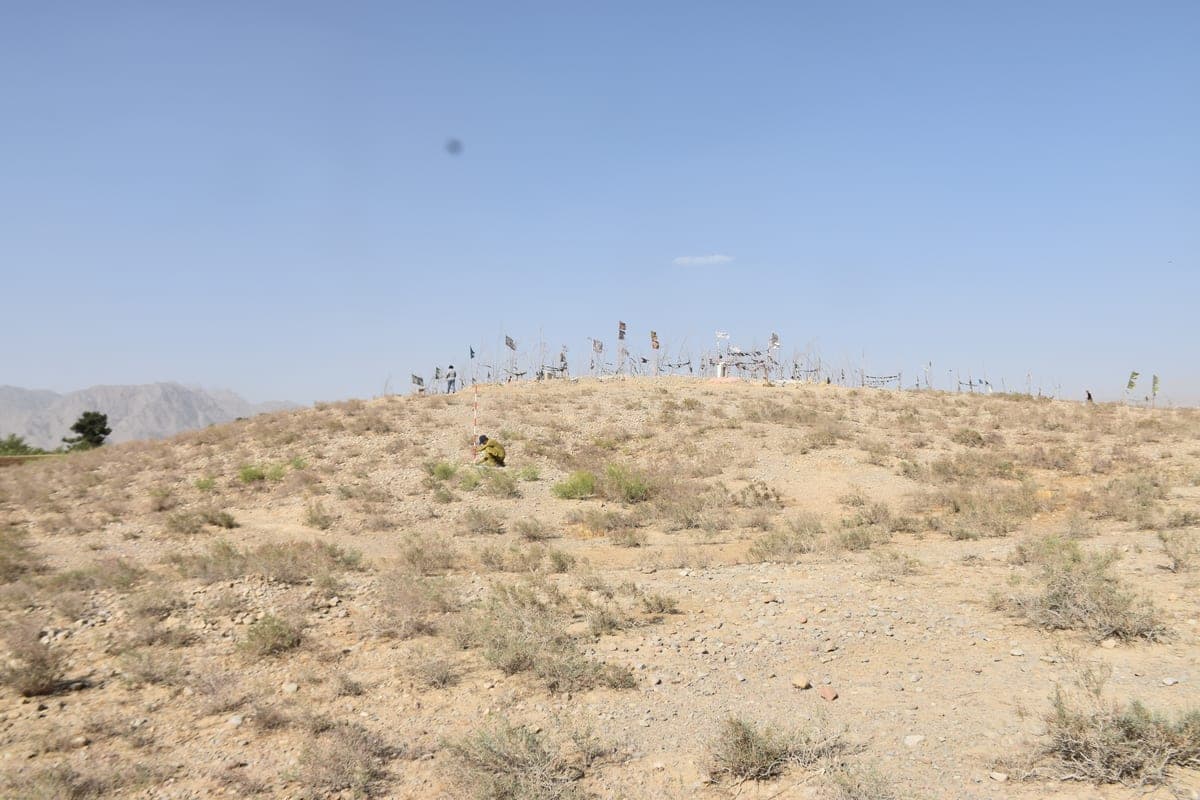
Kechi Beg is a low, roughly round mound about 8 km south of Quetta, 52 metres across and some 3.6 metres high, now ringed by the city. The American archaeologist Walter Fairservis excavated it in the 1950s and named the culture he found after it. It belongs to the fourth millennium BCE, when farming villages of the Quetta valley made fine painted pottery: Kechi Beg ware, with black designs on a buff or red slip and, later, bright polychrome patterns, became one of the three great pottery styles of ancient Balochistan.
Why go
- ✦The type site of Kechi Beg painted pottery
- ✦A Copper Age village of the fourth millennium BCE
- ✦Excavated by Walter Fairservis in the 1950s
Visiting today
Kechi Beg is a modest mound in the city's southern suburbs, best for visitors with an interest in Balochistan's prehistory.
Planning tip
Best Time to Visit, April–May and September–October, when Quetta is mild; winters are freezing.
Getting there, About 8 km south of Quetta city, west of Saryab Road; the mound is surrounded by houses and shops.
What to Do
Nearby
Straight-line distance from Kechi Beg, Quetta, within 5 km.