
Field guides / Gilgit Division / Hunza / Sacred Rocks of Hunza (Haldeikish)
Field guide · Heritage
Gilgit Division
Hunza District · Gilgit-Baltistan, Pakistan
Sacred Rocks of Hunza (Haldeikish)
Thousands of petroglyphs and inscriptions from the 1st millennium AD, in Sogdian, Kharoshthi, Brahmi, and Chinese scripts, left by Silk Route travellers on a hillside beside the Karakoram Highway.
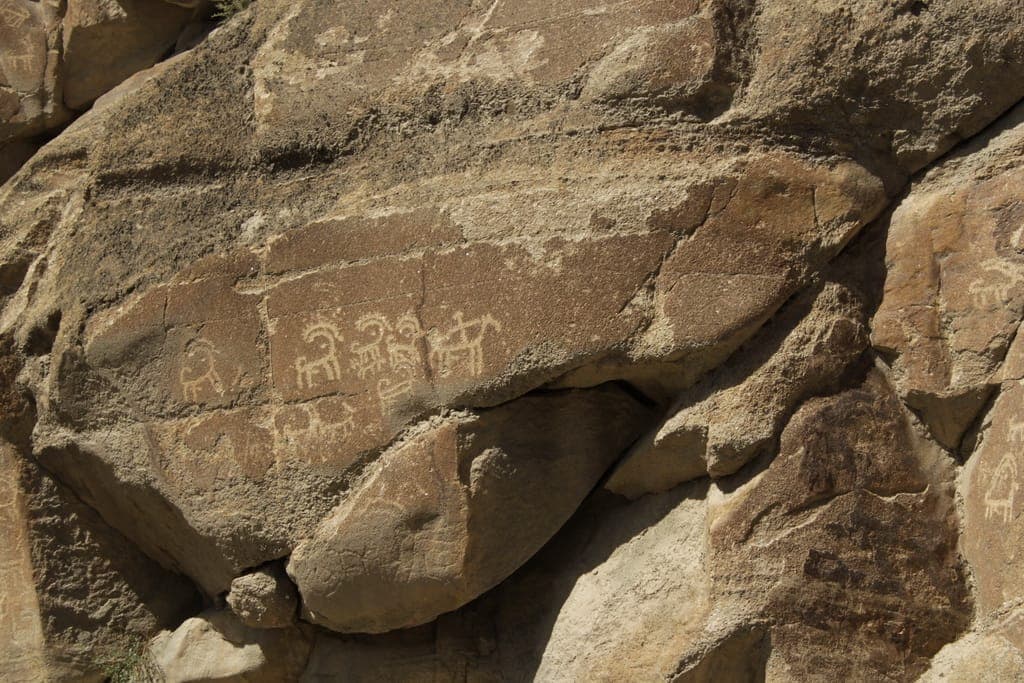
Haldeikish, known in English as the Sacred Rocks of Hunza, is one of the earliest documented sites of petroglyphs along the ancient Silk Route, a cluster of boulders on a hillside between Ganish village and Attabad Lake. Thousands of carvings and inscriptions cover the rock faces, ibex and goat figures giving the site its name (Haldeikish means roughly 'a place of many male ibex'), alongside text carved in Sogdian, Kharoshthi, Brahmi, Sarada, and Chinese scripts by travellers passing through over more than a thousand years. Inscriptions naming the Kushan emperors Kanishka and Huvishka place some of the carvings to the 1st millennium AD.
Why go
- ✦Thousands of petroglyphs spanning over a millennium
- ✦Inscriptions in Sogdian, Kharoshthi, Brahmi, and Chinese scripts
- ✦Names of Kushan emperors Kanishka and Huvishka carved in stone
- ✦A direct physical record of Silk Route traffic through Hunza
A Silk Route Visitors' Book
For over a thousand years, travellers on the route that is now the Karakoram Highway stopped at this hillside and left their mark, carving names, dates, and messages in scripts from across Central and South Asia. Read together, the inscriptions form one of the few physical records of who actually used this stretch of the Silk Route, and when.
Plan It with GreenPak
The site sits directly on the road between Ganish and Attabad Lake, easy to combine with both on the same short stretch of driving. Use Plan a trip to fold it into a Hunza-Attabad day.
Planning tip
Best Time to Visit, Year-round; the site is low in the valley and accessible in any season.
Getting there, Directly beside the Karakoram Highway between Ganish and Attabad Lake, a short stop rather than a detour.
Allow, 20-30 minutes to view the main rock faces.
What to Do
Make Sacred Rocks of Hunza (Haldeikish) Part of a Trip
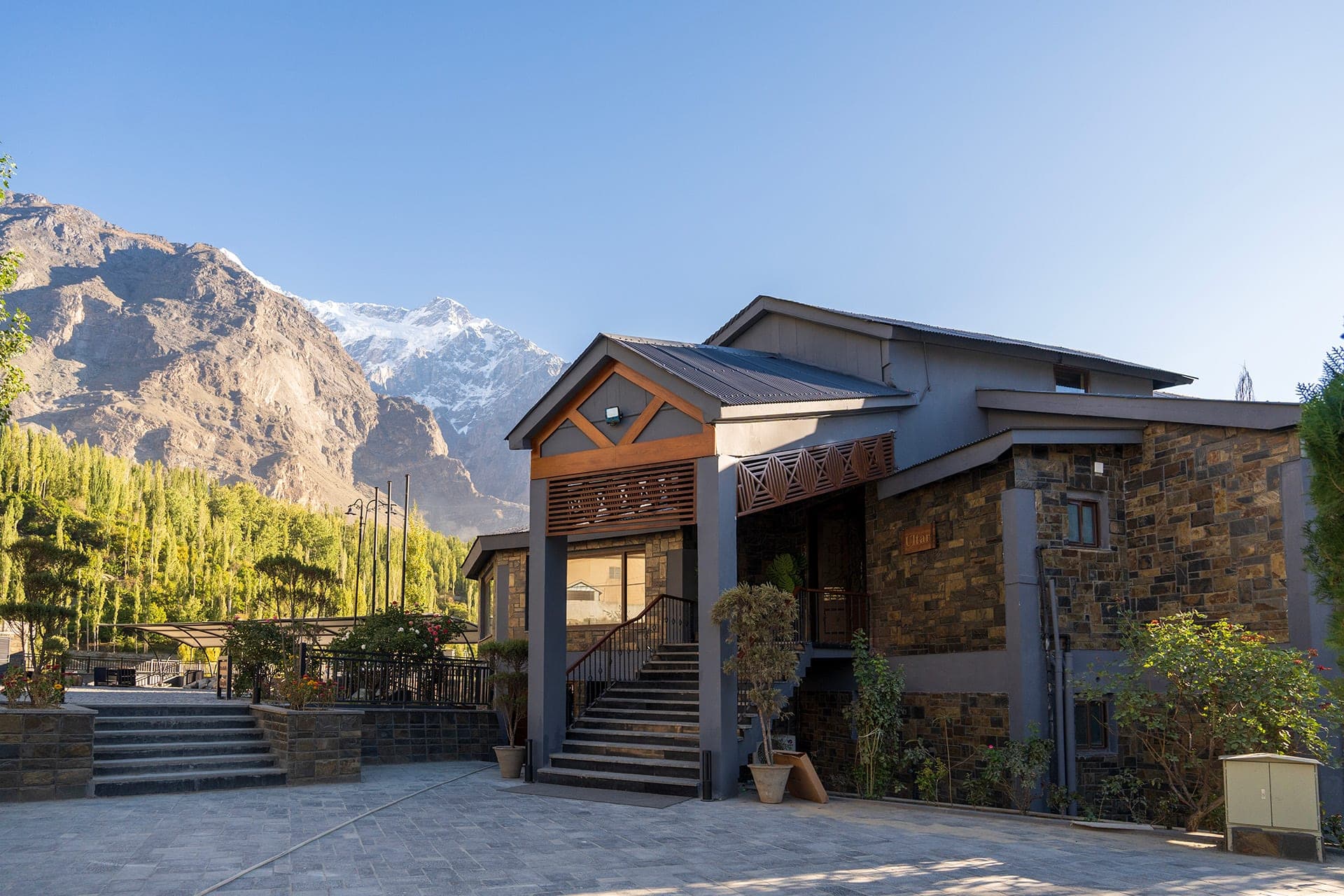
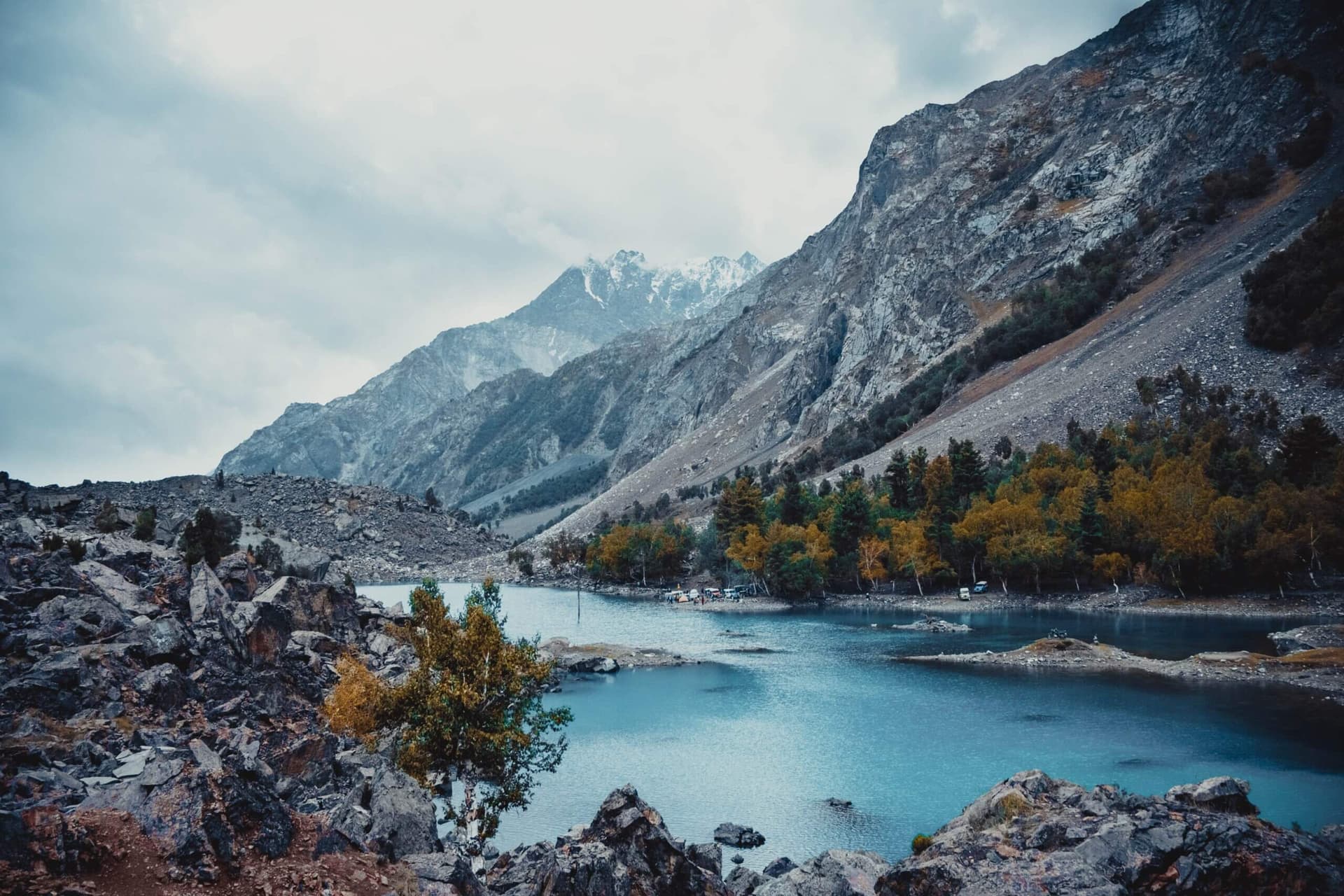
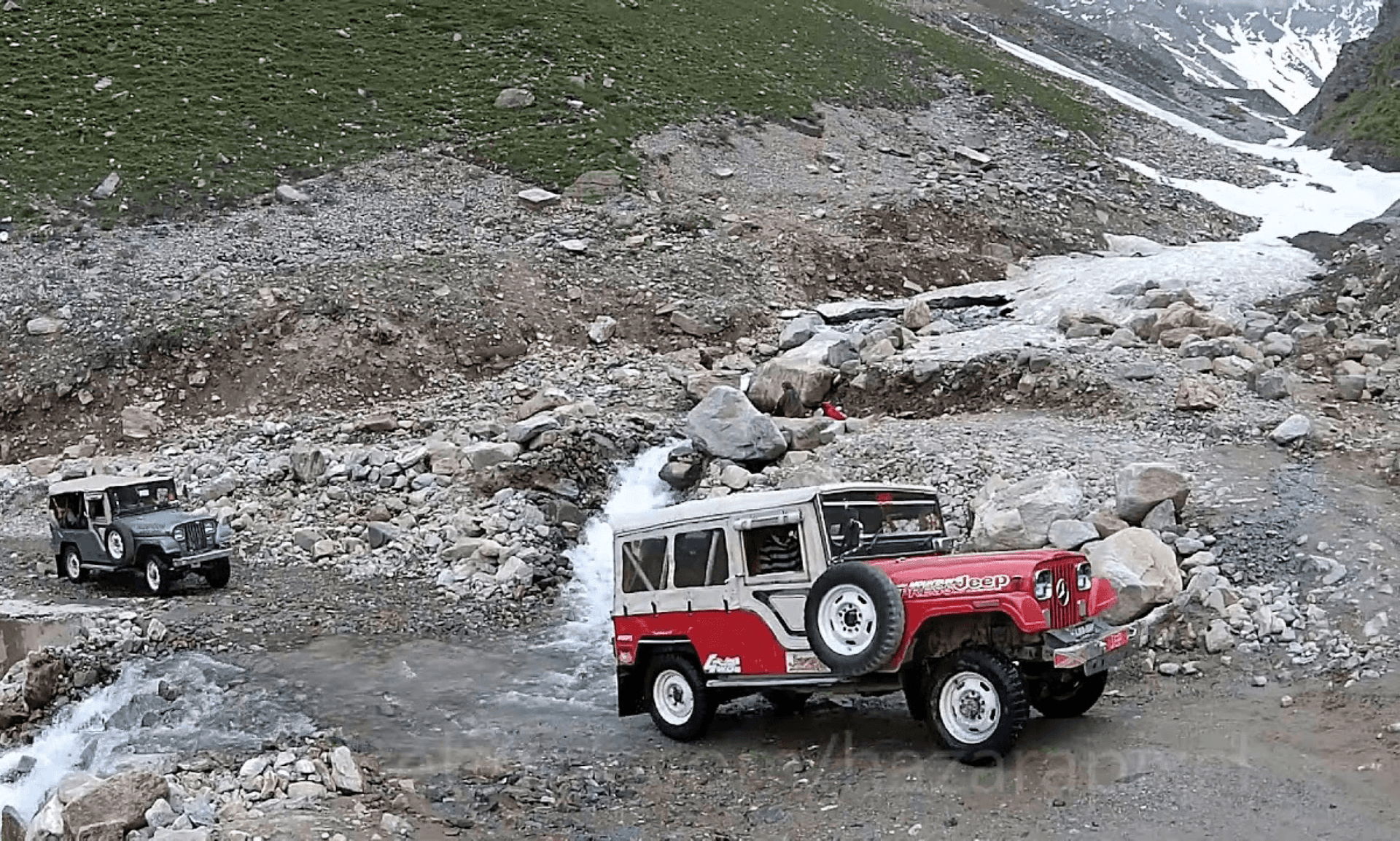
GreenPak resorts and journeys within 5 km of Sacred Rocks of Hunza (Haldeikish).
Nearby
Straight-line distance from Sacred Rocks of Hunza (Haldeikish), within 5 km.