
Field guides / Punjab / Tomb of Shah Rukn-e-Alam
Field guide · Heritage
Tomb of Shah Rukn-e-Alam
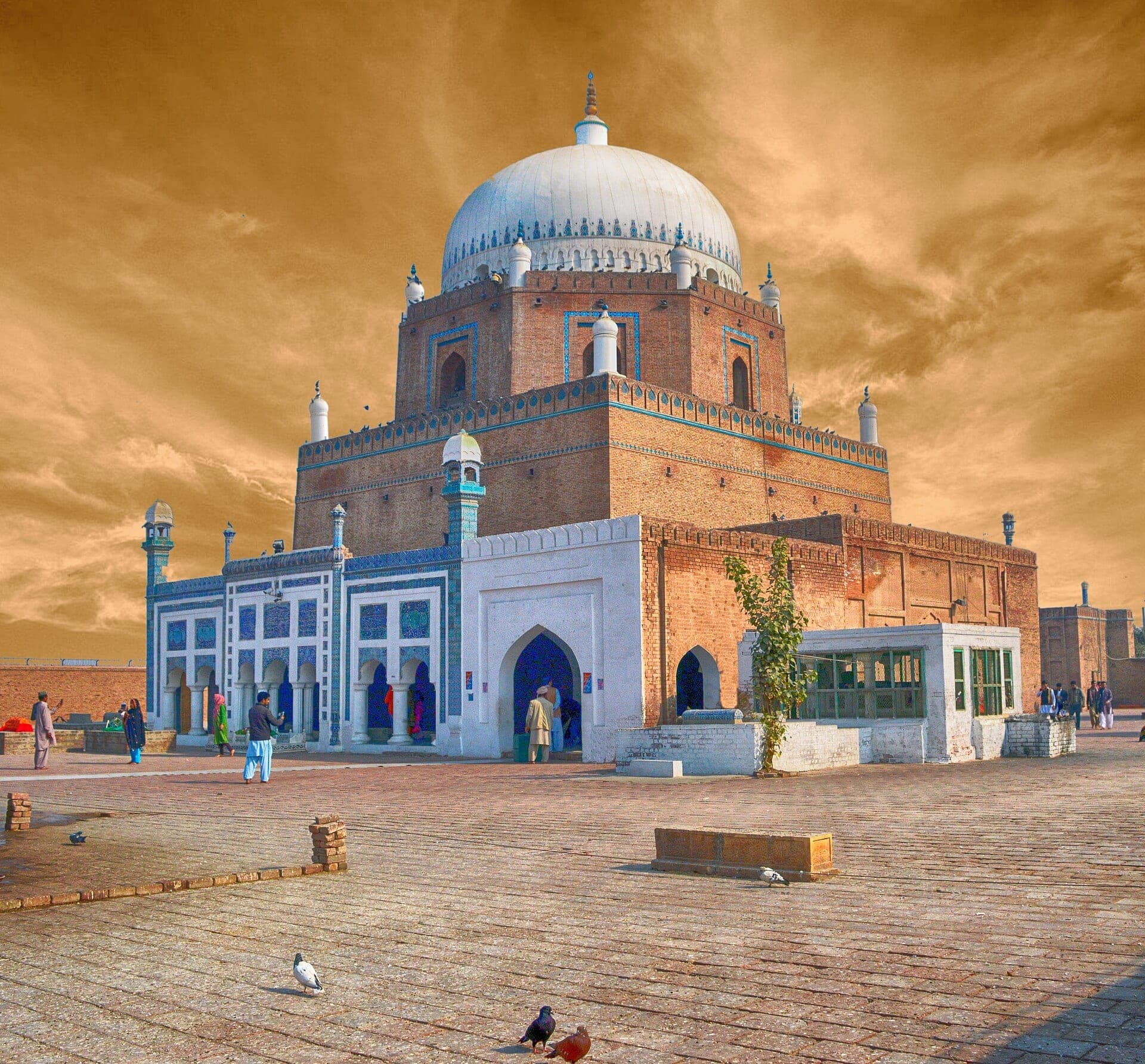
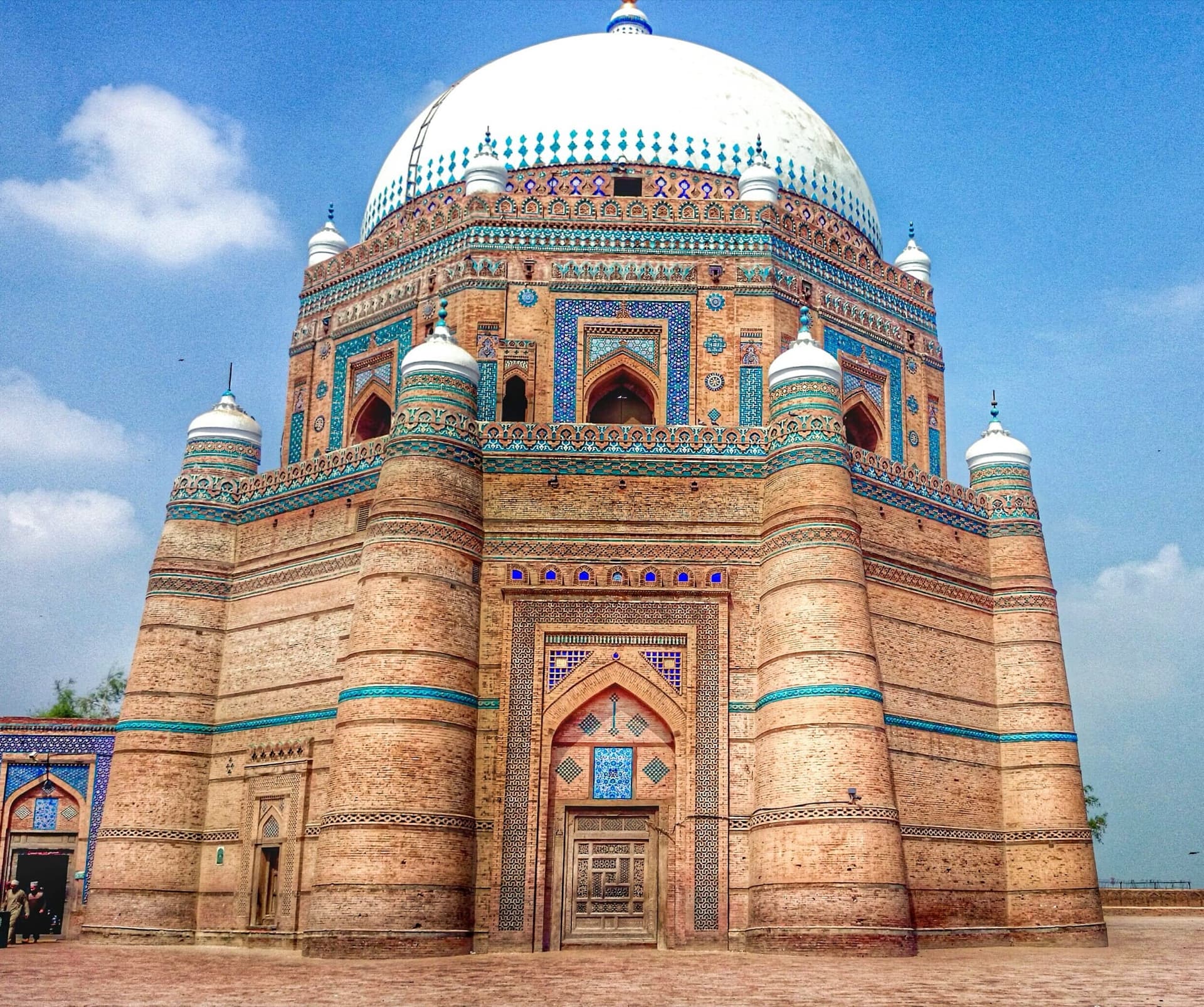
A soaring 14th-century brick tomb inside Multan Fort, its blue-and-turquoise glazed tilework among the finest examples of Multani craftsmanship, and one of the earliest and grandest Tughlaq-era monuments in South Asia.
The tomb of Shah Rukn-e-Alam rises inside Multan Fort as one of the largest and earliest surviving examples of Tughlaq-era funerary architecture in South Asia, built in the early 14th century for the revered Sufi saint. Its octagonal brick body and turquoise-and-blue glazed tilework set the template that Multan's ceramic tradition has followed ever since.
Why go
- ✦Early 14th-century Tughlaq-era architecture
- ✦Multan's signature blue and turquoise glazed tile
- ✦One of the largest tombs of its kind in South Asia
- ✦Active Sufi shrine and pilgrimage site
The Template for Multan's Tilework
Multan is often called the City of Saints, and Shah Rukn-e-Alam's tomb is the reason its glazed-tile tradition became so distinctive, later echoed in the tombs of Uch Sharif and shrines across southern Punjab.
Plan It with GreenPak
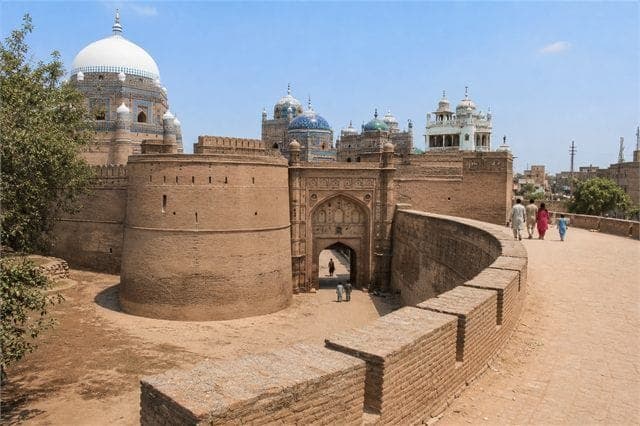
Best paired with Multan Fort and the old city's bazaars, use Plan a trip to build a Multan heritage day around it.
Planning tip
Best Time to Visit, October to March; Multan's summers are extremely hot.
Getting there, Inside Multan Fort, in the centre of the city.
Allow, 1-1.5 hours.
What to Do
Nearby
Straight-line distance from Tomb of Shah Rukn-e-Alam, within 5 km.