
Loading…
Field guides / Khyber Pakhtunkhwa / Takht-E- Bahi Stupa
Field guide · Heritage
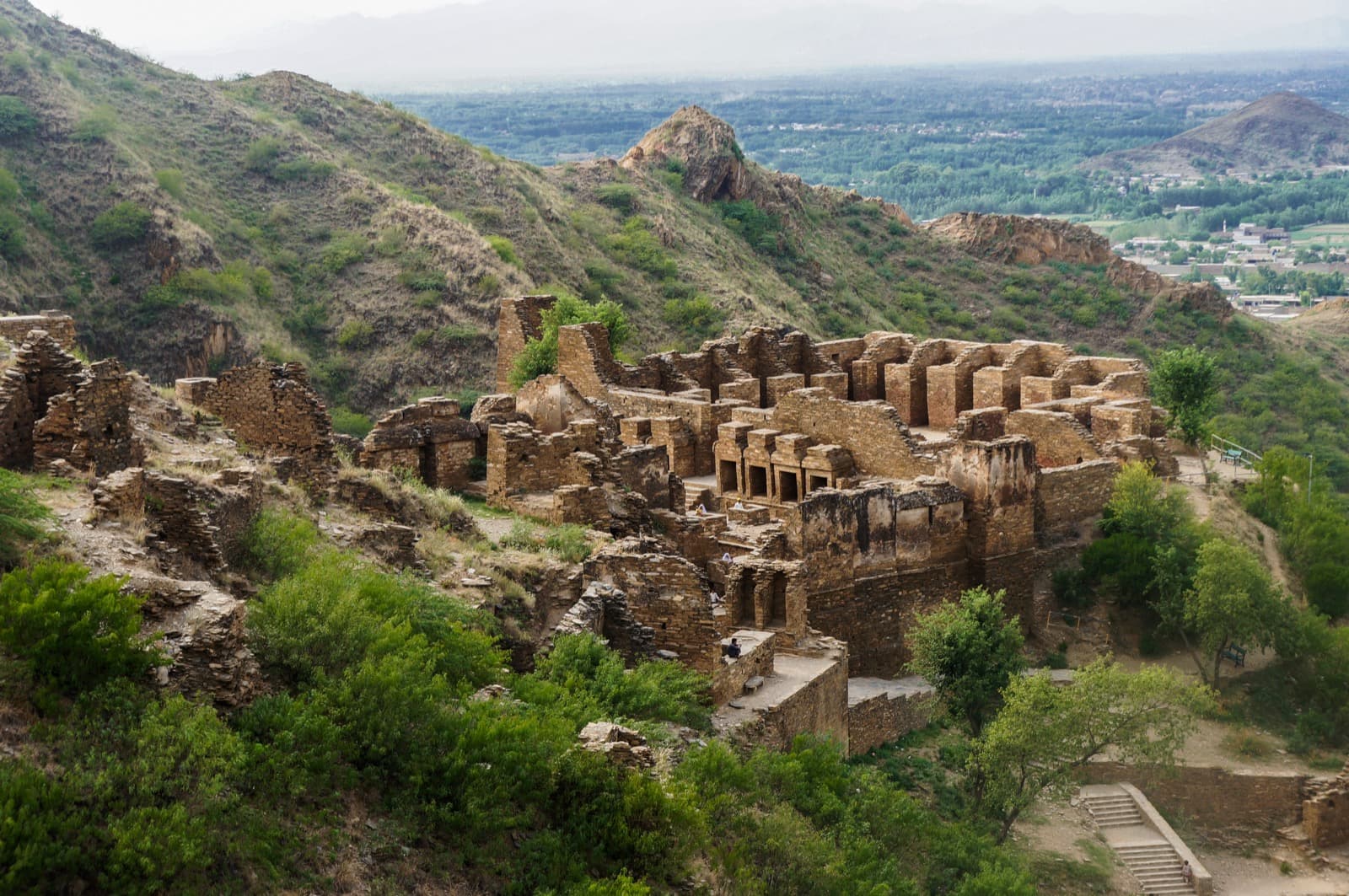
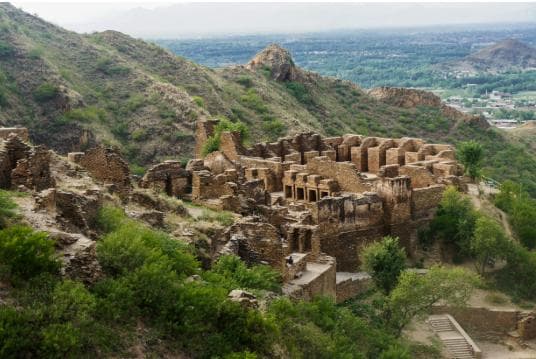
Takht-i-Bahi is a significant archaeological site located in Mardan, Khyber Pakhtunkhwa, Pakistan.
Founded in the 1st century CE, it served as a Buddhist monastery and remained in use until the 7th century CE. The site is renowned for its well-preserved architecture, particularly representing the monastic centers of its time. It includes several key areas such as the Stupa Court, monastic chambers, a temple complex, and a Tantric monastic area. Takht-i- Bahi was designated a UNESCO World Heritage Site in 1980, recognized for its historical and cultural value. The site features a mix of local and Greco-Buddhist art and has been a valuable resource for understanding ancient Buddhist practices in the Gandhara region.
Why go
The Takht-i-Bahi monastery complex is a UNESCO World Heritage Site, actively protected under Pakistan’s Antiquity Act and managed by the Khyber Pakhtunkhwa Directorate of Archaeology & Museums. Open to tourists and researchers, it remains one of the best- preserved Gandharan Buddhist sites, with ongoing conservation to combat weathering and structural decay.
Planning tip
Best Time to Visit, Year-round; confirm local conditions and any festival dates before travel.
Getting there, In or near Mardan, Khyber Pakhtunkhwa; confirm current local access before visiting.
Straight-line distance from Takht-E- Bahi Stupa, within 30 km.