
Home / UNESCO Lists / Memory of the World
UNESCO Memory of the World Register · 1999
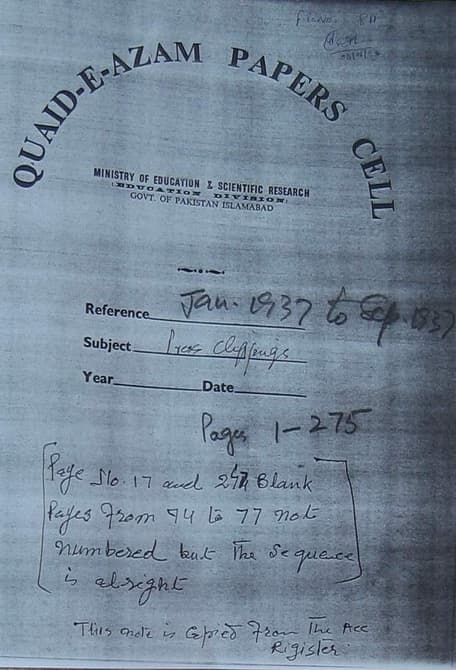
Jinnah Papers (Quaid-i-Azam)
National Archives of Pakistan, Islamabad
The personal and political papers of Quaid-i-Azam Mohammad Ali Jinnah, founder of Pakistan — inscribed on UNESCO’s Memory of the World Register in 1999.
What the papers hold
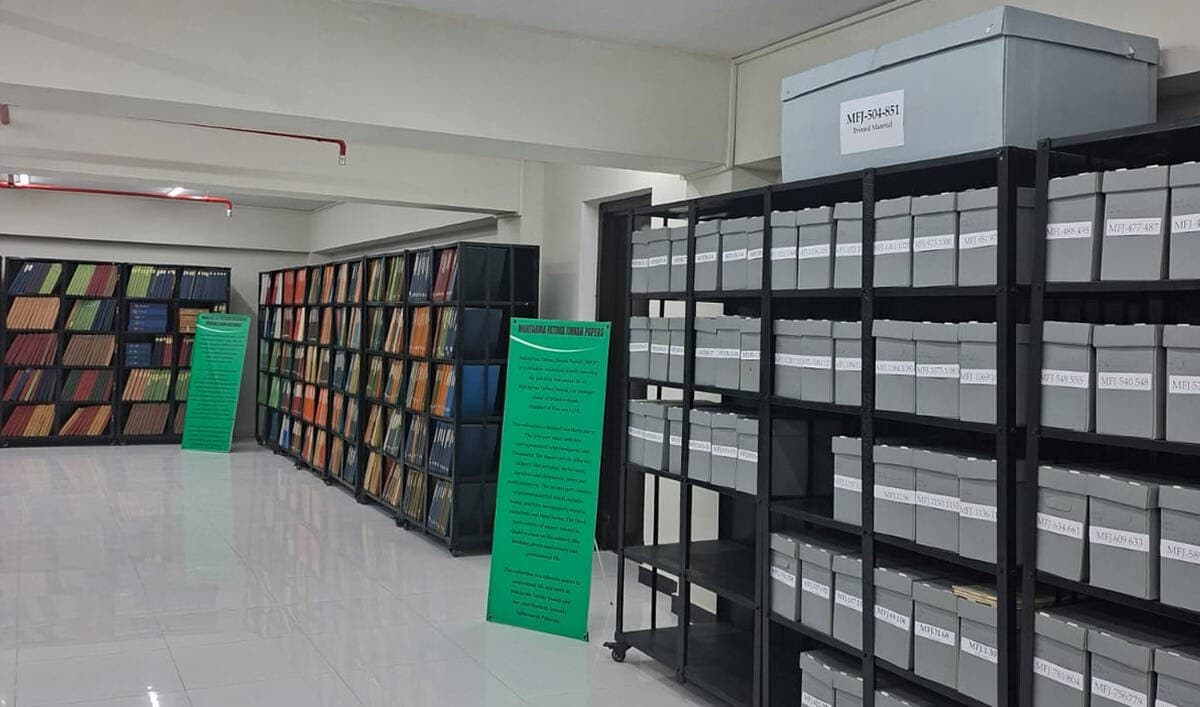
The collection falls into five parts: personal papers, political papers — the bulk of it — published material, photographs and maps. The political papers include reports, speeches, interviews and correspondence with Indian leaders and with some 650 international figures, covering the Transfer of Power that led to Partition.
About 3,000 photographs span almost fifty years of Jinnah’s private and public life, and a small map section shows the provinces of British India.
Why they matter
The papers are a primary source for the Muslim freedom movement in South Asia and for Jinnah’s own life, and trace the rise of the All-India Muslim League, which he led.
How they were kept
Jinnah kept the papers himself; after his death in 1948 his sister, Fatima Jinnah, was their custodian. They then passed to the Government of Pakistan and became part of the National Archives in 1973, where the whole collection has been microfilmed.
From the archive