
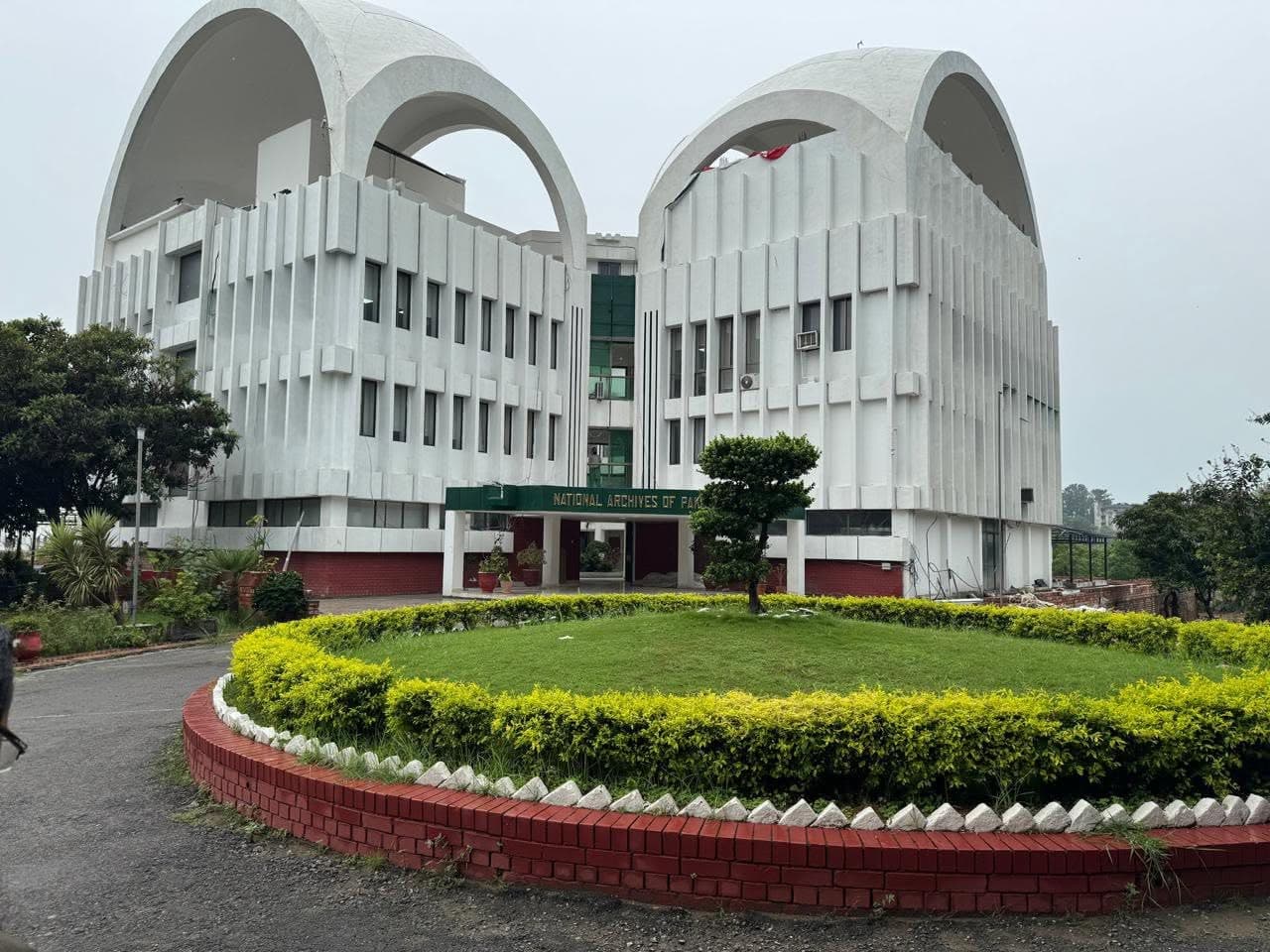
Every day, while looking out of my office window in Kohsar Block, I kept asking my staff, “What is this mushroom-head-shaped building?” They hardly knew and told me that it belonged to the atomic authorities. I kept wondering what they were doing in the Secretariat area.
One day, I sent my driver to find out. He returned with the information that it was the National Archives of Pakistan. I was excited, as I am conducting research on my family history.
Friday is usually a busy day, stretching late into the night because of the approaching weekend. Therefore, I decided to visit in the morning before going to the office. However, my SO told me, “Sir, they do not open that early.” Upon our request, they kindly agreed to receive us in the morning. So, we went to see what lay inside this uniquely designed building.
It had rained that morning. Passing along the beautiful Margalla Road, we turned onto Constitution Avenue and took the road running between the Secretariat buildings. As you pass the old, tall trees along the winding road, you reach the National Archives within five minutes. This area somehow reminds me of old Kuala Lumpur or Singapore.
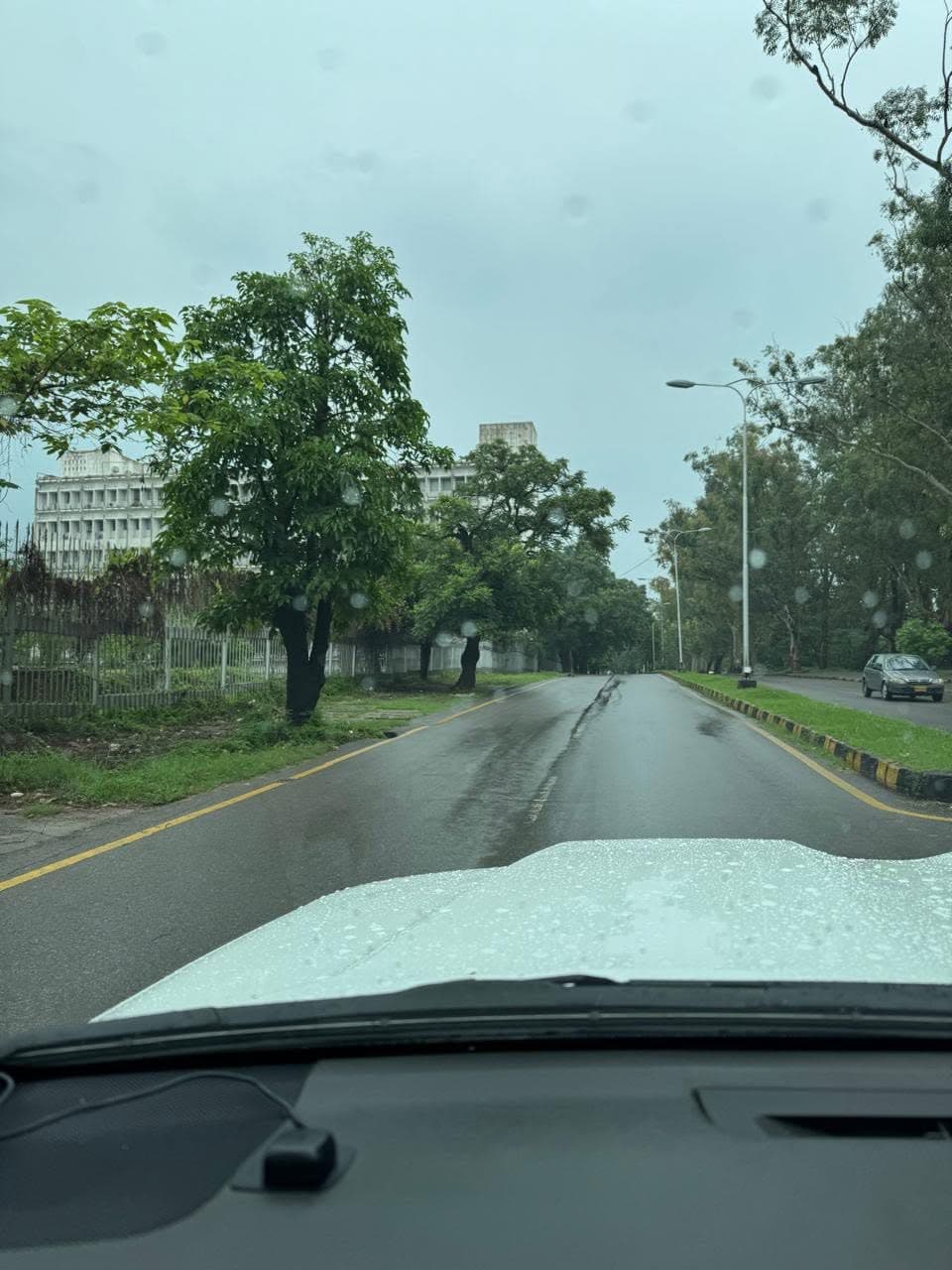
Whenever passing through this area, I have often wondered why we do not whitewash and better maintain these Secretariat buildings, where the entire federal bureaucracy sits.
Anyway, as we entered the gate, we were warmly greeted by Mr Khurram, the Conservator and Head of Conservation, who has been working there for the last 15 years. He ushered us inside the four-storey building, which also has a basement and lower basement.
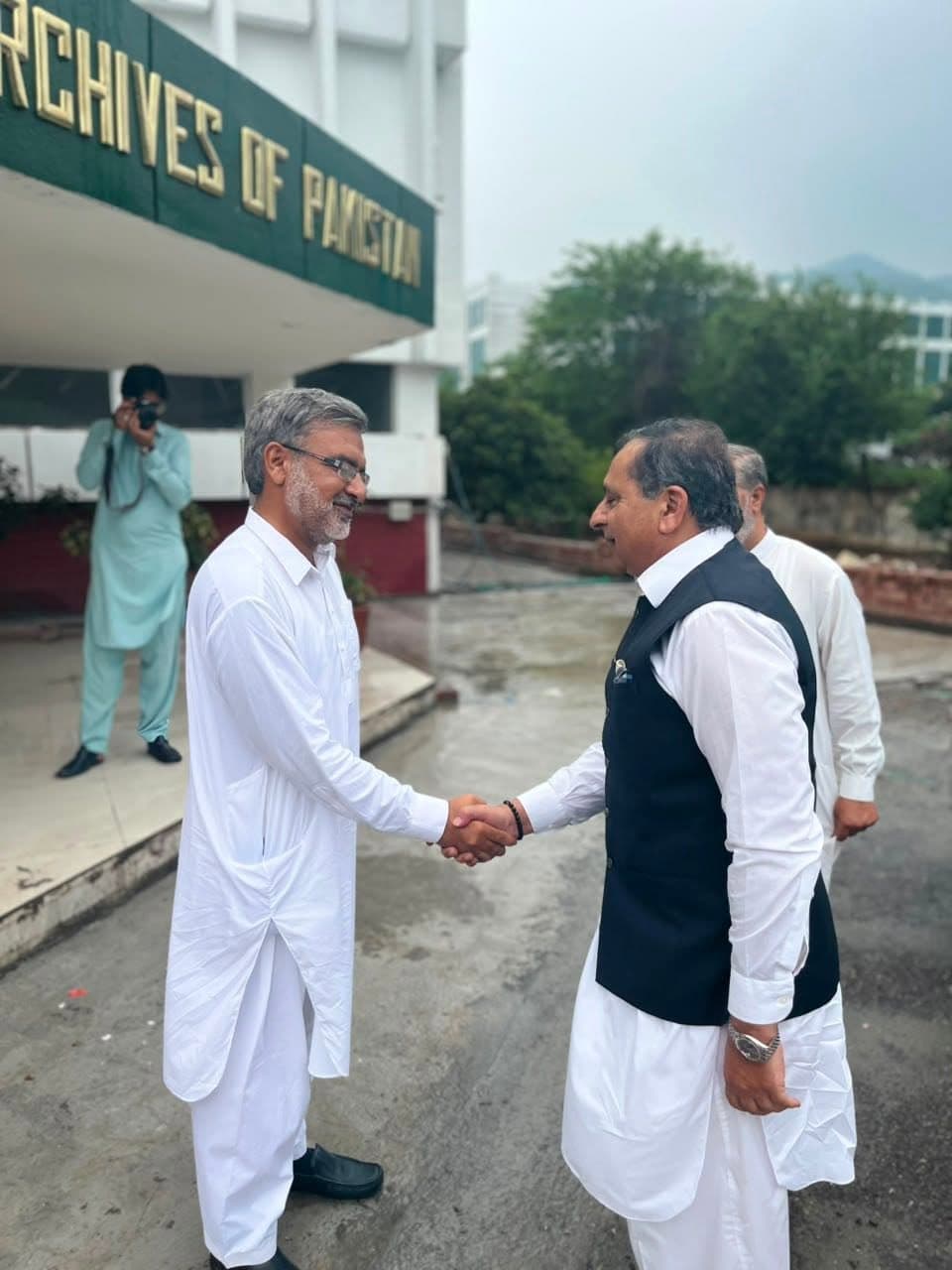
He seemed somewhat inquisitive as to why a retired military general had come there and was asking him so many questions!
The National Archives was initially located in Karachi and started functioning in 1951 as the Directorate of National Archives and Libraries. Later, in 1973, it was shifted to Rawalpindi and housed in rented accommodation. After Islamabad became the capital, the Archives eventually moved to its purpose-built building in Islamabad in 1989.
It operates under two laws: the Archival Material Preservation Act, 1953 and the National Archives Act, 1993. It deals with Category A documents.
As we entered, it appeared that some renovation work was underway. Later, a friend informed me that rainwater had seeped into parts of the building and repair work was therefore being carried out.
It is a nice building and is relatively well maintained, particularly the archive rooms. The institution falls directly under the Cabinet Division.
It is, in many ways, an unknown treasure. It could certainly be made even more impressive, but I am glad that it exists and that someone is taking care of it.
We climbed to the second floor, where Mr Khurram and two of his colleagues would not let us leave without having a morning cup of tea. We chatted for a while, which perhaps gave me an opportunity to clarify the purpose of my visit: simply to quench my thirst for knowledge as an enthusiast. My visit had nothing to do with the military.
After all, the military comes from society, and those of us who serve or have served in it also have hobbies and passions for different subjects. This is a perception I encounter wherever I go, but, in return, I have always received great respect.
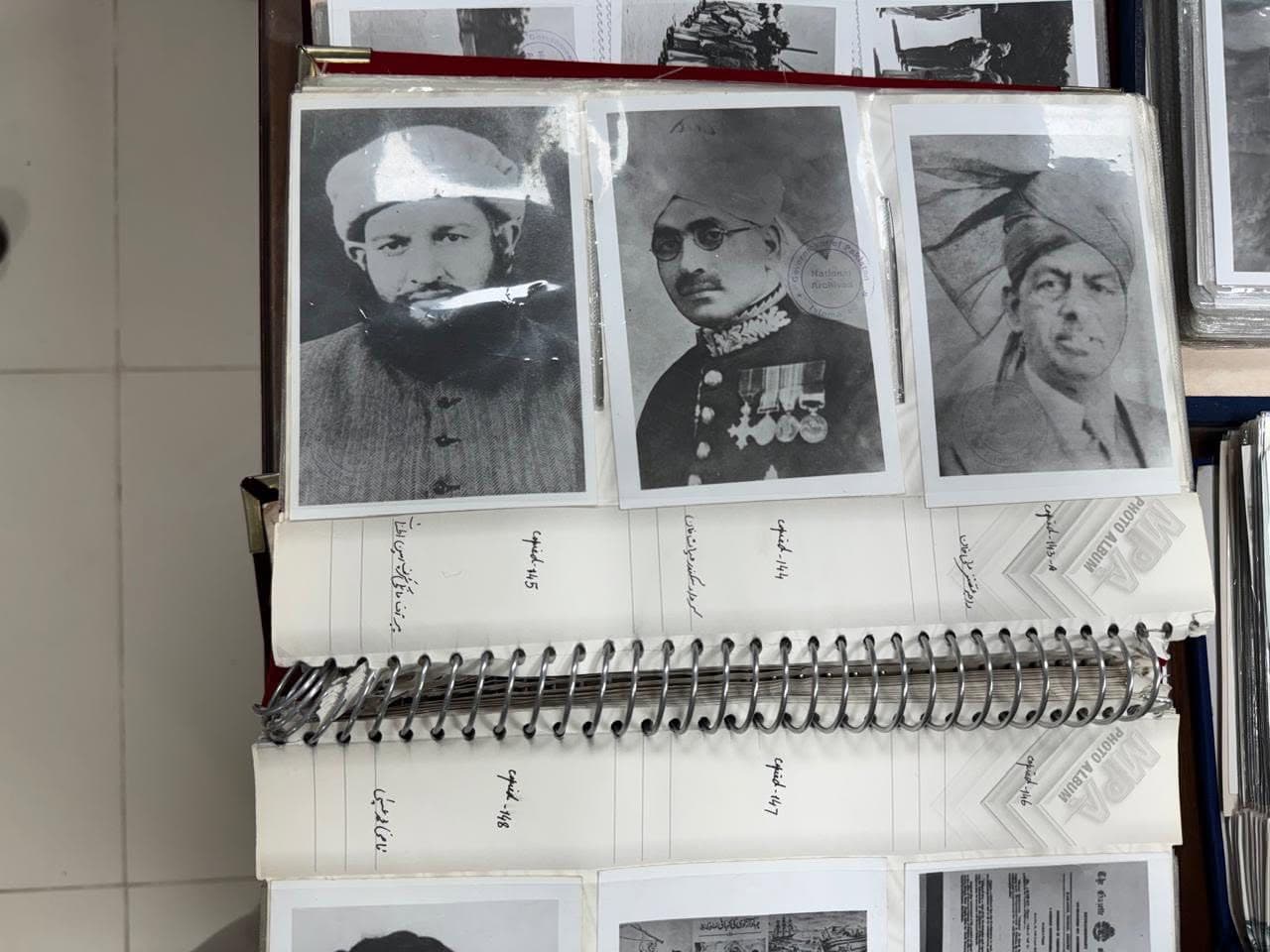
Mr Khurram, along with two other gentlemen, then took us to the first floor and into the photographic section. It contains a rare collection of around 3,000 photographic albums, featuring Quaid-e-Azam, pre-Partition life and scenes from the Partition era. It was amazing.
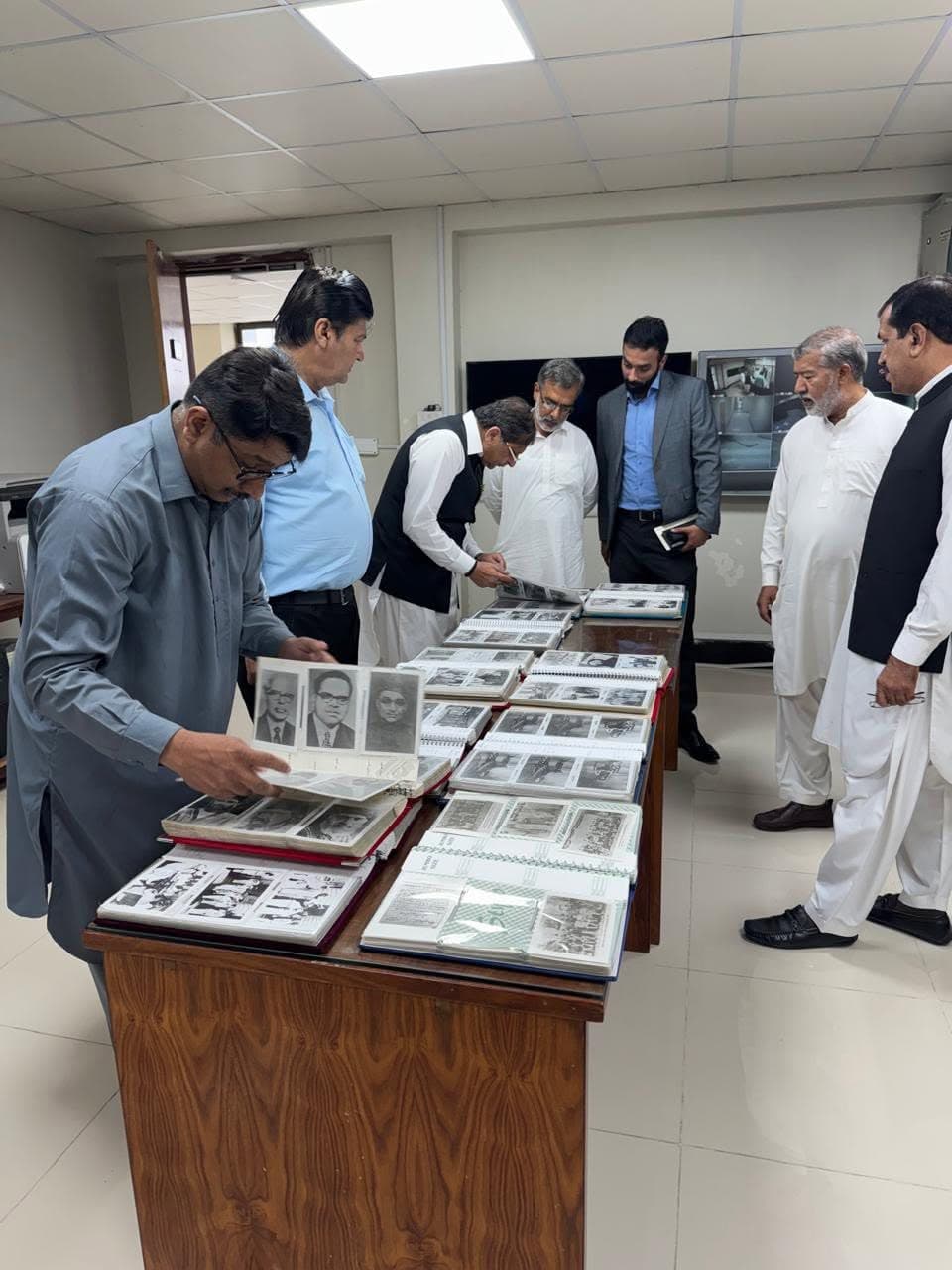
They also pointed out a few photographs connected with my family.
The room contained some excellent scanning machines being used to digitise old newspapers. I also noticed impressive scanners and, much to my interest, machines for converting photographic negatives into digital form.
I could have spent an entire day in that room, but we then moved towards the basement. Before leaving, I promised that I would present them with an old album from my own collection.
Passing through a long corridor, we entered an open space displaying photographs of our national heroes and scenes from Partition.
I must tell the reader that I once collected around 1,000 photographs of Peshawar and created a Memory Lane there, which is certainly worth visiting.
A door led us into another display room. This was even more interesting, with Partition-era photographs and frames hanging on the walls and showcases containing manuscripts and old papers, including the personal papers of Quaid-e-Azam and Mohtarma Fatima Jinnah, royal farmans and, most interestingly, the original document relating to the sale of Kashmir.
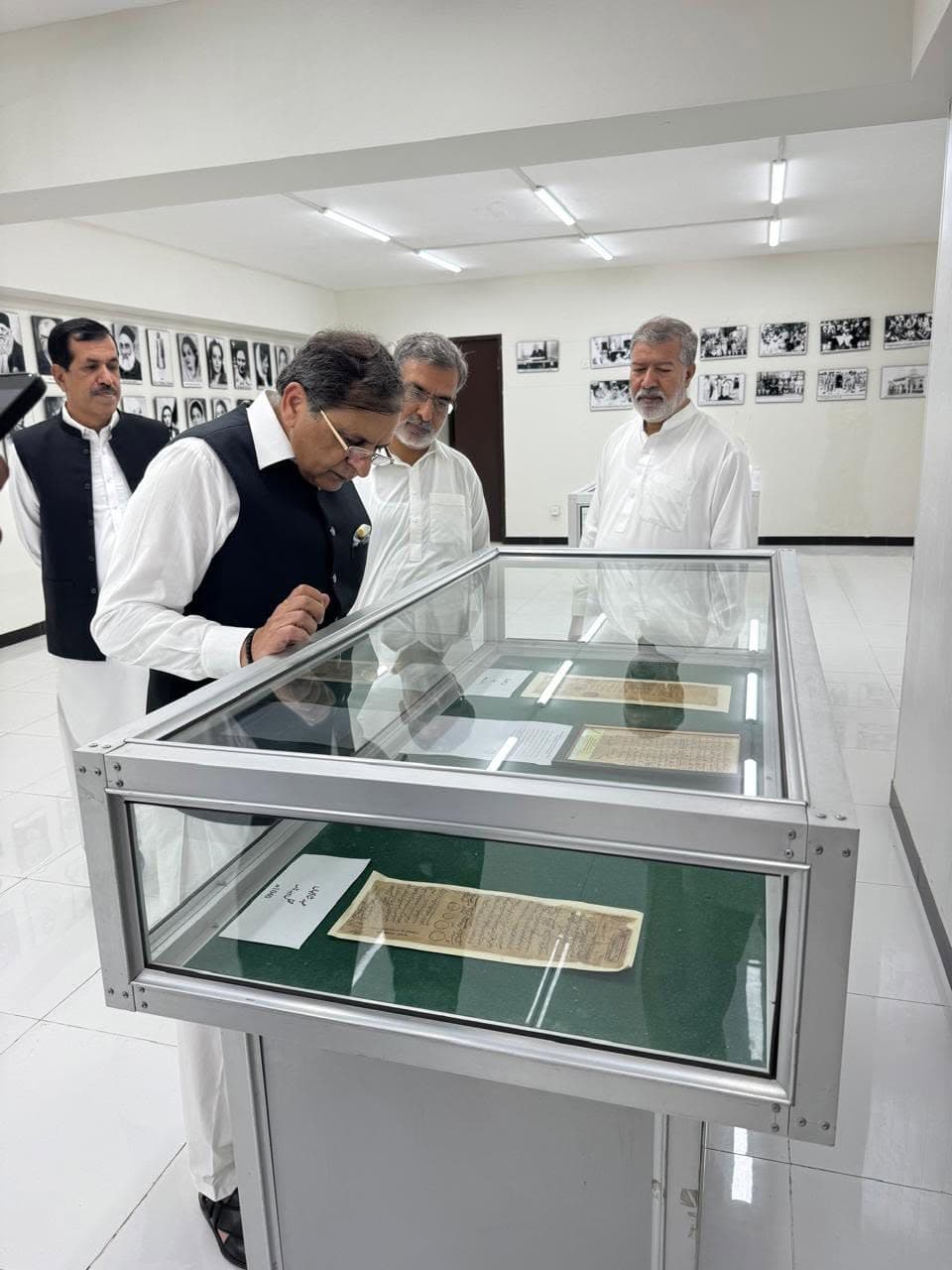
This area then led us to some of the most valuable records: the Quaid-e-Azam Papers. There are a total of 1,366 files, all carefully preserved in moisture-controlled containers. I saw a few of them. The room also houses 1,170 files relating to Mohtarma Fatima Jinnah.
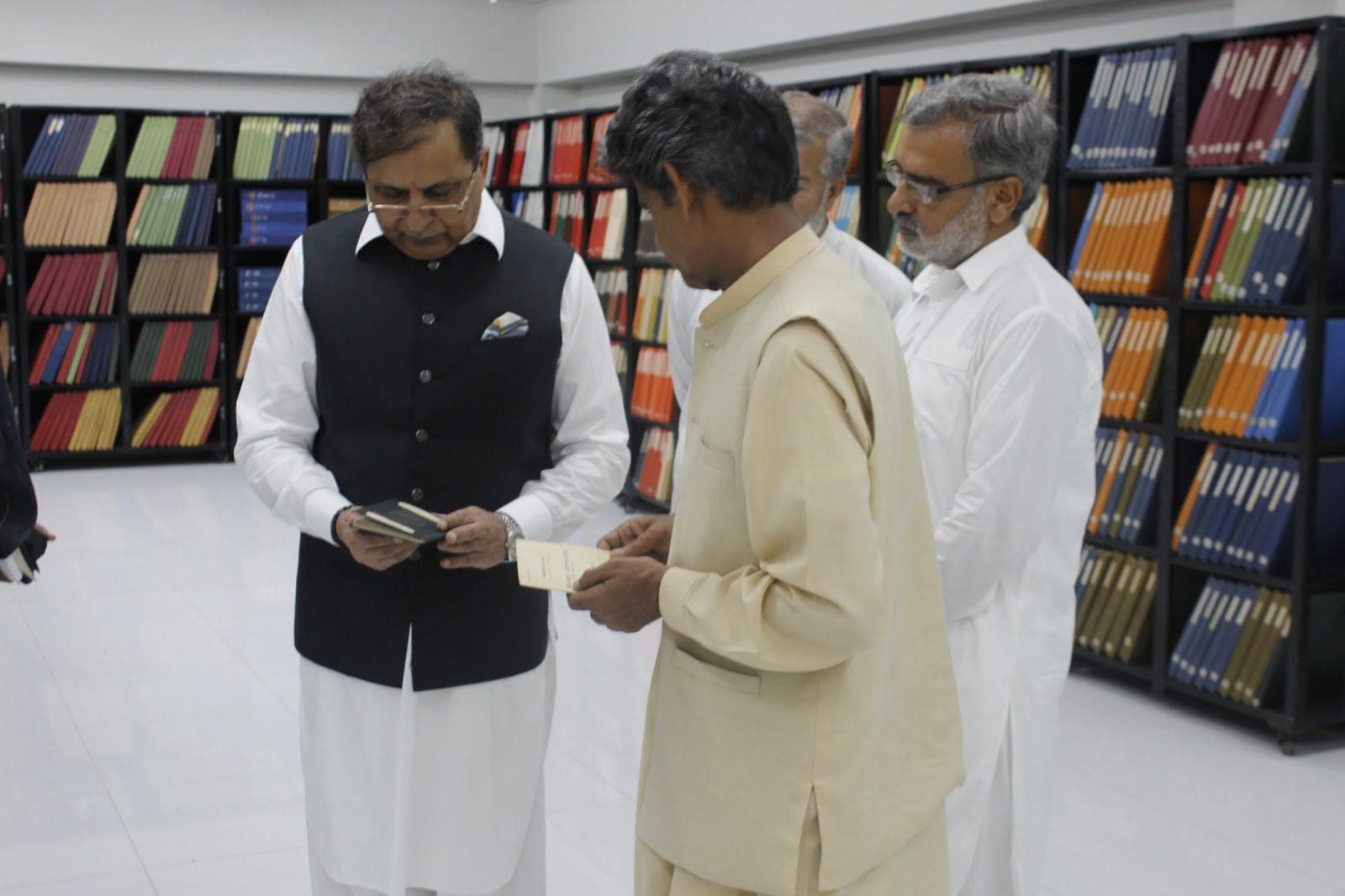
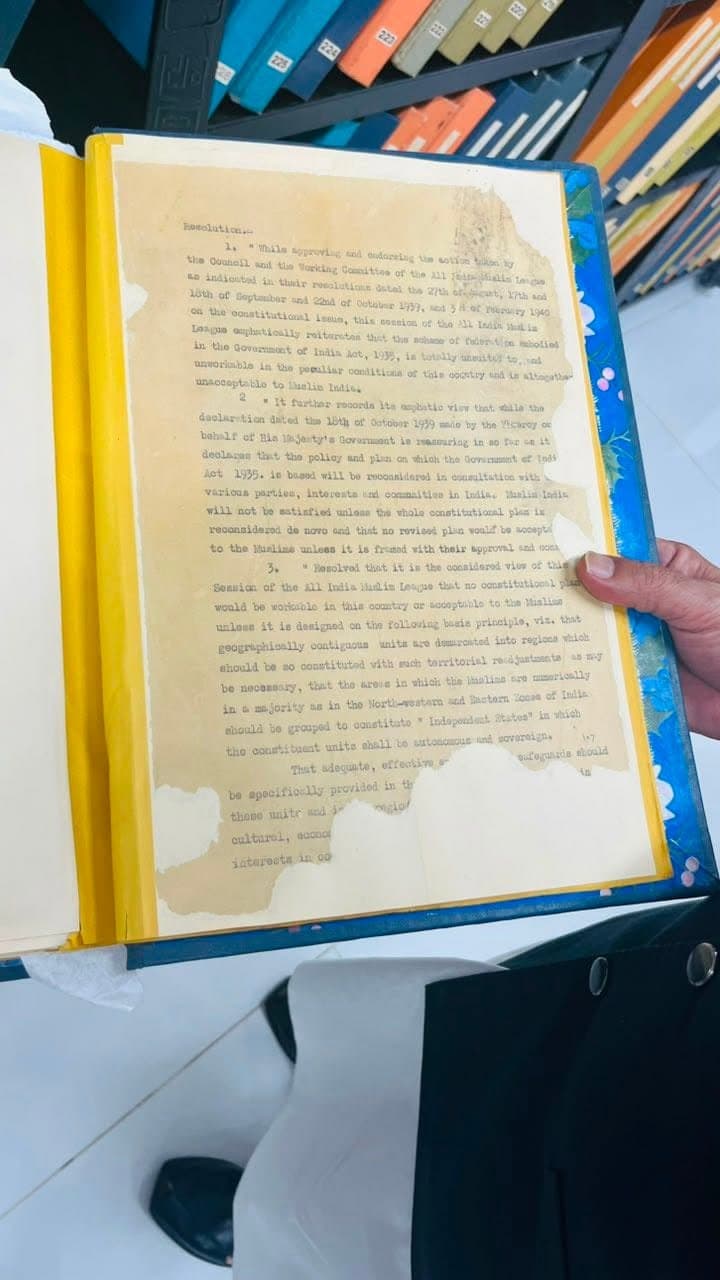
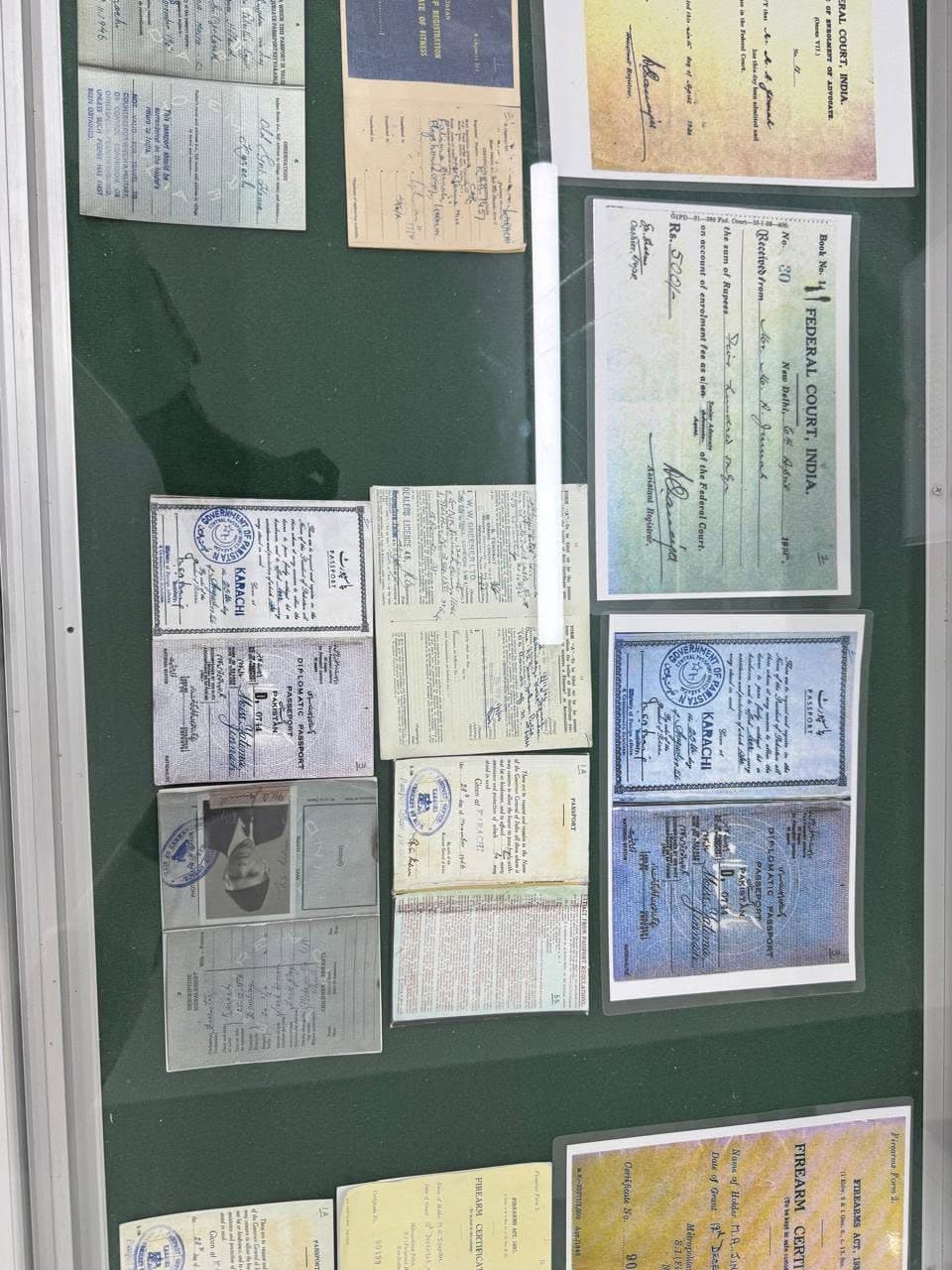
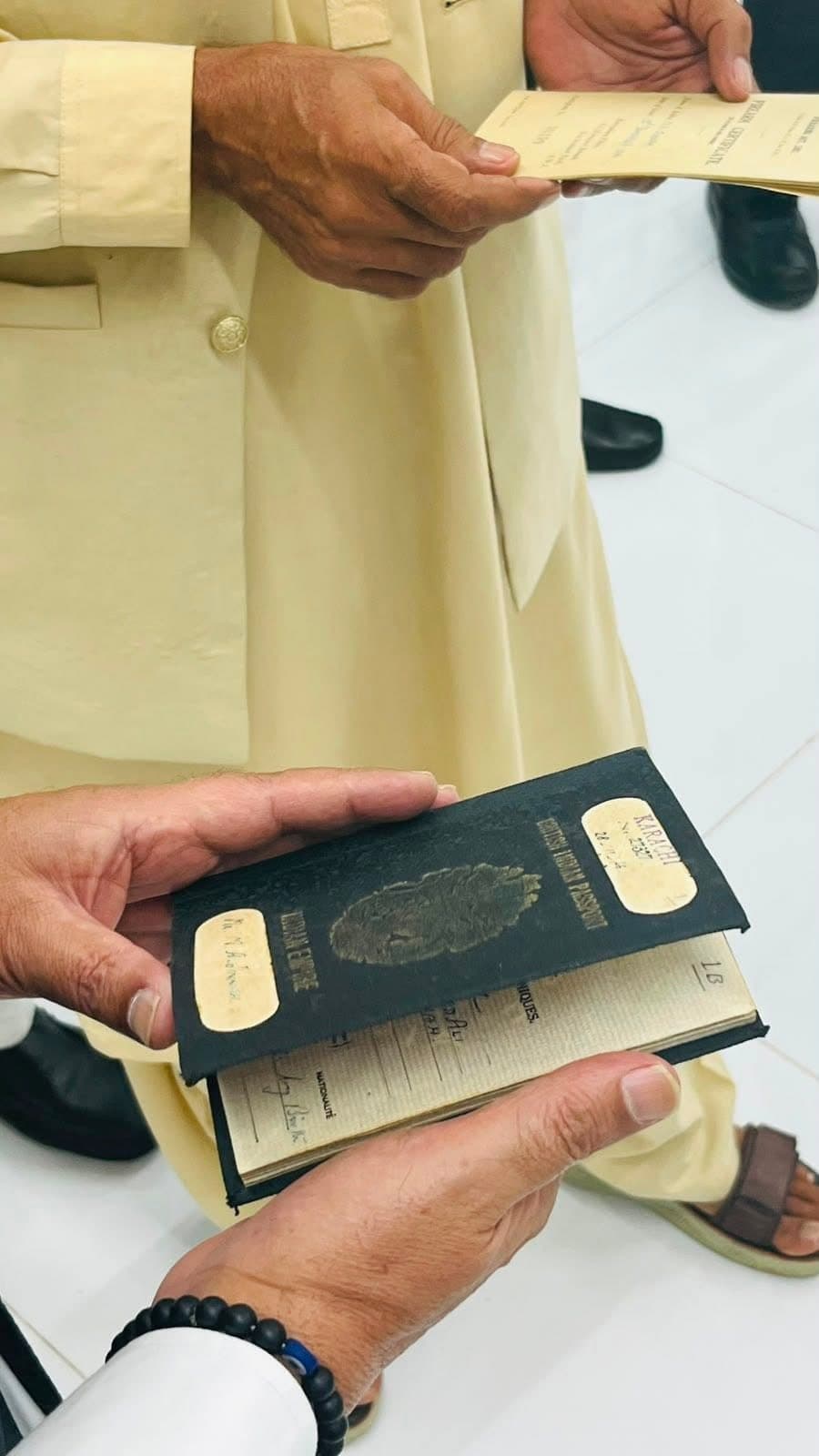
Among the most fascinating items were Quaid-e-Azam’s passport, his Bar-at-Law certificate and even his double-barrel gun licence.
The curator explained the temperature-control mechanism and fire-alarm system. He also told us that efforts are underway to have some of the preserved documents recognised by UNESCO.
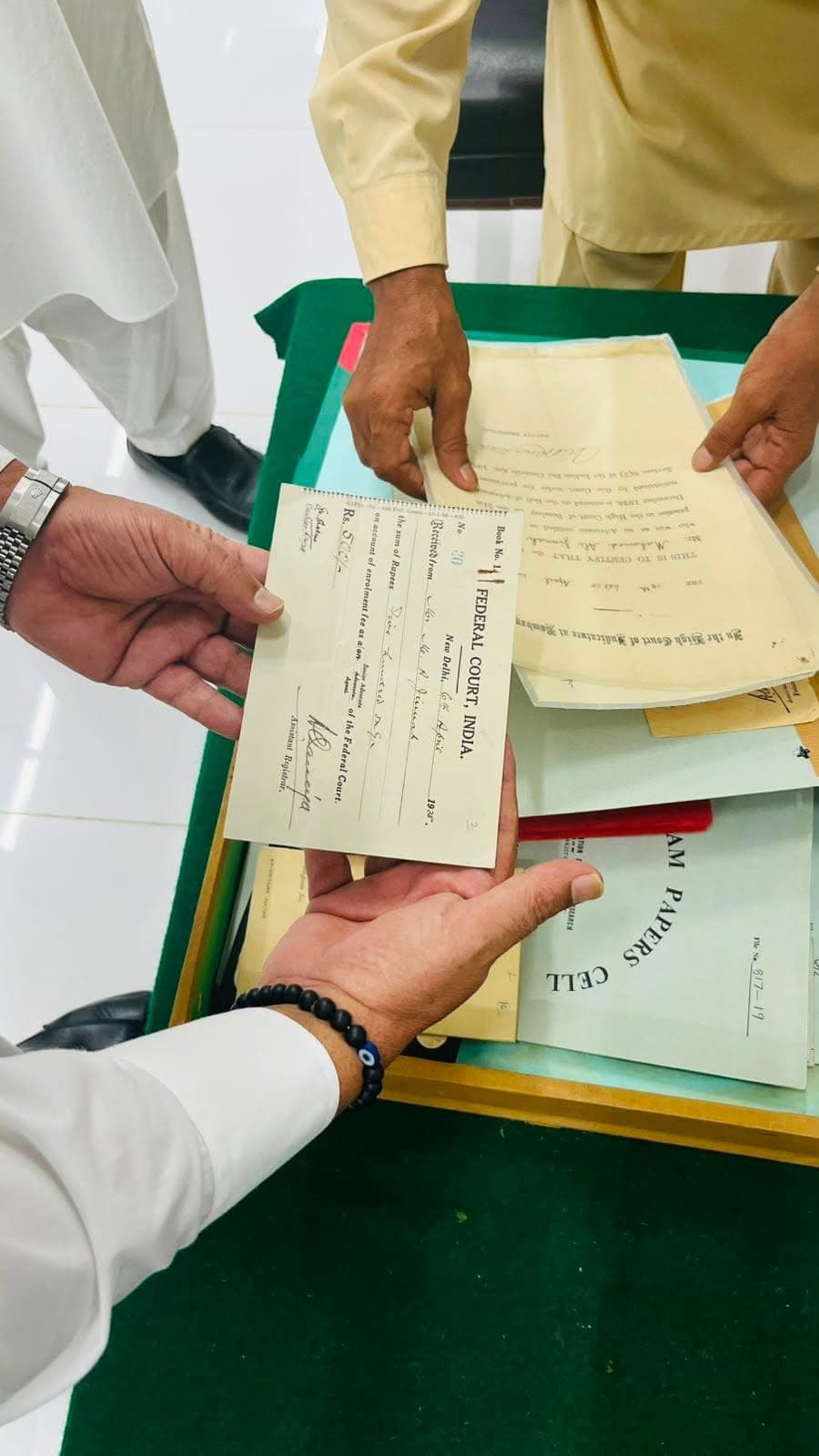
It is an extraordinary collection that could take months to properly explore and research. Many even older documents are preserved in the Punjab Archives in Lahore.
I had often wondered how old paper and documents are restored, so, at my request, they took me to the conservation laboratory, where a few people were working.
A lady initially explained that they carry out both dry and wet restoration. Perhaps after noticing my interest, she began explaining the process in greater detail.
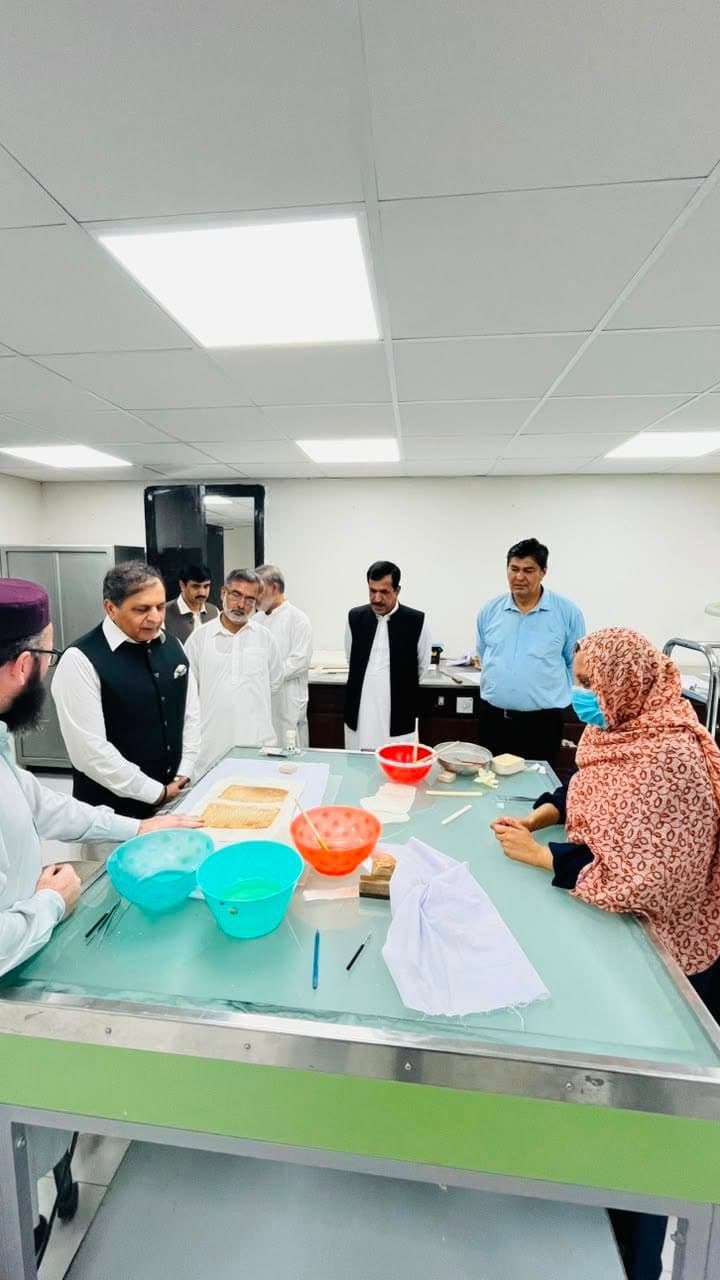
It is a painstaking and time-consuming process. Various types of handmade, acid-free Japanese tissues are used for conservation, including lens tissue, Japanese kozo tissue, Dover repair tissue, Lamitex-coated tissue, area-bonded fibre tissue and Crompton-coated tissue.
Different chemicals and conservation materials are also used for various purposes, including paper mending and ink fixing. It was extremely interesting and a wonderful source of knowledge.
Our next stop was the library. Very few people had arrived by then, probably because it was still early.
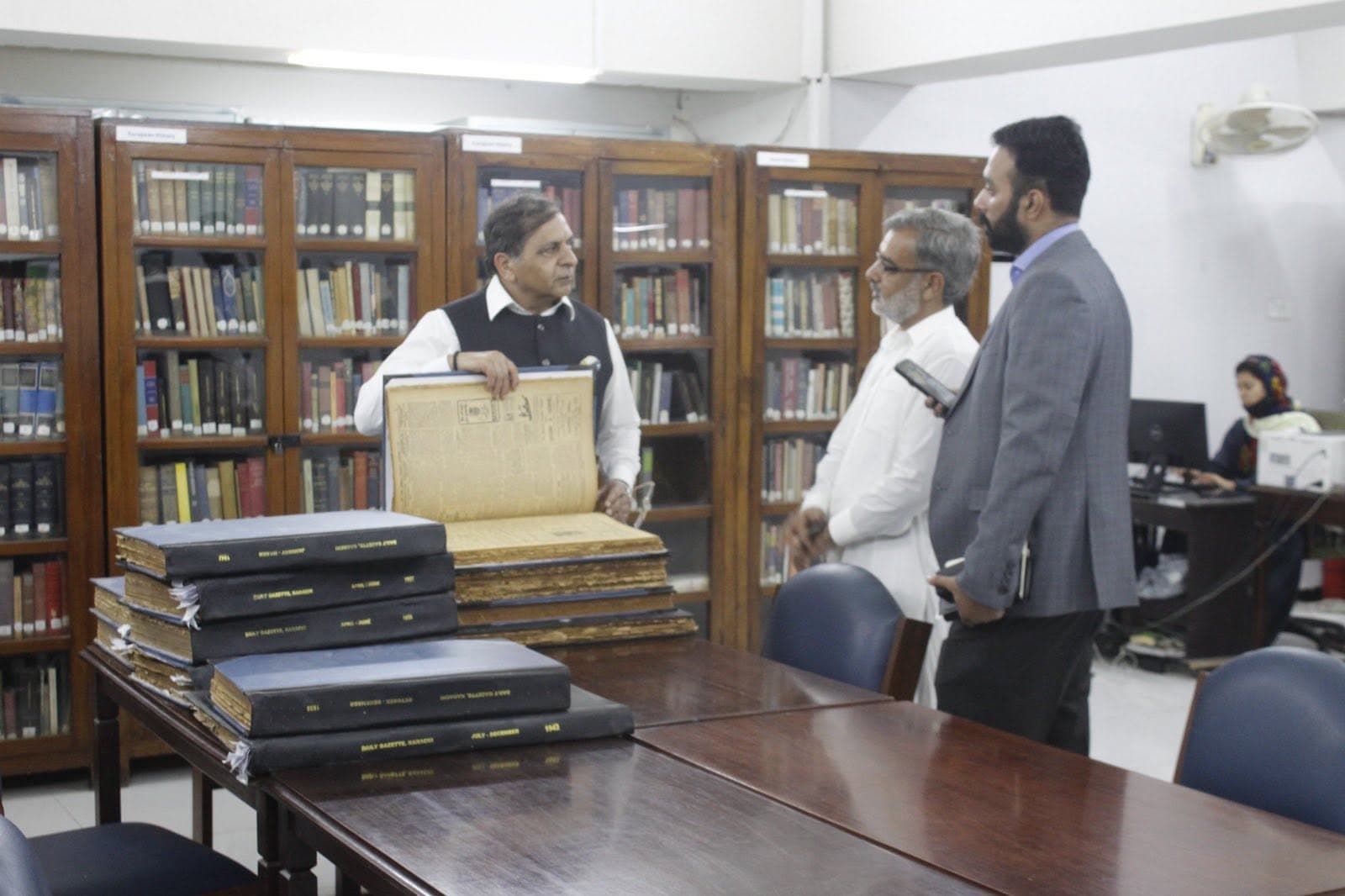
The library contains around 20,000 books, some of which are rare. Some have been donated, while others were purchased. Copies of the Quaid-e-Azam and Mohtarma Fatima Jinnah papers are also available there for research.
The librarian was kind enough to take out a few books relating to my family history.
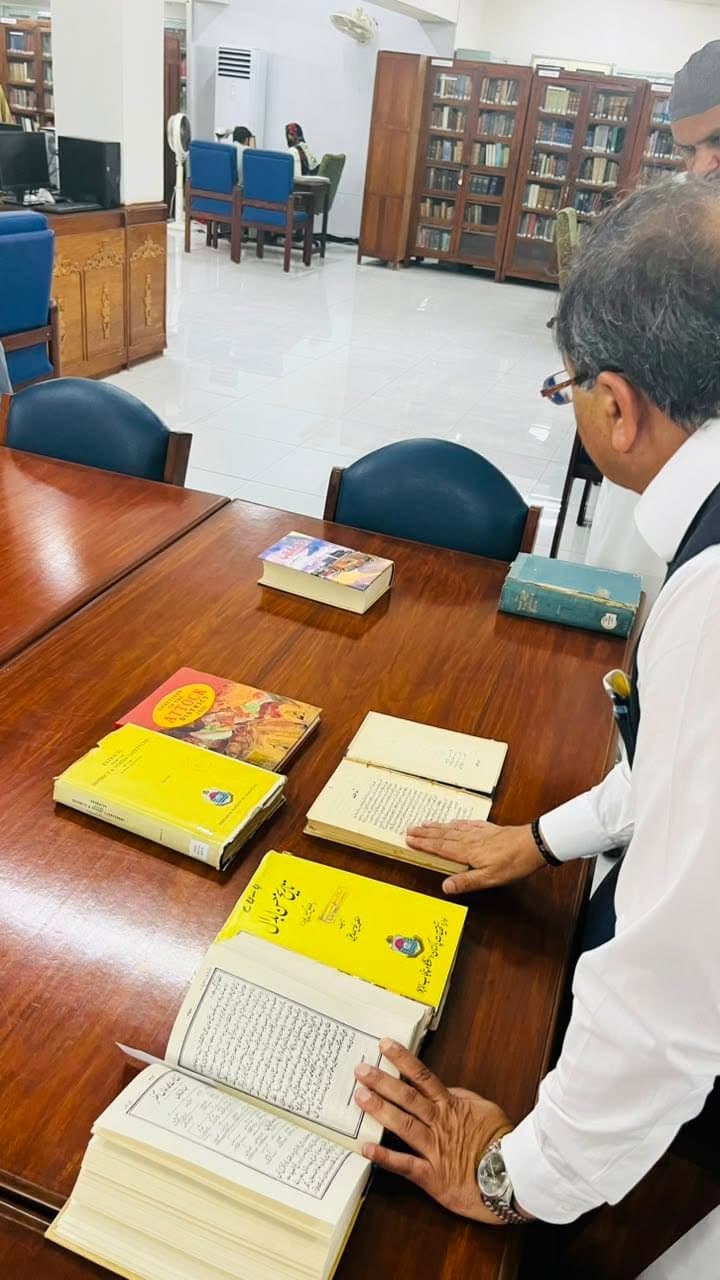
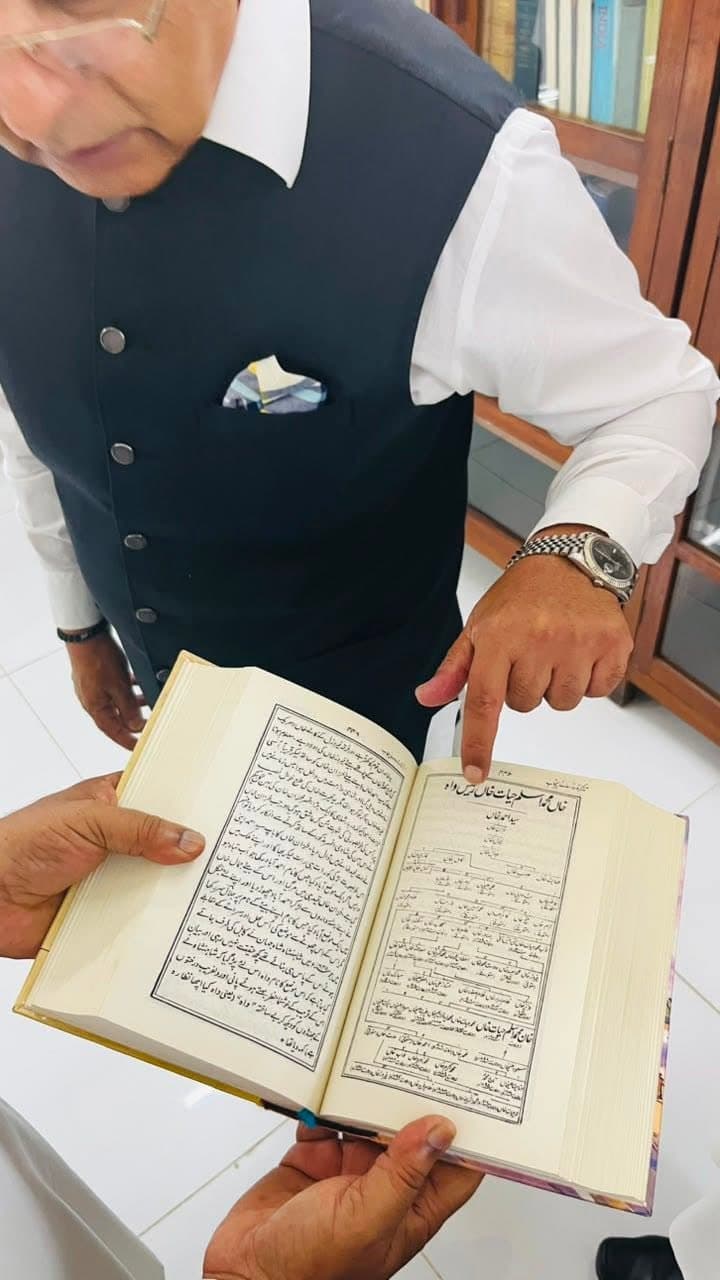
I asked whether the library was open to the public. It is, and the membership fee is only Rs 20. I told them that I would become a member and would happily pay Rs 1,000 instead.
That is perhaps the sad part: we can spend freely on food and cigars, yet expect access to such precious places almost free of charge.
I saw many old books in oriental bindings of the kind used during the nineteenth century. The oldest book on natural history dated back to 1739.
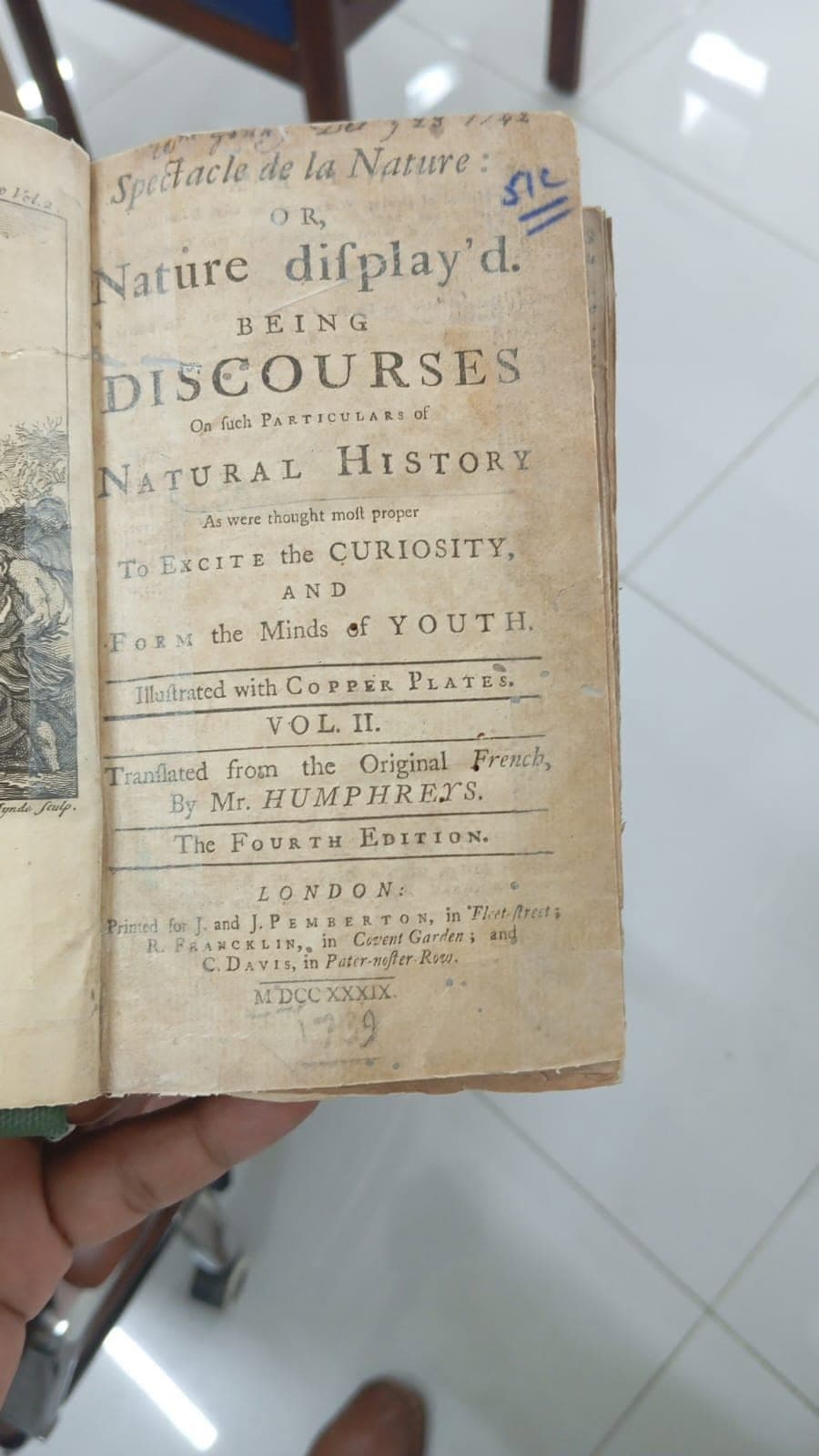
I glanced through different shelves, picking up a few books to see what they contained. I believe this place deserves several peaceful visits to properly appreciate the treasures it holds.
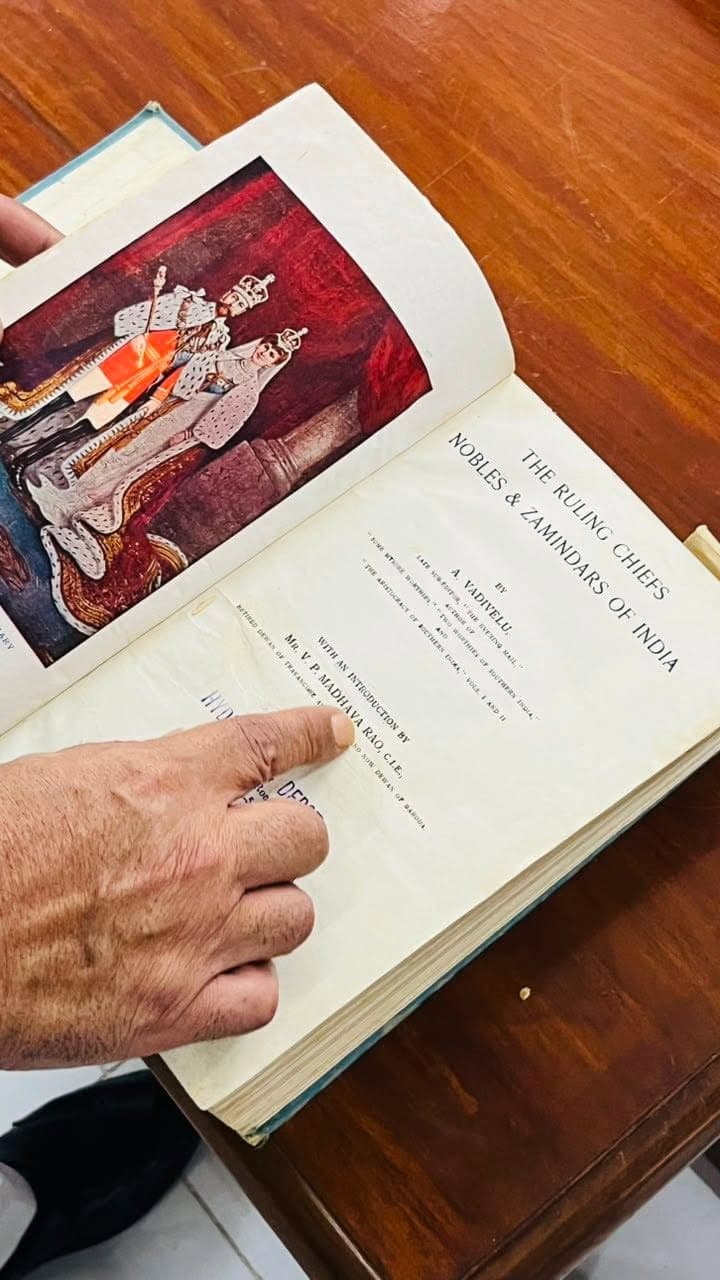
It was an interesting morning and a wonderful way to start the day.
Mr Khurram bid us farewell. As I sat in my car, I thought about how much this place needs greater visibility. It needs seminars, workshops and educational programmes. With the right projection, it could become an important historical and cultural attraction in Pakistan.
Above all, I wondered how we could motivate our friends, families and younger generations, many of whom remain absorbed in their mobile phones, to explore places such as this.
How many people have actually seen the National Archives of Pakistan?
I would strongly urge the younger generation, as well as schools and colleges, to visit it.
Let us take pride in our history and our archives.