
Area guides / Khyber Pakhtunkhwa / Peshawar
Area guide
Peshawar
Old city bazaars at the foot of the Khyber Pass
Region
Khyber Pakhtunkhwa
When to go
October to April for comfortable walking in the old city. Visit in daylight and confirm access to each site.
Getting there
By road or air from Islamabad and Pakistan's other cities. In the old city, the final stretch is best on foot or with a local driver who knows the lanes.
Spots
4 key places
Overview
About Peshawar
Peshawar, capital of Khyber Pakhtunkhwa, lies in the broad Peshawar Valley east of the Khyber Pass. Its walled city keeps Qissa Khwani, the 'bazaar of the storytellers', the Mughal Mahabat Khan Mosque, the Gor Khatri complex and the Bala Hisar fort, and its museum holds one of the great Gandhara collections.
By road or air from Islamabad and Pakistan's other cities. In the old city, the final stretch is best on foot or with a local driver who knows the lanes.
The walled city
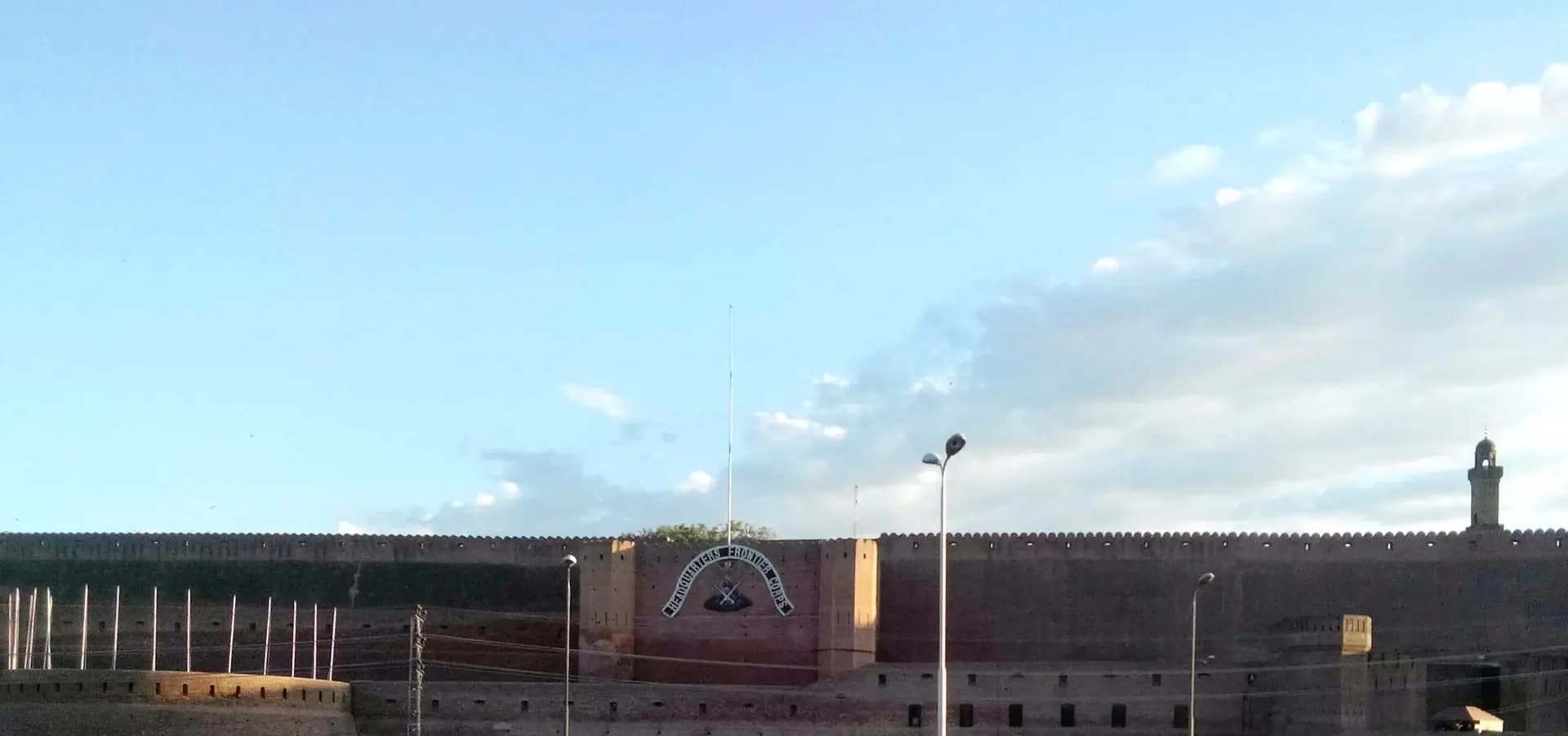
Qissa Khwani, the Mahabat Khan Mosque and Gor Khatri are close together and best walked with a local guide. Bala Hisar remains an active headquarters, so public entry cannot be assumed; confirm before going.
Gandhara
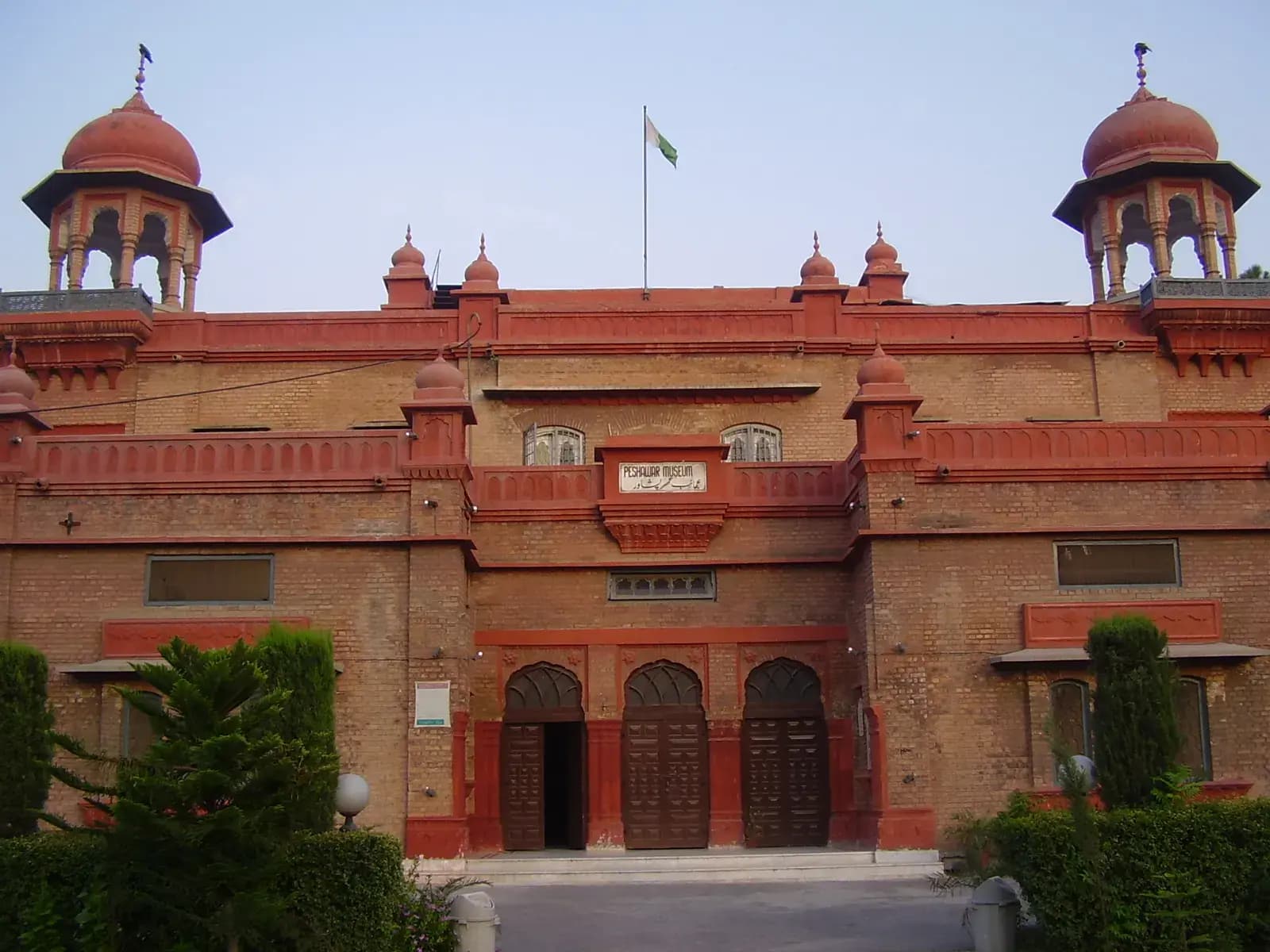
Peshawar Museum is the place to read the archaeology of the valley before or after the Gandharan sites around Takht-i-Bahi and Taxila. Check the weekly closure day before you go.
Top sights in Peshawar
Region guide →Field Guides
All places →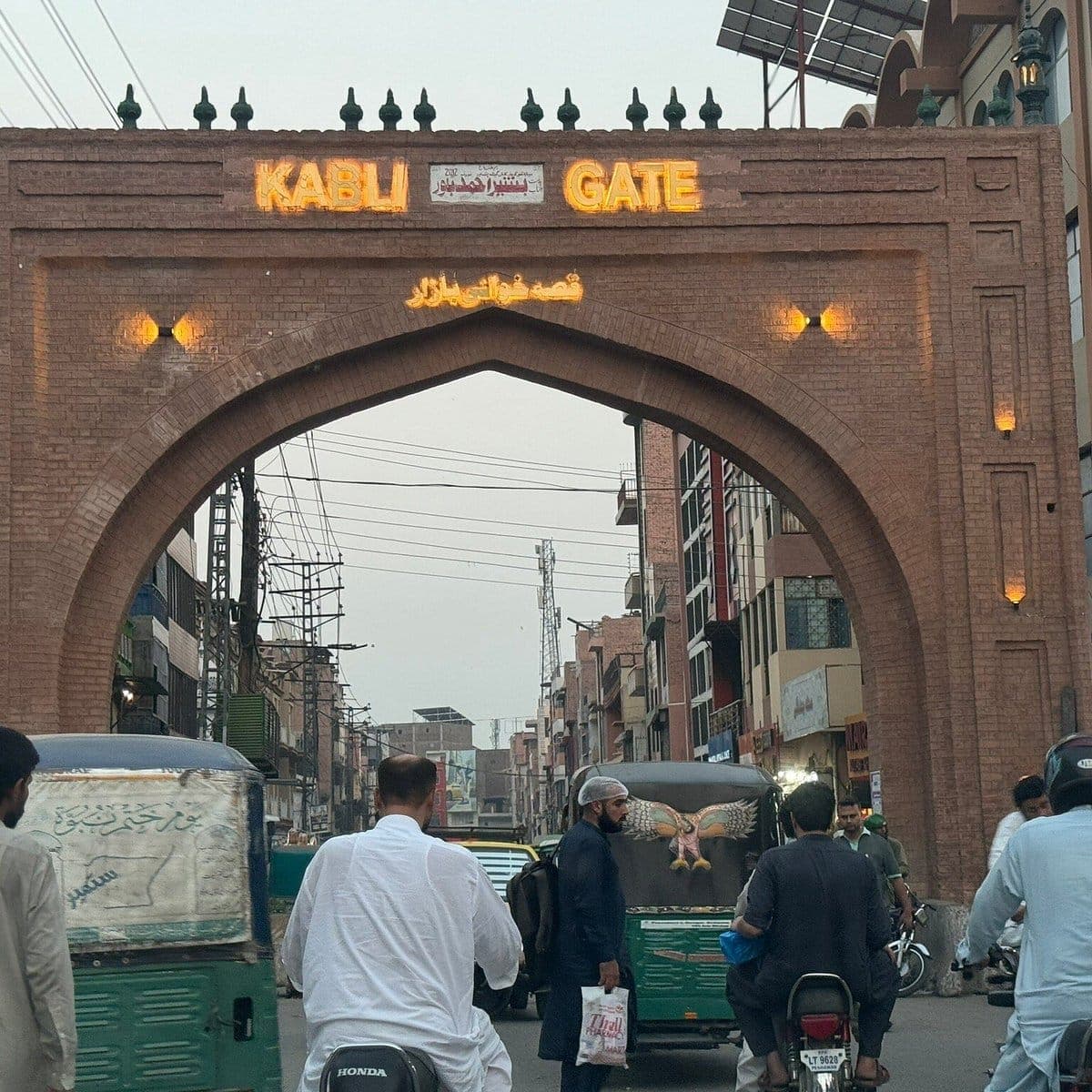
Qissa Khwani Bazaar, Peshawar
Qissa Khwani, 'Bazaar of the Storytellers', is the historic heart of Peshawar's walled city, one of the oldest commercial streets in Central Asia. For centuries it functioned as a caravanserai hub where travellers from Afghanistan, Central Asia, and India gathered, and the storytellers who made their living entertaining these mixed crowds gave the bazaar its name. Today the bazaar retains its character as a working street market: copper merchants, dried fruit and nut sellers, spice stalls, fabric shops, and the chai kiosks that once fuelled the storytellers' audiences. It connects directly into the medieval lanes of the Old City (Andrun Shehr), where havelis, shrines, and mosques survive largely intact.
Mahabat Khan Mosque
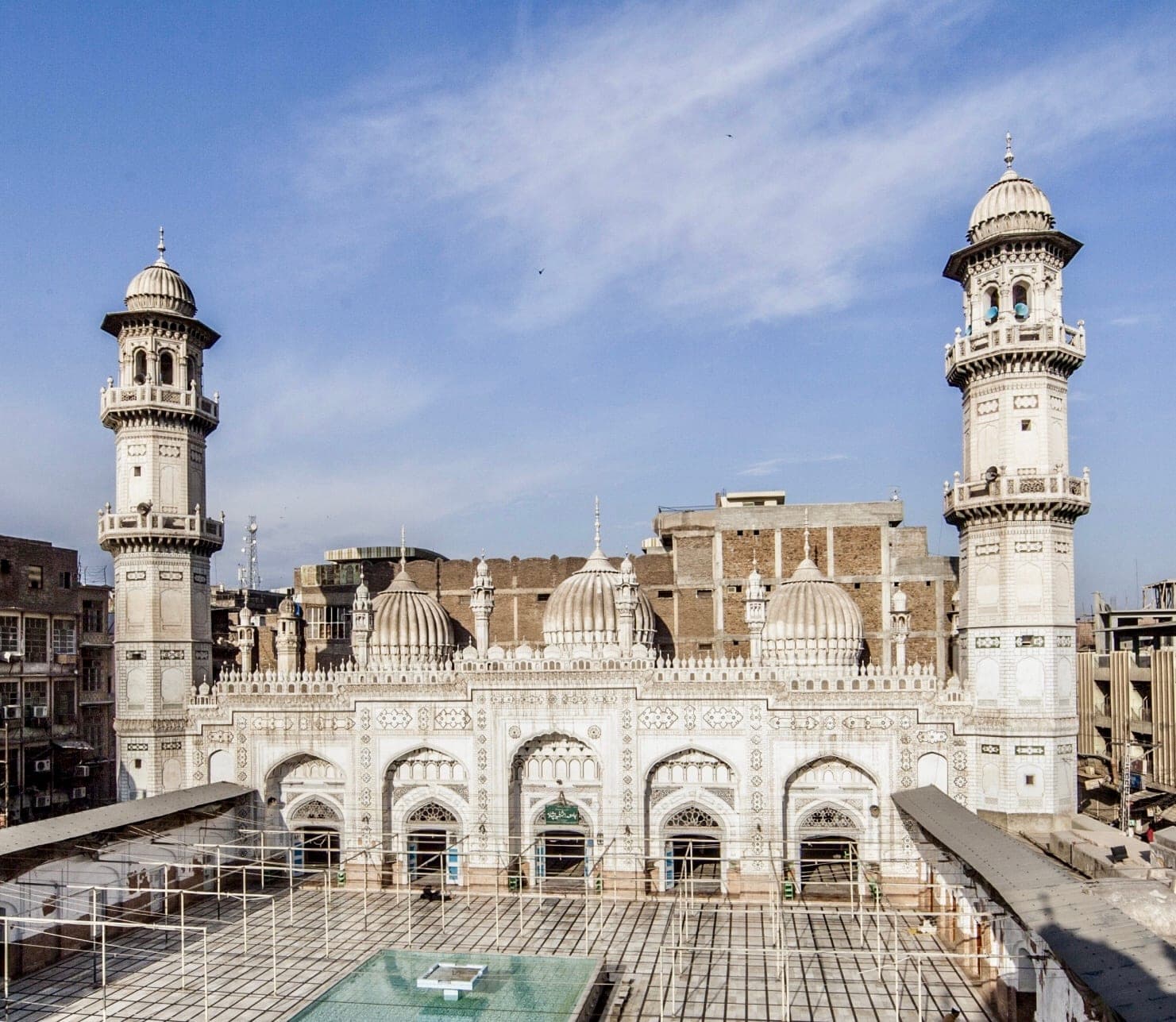
The Mahabat Khan Mosque is a 17th-century Mughal mosque set deep in Peshawar's old city, white-marble façade, twin minarets, and a frescoed prayer hall above the bustle of the Andarshehr bazaar.
Gor Khatri
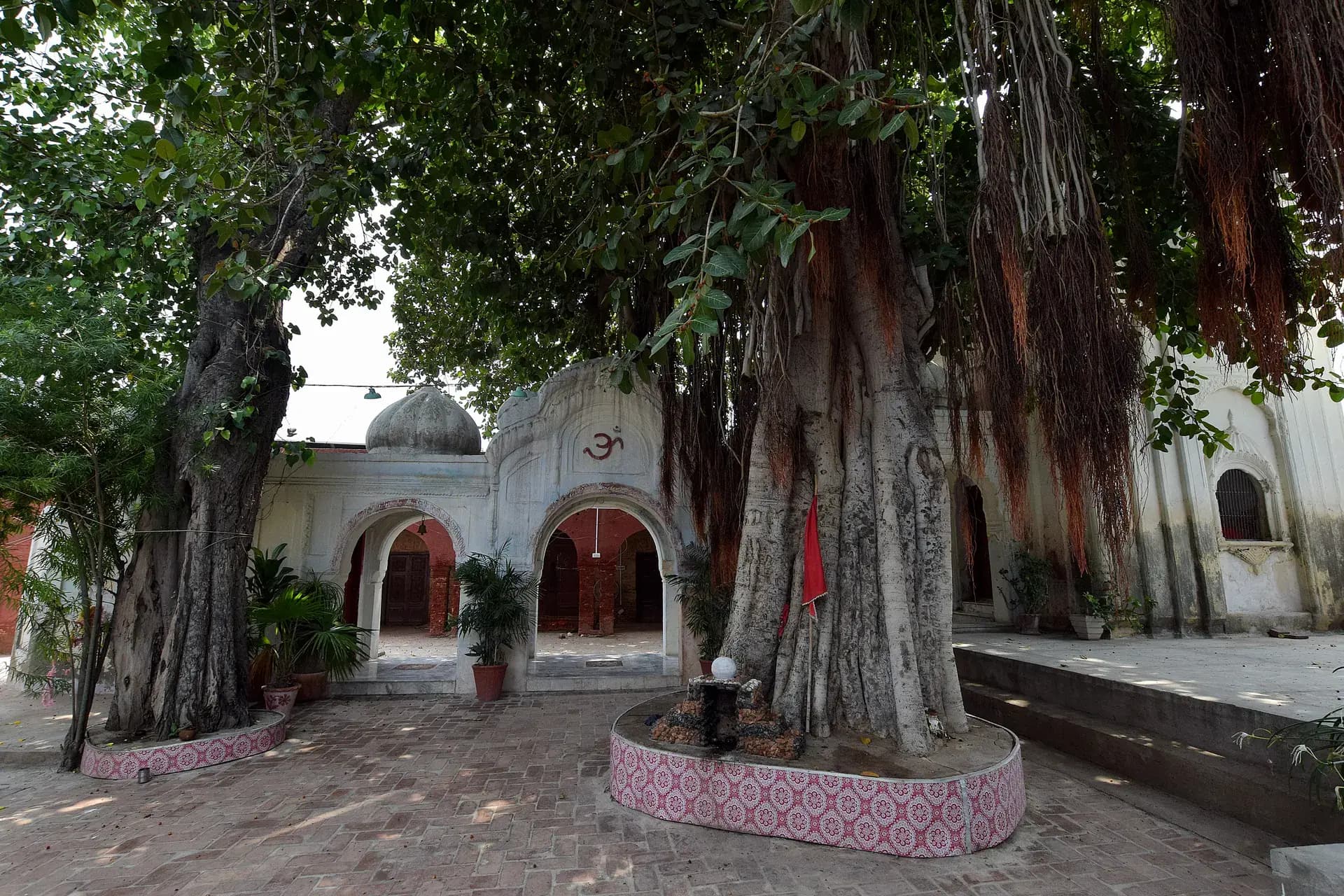
Gor Khatri is an archaeological and religious complex above Peshawar's old-city streets. Its large Mughal-period caravanserai, monumental gateways, temple precinct, later civic uses, and excavated layers tell a much longer story than a single monument. It is not Gorakh Hill Station in Sindh, and search must never substitute one for the other.
Bala Hisar Fort
Bala Hisar rises above the eastern edge of Peshawar's historic core and has served as a royal stronghold, military fort, and city landmark across successive periods. The surviving complex reflects major Durrani, Sikh, and British interventions. It remains an active headquarters, so public entry cannot be assumed even though the exterior is a prominent city sight.
Peshawar Museum
Peshawar Museum occupies the former Victoria Memorial Hall and is one of the most important places for reading the archaeology of the Peshawar valley and the wider Gandharan region. Its building, sculpture galleries, coins, manuscripts, and ethnographic material warrant a dedicated visit rather than being folded into a generic old-city listing.
Resorts
All resorts →GreenPak stays in this area are listed on the region guide.