
Field guides / Punjab / Begum ki Sarai
Field guide · Heritage
Begum ki Sarai
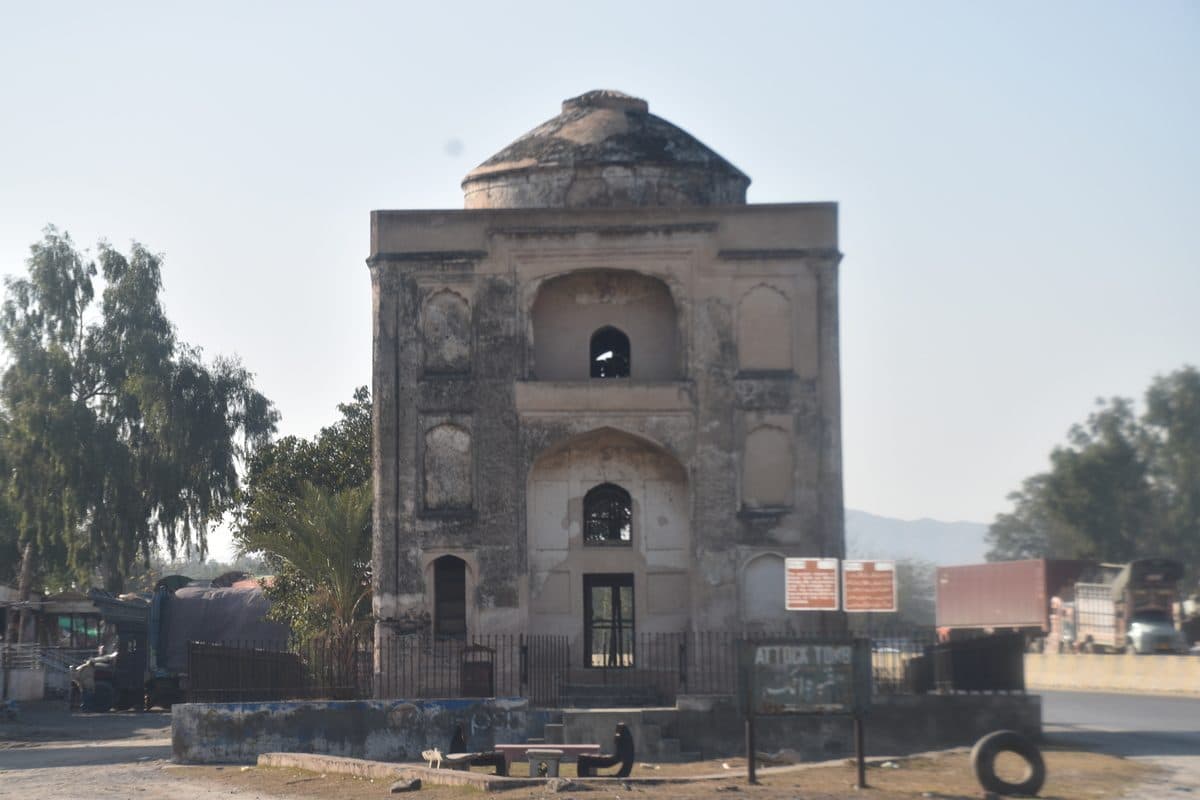
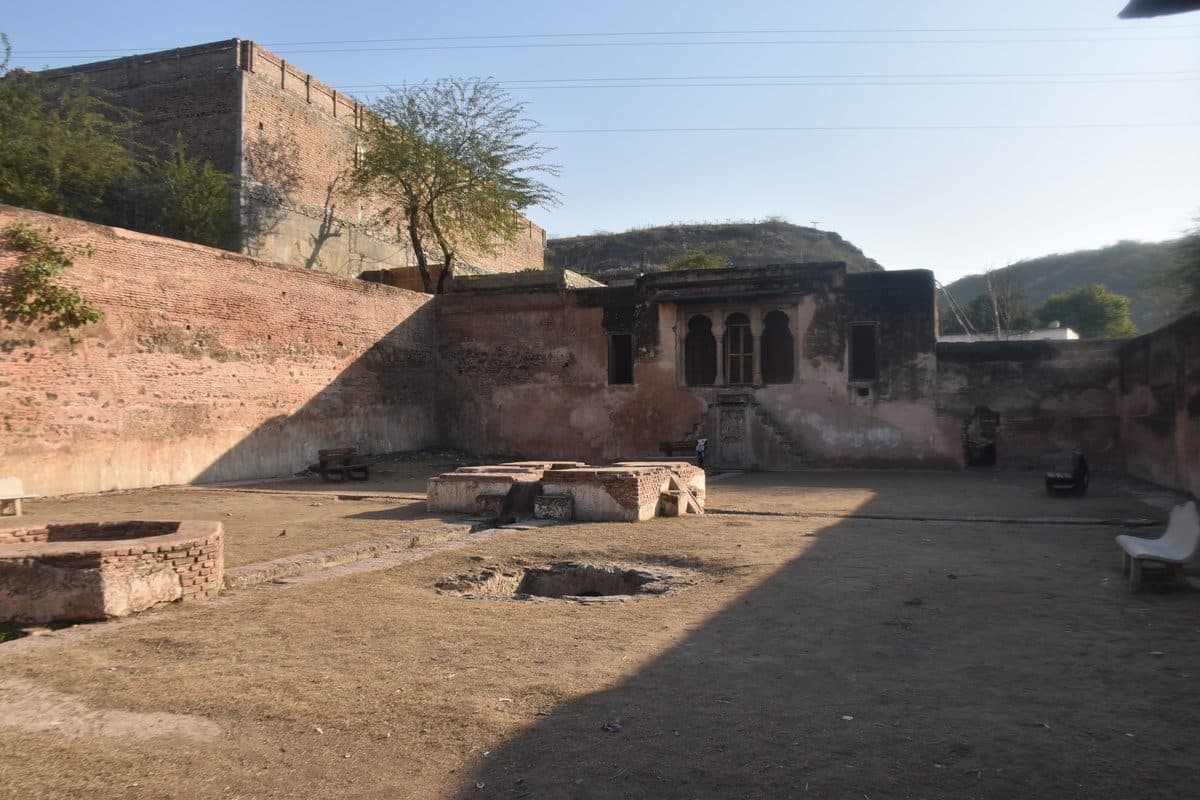
The Sarai, square in plan, consists of an extensive area measuring 102 x 102 meters, enclosed by high and low boundary wall with each side having a row of arched compartment and verandah in their front.
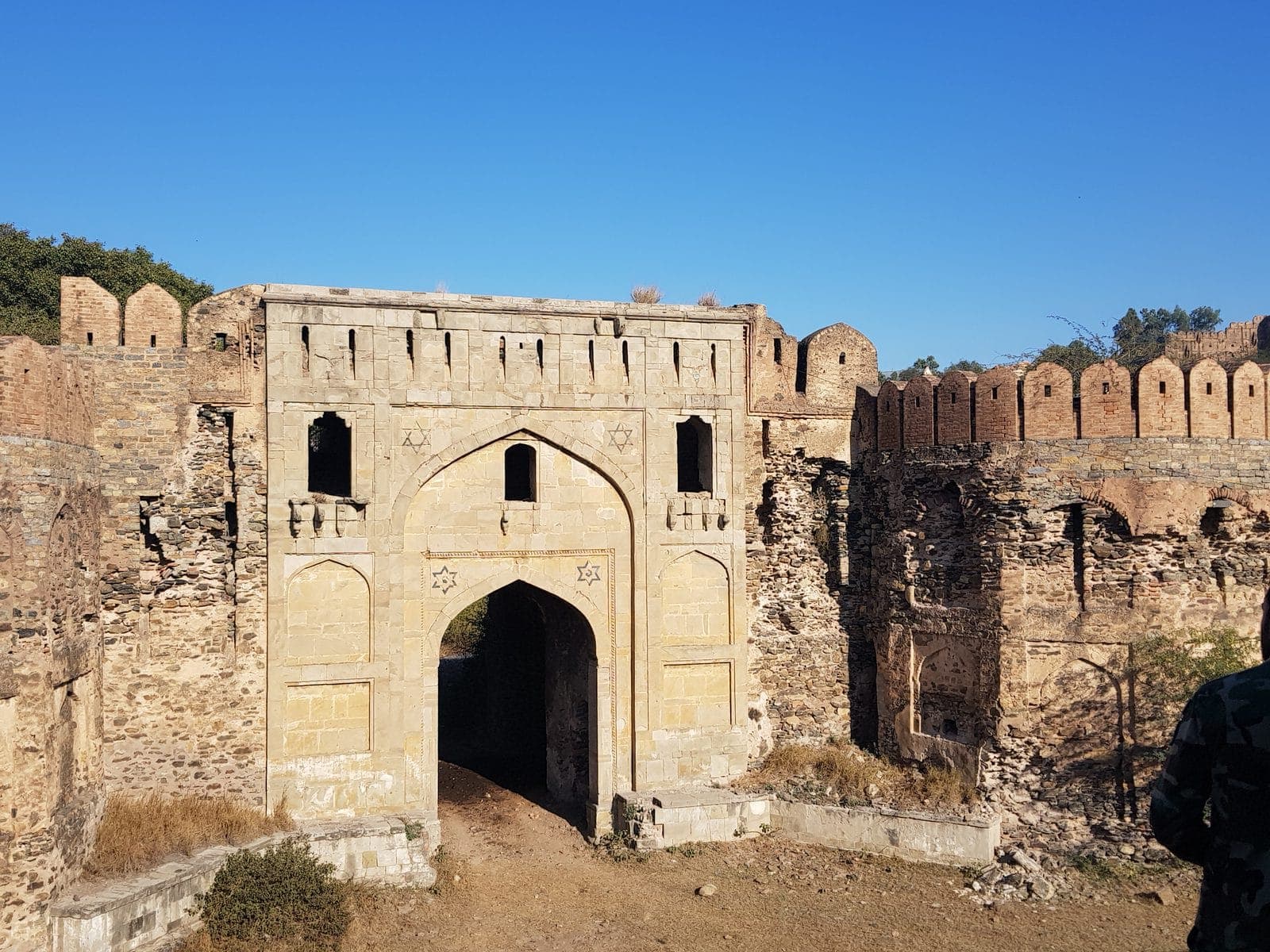
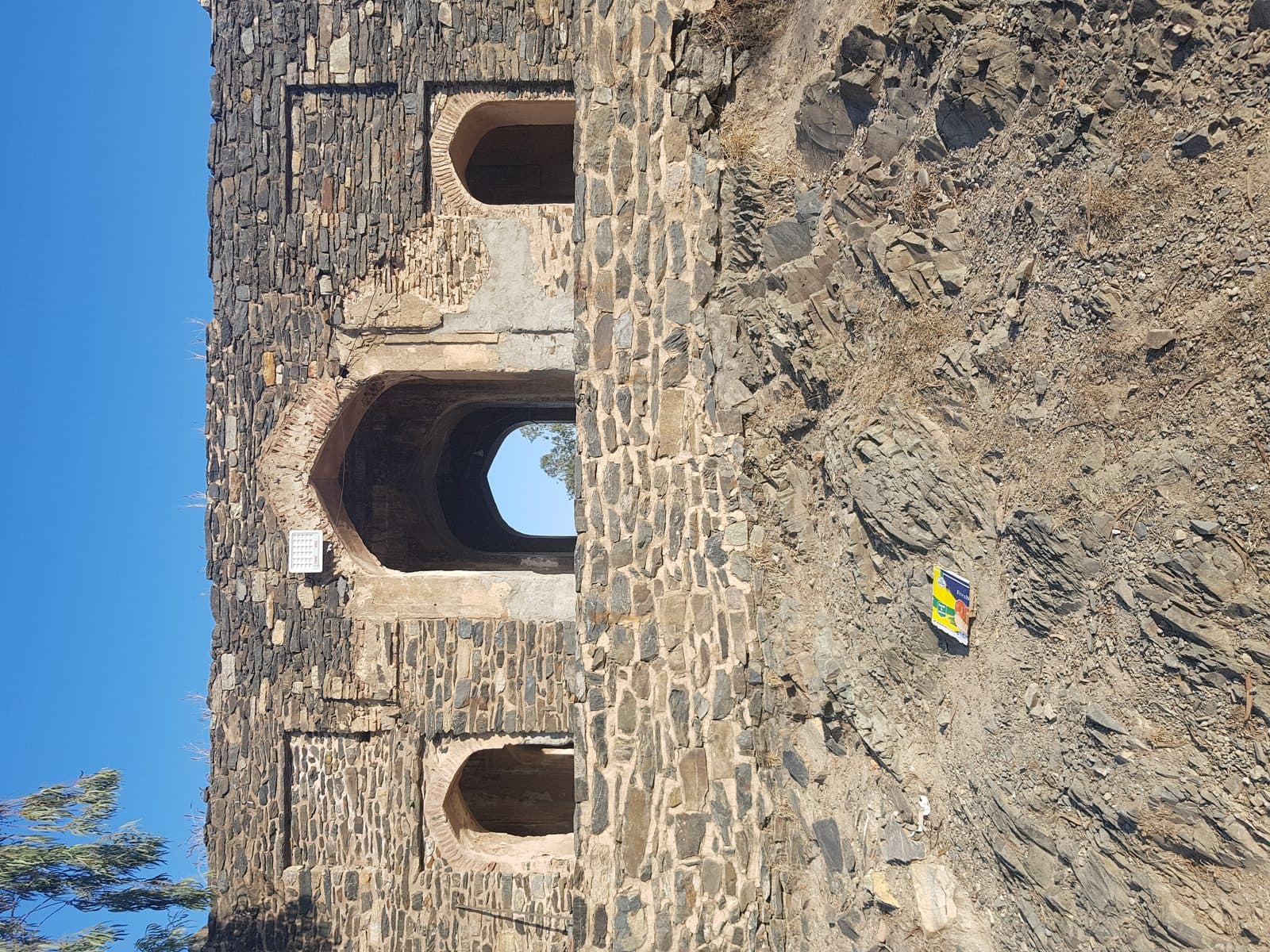
Originally, at each corner, an octagonal bastion was erected, but presently, only three bastions can be seen. The south western bastion has disappeared with the passage of time. The main entrance was through a gateway on the east, which together with most of compartments on that side have now disappeared. A major portion of the present boundary wall and those of the arched compartments have been repaired during the closing years of the 19th century by using semi dressed stones. It is for this reason that we find stone and brick masonry in different portions of the monument. But original construction of the Sarai must have been completed in small brick masonry by using lime and surkhi mortar as cohesive device.
Why go
- ✦A square caravanserai of 102 by 102 metres
- ✦Arched compartments and verandahs along every side
- ✦Three of the four octagonal corner bastions survive
- ✦Stone and brick masonry side by side, from a 19th-century repair
History
Serais were built at intervals along the Grand Trunk Road so that merchants, couriers and armies could halt in safety. This one had an octagonal bastion at each corner and rows of arched compartments with verandahs on all four sides. Three bastions remain. Much of the boundary wall was repaired in the closing years of the nineteenth century in semi-dressed stone, which is why stone and brick now sit side by side.
Historical Significance
One of the better-preserved Mughal serais on the Grand Trunk Road, and evidence of how the imperial highway was actually operated.
Architecture
three remain, the south-western having gone. The main entrance was a gateway on the east, which has disappeared along with most of the compartments on that side. Much of the present boundary wall was repaired in the closing years of the nineteenth century using semi-dressed stone, which is why stone and brick masonry sit together across the monument — the original build was small brick laid in lime and surkhi mortar.
Why Visit
Walk one full side to feel the scale, and find the join where Victorian stone repair meets Mughal brick.
Interesting Facts
- The enclosure is 102 by 102 metres
- Three of the four original corner bastions survive
- The original build is small brick in lime and surkhi mortar
Planning tip
Best Time to Visit, October to March.
Getting there, Strung along the Grand Trunk Road between Rawalpindi and Attock, roughly 40–80 km west of Islamabad. Hasan Abdal's monuments cluster together and pair naturally with Taxila.
Allow, Twenty to forty minutes each; a half day for the Hasan Abdal and Attock group.
What to Do
Make Begum ki Sarai Part of a Trip
GreenPak resorts within reach, and the journeys that travel this region.

Nearby
Straight-line distance from Begum ki Sarai, within 30 km.