
Photo: Department of Archaeology & Museums, Government of Pakistan
Field guides / Punjab / Attock / Attock Fort
Field guide · Heritage
Attock
Attock District · Punjab, Pakistan
Attock Fort
Akbar's 16th-century fortress on the Indus at Attock Khurd, guarding the old crossing to Peshawar; not open to visitors, but a fine sight from outside.
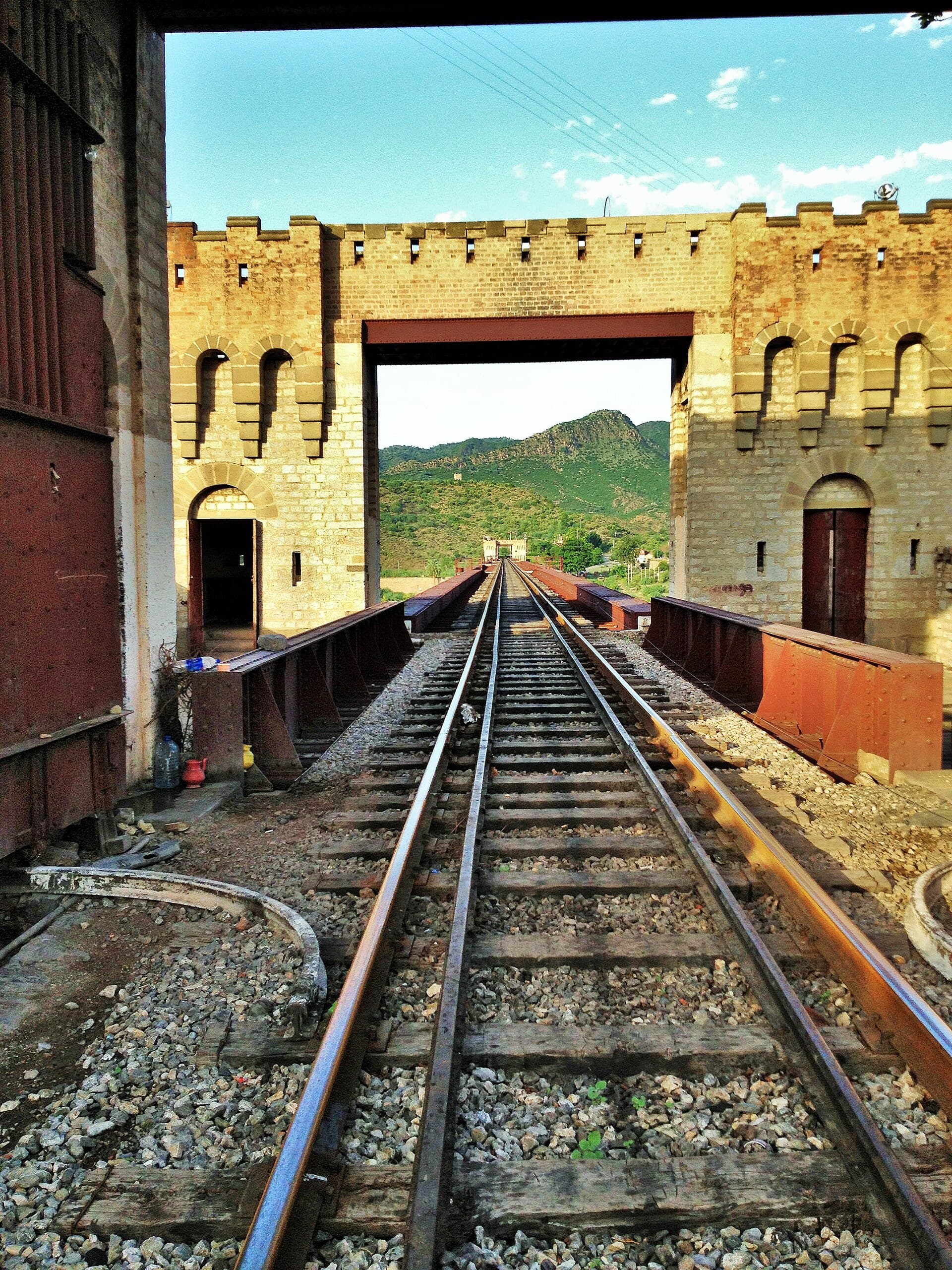
Attock Fort was built for the Mughal emperor Akbar between 1581 and 1583 to guard the crossing of the Indus at Attock Khurd, on the Grand Trunk Road between the Punjab and Peshawar. Its 1.6 km of stone walls and bastions rise straight from the river. The fort is not open to visitors, but its walls are a fine sight from outside: from the riverbank, the old Attock bridge and Begum ki Sarai next door.
Quick facts
- Built
- 1581–1583, for Emperor Akbar
- Where
- Attock Khurd on the Indus, Attock District, Punjab
- From Islamabad
- About 80 km
- Visiting
- Not open to visitors; seen from outside
- Walls
- About 1,600 m, eight bastions, six gates
- Next door
- Begum ki Sarai and the old Attock bridge
Why go
- ✦Built for Akbar between 1581 and 1583
- ✦Raised under the supervision of Khawaja Shamsuddin Khawafi, sometime Governor of Lahore
- ✦Stands where the Kabul River meets the Indus
- ✦Guarded the Grand Trunk Road at the Indus crossing
- ✦Commanded the old trade routes between the subcontinent and Central Asia
- ✦Stands at Attock Khurd, in Hazro tehsil
History
Akbar ordered the fort to secure the Indus crossing, and it was built under the supervision of Khawaja Shamsuddin Khawafi. Over the next three centuries it changed hands repeatedly: Mughals, then Marathas in 1758, then the Durrani Afghans, and in 1813 the Sikhs, who strengthened its gates with massive bastions in the 1830s. The British took it in 1849, and it passed to Pakistan in 1947.
Historical Significance
The western anchor of Mughal control over the Grand Trunk Road, and one of Akbar's great building works.
Architecture
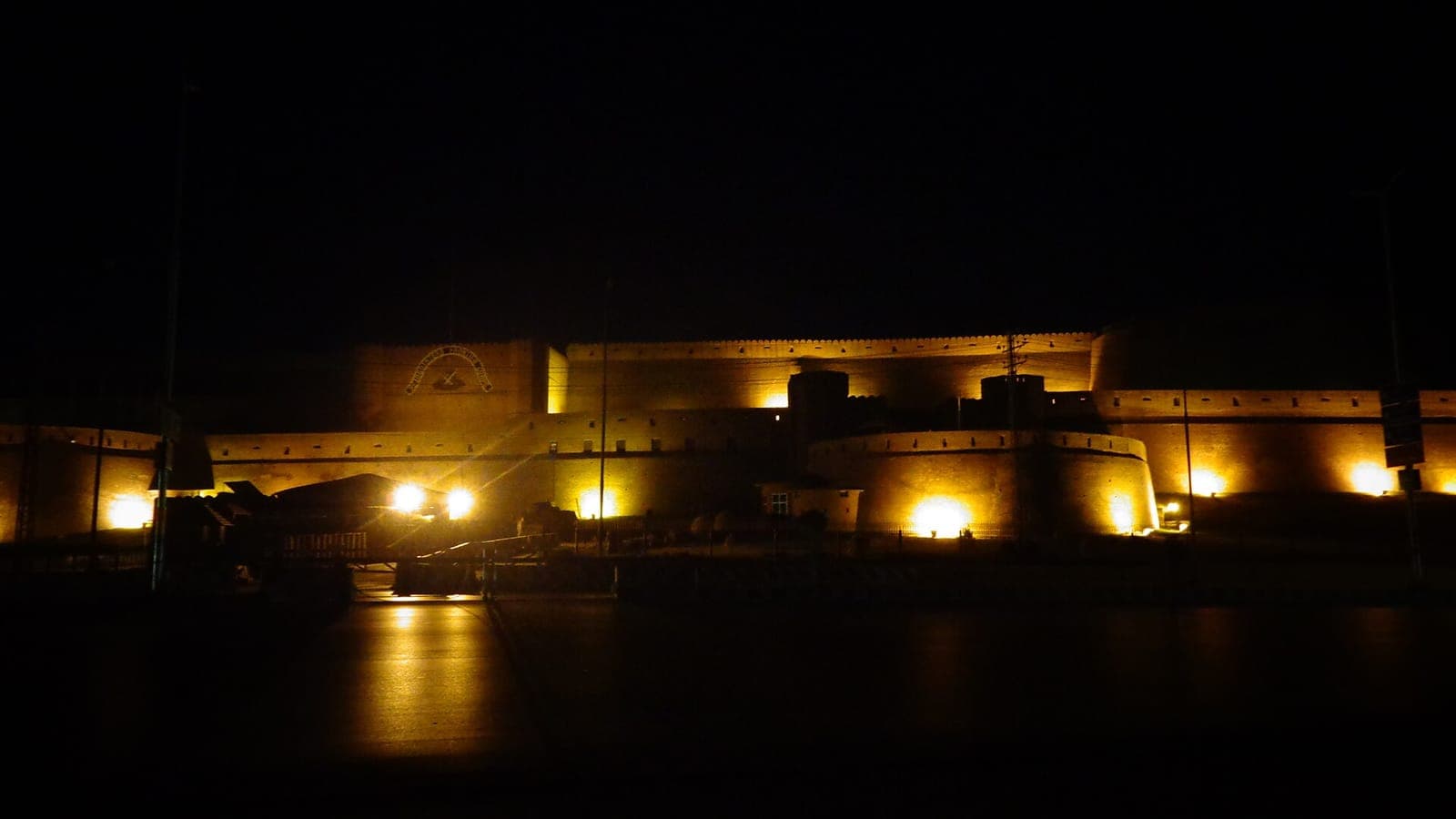
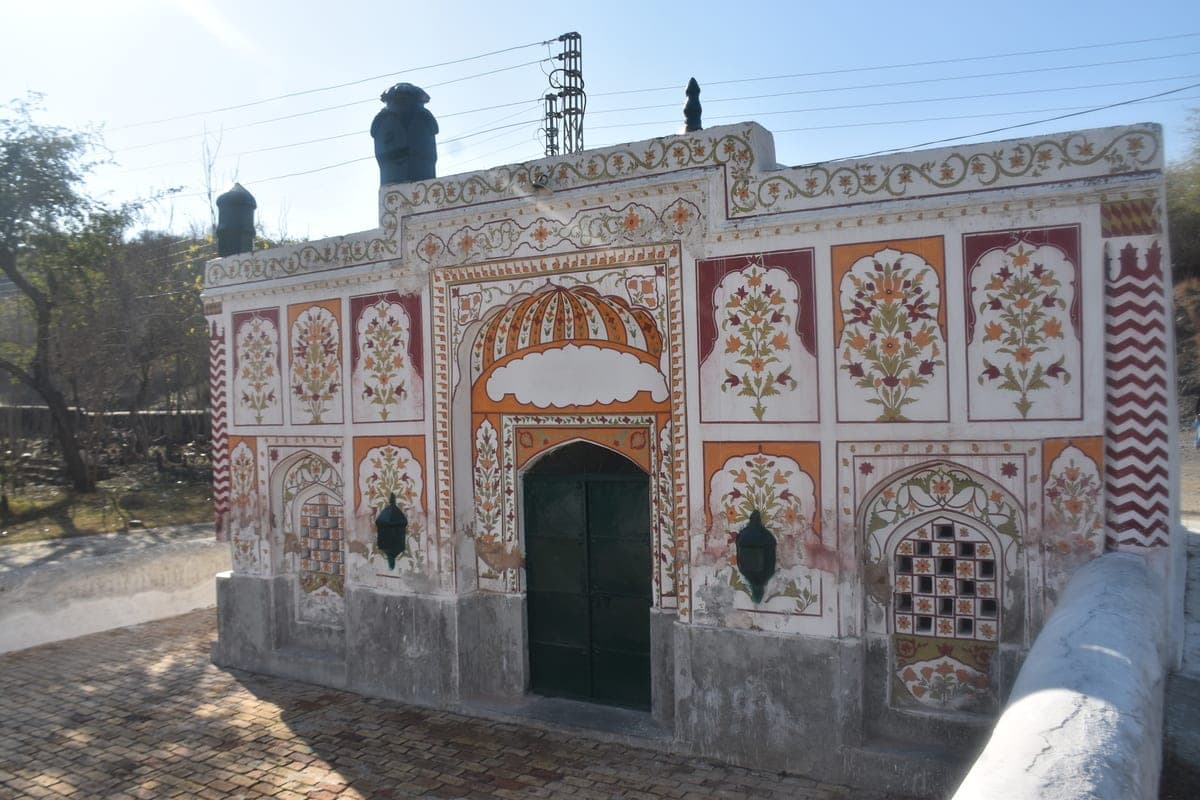
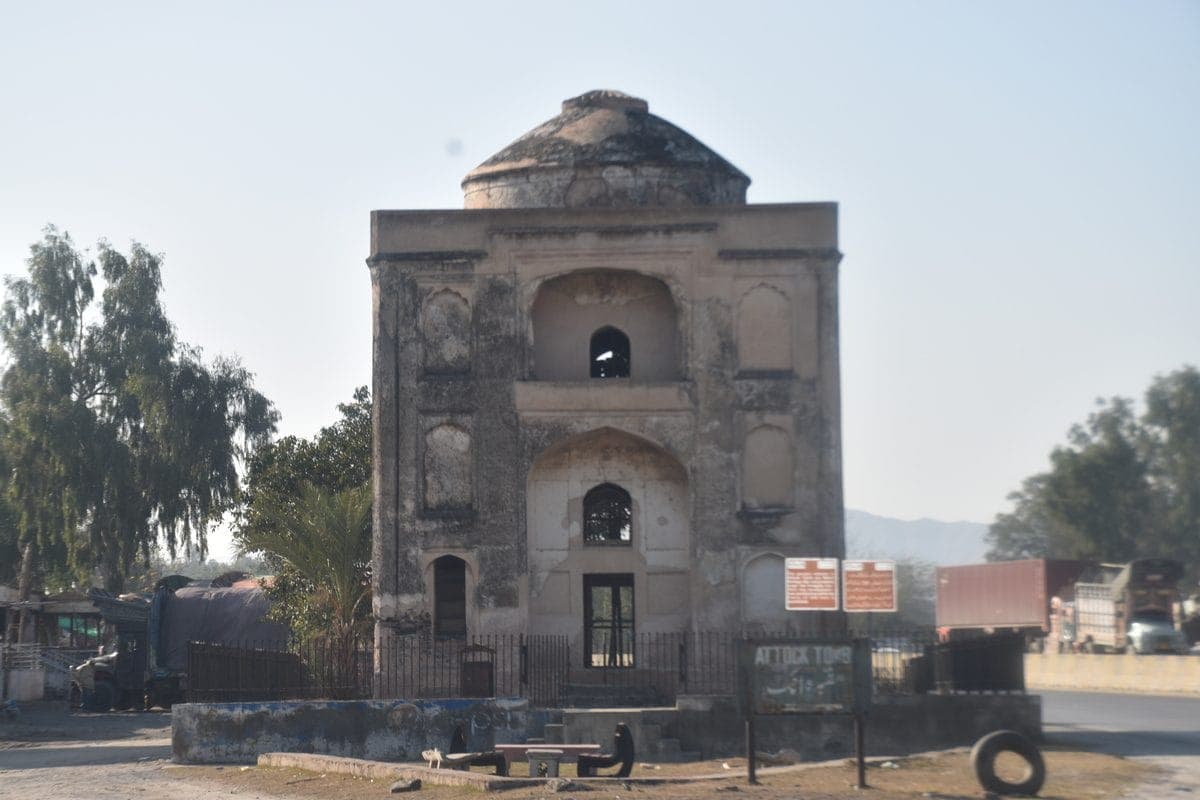
The walls run for about 1,600 metres, with eight bastions, seven of them round and one rectangular. Six gates open in the circuit: the Delhi, Lahori, Kabuli, Aabi (water), Mallahitola and Mori gates. The Indus washes the north-western walls, and beside the fort stands Begum ki Sarai, a Mughal caravanserai built for travellers on the road.
Why Visit
Few places show so clearly why the Indus crossing at Attock mattered: the fort, the river, the old bridge and the Mughal sarai sit together at one of the great gateways of the subcontinent.
Responsible Travel
The fort is not open to the public: enjoy it from outside, and respect any signs about photography near the walls.
Interesting Facts
- Built 1581–1583 for Emperor Akbar
- About 1,600 m of walls with eight bastions and six gates
- Held in turn by Mughals, Marathas, Afghans, Sikhs and the British
- Begum ki Sarai, a Mughal caravanserai, stands beside it
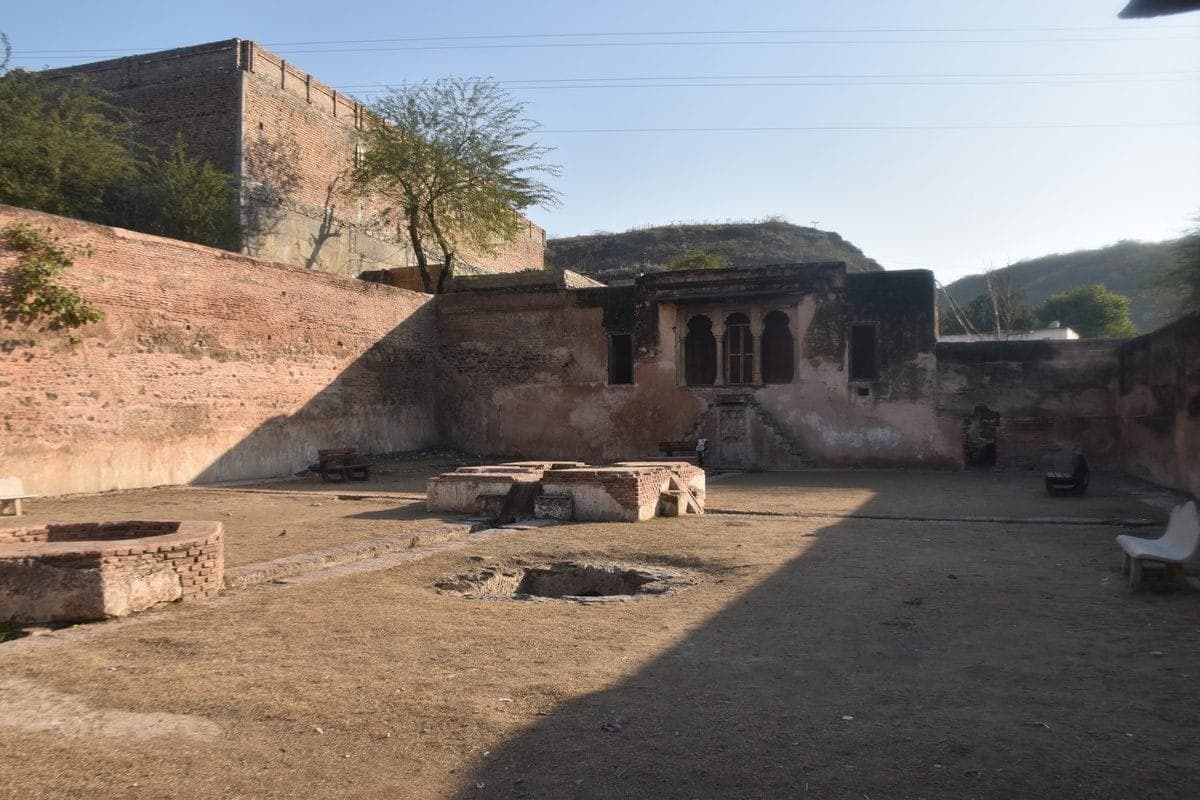
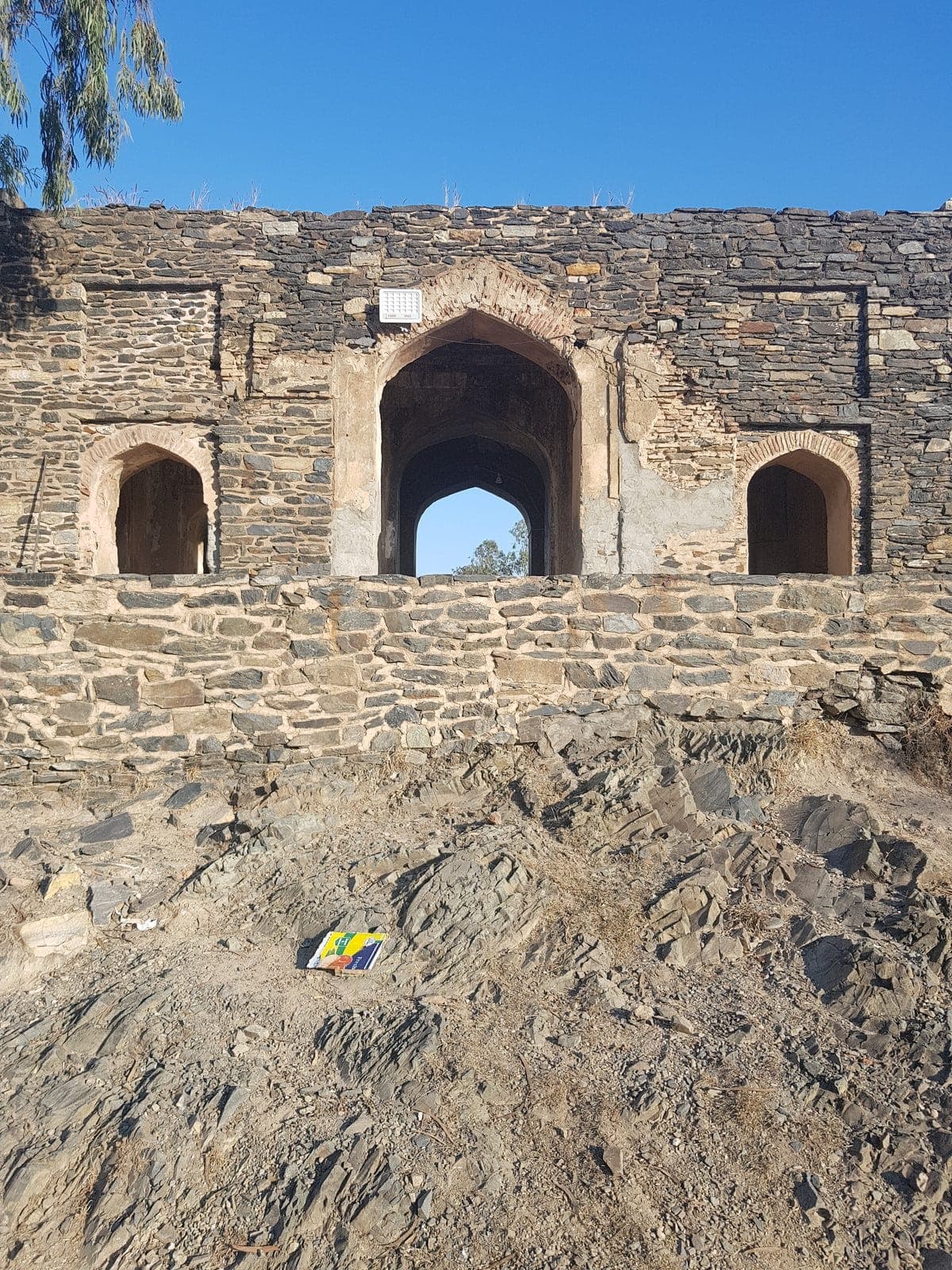
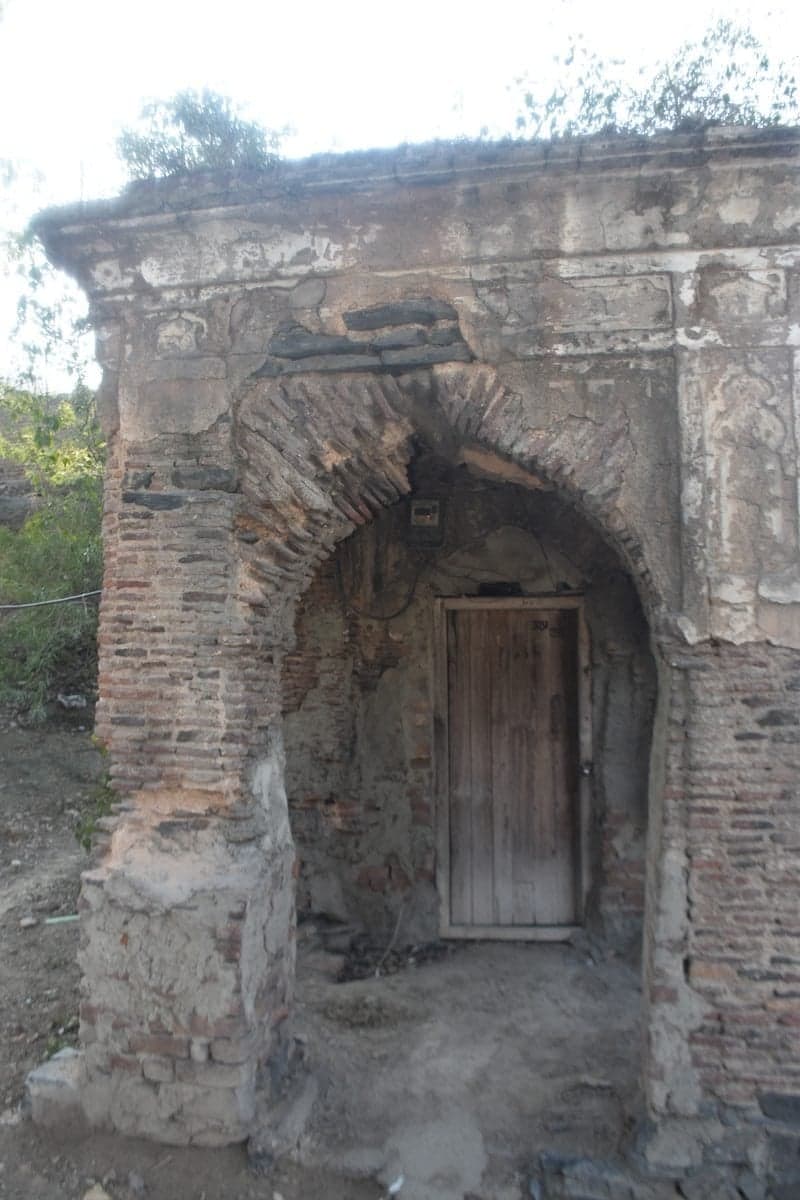
Attock Fort in pictures
Photos: Lord Mountbatten · Public domain · Fawad002 · CC BY-SA 4.0 (2 photos) · Mahnoorraja · CC BY-SA 3.0 · John Frederick Irwin · Public domain · Charlotte Canning · Public domain. Each photo's own credit and licence link is shown when you open it.
Planning tip
Best Time to Visit, October to March, when it is cool enough to walk the riverside and the sarai comfortably.
Getting there, About 80 km from Islamabad off the road to Peshawar, at Attock Khurd on the Indus. The fort is seen from outside; Begum ki Sarai and the old bridge are next to it.
Allow, Twenty to forty minutes each; a half day for the Hasan Abdal and Attock group.
What to Do
Questions travellers ask
+Can you visit Attock Fort?
The fort itself is not open to visitors, but its walls and bastions are a fine sight from outside: from the riverbank, the old Attock bridge and Begum ki Sarai next door.
+Who built Attock Fort?
It was built for the Mughal emperor Akbar between 1581 and 1583, under the supervision of Khawaja Shamsuddin Khawafi, to guard the Indus crossing.
+How far is Attock Fort from Islamabad?
About 80 km, off the road to Peshawar at Attock Khurd on the Indus.
Nearby
Straight-line distance from Attock Fort, within 5 km.