
Field guides / Khyber Pakhtunkhwa / Mirchi ki Dheri
Field guide · Heritage
Mirchi ki Dheri
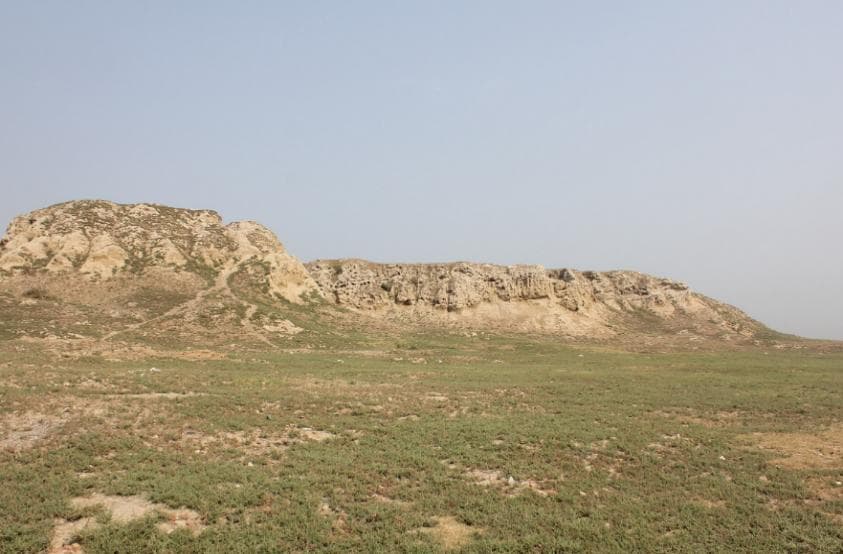
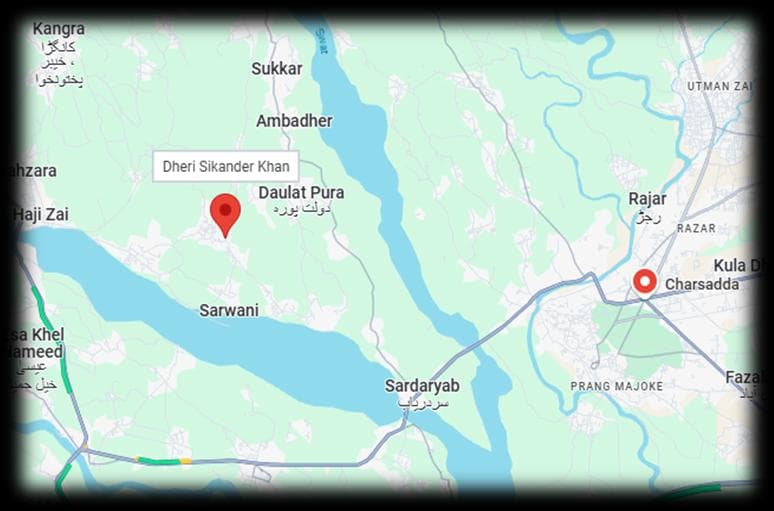
It lies in proper Charsadda, about 3 km west of the Rajar Chowk and measures about 150x200 m.
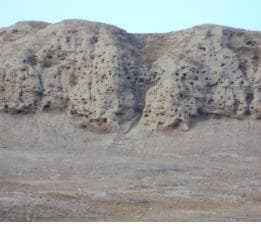
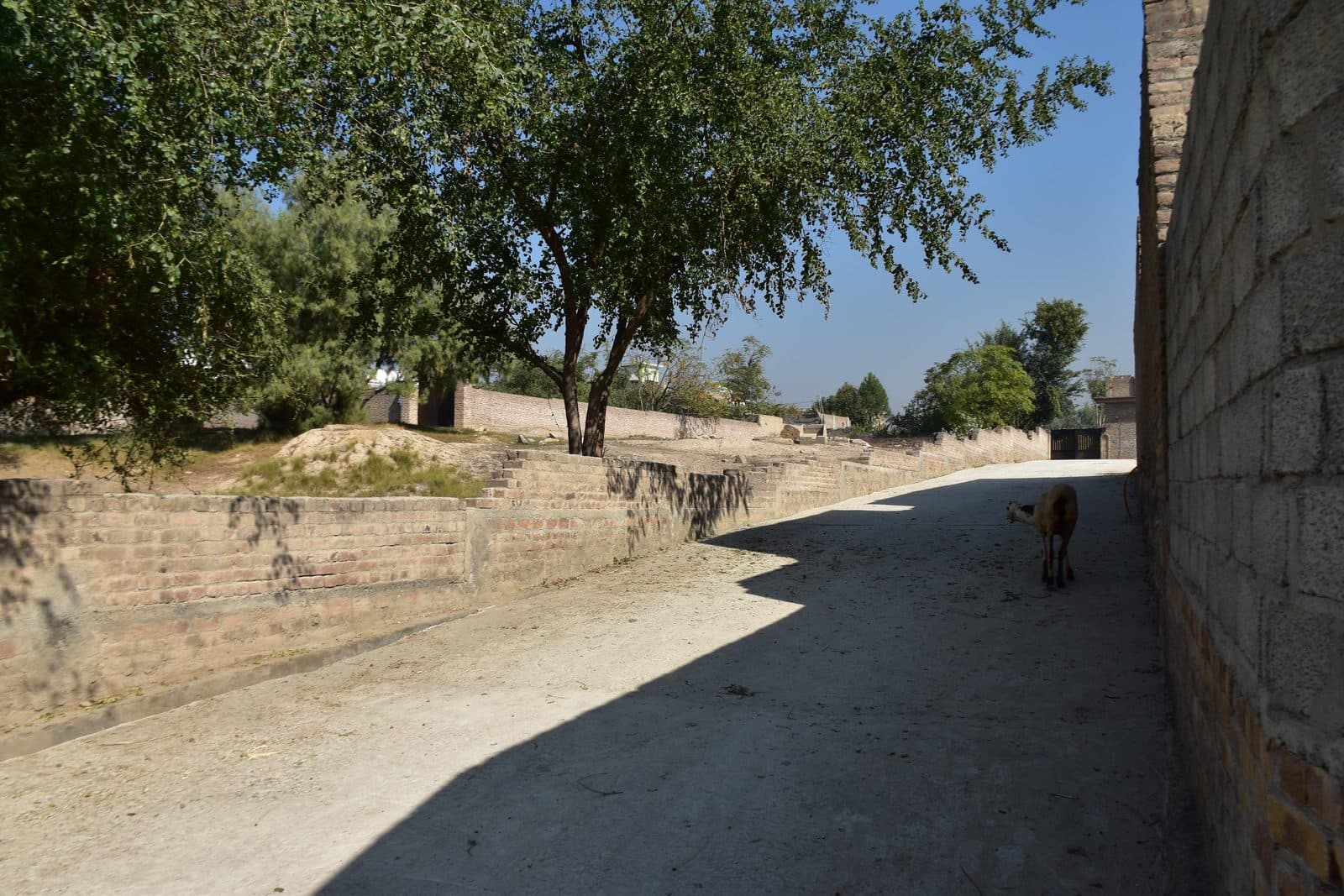
The surface of the mound is covered with potshards along with brickbats and burnt bricks tiles of 25.4 x25.4 cm. Mirchi-ki-Dheri appears to conceal remains of Buddhist period. It is reported that 6-7 years ago some gold coins along with stone sculptures were discovered by the treasure hunters. The site is disturbed and covered with houses of the local inhabitants. The site was protected in 1964. It is in the private possession of Mr. Asif Khan of Charsadda.
Why go
- ✦A mound of roughly 150 by 200 metres in Charsadda
- ✦Surface scattered with potsherds, brickbats and burnt brick tiles
- ✦Square tiles of 25.4 cm — a Buddhist-period signature
- ✦Protected since 1964, and now built over
History
The Bala Hisar mound at Charsadda was identified as Pushkalavati in 1863, and Mortimer Wheeler called it potentially one of the most important ancient sites in Asia. Sir John Marshall dug it in 1902 and Wheeler in 1958; Wheeler argued the city was founded in the Achaemenid period and occupied more or less continuously until the White Huns arrived in the fifth century CE. Pushkalavati became the Achaemenid capital of Gandhara in the later sixth century BCE, and Alexander's army passed this way. Mounds across the modern town conceal that city; Mirchi ki Dheri, some 150 by 200 metres, is one of them, protected in 1964 and now largely built over.
Historical Significance
Part of the Pushkalavati landscape — the Gandharan capital that preceded Peshawar, and one of the few securely Achaemenid urban sites in Pakistan.
Architecture
A mound of about 150 by 200 metres in Charsadda proper, some 3 km west of Rajar Chowk. It was brought under protection in 1964. Today it is disturbed and largely covered by the houses of local residents.
Why Visit
Treat this as a record of what lies under Charsadda. The accessible archaeology is at the Bala Hisar, not here.
Interesting Facts
- Charsadda is ancient Pushkalavati, Achaemenid capital of Gandhara
- Its Bala Hisar was excavated by Marshall in 1902 and Wheeler in 1958
- Wheeler thought it potentially one of the most important ancient sites in Asia
- The mound was protected in 1964 and is now built over
Planning tip
Best Time to Visit, October to March.
Getting there, Charsadda town, about 30 km north-east of Peshawar.
Allow, Under an hour — this is a mound, not a monument.
What to Do
Make Mirchi ki Dheri Part of a Trip
GreenPak resorts within reach, and the journeys that travel this region.

Nearby
Straight-line distance from Mirchi ki Dheri, within 30 km.