
Of all the love stories of Punjab, none is told more often than Heer and Ranjha, the cowherd with a flute and the daughter of the Sial clan of Jhang.
Dheedo Ranjha was the youngest of four brothers in Takht Hazara, a village on the Chenab. His father's favourite, he spent his days playing the flute, the wanjhli, while his brothers worked the land. When his father died and the brothers quarrelled over the fields, Ranjha left home. In Waris Shah's telling, it was because his brothers' wives refused to serve him food.
He wandered until he reached Jhang, where Heer, the beautiful daughter of the Sial chief Chuchak, lived. Heer's father took him on to herd his cattle, and in the evenings, out in the fields, Ranjha played his flute. Heer was enchanted by the music, and the two fell in love, meeting in secret for years.
The jogi of Tilla Jogian
Heer's jealous uncle Kaido exposed them, and her family married her to Saida Khera of another clan. Heartbroken, Ranjha went to Tilla Jogian, the hill of the ascetics in the Salt Range, became a disciple of the jogi Gorakhnath, pierced his ears and gave up the world. As a wandering jogi he crossed Punjab until he found the village where Heer now lived.
The lovers came back to Jhang and Heer's parents agreed, at last, that they could marry. But on the wedding day Kaido poisoned Heer's food. Ranjha arrived too late to save her, and chose to follow her. The two were buried together in Heer's home town.
Four centuries of the story
The tale is far older than any written version: Shah Hussain alluded to it in his kafis in the 16th century, and Damodar Gulati wrote the first known Punjabi version in the early 1600s, under Akbar. The most famous retelling is Waris Shah's epic Heer of 1766, which reads the story as the soul's search for God. There are more than fifty versions in Punjabi and some twenty in Persian, and it has been filmed again and again since 1928.
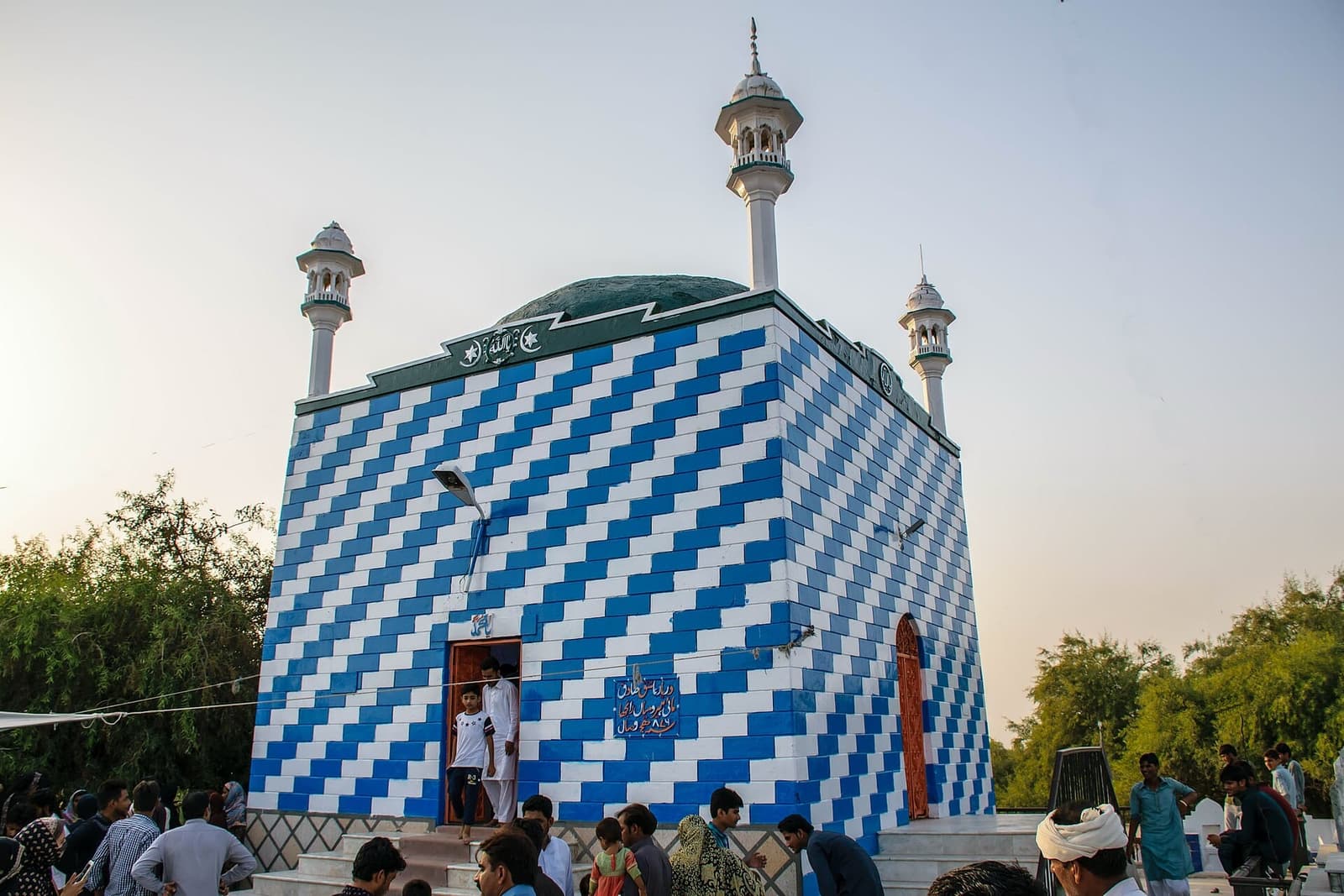
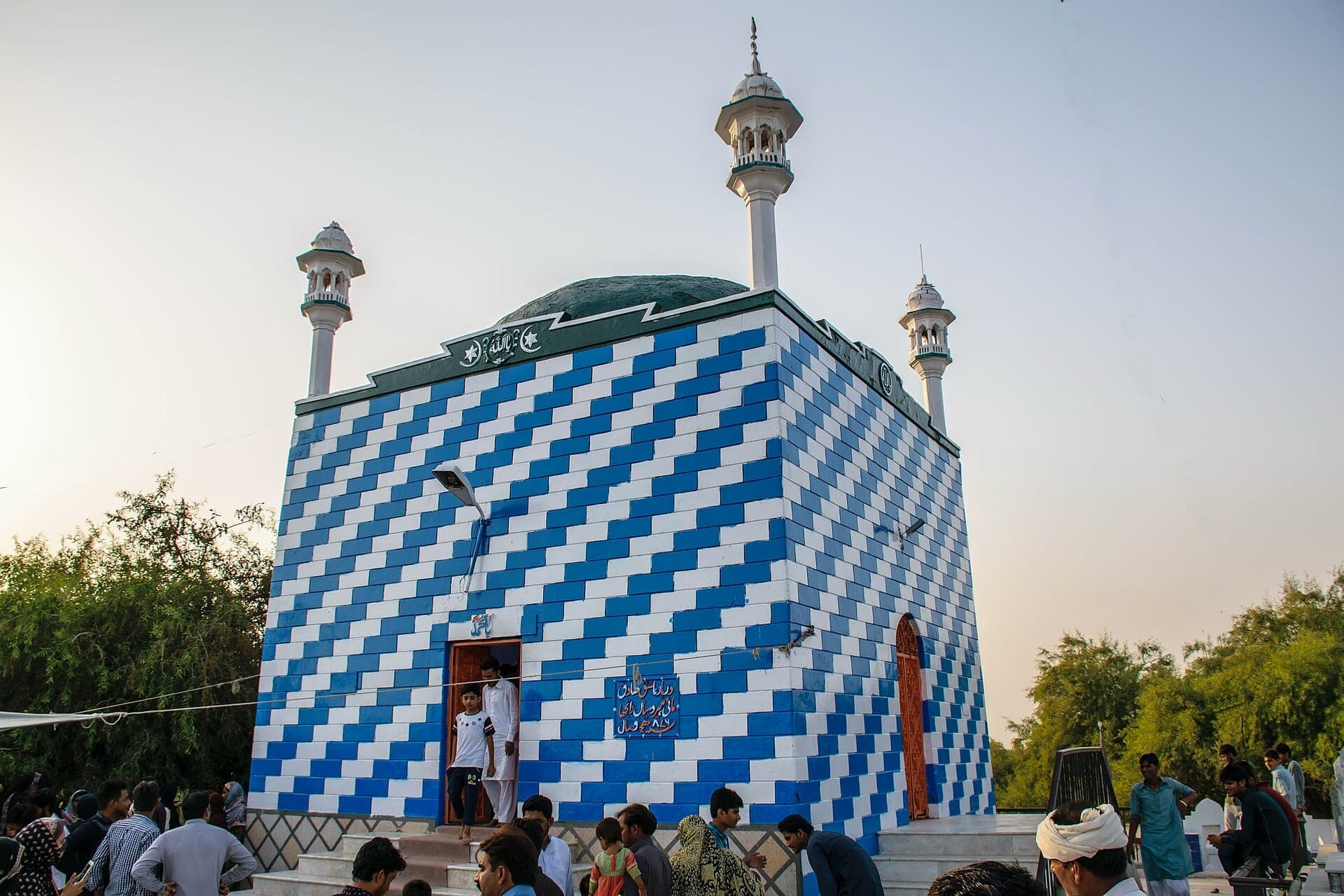
Visiting: The tomb of Heer and Ranjha, known locally as the tomb of Mahi Heer, stands in Jhang, and couples and visitors still come to pay their respects. Jhang is about an hour and a half by road from Faisalabad.
Sources: Wikipedia: Heer Ranjha (en.wikipedia.org/wiki/Heer_Ranjha); Waris Shah, Heer (1766).