
Marvi is Sindh's heroine of homeland: a girl from the desert who would rather be poor among her own people than a queen in a palace.
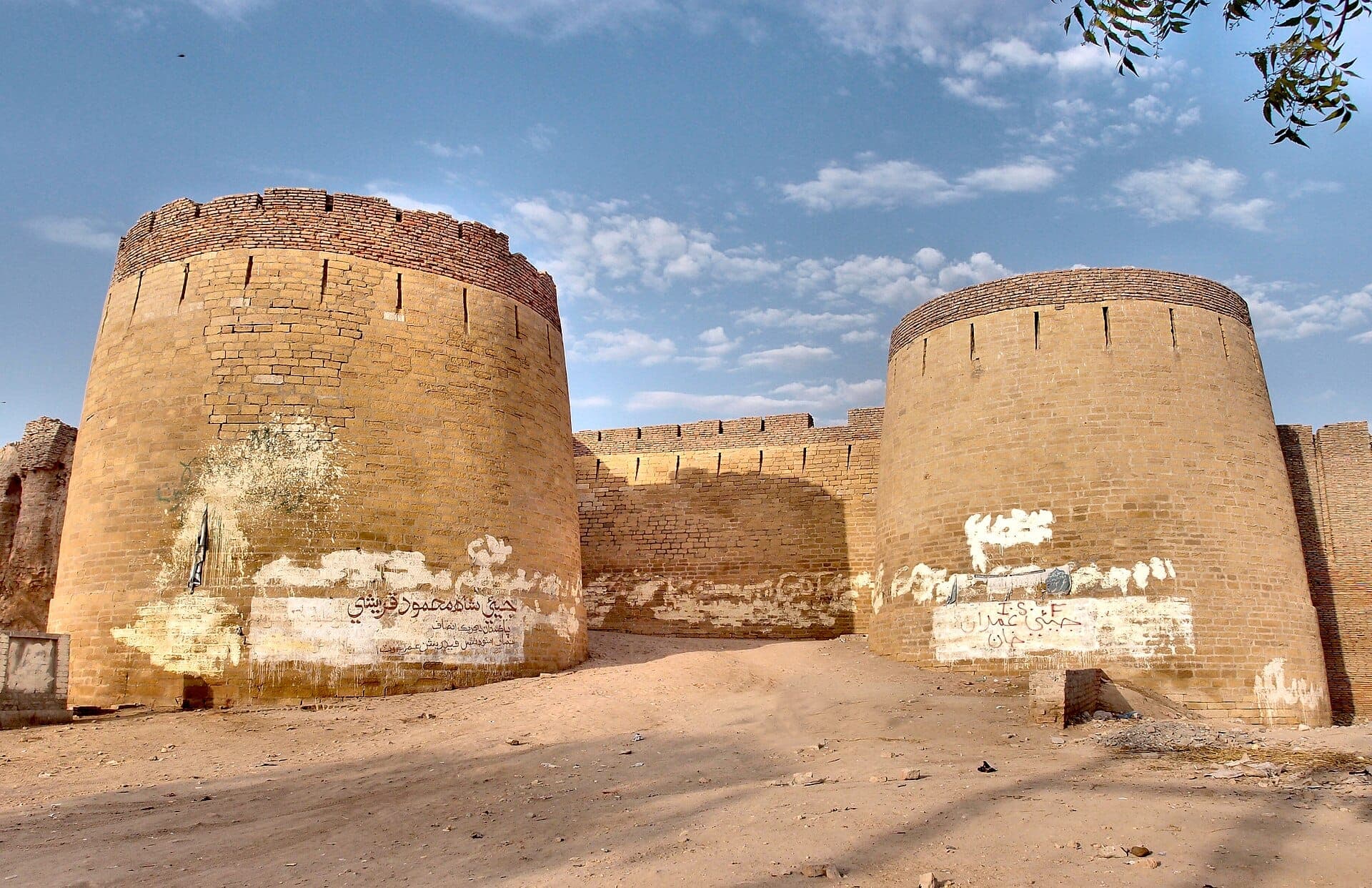
Marvi was a young Khaskheli girl of the Panhwar tribe in the Thar when Umar Soomro, the ruler of Umarkot, heard of her beauty. He carried her off to his fort at Umarkot and asked her to marry him, offering her the life of a queen.
Marvi refused. She was held in the fort for several years, and still she would not give way, longing only for her own village and her own people. Her courage made her, in Sindh's memory, the very image of love for one's homeland.
An old story of Sindh
The story probably dates from the Soomra period (about 1050 to 1350) and was first written down by Shah Abdul Karim of Bulri in the 16th century. It appears in the Tarikh-i Tahiri of 1621, the Tuhfat al-Kiram of 1766, and in Shah Abdul Latif's Shah Jo Risalo as one of the Seven Queens of Sindh. Marvi is remembered as a symbol of love for one's soil. Umar Marvi (1956) was the first Sindhi-language feature film made in Pakistan, and PTV adapted the tale as the serial Marvi in 1993.
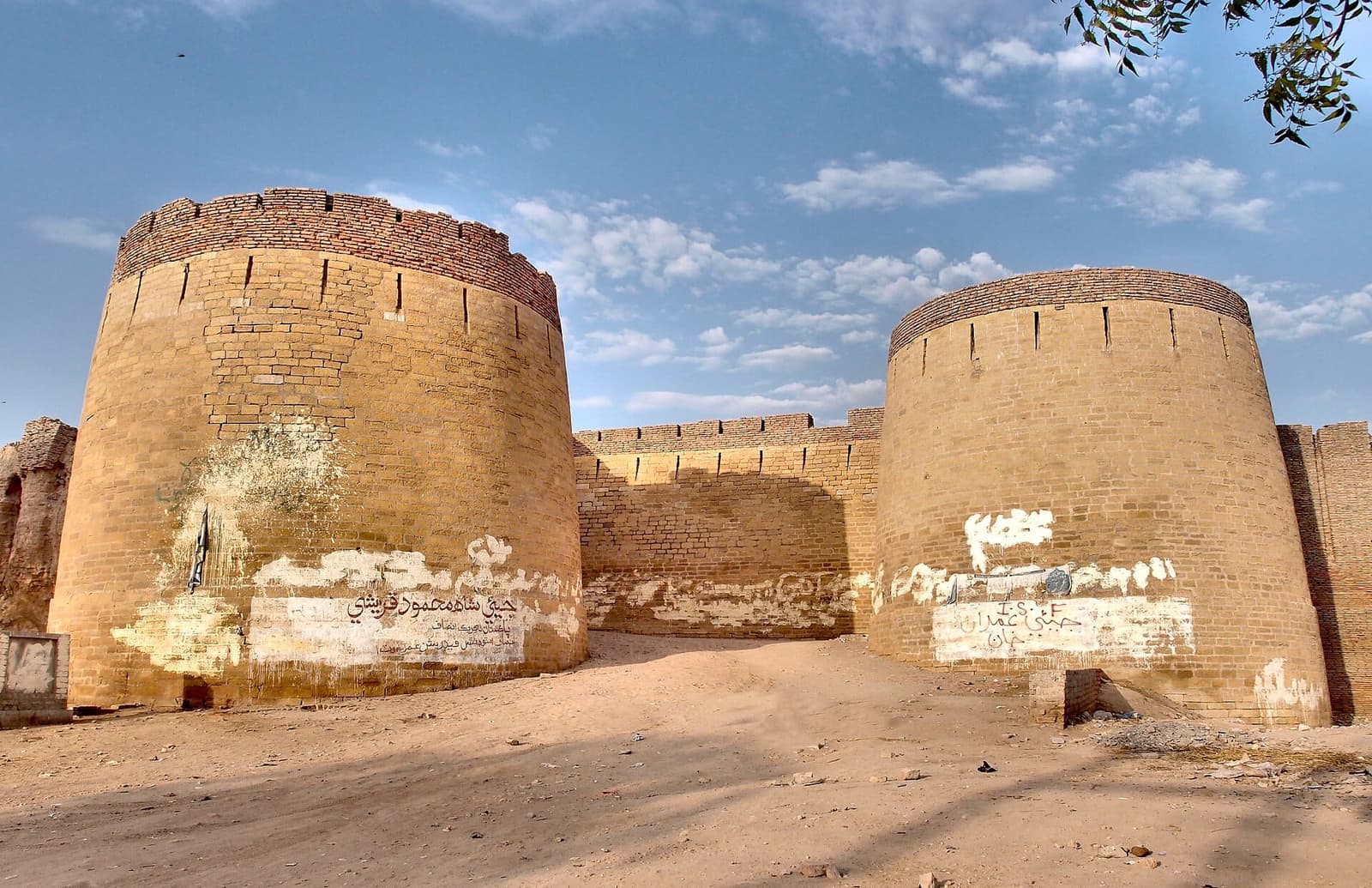
Visiting: Umarkot Fort stands in the town of Umerkot, on the edge of the Thar desert, about 320 km from Karachi. The Mughal emperor Akbar was born inside the fort.
Sources: Wikipedia: Umar Marvi (en.wikipedia.org/wiki/Umar_Marvi); Shah Abdul Latif Bhittai, Shah Jo Risalo.