
Area guides / Punjab / Salt Range & Katas Raj
Area guide
Salt Range & Katas Raj
Temples, salt mines and lakes off the M2 motorway
Region
Punjab
When to go
October to March
Getting there
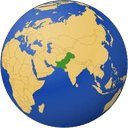
About 2.5 hours from Islamabad or Lahore off the M2 motorway. Katas Raj is near Choa Saidan Shah; Kallar Kahar is just off the motorway.
Spots
4 key places
Overview
About Salt Range & Katas Raj
The Salt Range runs along the south of the Potohar Plateau above the Jhelum River, named for its rock salt. Along it are the Katas Raj temples around their sacred pond, the Khewra Salt Mine, the world's second-largest, and Kallar Kahar lake, all within reach of the M2 between Islamabad and Lahore.
About 2.5 hours from Islamabad or Lahore off the M2 motorway. Katas Raj is near Choa Saidan Shah; Kallar Kahar is just off the motorway.
Katas Raj
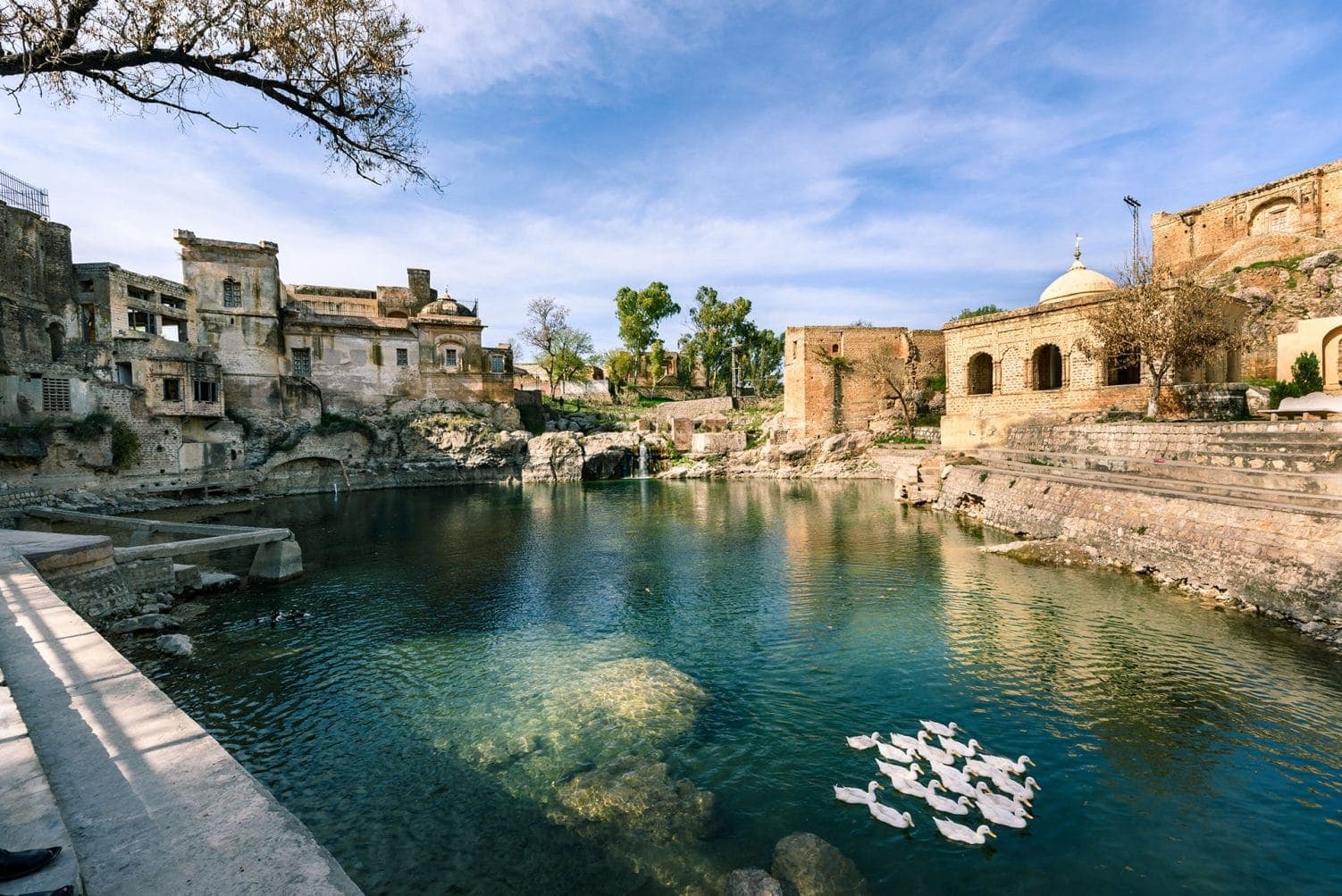
The temple complex is joined by walkways around the pond named Katas, held sacred by Hindus, with a second group, Satghara, a little to the south-west. The Maha Shivratri pilgrimage brings devotees each year.
A day along the range
Katas Raj, Khewra and Kallar Kahar combine easily in one or two days from the motorway. Nandana Fort needs a steep climb and a local guide for the final approach.
Top sights in Salt Range & Katas Raj
Region guide →Katas Raj Temples
Hindu temples around a sacred green pond; the oldest dates to the 6th century CE.
Khewra Salt Mine
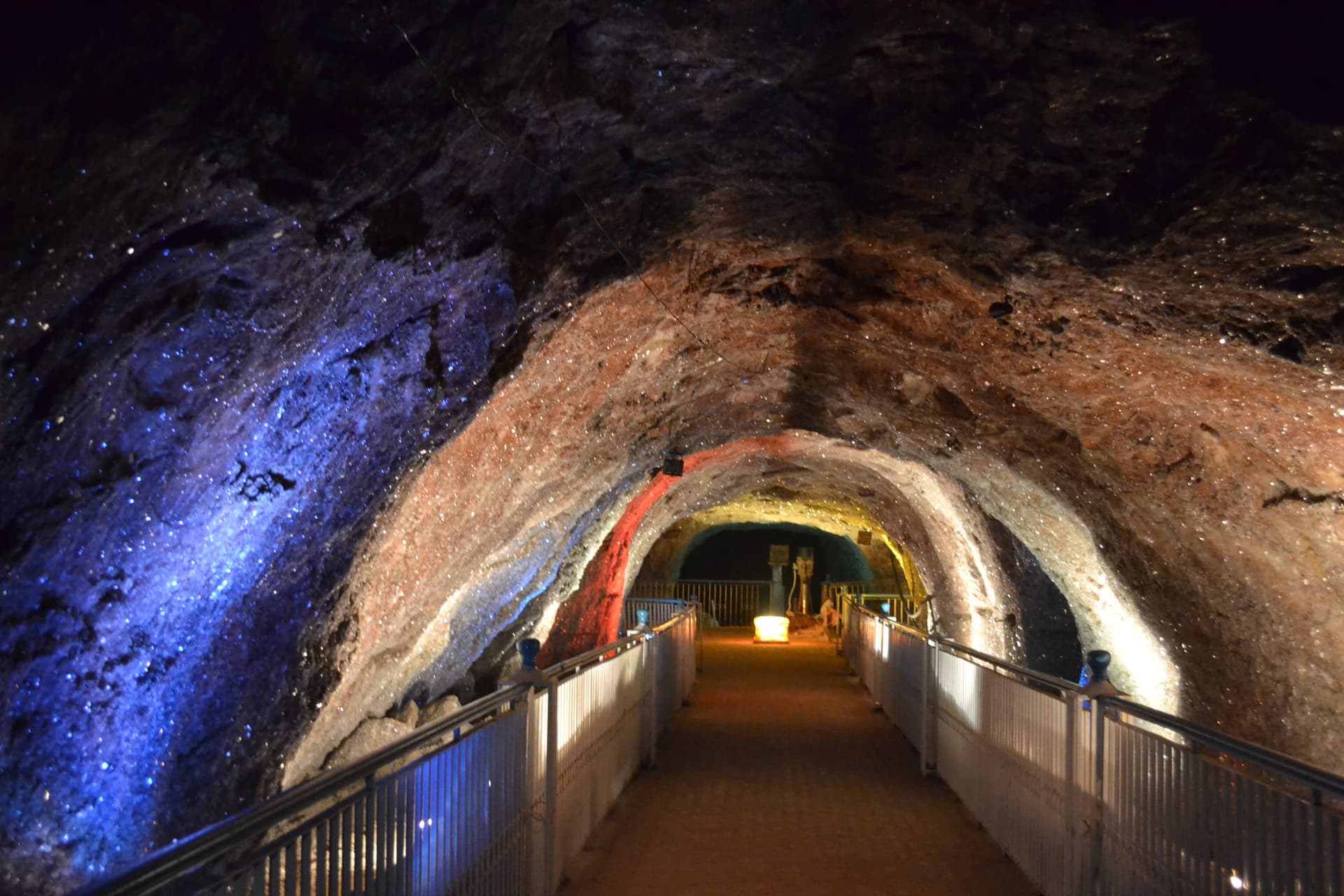
The world's second-largest salt mine, with a ticketed tour.
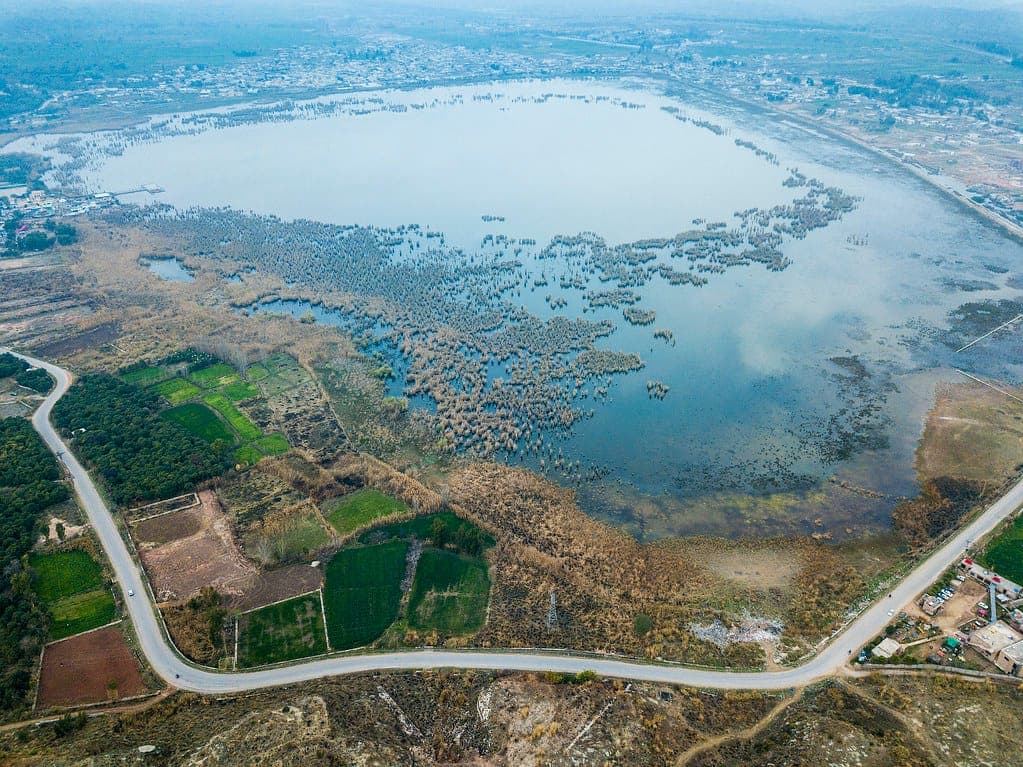
Kallar Kahar Lake
A saltwater lake in a Salt Range basin, ringed by hills.
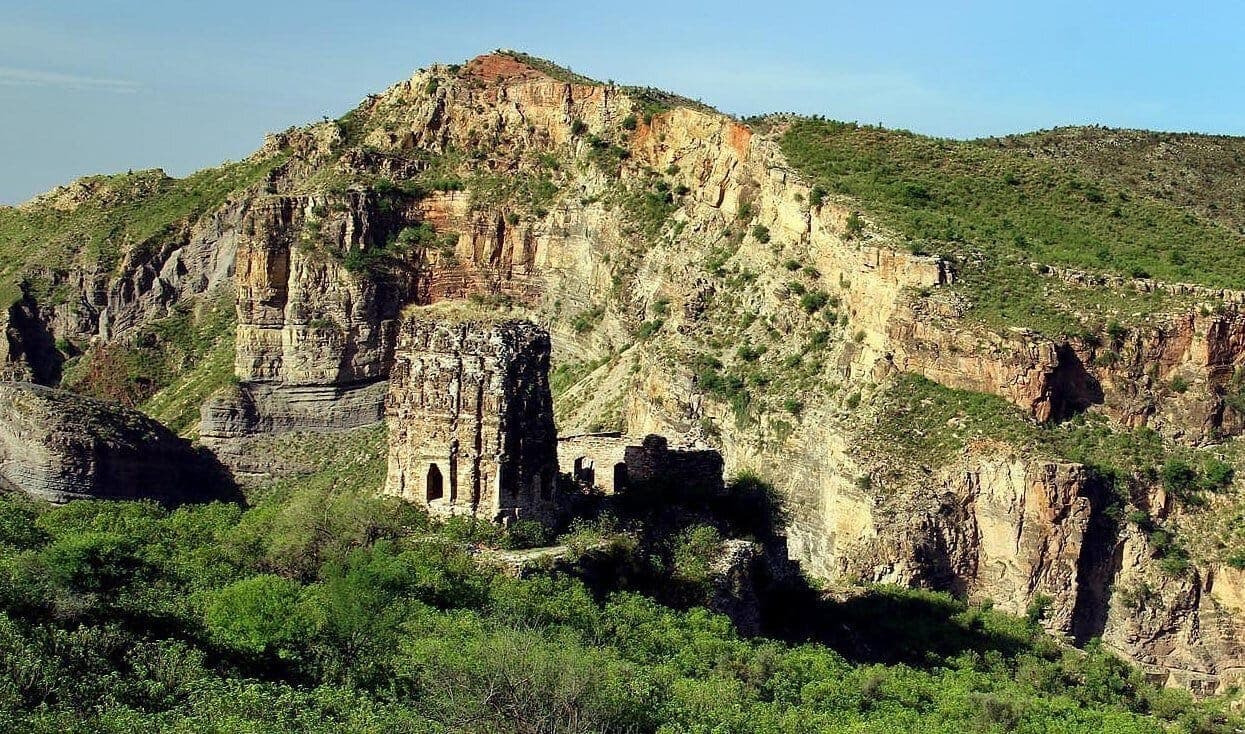
Nandana Fort
A ruined 9th-11th century hilltop fort on the eastern edge of the range.
Field Guides
All places →Katas Raj Temples
Katas Raj is an ancient cluster of Hindu temples gathered around a sacred green pond in the Salt Range of the Punjab, a site whose origins reach back well over a thousand years and whose legend ties it to the tears of Shiva and to the Pandava brothers of the Mahabharata, who are said to have spent part of their exile here. The Shri Katas Raj Mandir complex of weathered shikhara temples around the holy pool is one of the most important Hindu pilgrimage sites in Pakistan, set in atmospheric, faded grandeur amid the salt hills.
Salt Range and Khewra Salt Mine
The Khewra Salt Mine is the second-largest salt mine in the world and one of the oldest, worked since the armies of Alexander the Great noticed their horses licking the rocks here in 326 BCE. Tunnelled into the Salt Range hills of the Punjab, it produces the famous pink Himalayan salt and draws visitors into a surreal underground world: vaulted chambers, brine pools, and sculptures carved from glowing salt blocks, including a small mosque built entirely of pink salt bricks. A narrow-gauge train carries visitors into the heart of the mountain.
Kallar Kahar Lake
Kallar Kahar Lake is a saltwater lake set in a natural Salt Range basin just off the M2 motorway in Chakwal district, ringed by hills, gardens, and resident peacocks. Easily reached from both Lahore and Islamabad, it has long been a popular boating and picnic stop for travellers breaking their journey along the motorway.
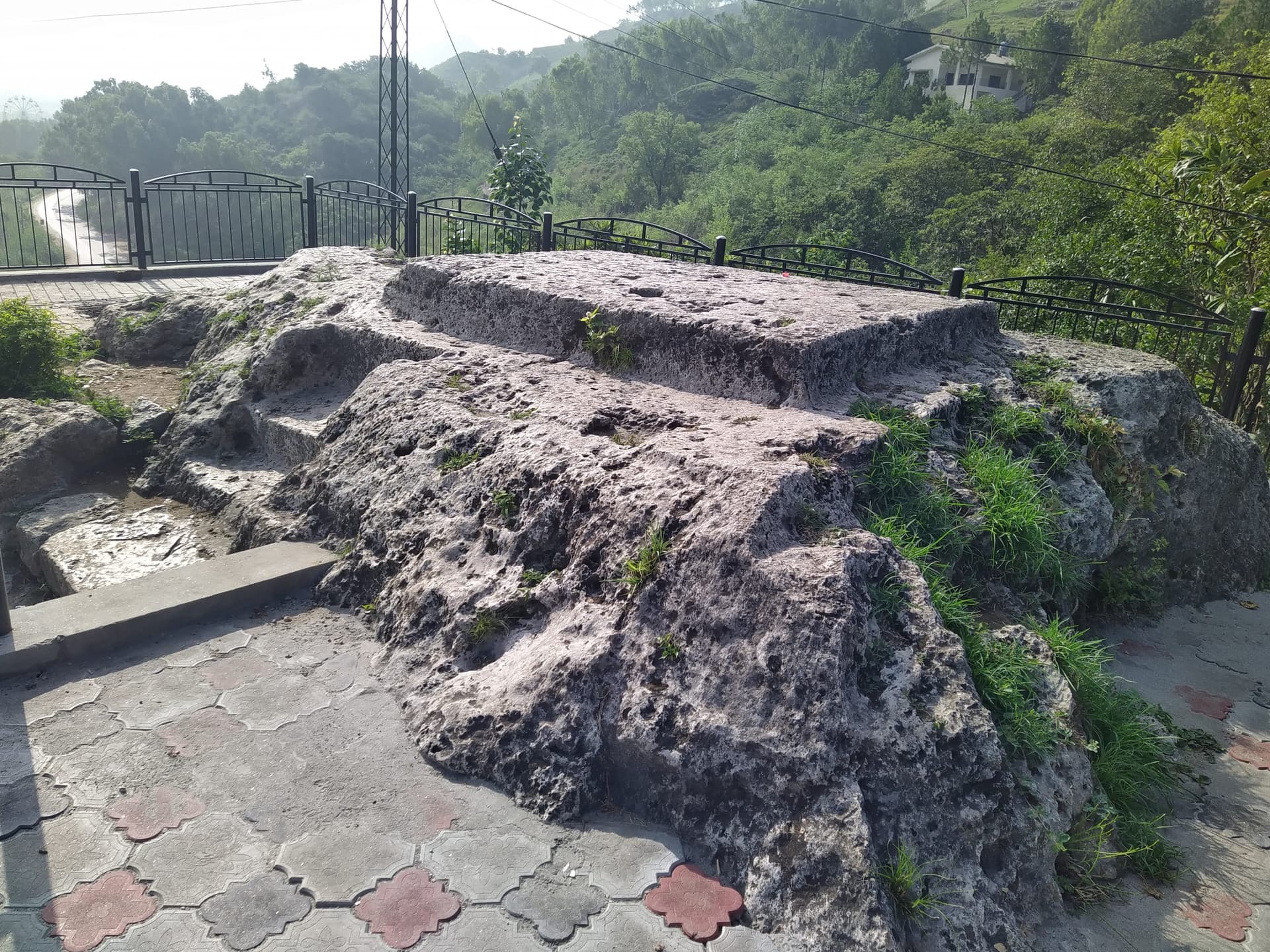
Takht-e-Babri
Takht-e-Babri is a stone platform carved from a large Salt Range boulder at Kallar Kahar, where the first Mughal emperor Babur is said to have camped in 1519 while marching toward Delhi and to have addressed his assembled troops from this spot. Some historical details, including the exact date and patron, are debated by scholars, but the site remains a well-known curiosity paired with a Kallar Kahar visit.
Nandana Fort
Nandana Fort is a ruined hilltop stronghold of the 9th-11th century Odi Shahi dynasty, perched on the eastern edge of the Salt Range near Baghanwala village. Reaching it requires a steep climb, rewarded by dramatic cliff views and a claim to scientific history: the polymath Al-Biruni is traditionally said to have used this vantage point to calculate the Earth's radius in the 11th century.