
 Photo: Department of Archaeology & Museums, Government of Pakistan
Field guides / Azad Jammu and Kashmir / Rawalakot & Poonch / Ain Fort (Owin Fort), Sudhnoti
Field guide · Heritage
Sudhnoti
Sudhnoti District · Azad Jammu and Kashmir, Pakistan
Ain Fort (Owin Fort), Sudhnoti
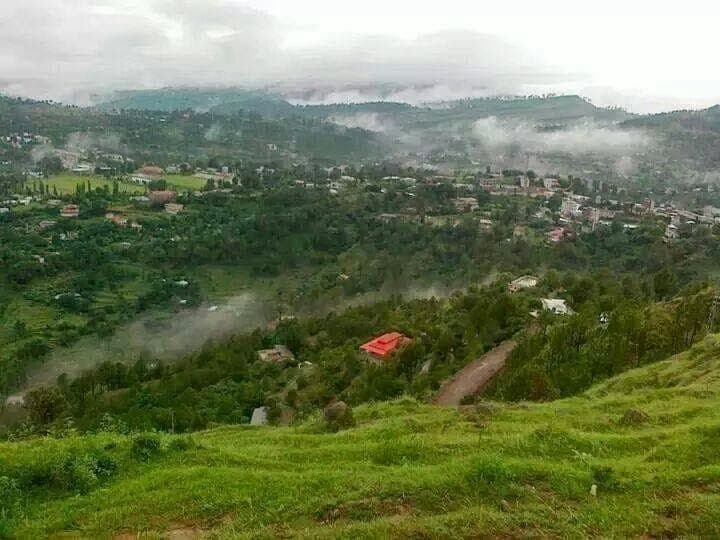
A hilltop fort above the narrowest gorge of the Jhelum near Ain village, Sudhnoti, restored from 2025 and reached by boat through the gorge.
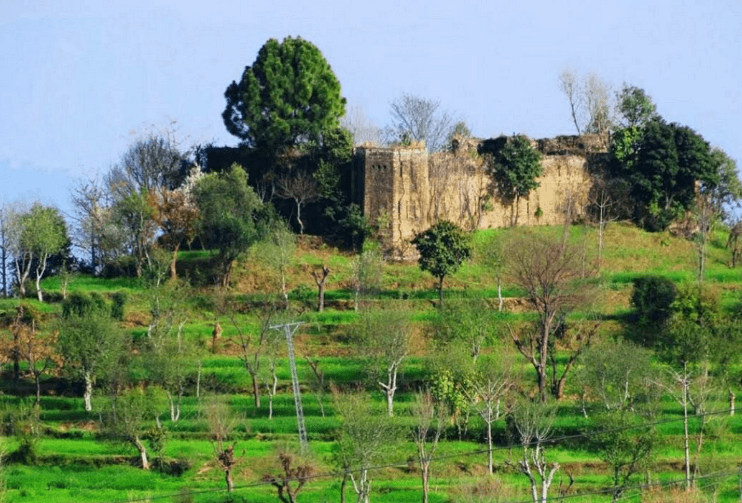
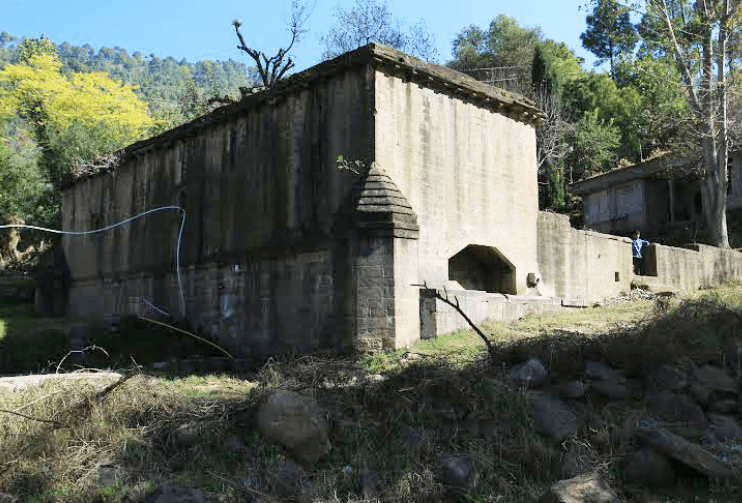
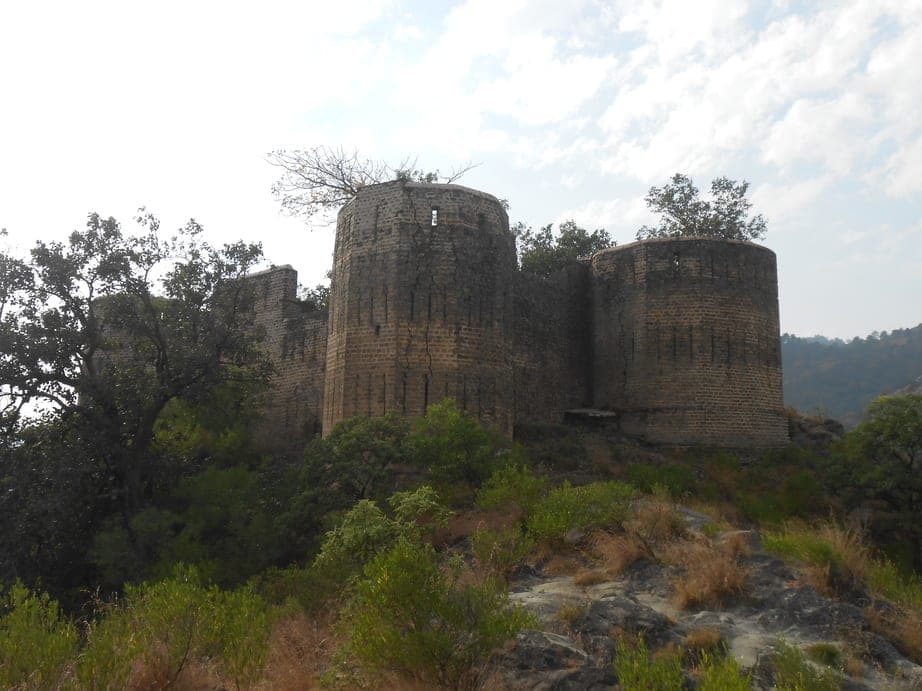
Ain Fort, listed by the Department of Archaeology as Owin Fort, crowns a hilltop above the narrowest gorge of the Jhelum River near Ain village in Sudhnoti district. It is a small, square fortress on a natural platform, with an octagonal bastion at each corner pierced by arrow slits and a main gate under a multi-foiled arch on the south. Built of stone with lime plaster, it was once two storeys high with a water tank inside, and about 200 metres away stand two small sandstone baolis. Long hidden under forest, it has been under careful restoration since late 2025 and is open to visitors, most of whom arrive the old way, by boat up the river.
Why go
- ✦A hilltop fort above the narrowest gorge of the Jhelum
- ✦Reached by boat through the gorge
- ✦Four octagonal corner bastions
- ✦Restored with traditional stone and lime since 2025
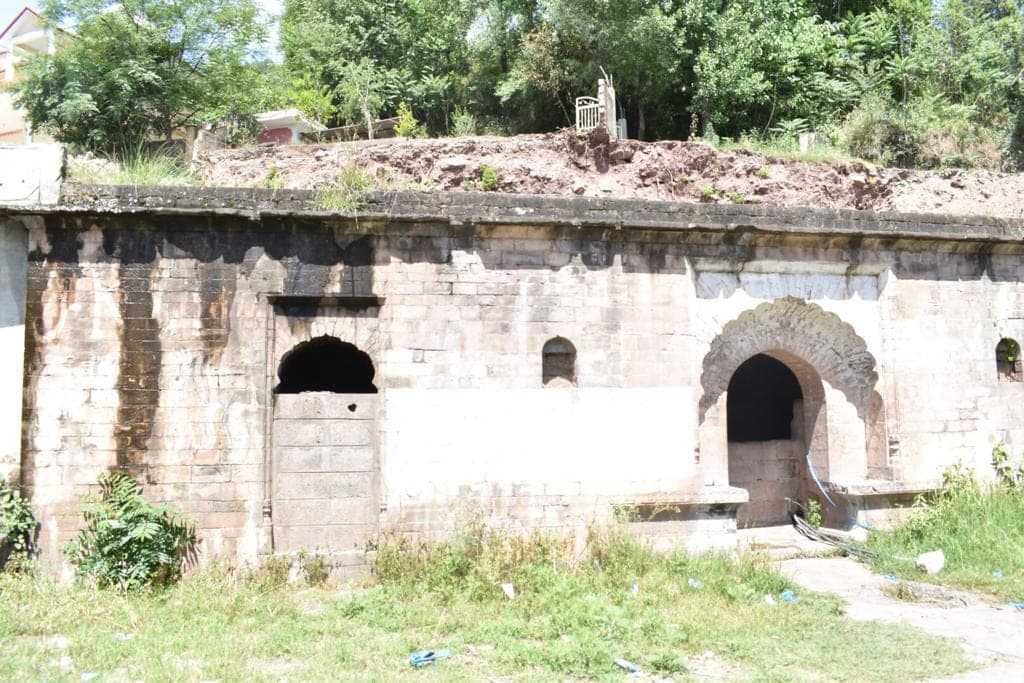
- ✦Two stone baolis nearby
History
Who first built the fort is not recorded. It is believed to date from around 1460, under the Shah Mir sultans of Kashmir, and to have been strengthened after Akbar brought Kashmir into the Mughal empire in 1587 and again under the Dogra rulers of Jammu and Kashmir; the walls standing today are largely of the early 19th century. Set at the narrowest crossing of the Jhelum, it served as a customs post, a forest post and a military outpost, one of a chain of forts across the region with Baghsar, Mangla, Ramkot and Throchi, and it watched the river that once marked the edge of the Dogra state.
Historical Significance
Ain is one of the few survivors of the posts that once guarded and taxed traffic on the Jhelum, where the hills of Kashmir meet the Punjab plains. In late 2025 the Himalayan Wildlife Foundation began the first conservation work on the fort since 1947, funded by the Pakistan Poverty Alleviation Fund with the Government of Azad Jammu and Kashmir and with technical support from the National University of Sciences and Technology. The work uses traditional stone and lime, and the site stays open to visitors while it goes on.
Architecture
A square fort on a natural rock platform, with an octagonal bastion at each corner, each pierced by arrow slits, and the main gate on the south under a multi-foiled arch. The walls are stone laid in diaper masonry and finished with lime plaster; inside, the fort rose two storeys around a water tank.
Why Visit
Few forts in Pakistan are still reached the way they were meant to be: by river. A short boat ride up the green Jhelum gorge, a climb through the forest and a 600-year-old fort with the river curling below make Ain one of the most memorable half-day trips from Islamabad.
How to Reach
From Islamabad it is about 1.5 hours by road to Kahuta and on to the Jhelum. The usual way in is by boat: a 15 to 25 minute ride up the gorge from the river landing to the foot of the hill, then a 15-minute climb to the fort. Boats are booked in advance through the fort's local operators, who give the launch point. A 4×4 jeep track by way of the Holar bridge also reaches the base of the hill, but it is rough and can close in the monsoon, July to September. Entry is PKR 1,000 per adult (2026).
Responsible Travel
Book the boat through the fort's local operators and wear the life jacket provided. Keep off walls under repair and do not climb the bastions where they are fenced. Food is cooked by the village on order, so book it ahead, and carry your litter back down.
Interesting Facts
- The Department of Archaeology lists it as Owin Fort
- It stood in a chain of forts with Baghsar, Mangla, Ramkot and Throchi
- It served as a customs, forest and military post at the Jhelum crossing
- The 2025 restoration is the first conservation work on it since 1947
- Solar lamps light the fort for evening visits
Planning tip
Best Time to Visit, October to April, when the weather is much like Islamabad's. Avoid July to September, when the jeep track can close.
Getting there, From Islamabad it is about 1.5 hours by road to Kahuta and on to the Jhelum. The usual way in is by boat: a 15 to 25 minute ride up the gorge from the river landing to the foot of the hill, then a 15-minute climb to the fort. Boats are booked in advance through the fort's local operators, who give the launch point. A 4×4 jeep track by way of the Holar bridge also reaches the base of the hill, but it is rough and can close in the monsoon, July to September. Entry is PKR 1,000 per adult (2026).
Allow, Half a day from Islamabad with the boat; an hour or two at the fort.
What to Do
Nearby
Straight-line distance from Ain Fort (Owin Fort), Sudhnoti, within 5 km.
Nothing else genuinely close by (within 5 km of Ain Fort (Owin Fort), Sudhnoti) is published yet.